How to Set Up a Freshwater Planted Tank (Beginner’s Step-by-Step Guide)
Setting up a freshwater planted tank is one of the best upgrades you can make to a home aquarium. This guide is for beginners who want a plant-focused aquarium that improves water quality, supports fish health, and stays easy to maintain without CO₂ systems or advanced equipment.
Quick Answer: To set up a freshwater planted tank, choose a nutrient-rich substrate, install a full-spectrum plant light, plant beginner species like Java Fern or Anubias, cycle the tank fully, and keep lighting and nutrients balanced. CO₂ is optional for low-tech planted tanks.
Why Choose a Freshwater Planted Tank?
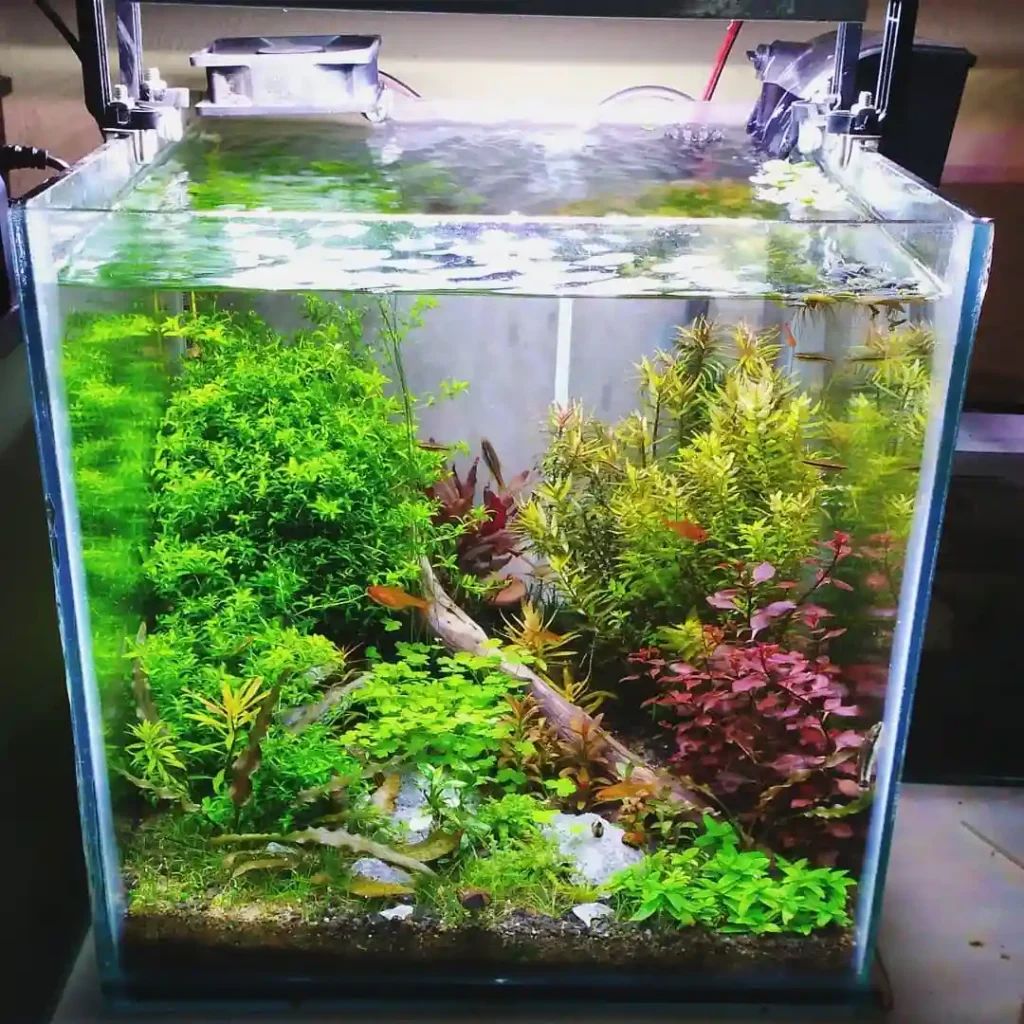
Planted aquariums do more than look good. Live plants actively improve tank stability.
They help by:
- Absorbing ammonia, nitrites, and nitrates
- Releasing oxygen during daylight hours
- Competing with algae for nutrients
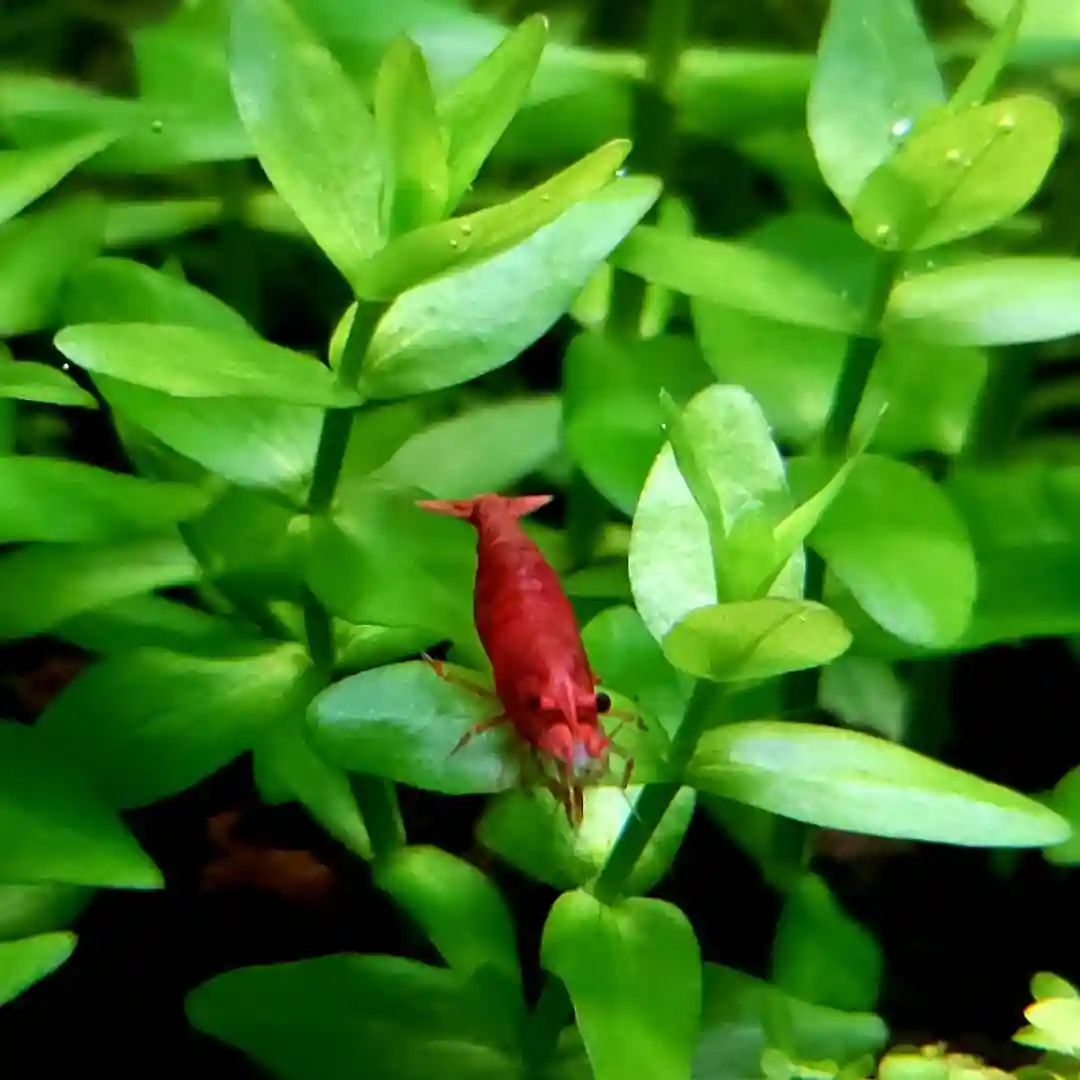
- Providing shelter for fish and shrimp
Many beginners find planted tanks more forgiving than bare tanks once the plants establish.
If you’re new to aquariums entirely, start with our Freshwater Aquarium Setup Guide, then return here for plant-specific steps.
What You Need to Start a Planted Aquarium
Basic Equipment Checklist
- Tank: 10–20 gallons recommended for beginners
- Filter: Sponge or hang-on-back filter
- Heater: Required for tropical planted tanks
- Lighting: Full-spectrum LED designed for plant growth
- Substrate: Nutrient-rich soil or enriched gravel
Helpful Extras
- Planting tweezers and scissors
- Root tabs for heavy root feeders
- Liquid fertilizer (optional)
- Light timer for consistency
- Water test kit (ammonia, nitrite, nitrate, pH)
Choosing the Right Substrate for Plant Growth
Substrate choice directly affects plant success.
Common Substrate Types
- Aquarium soil: Supports rooted plants and holds nutrients
- Gravel or sand: Inert, requires root tabs or liquid fertilizer
Substrate Layering Method (Beginner Friendly)
- Base layer of nutrient-rich substrate
- Thin sand or gravel cap for stability
- Root tabs under plants like Amazon Sword
For carpeting options, browse our Aquarium Carpet Plants guide.
Lighting for Freshwater Planted Tanks
Lighting controls plant growth more than any other factor.
- Spectrum: Full spectrum (6,500K–7,500K)
- Duration: 8–10 hours daily
- Intensity:
- Low light for mosses and rhizome plants
- Medium light for carpeting plants
Beginner-friendly lights include NICREW, Hygger, and Fluval Plant series.
For plant choices that thrive under simple lighting, see Low Light Aquarium Plants.
Step-by-Step: Setting Up Your Planted Tank
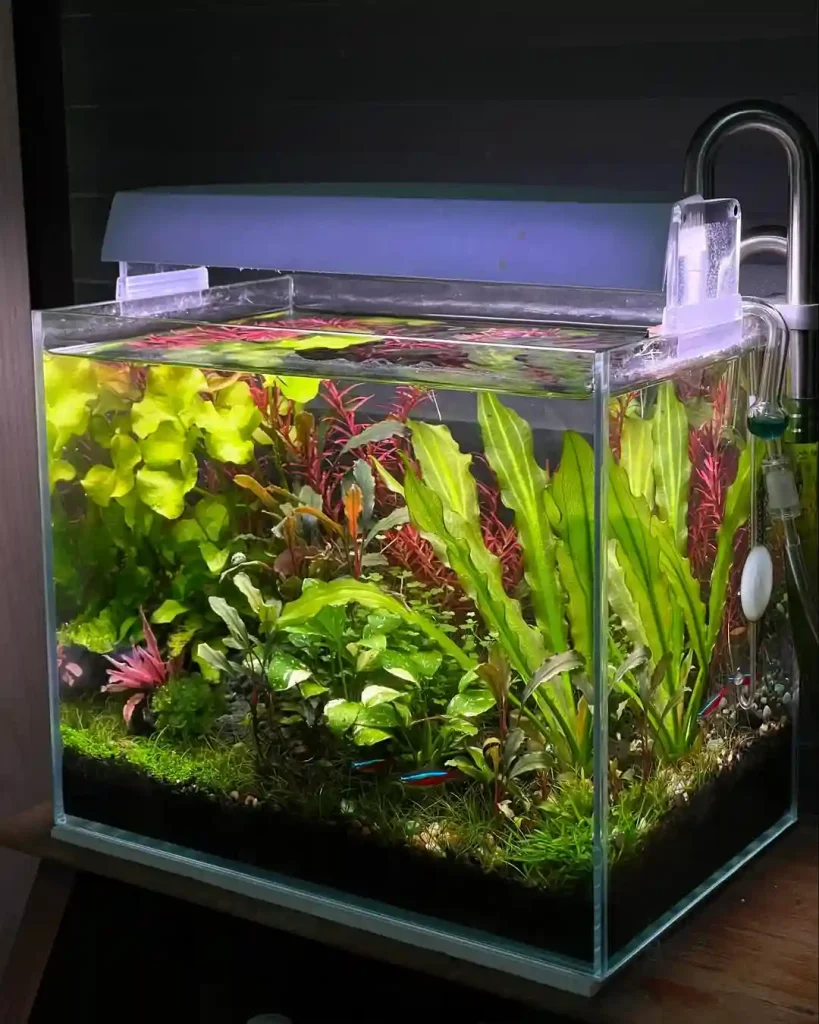
Step 1: Add the Substrate
Add layers slowly to prevent clouding. Slight slopes create depth and better root coverage.
Step 2: Position Hardscape
Place driftwood and rocks before planting. This defines planting zones and improves layout.
For layout inspiration, visit Aquascaping for Beginners.
Step 3: Fill the Tank Slowly
Pour water over a plate or plastic bag to avoid disturbing the substrate.
Step 4: Install Equipment
Install filter, heater, and lighting. Plug in heaters only after the tank is full.
Step 5: Add Plants
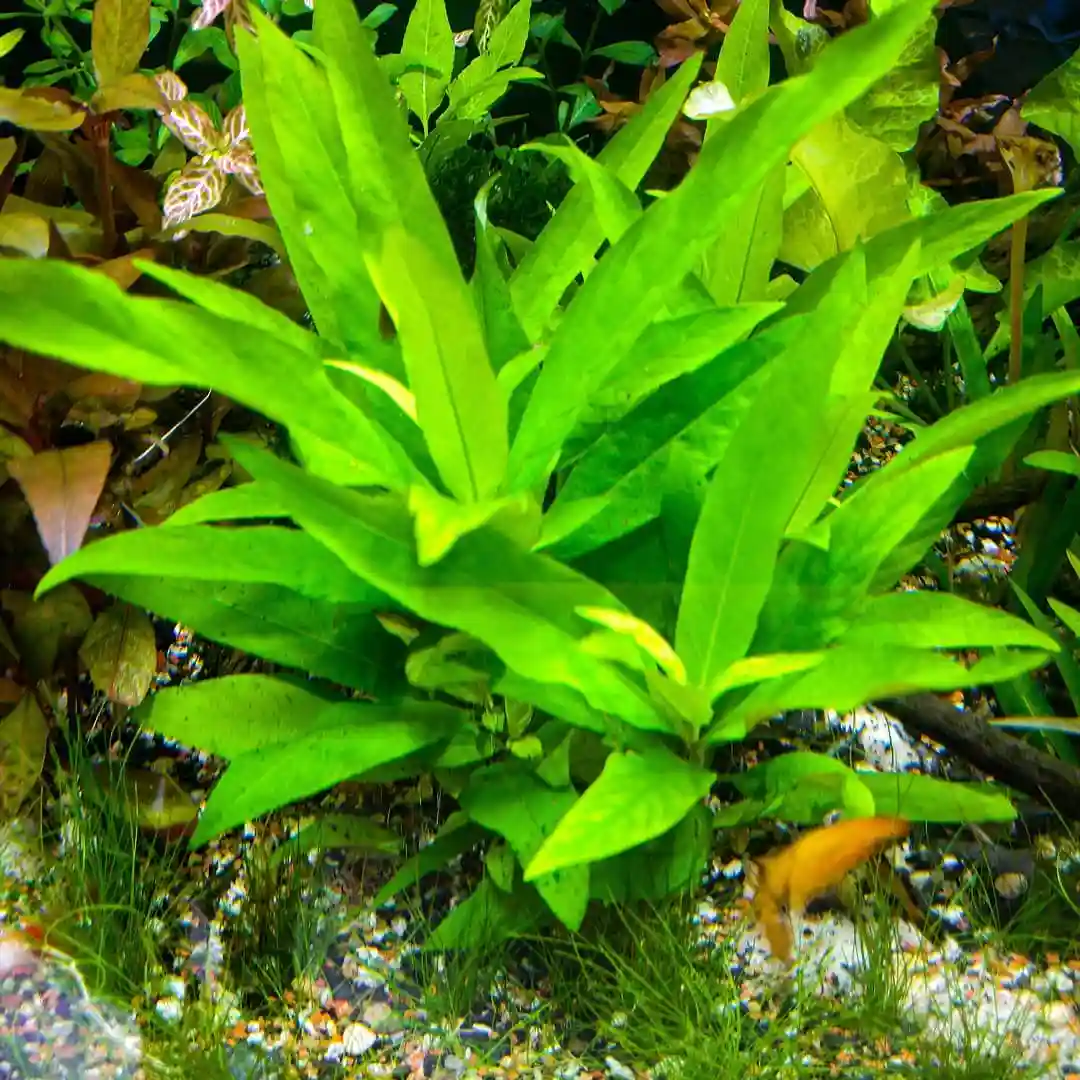
Plant rooted species gently. Do not bury rhizome plants like Java Fern or Anubias.
Learn proper placement in our Foreground Plants guide.
Step 6: Start the Nitrogen Cycle
Cycle the aquarium before adding fish. Use bottled bacteria or seeded media.
Shrimp keepers can follow How to Cycle a Shrimp Tank Safely for plant-safe cycling.
Best Beginner Aquarium Plants (No CO₂ Needed)
Rooted Plants
- Amazon Sword
- Cryptocoryne
- Vallisneria
Rhizome Plants
- Java Fern
- Anubias
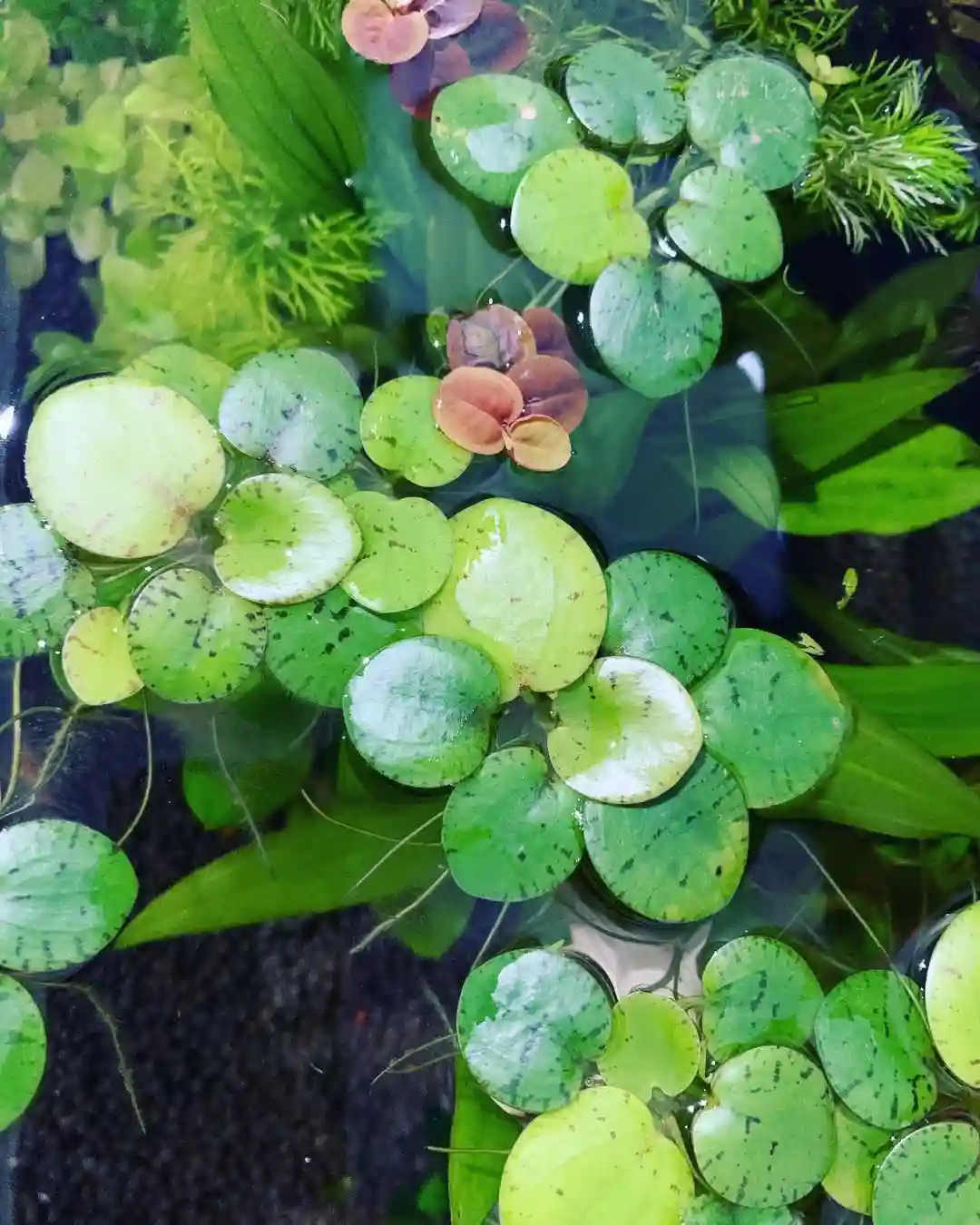
Floating Plants
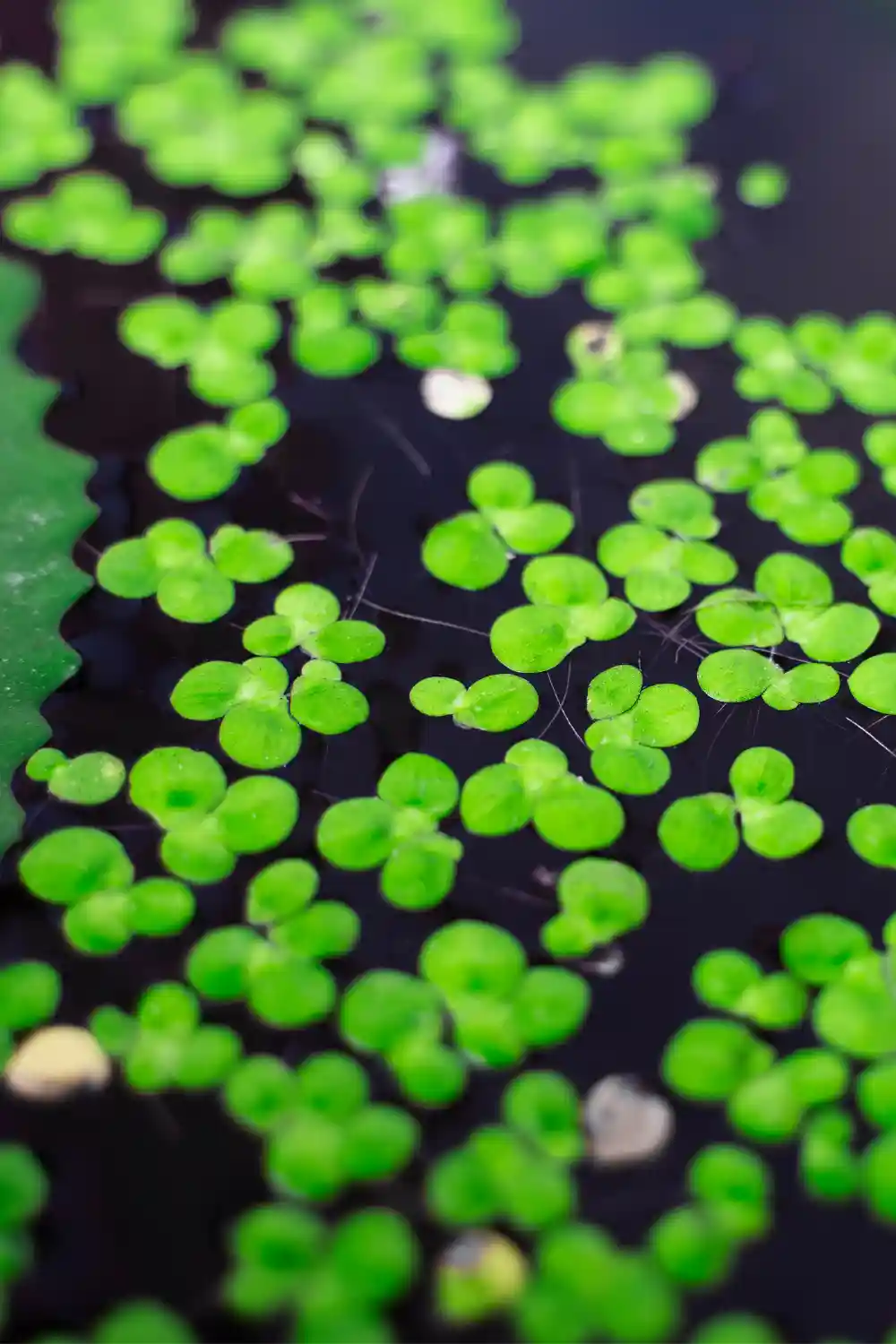
- Duckweed
- Water Lettuce
For fast nutrient absorption and algae control, see Fast Growing Aquarium Plants.
Can You Add Plants to a Tank With Fish?
Yes. Adding plants to an established tank is safe when done carefully.
- Rinse plants thoroughly
- Dim lights temporarily
- Avoid disturbing deep substrate layers
- Monitor ammonia for several days
Do You Need CO₂ for a Planted Tank?
CO₂ is optional for beginners.
- Low-tech tanks succeed with hardy plants
- Use moderate lighting
- Supplement with root tabs or liquid fertilizer
- Avoid strong lighting without nutrients
Many successful planted tanks run without injected CO₂.
Easy Maintenance Tips for Planted Tanks
Weekly
- 25% water change
- Trim excess plant growth
- Clean algae from glass
Monthly
- Replant trimmings
- Refresh root tabs
- Rinse filter media in tank water
Common Mistakes to Avoid
- Using plain gravel with no nutrients
- Burying rhizome plants
- Excessive lighting without fertilizer
- Skipping the nitrogen cycle
A detailed Plant Troubleshooting Guide will be added soon.
Frequently Asked Questions
Can I use sand in a planted tank?
Yes. Add soil or root tabs underneath for nutrients.
Do plants grow without CO₂?
Yes. Many beginner plants thrive without it.
Can I plant in a tank with fish already inside?
Yes, if you avoid disturbing waste buildup.
What’s the best light duration?
8–10 hours daily using a timer.
Which plants grow the fastest?
Hornwort, Water Wisteria, and Amazon Frogbit.
Final Notes
A freshwater planted tank does not need advanced gear to succeed. With the right substrate, lighting, and beginner-friendly plants, you can create a stable planted aquarium that supports fish health and looks natural.
Explore more plant care guides in our Aquarium Plants section to continue building your planted tank the right way.