
10 Best Betta Fish Tank Mates Guide

The best tank mates for betta fish are calm species that do not nip fins, look like another betta, or compete too much for space. Good choices include Corydoras catfish, Kuhli Loaches, Harlequin Rasboras, Nerite Snails, Mystery Snails, and Amano Shrimp.
Some bettas accept tank mates easily, while others do better alone, so always watch behavior closely after adding any new fish.
If you are new to bettas, start with this full Betta Fish Care for Beginners guide before building a community tank.
Quick Betta Tank Mate Table
| Tank Mate | Best Tank Size | Safe With Bettas? | Notes |
| Corydoras Catfish | 10–20 gallons | Yes | Best in groups |
| Kuhli Loaches | 20+ gallons | Yes | Shy bottom fish |
| Harlequin Rasboras | 15–20+ gallons | Yes | Peaceful schooling fish |
| Ember Tetras | 15–20+ gallons | Usually | Better with calm bettas |
| Neon Tetras | 20+ gallons | Sometimes | Can nip or get chased |
| Mystery Snails | 5–10+ gallons | Yes | Good beginner choice |
| Nerite Snails | 5–10+ gallons | Yes | Great algae eater |
| Amano Shrimp | 10+ gallons | Usually | Safer than tiny shrimp |
| Ghost Shrimp | 10+ gallons | Risky | May get eaten |
| African Dwarf Frogs | 10–20+ gallons | Sometimes | Need careful feeding |
| Male Guppies | Not recommended | No | Long fins can trigger aggression |
| Tiger Barbs | Not recommended | No | Fin-nippers |
| Other Male Bettas | Not recommended | No | They will usually fight |
Can Betta Fish Live With Other Fish?
Yes, betta fish can live with other fish, but not every betta will accept tank mates. Male bettas are territorial, and some are more aggressive than others.
The safest tank mates are fish that stay away from the betta’s main area, do not have long flashy fins, and are not known for nipping. Bottom dwellers and snails are usually easier than active mid-water fish.
Tank size also matters. A 5-gallon tank is best for one betta only. If you want tank mates, a 10-gallon tank is the starting point, but 15 to 20 gallons is much better.
For setup inspiration, see these Betta Fish Tank Ideas.
Best Tank Setup Before Adding Tank Mates
A betta community tank should have warm water, gentle flow, hiding places, and enough swimming space. Bettas do not like strong current, so avoid filters that push them around the tank.
Use live or soft silk plants instead of sharp plastic plants. Bettas have delicate fins, and rough decorations can tear them.
A good setup should include plants, caves, driftwood, and open space near the surface. Bettas breathe from the surface, so they need easy access to the top of the tank.
| Setup Need | Best Choice |
| Tank size | 10 gallons minimum for tank mates |
| Better size | 15–20 gallons |
| Temperature | 76–80°F |
| pH | Around 6.8–7.5 |
| Filter flow | Gentle |
| Plants | Live plants or soft silk plants |
| Water changes | 20–30% weekly |
| Ammonia/nitrite | 0 ppm |
Different betta types can have different fin shapes and swimming ability. Long-finned bettas may struggle more in strong current than short-finned types. You can compare common varieties in this Types of Betta Fish guide.
Best Betta Fish Tank Mates List
The safest tank mates are peaceful, not too colorful, and not too active. Start with one type of tank mate first, then watch your betta’s behavior before adding more.
1. Corydoras Catfish
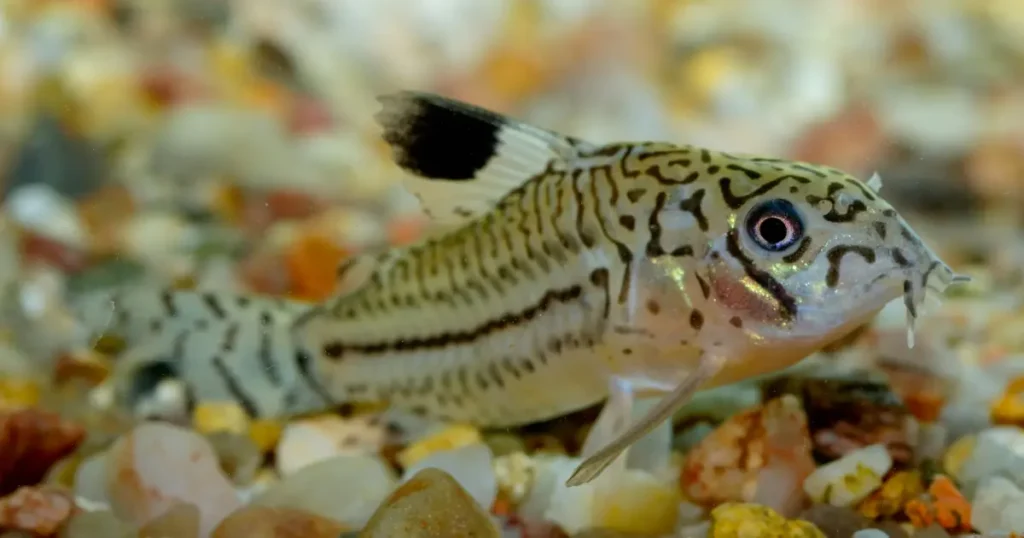
Corydoras catfish are one of the safest tank mates for bettas because they stay near the bottom while bettas usually stay near the middle and top.
Keep them in a group of at least 5 or 6. A single Cory can become stressed and hide often.
Use soft sand or smooth gravel because rough substrate can damage their barbels. They also need sinking food, not just leftovers.
2. Kuhli Loaches
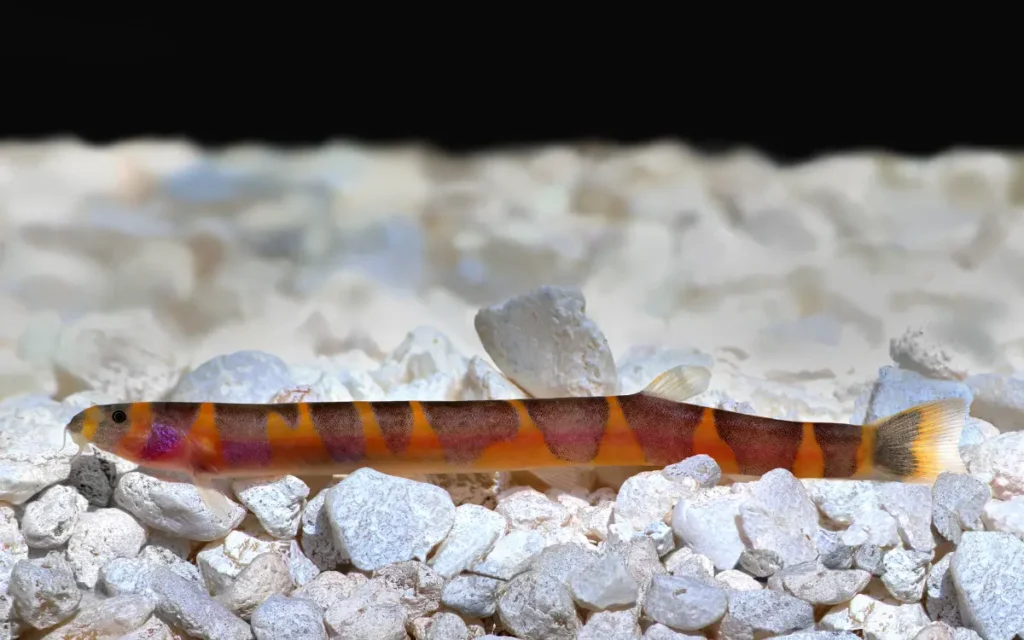
Kuhli Loaches can work well with bettas in a peaceful tank. They are shy, eel-like bottom fish that usually hide during the day and come out more at night.
Keep them in groups of 3 to 6 so they feel safer. They need soft substrate, caves, plants, and small hiding spaces.
A 20-gallon tank is better for Kuhli Loaches because they enjoy room to explore at the bottom.
3. Harlequin Rasboras
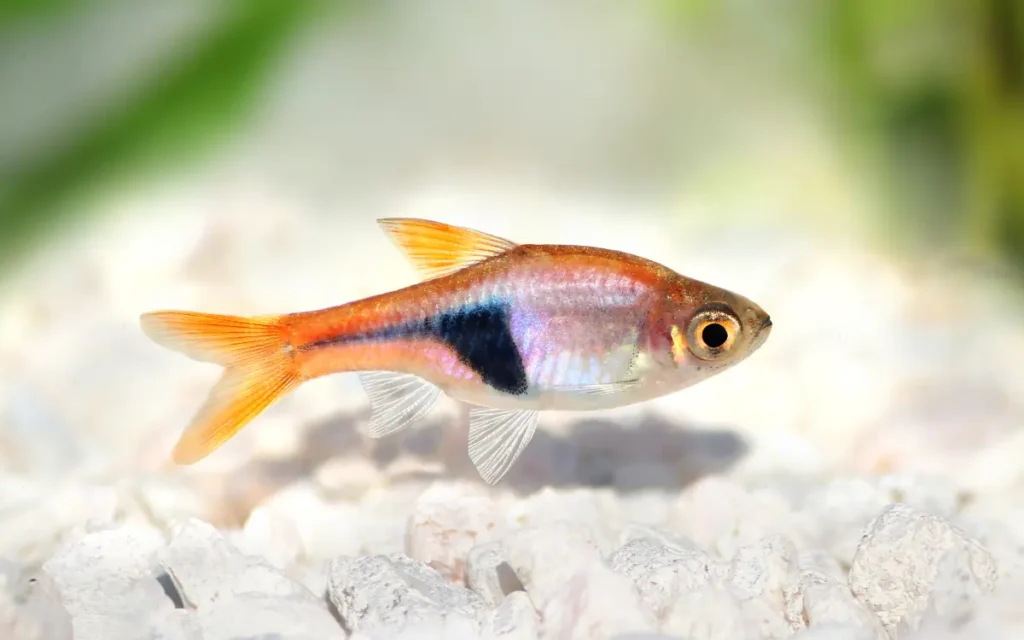
Harlequin Rasboras are one of the better schooling fish for betta tanks. They are peaceful, quick, and usually do not bother bettas.
Keep them in a group of at least 6, but 8 to 10 is better. They look best in a planted tank with open swimming space.
They are less flashy than some other small fish, so they are less likely to trigger aggression in many bettas.
4. Ember Tetras
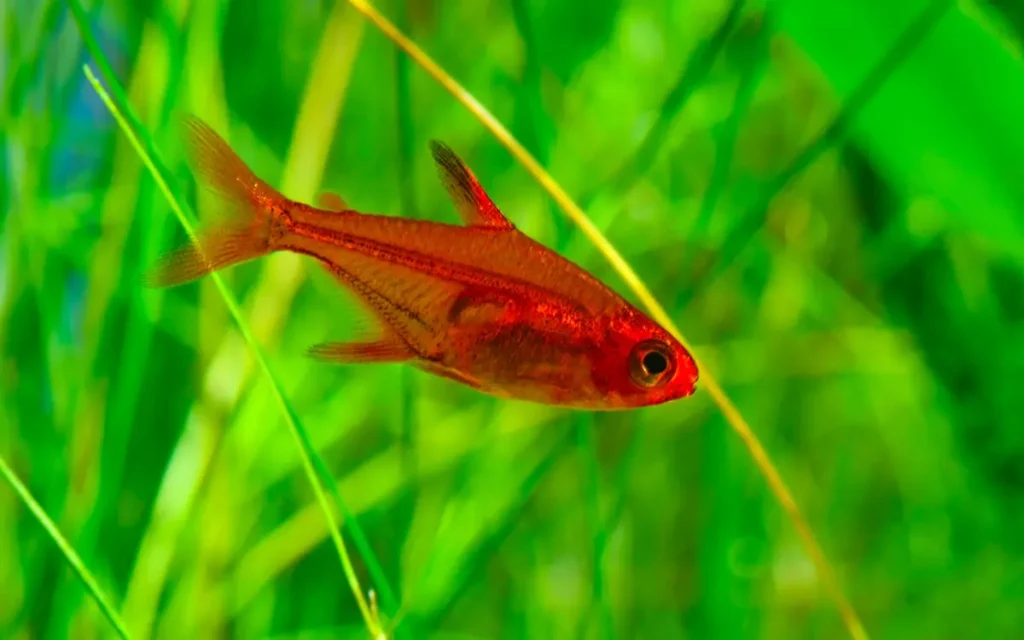
Ember Tetras can work with calm bettas in planted tanks. They are small, peaceful schooling fish that add color without being too active.
Keep them in a group of 8 or more. In small groups, they may become nervous and hide.
There is some risk because they are tiny. A large or aggressive betta may chase them, so use a planted 15 to 20-gallon tank or larger.
5. Neon Tetras
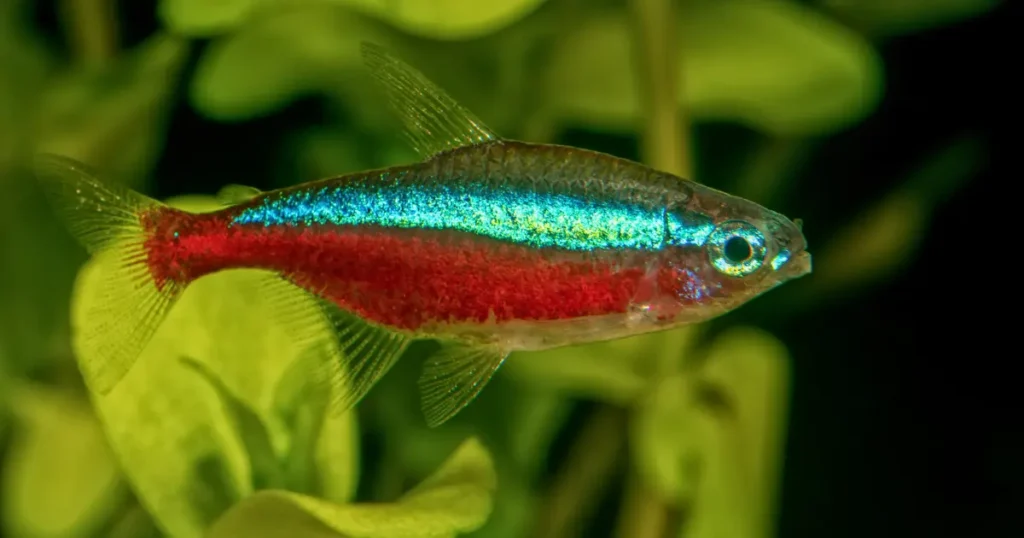
Neon Tetras can live with some bettas, but they are not always the safest choice. They are colorful and active, which can bother certain bettas.
Keep them in a group of at least 6 to 8 in a 20-gallon tank or larger. A small group may nip fins or act stressed.
If your betta is aggressive, avoid Neon Tetras and choose Harlequin Rasboras instead.instead.
6. Mystery Snails
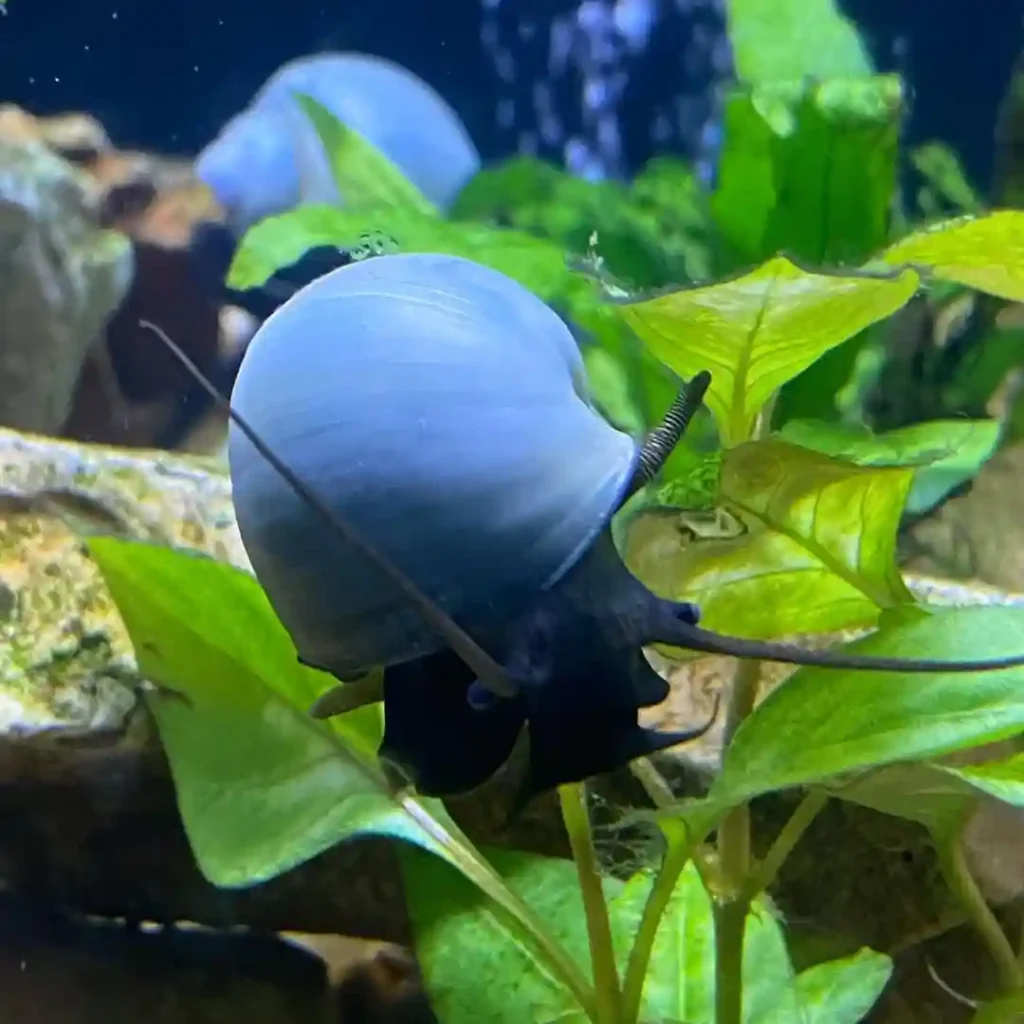
Mystery Snails are one of the easiest tank mates for bettas. They move slowly, stay on surfaces, and do not compete for swimming space.
They help eat leftover food and soft algae, but they still add waste to the tank. Do not overstock them in a small aquarium.
Some bettas may nip at snail antennae. If that happens often, move the snail to another tank.
7. Nerite Snails
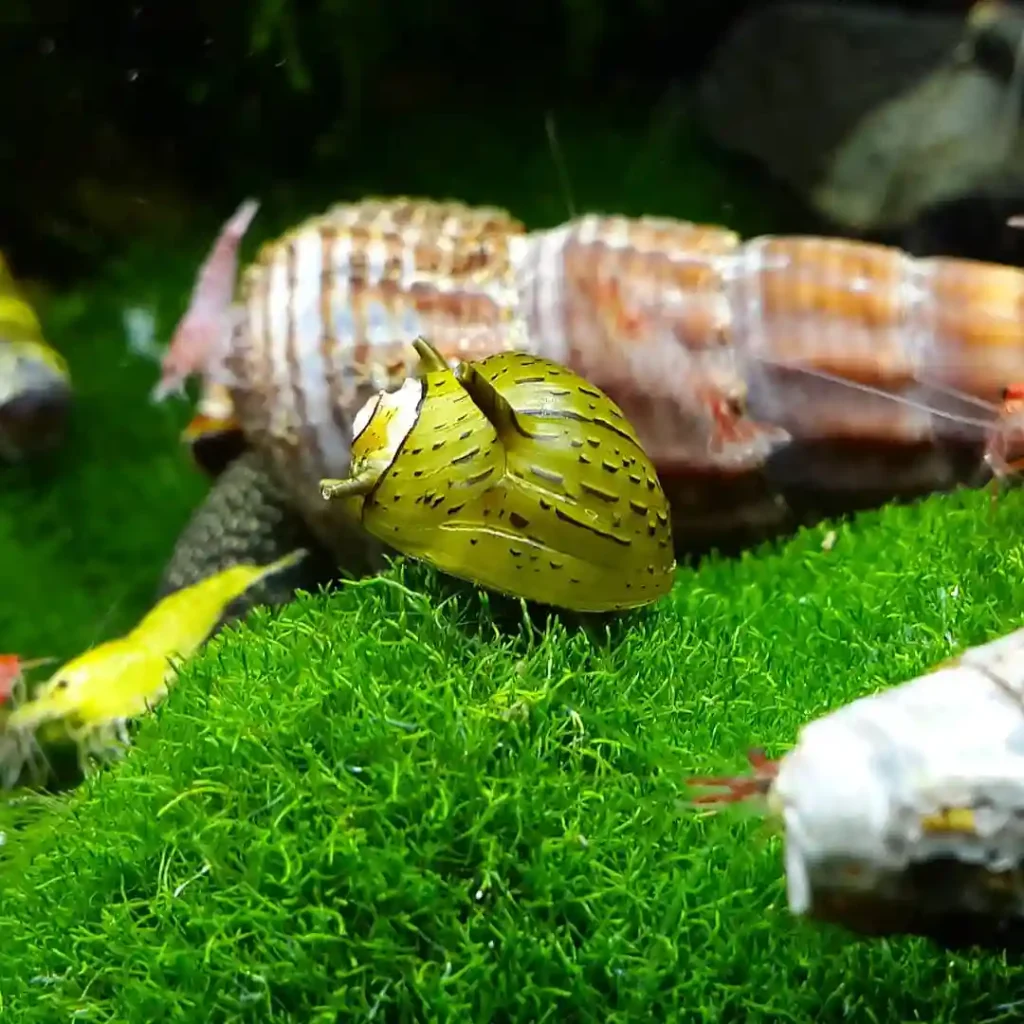
Nerite Snails are a great choice for betta tanks because they are peaceful and good at eating algae.
They also do not overrun freshwater tanks because their eggs do not hatch in normal freshwater conditions.
Keep the water stable and provide enough minerals for shell health. If the shell starts looking weak or pitted, check water quality and hardness.
8. Amano Shrimp
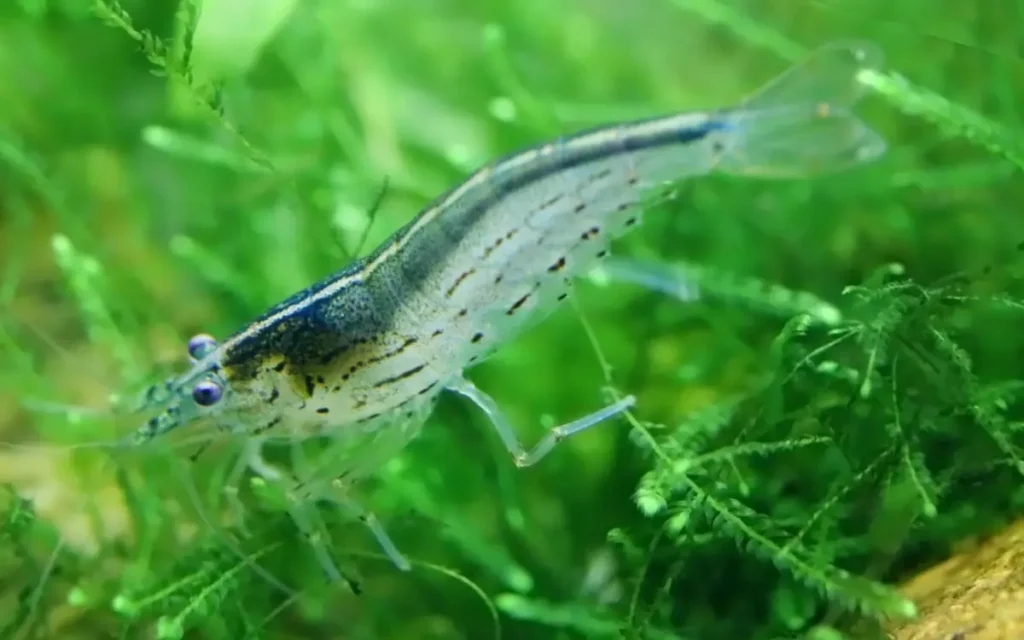
Amano Shrimp are safer than many small shrimp because they grow larger and move quickly. They are good at eating algae and leftover food.
They still need hiding places. Dense plants, moss, driftwood, and caves give them safer spots when the betta is curious.
Add shrimp carefully and watch the tank. Some bettas ignore shrimp, while others hunt them.
9. Ghost Shrimp

Ghost Shrimp are cheap and easy to find, but they are risky with bettas. Some bettas ignore them, while others eat them quickly.
They work best in planted tanks with lots of hiding places. Do not add them if you will be upset about losing a few.
Ghost Shrimp are better as a test option than as a guaranteed long-term tank mate.
10. African Dwarf Frogs
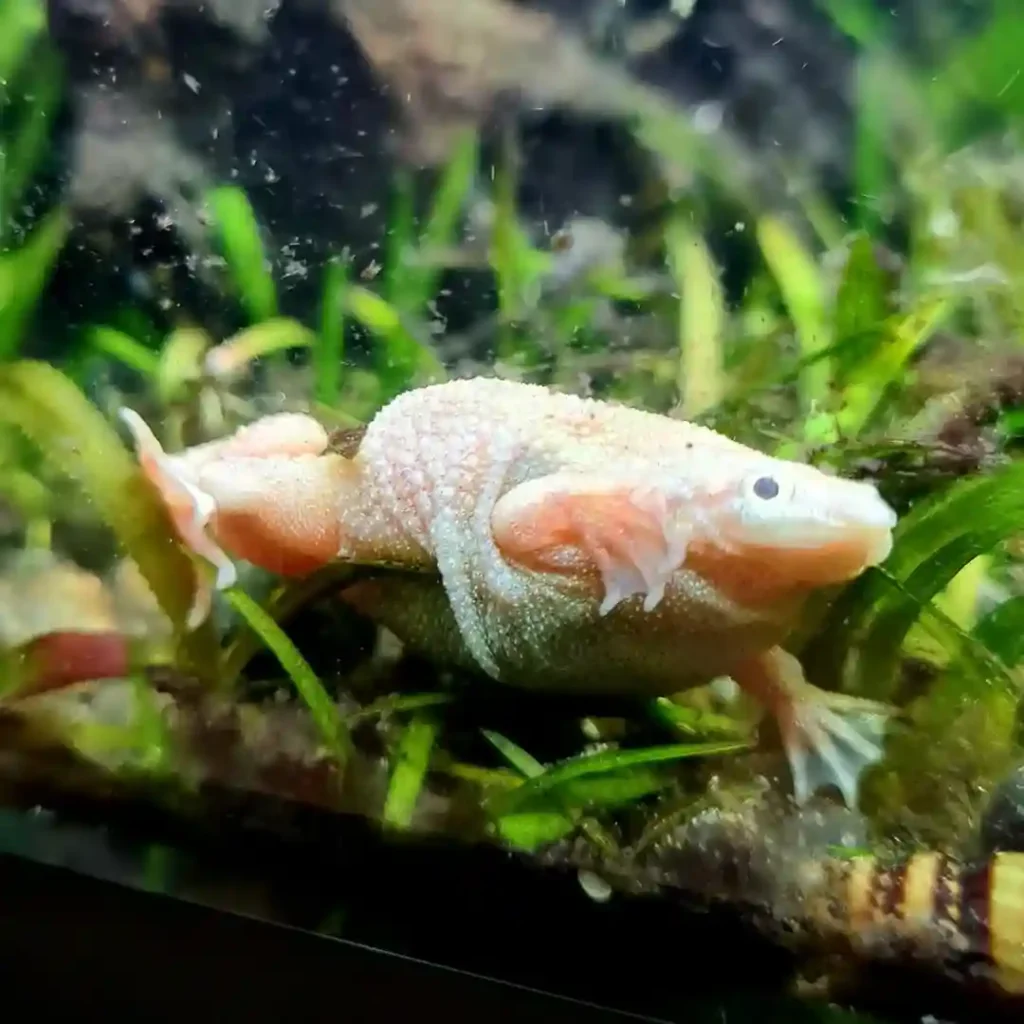
African Dwarf Frogs can live with bettas, but they need extra care. They are peaceful and stay near the bottom, but they are slow feeders.
The main problem is feeding. Bettas may eat the frog’s food before the frog finds it.
Only choose African Dwarf Frogs, not African Clawed Frogs. African Clawed Frogs grow larger and can harm fish.
Tank Mates to Avoid With Betta Fish
Some fish should not be kept with bettas because they cause stress, fin damage, or fights.
Fin-Nipping Fish
Avoid Tiger Barbs, Serpae Tetras, and many fast barbs. These fish may nip the betta’s fins and cause injury.
Even small fin damage can lead to stress or infection if the water is not clean.
Long-Finned or Flashy Fish
Avoid male guppies, fancy guppies, and other long-finned fish that look like a rival.
Bettas may mistake them for another betta and chase or attack them.
Aggressive Fish
Avoid cichlids, paradise fish, crayfish, and other territorial species.
These animals may injure your betta or stress it every day.
Very Fast Swimmers
Avoid extremely active fish in small tanks. Fast swimmers can make a betta feel stressed because bettas prefer calmer water and slower movement.
Beginner Mistakes to Avoid
The biggest mistake is adding tank mates to a small tank. A 5-gallon tank is usually best for one betta only. For tank mates, use at least 10 gallons, and choose 15 to 20 gallons when possible.
Another mistake is adding too many fish at once. Add one group first, then watch behavior for a week or two.
Do not choose fish only because they look pretty. Bright colors, long fins, and fast movement can trigger aggression.
Do not skip quarantine. New fish can bring disease into the tank, even when they look healthy at the store.
Do not ignore your betta’s personality. Some bettas are calm, while others need to live alone.
Safety and Warning Section
Never keep two male bettas together. They will usually fight and may seriously injure each other.
Do not keep a betta with fin-nipping fish. Torn fins can lead to stress, infection, and poor health.
Do not keep shrimp with a betta unless you accept the risk. Even peaceful bettas may hunt small shrimp.
Do not add tank mates without a backup plan. If your betta keeps chasing, biting, or blocking food, move the tank mates or the betta to another setup.
Do not overstock the tank. More fish means more waste, more stress, and more water quality problems.
FAQ
Can betta fish live with other fish?
Yes, betta fish can live with other fish, but only with careful tank mate selection. Choose peaceful fish that do not nip fins or look like another betta. A 10-gallon tank is the minimum for tank mates, while 15 to 20 gallons is safer.
What fish can live with betta fish?
Good fish that can live with bettas include Corydoras catfish, Kuhli Loaches, Harlequin Rasboras, Ember Tetras, and some Neon Tetras in larger tanks. Snails and Amano Shrimp can also work, but each betta has a different personality.
Can betta fish live with shrimp?
Sometimes, but shrimp are risky. Amano Shrimp are safer because they are larger, while Ghost Shrimp and Cherry Shrimp may be eaten. Use a planted tank with lots of hiding places if you want to try shrimp.
Can betta fish live with snails?
Yes, snails are usually safe with bettas. Mystery Snails and Nerite Snails are two of the best choices. Some bettas may nip snail antennae, so watch them after introduction.
Can female bettas live with other fish?
Yes, female bettas can often live with peaceful tank mates. They are usually less aggressive than males, but they can still be territorial. Watch their behavior and avoid fin-nipping or aggressive fish.
Can bettas live with other bettas?
Male bettas should not live with other male bettas. They will usually fight. Female betta groups can sometimes work in large tanks, but they are not ideal for beginners and need careful monitoring.
How do I introduce tank mates to a betta?
Add tank mates slowly. Quarantine new fish first, rearrange plants or decorations before adding them, dim the lights, and watch the tank closely for chasing or biting. Keep a backup tank or divider ready.
What should I do if my betta attacks tank mates?
If your betta attacks tank mates, add more plants and hiding places first. If the aggression continues, separate the fish. Some bettas are not suitable for community tanks and should live alone.
How many tank mates can I add with my betta?
It depends on tank size, filter strength, and the type of fish. In a 10-gallon tank, keep it very light with snails or a small bottom-dweller setup. In 15 to 20 gallons, you have more options, but do not overcrowd the tank.
