A quarantine tank is your best line of defense against diseases in your aquarium. It’s a simple, separate setup where you can monitor and treat new or sick fish before they join your main tank. Whether you’re dealing with a sick guppy or introducing new cichlids, having a quarantine tank can save your entire fish community.
In this guide, we’ll walk you through how to set one up from scratch, what equipment to use, how long to quarantine, and how to do it on a budget perfect for both freshwater and saltwater fish keepers.
What Is a Quarantine Tank and Why Do You Need One?
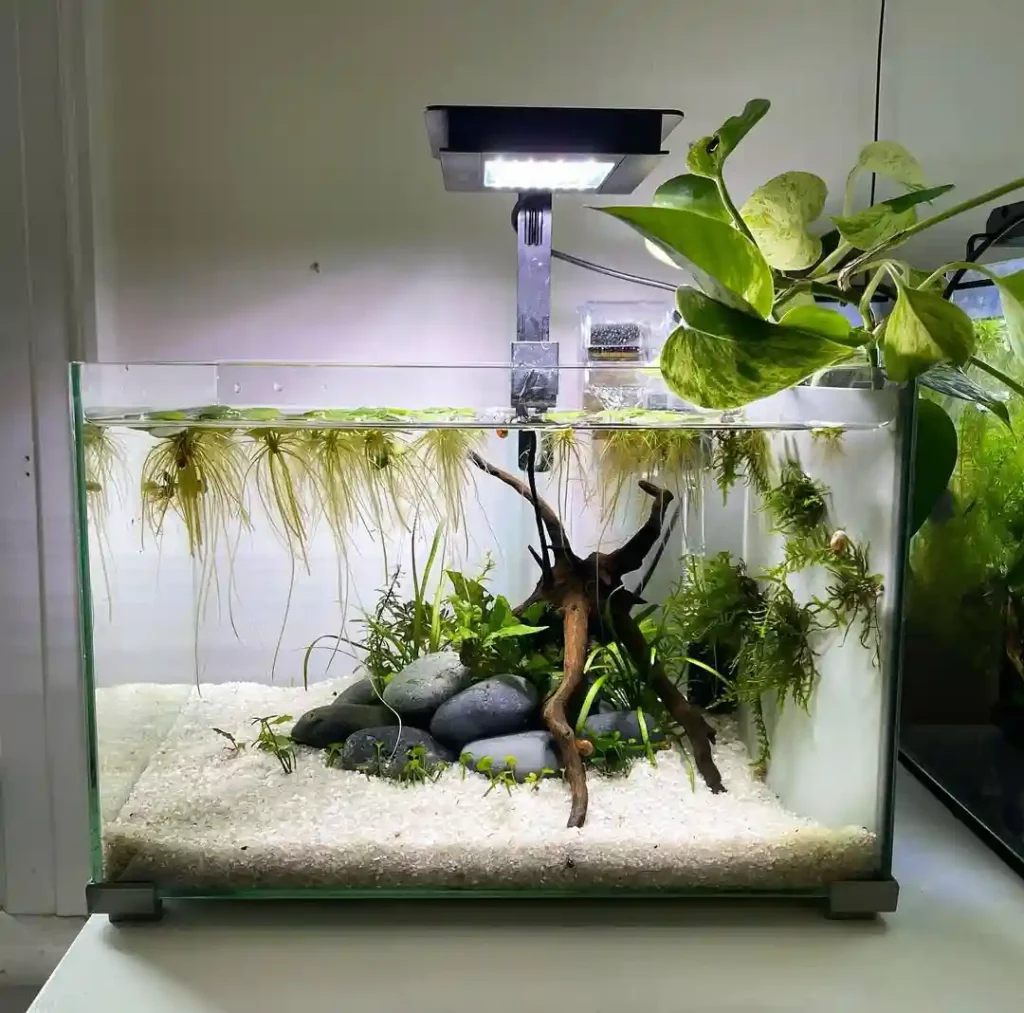
A quarantine tank (QT) is a small, bare-bottom aquarium used to observe, treat, or isolate fish before they enter your main display tank.
Why It’s Important:
- Prevents disease from spreading to healthy fish
- Allows observation for signs of stress, parasites, or infection
- Makes treatment easier without medicating your entire tank
- Great for monitoring new arrivals or recovering fish
💡Tip: Even healthy-looking fish from pet stores can carry internal parasites or ich. Quarantining gives you time to catch it early.
Quarantine vs Hospital Tank:
- Quarantine Tank: For new fish observation, not always medicated.
- Hospital Tank: Used to actively treat sick fish with medication.
Best Quarantine Tank Size and Setup Location
Recommended Tank Size:
- 5 gallons for nano fish like bettas or rasboras
- 10–20 gallons for most freshwater community fish
- 20–40 gallons for large or saltwater fish
Where to Place It:
- Avoid direct sunlight and cold spots
- Near an outlet for heater and filter
- In a quiet area to minimize fish stress
Quarantine Tank Equipment List
You don’t need a full aquascaped tank. Keep it simple and easy to clean.
| Equipment | Purpose |
| Glass/plastic tank (or tote) | Holds fish safely |
| Sponge filter + air pump | Gentle filtration safe for meds |
| Aquarium heater | Maintains steady temperature |
| Thermometer | Monitors heat levels |
| Lid or mesh cover | Prevents jumping |
| Hiding spots | PVC pipe, plastic plants, caves |
💡Tip: No gravel or substrate makes it easier to clean and observe poop or parasites.
DIY Quarantine Tank Setup (On a Budget)
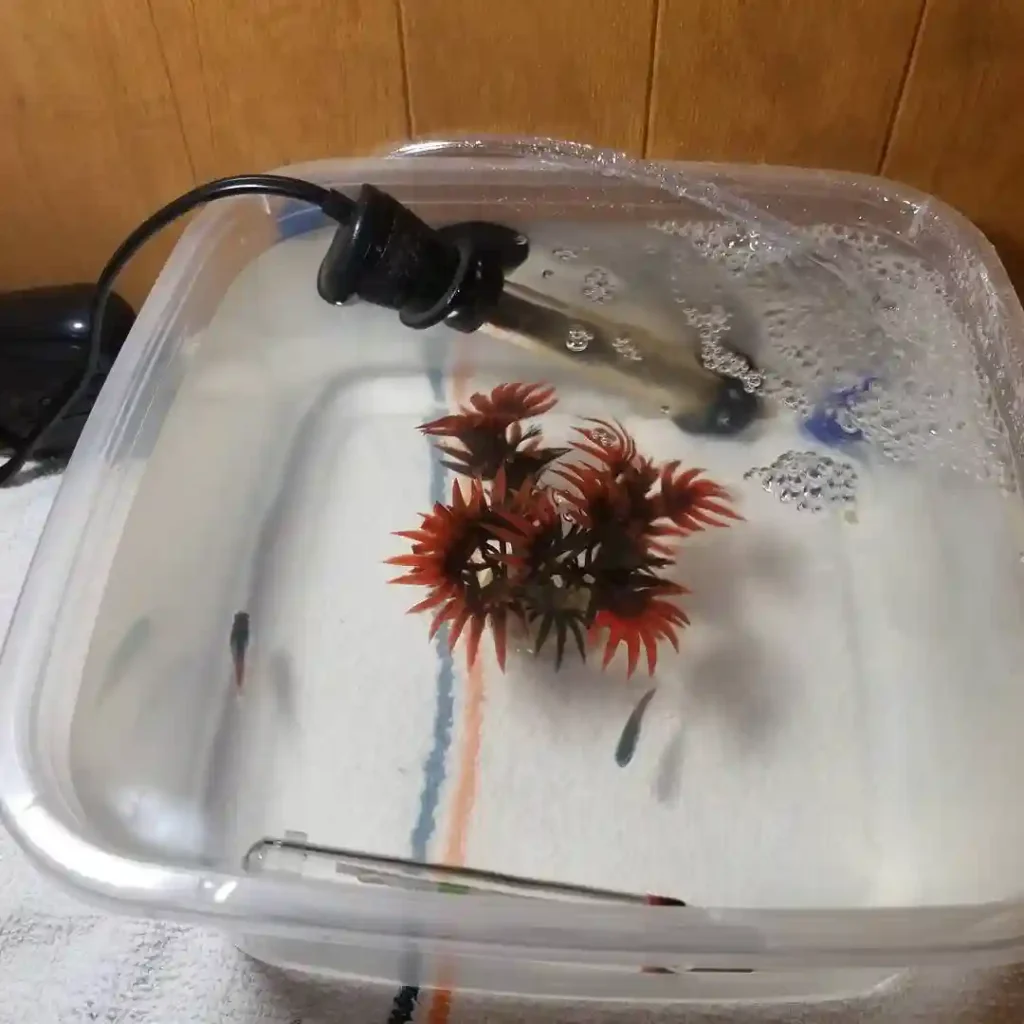
You can easily build a QT without spending much. Here’s what you’ll need:
- Clean plastic tote (with lid)
- Sponge filter and air pump
- Dechlorinated tap water
- Optional: seeded media from your main tank filter to instantly cycle
🔗 For help cycling a tank, check our Freshwater Aquarium Setup Guide
Step-by-Step: Setting Up a Freshwater Quarantine Tank
- Rinse equipment with warm water (no soap)
- Add dechlorinated water
- Install sponge filter and heater
- Place hiding spots (PVC pipes or decor)
- Cover the tank with a lid
- Cycle the tank using bottled bacteria or used sponge filter
Don’t skip cycling—it prevents ammonia spikes that harm fish.
How Long Should You Quarantine New Fish?
- Minimum: 14 days for healthy-looking fish
- Recommended: 21–28 days to catch slower-developing issues
- Watch for signs: flashing, fin rot, clamped fins, or odd swimming
Should You Use Medications in a Quarantine Tank?
This depends on your fish source and personal choice.
Two Common Approaches:
- Observe only – Treat only if symptoms show
- Preventative meds – Use broad-spectrum treatment right away
Common Medications:
- Ich-X – Fights external parasites like ich
- Paracleanse – Treats internal worms and protozoa
- Maracyn – Broad-spectrum antibiotic
💡 Only use one medication at a time unless instructed otherwise.
For a list of beginner-friendly fish to quarantine, check our Easiest Fish to Take Care of post.
How to Quarantine Fish Without a Tank
No spare tank? You can still quarantine temporarily using:
- A clean storage bin with a lid
- Treated or aged water
- Sponge filter or airstone
- Daily water changes (25–50%)
This is only safe for short-term use (3–5 days max) unless monitored closely.
Saltwater Quarantine Tank Setup Tips
Saltwater fish can be more sensitive, so use extra care.
- Use RO/DI water + marine salt
- Keep salinity stable and match your display tank
- Use PVC pipe for hiding—skip live rock (it absorbs meds)
- Use a sponge filter and heater
If you’re keeping saltwater fish like the Royal Gramma, read our Royal Gramma 101 Guide
Maintenance During Quarantine
Daily Tasks:
- Check temperature
- Feed lightly, observe eating
- Remove uneaten food
- Watch for any signs of disease
Weekly Tasks:
- 20–30% water change
- Test ammonia, nitrite, nitrate
- Gently rinse sponge filter in tank water
How to End Quarantine Safely
After 2–4 weeks with no signs of disease:
- Make sure the fish is eating, swimming, and active
- Drip acclimate or float the bag in your main tank
- Do not add quarantine tank water to your display tank
Planning a peaceful community tank? Check out Best Geophagus Tank Mates or Cherry Shrimp Tank Mates for pairing ideas.
Frequently Asked Questions
Can I reuse a quarantine tank?
Yes, but always disinfect it between uses—especially if treating disease.
Do I need to cycle the quarantine tank?
Yes. Use seeded sponge filters or bottled bacteria to jumpstart the cycle.
Can I add live plants?
It’s not recommended if you plan to use medication. Plastic hides work better.
What filter should I use?
Sponge filters are best. They’re cheap, safe, and don’t interfere with meds.
Can fish live in a QT long-term?
Only temporarily. If needed long-term, upgrade to a fully cycled, larger tank.
Final Thoughts
Setting up a quarantine tank is one of the smartest things you can do as a fishkeeper. It’s simple, affordable, and can protect your entire tank from disaster. Whether you’re using a basic plastic tub or a 20-gallon glass tank, the key is observation, consistency, and patience.