
15 Best Guppy Tank Mates

Guppies are social, colorful, and easy to care for but choosing the wrong tank mates can lead to stress, nipped fins, or worse. In this guide, you’ll discover 15+ peaceful fish, shrimp, and snails that make perfect companions for guppies in community tanks. Whether you’re just starting your aquarium or upgrading your setup, these guppy-friendly species will help you create a balanced and beautiful tank.
What Makes a Good Guppy Tank Mate?
Before adding any fish to a guppy tank, it’s important to understand what makes a good companion. Guppies are peaceful, active, and relatively small — so their ideal tank mates should match that temperament.
Traits of a Good Guppy Tank Mate:
- Peaceful nature – No fin-nipping or aggressive chasing
- Small size – Ideally under 3 inches to prevent bullying
- Tropical water compatibility – Guppies thrive in 72–82°F (22–28°C) with a pH of 6.8–7.8
Non-competitive feeders – Guppies feed at the top, so bottom dwellers or slow eaters make a good match.
Here’s a quick reference table to help you spot ideal traits:
| Trait | Ideal for Guppies? | Why It Matters |
| Peaceful temperament | Yes | Avoid stress and injury |
| Similar or smaller size | Yes | Prevents guppies from being bullied |
| Warm water compatible | Yes | Keeps all fish healthy |
| Fin-nipper species | No | Guppies have delicate tails |
| Territorial behavior | No | Causes anxiety in active guppies |
Choosing compatible species keeps your guppies happy, healthy, and free to show off their color and personality.
Related article: 15 Best Plants for Guppies
15 Best Guppy Tank Mates (With Care Facts)
These tank mates are peaceful, compatible, and thrive in similar water conditions as guppies. Each entry includes care tips so you can build a low-stress, vibrant community tank.
1. Neon Tetras
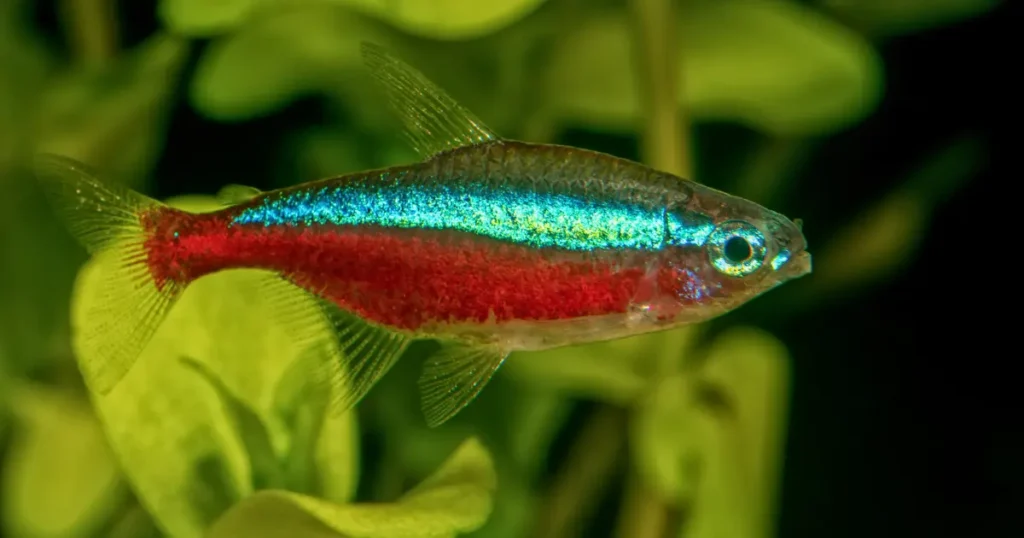
- Size: 1.5 inches
- Temperament: Peaceful, schooling
- Compatibility: Excellent
- Why it works: Neon tetras are small, non-aggressive, and thrive in groups of 6 or more. They prefer the same temperature and pH range as guppies and add a beautiful blue-red contrast to the tank.
- Care Tip: Keep them in schools to reduce stress and bring out their best colors.
2. Corydoras Catfish
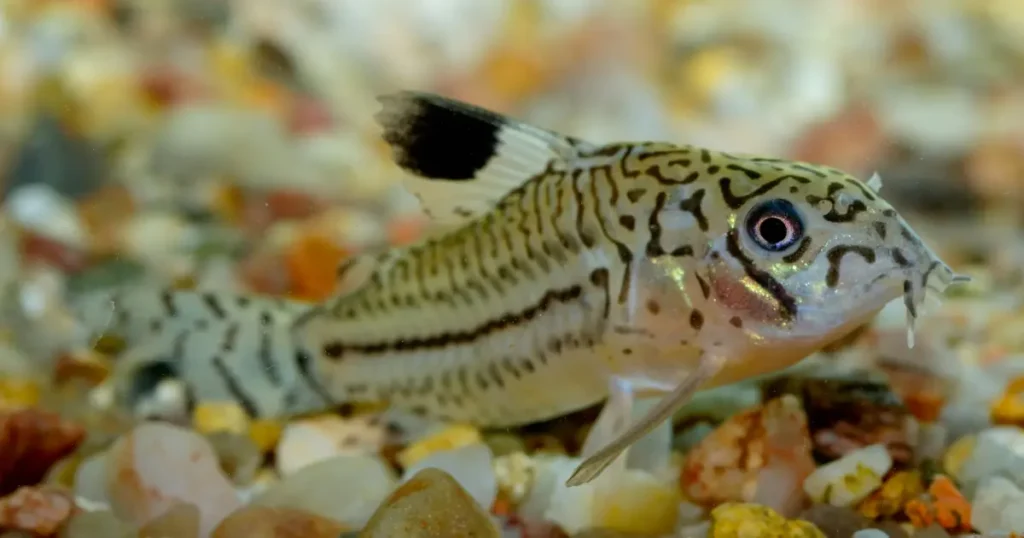
- Size: 2–2.5 inches
- Temperament: Gentle bottom-dweller
- Compatibility: Excellent
- Why it works: Corydoras stay at the bottom of the tank and never bother guppies. They also help clean up uneaten food, which keeps your tank cleaner.
- Care Tip: Keep in groups of 3–6 for social comfort.
3. Mollies
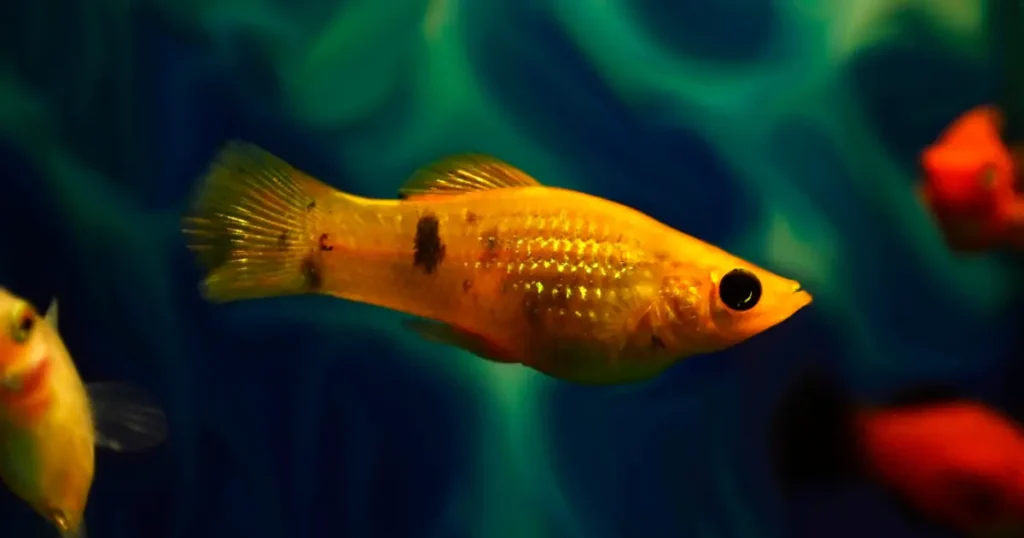
- Size: 3–4 inches
- Temperament: Peaceful but active
- Compatibility: Good
- Why it works: Mollies are livebearers like guppies and enjoy similar water conditions. Their personalities and energy levels are a good match.
- Care Tip: Prefer slightly harder water and a bit of salt can be beneficial (check compatibility first).
4. Platies
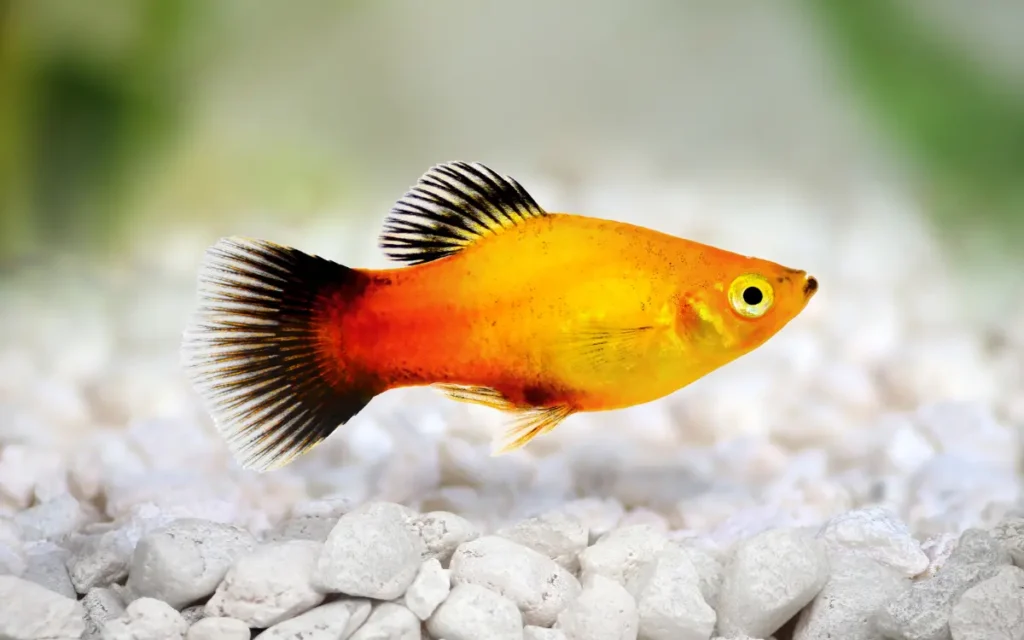
- Size: 2–3 inches
- Temperament: Calm and colorful
- Compatibility: Excellent
- Why it works: Platies are hardy, easy to care for, and peaceful. They add variety and color without stressing guppies.
- Care Tip: Best in groups of 3 or more. Avoid overcrowding.
5. Endler’s Livebearers
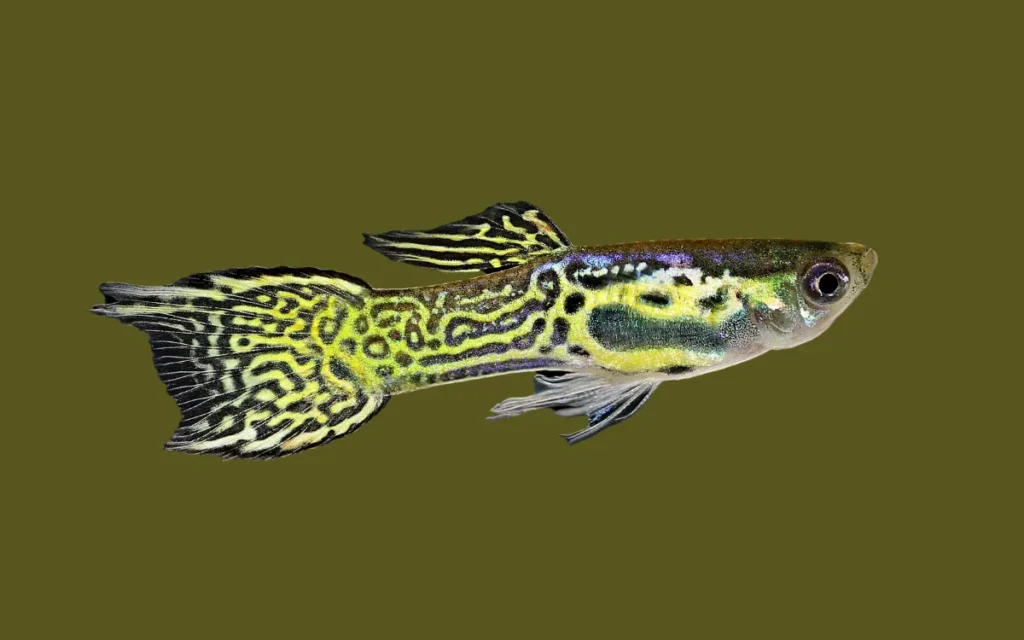
- Size: 1–1.5 inches
- Temperament: Playful and social
- Compatibility: Perfect
- Why it works: Endlers are closely related to guppies and have nearly identical needs. They’re small, vibrant, and peaceful.
- Care Tip: Endlers and guppies can interbreed, so keep only males if you want to avoid fry.
6. Harlequin Rasboras
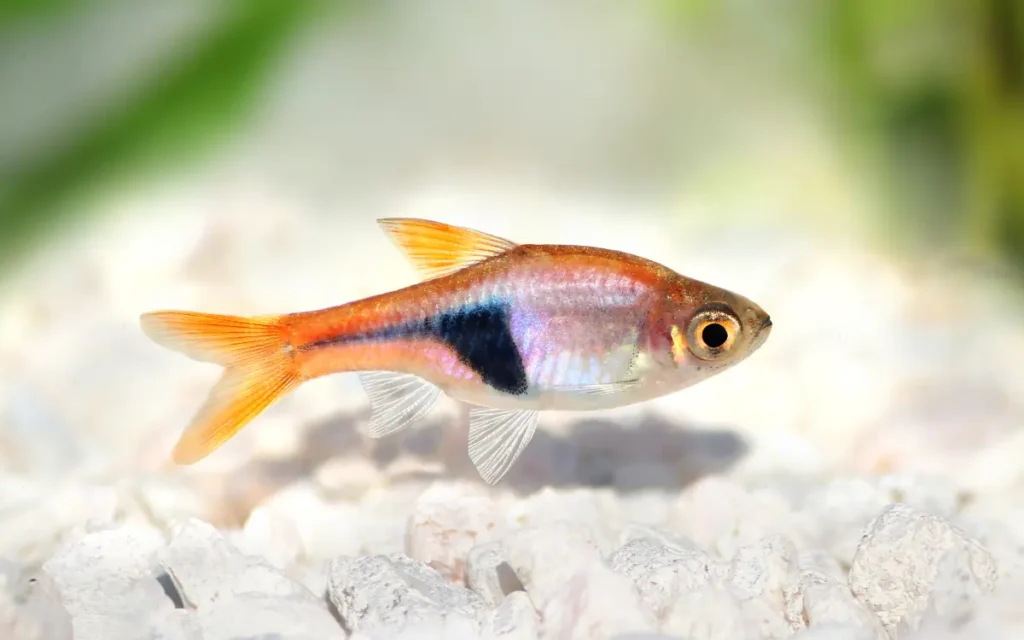
- Size: 2 inches
- Temperament: Calm, schooling fish
- Compatibility: Excellent
- Why it works: Harlequin rasboras are gentle, colorful, and enjoy the same water conditions as guppies. Their schooling behavior adds motion and harmony to the tank.
- Care Tip: Keep at least 6 together for a healthy, active group.
7. Honey Gourami
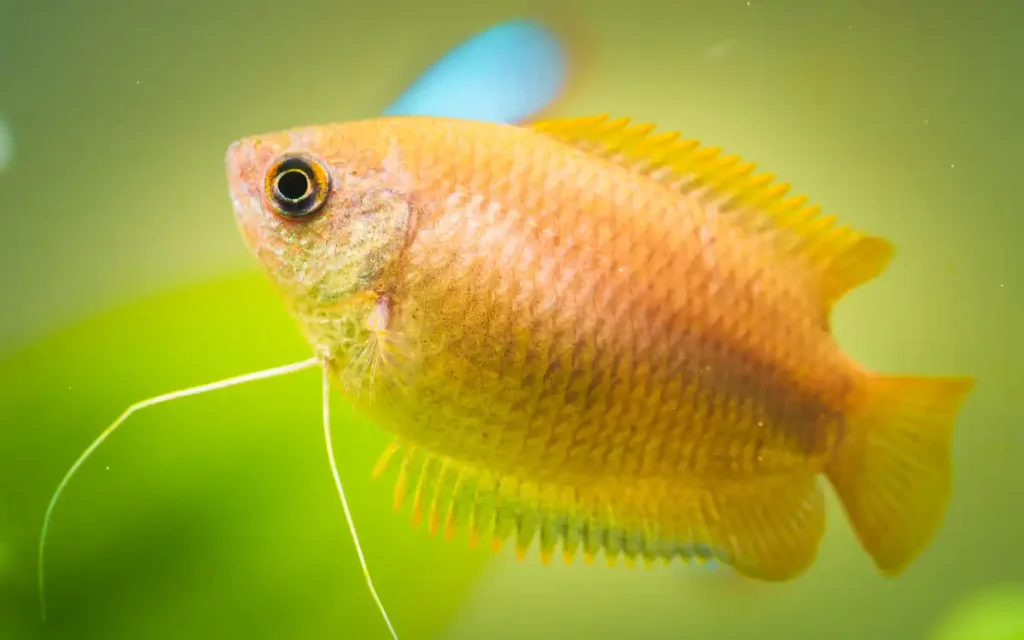
- Size: 2 inches
- Temperament: Peaceful, shy
- Compatibility: Good
- Why it works: These gentle gouramis coexist peacefully with guppies and add a soft yellow-orange hue to the tank. They prefer a calm, planted environment.
- Care Tip: Avoid pairing with aggressive or fin-nipping species.
8. Otocinclus Catfish
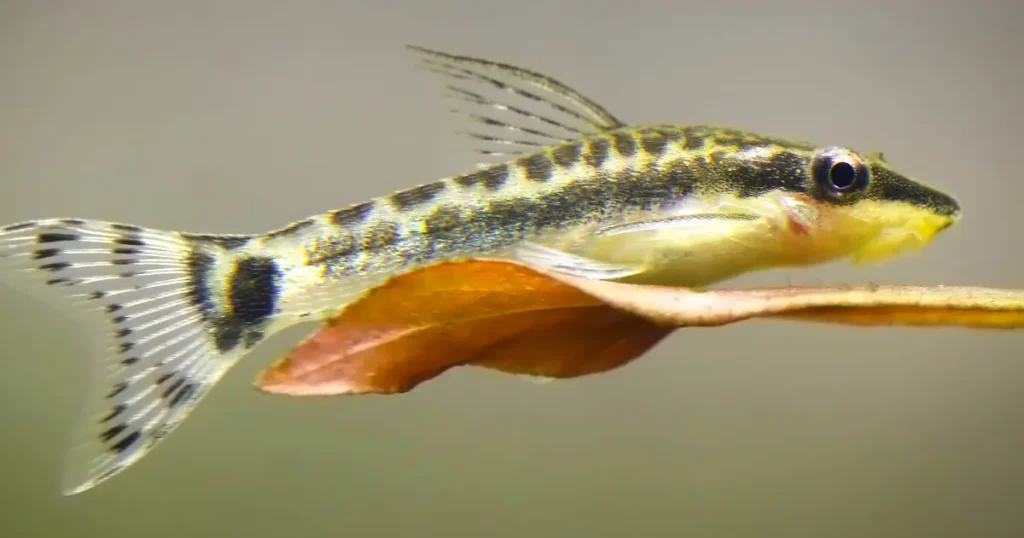
- Size: 1.5 inches
- Temperament: Very peaceful
- Compatibility: Excellent
- Why it works: Otos are tiny algae-eaters that won’t bother guppies. They’re perfect for planted tanks and help with tank cleanliness.
Care Tip: Keep them in groups of 4–6 and ensure a steady algae source or supplement with wafers.
9. Zebra Danios
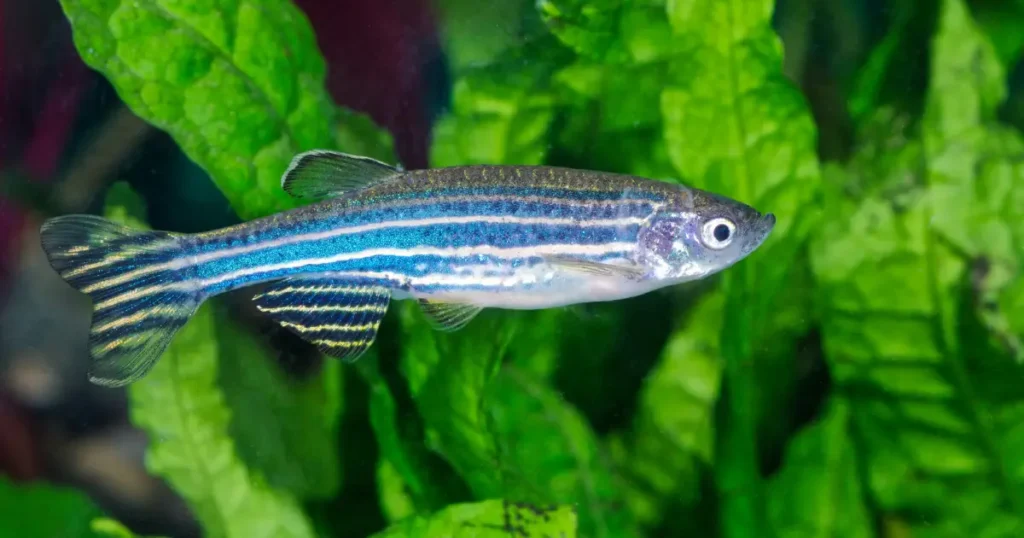
- Size: 2 inches
- Temperament: Active, semi-peaceful
- Compatibility: Moderate
- Why it works: Zebra danios are fast and curious but usually leave guppies alone if kept in a large enough group.
- Care Tip: Keep them in schools of 6+ and provide space — they’re high-energy swimmers.
10. Kuhli Loaches
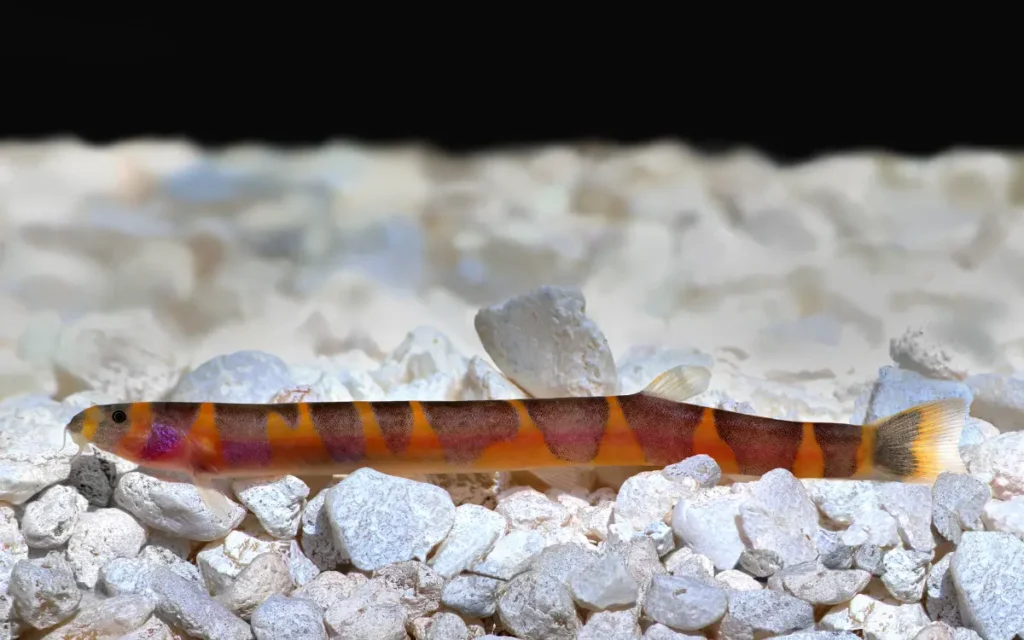
- Size: 3–4 inches
- Temperament: Peaceful, nocturnal
- Compatibility: Good
- Why it works: These eel-like bottom dwellers are shy but helpful. They keep to themselves and clean leftover food without disturbing guppies.
- Care Tip: Provide hiding spots and soft substrate to mimic their natural habitat.
11. Amano Shrimp
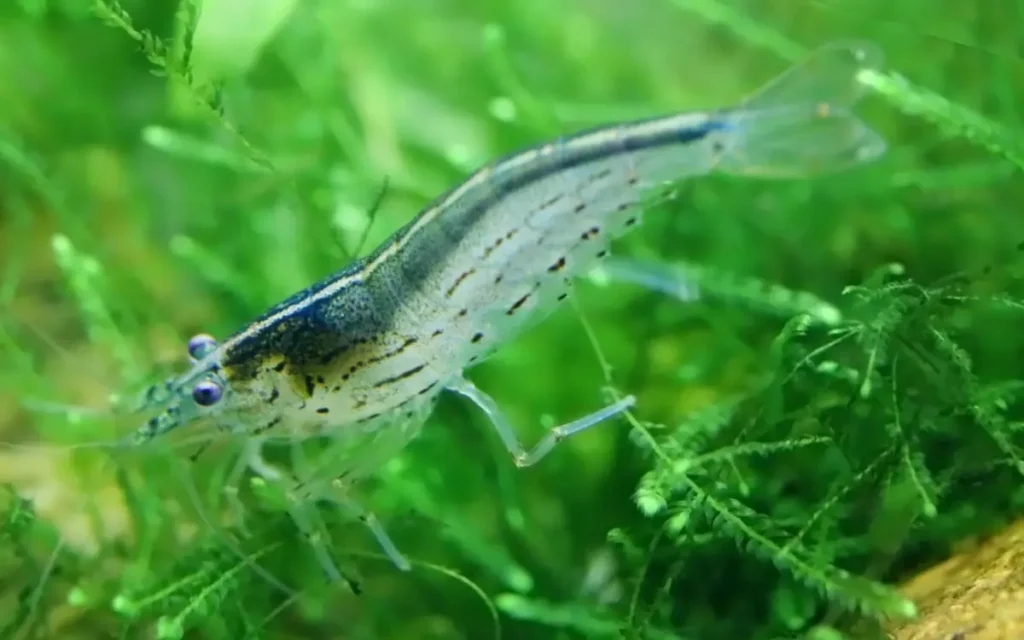
- Size: 2 inches
- Temperament: Peaceful and efficient
- Compatibility: Excellent
- Why it works: Amano shrimp help control algae and won’t harm guppies. They’re active and entertaining to watch.
- Care Tip: Add plenty of hiding places, especially when molting.
12. Nerite Snails
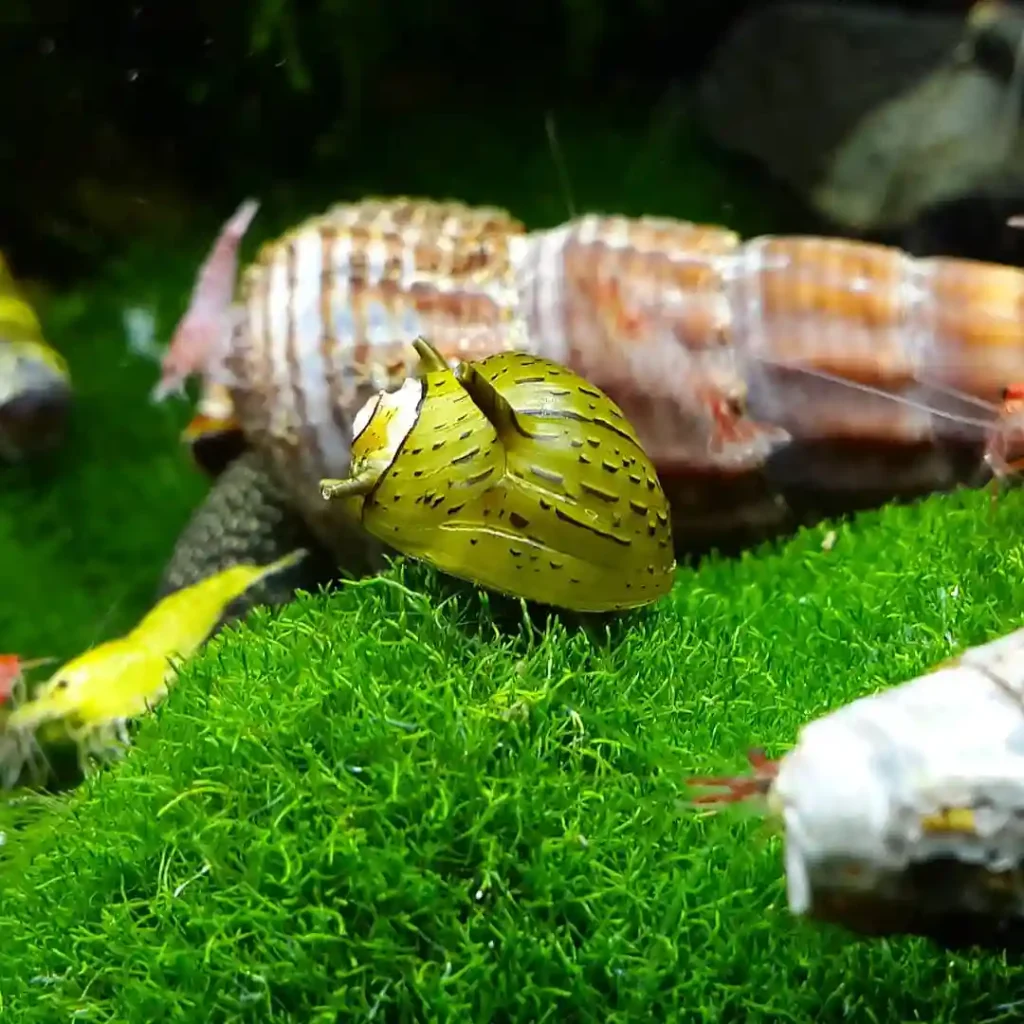
- Size: Up to 1 inch
- Temperament: Non-intrusive
- Compatibility: Perfect
- Why it works: Nerite snails are top-tier algae eaters and pose no threat to guppies or fry. They won’t overpopulate the tank like some snail species.
- Care Tip: They may climb out — use a lid.
13. White Cloud Mountain Minnows
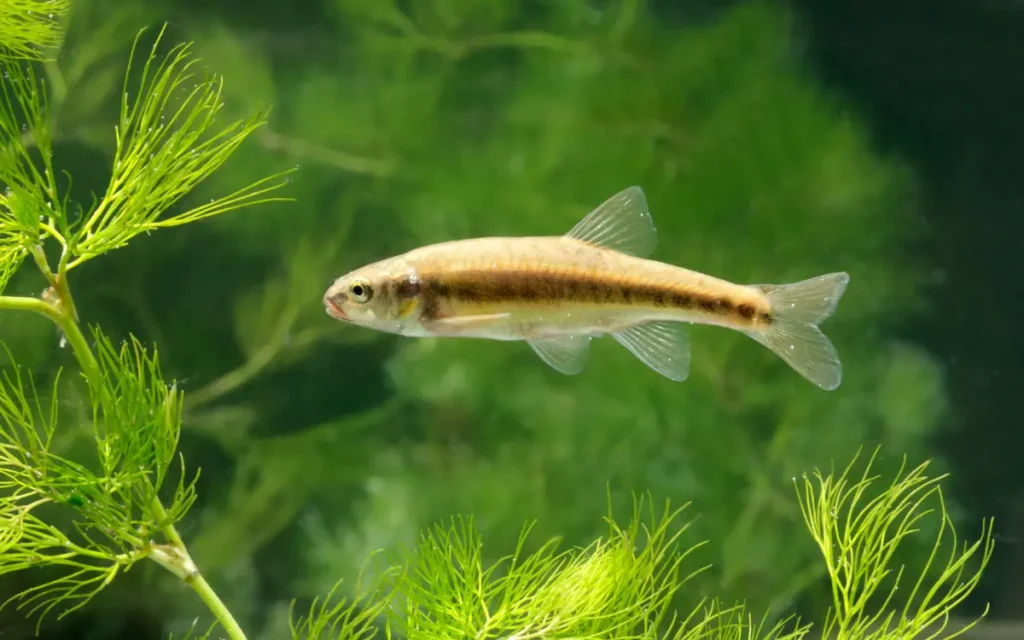
- Size: 1.5 inches
- Temperament: Peaceful
- Compatibility: Moderate
- Why it works: Though they prefer cooler water, they can adapt to warmer guppy tanks. Peaceful and great in groups.
Care Tip: Avoid combining with fin-nippers or much larger fish.
14. Bristlenose Plecos
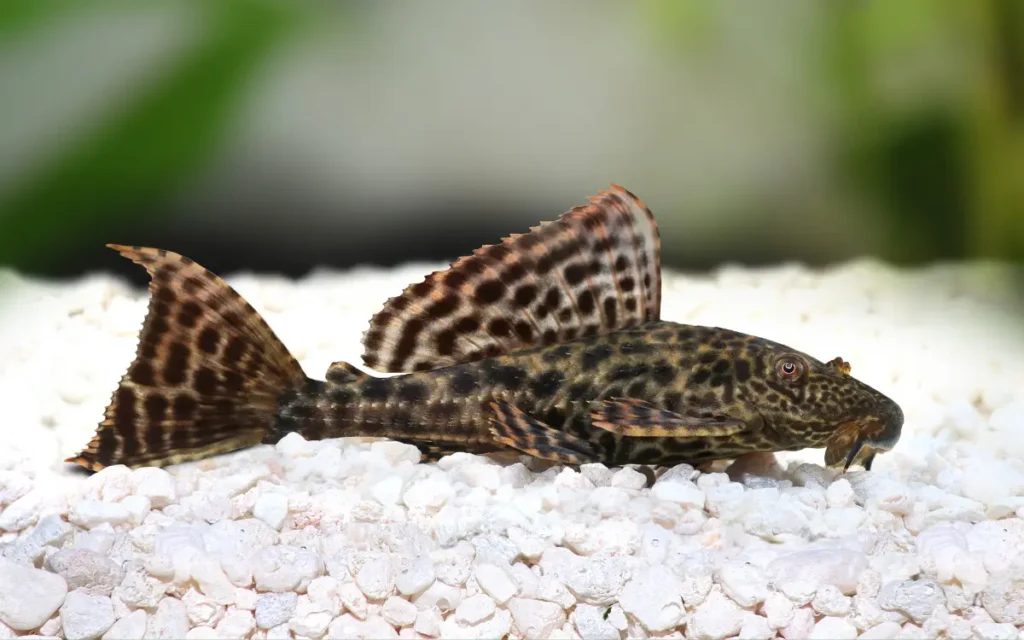
- Size: 4–5 inches
- Temperament: Gentle bottom-feeders
- Compatibility: Good
- Why it works: Bristlenose plecos clean algae and don’t interact much with guppies. They’re hardy and helpful in mid-size tanks.
- Care Tip: Provide driftwood and hiding caves.
15. Cherry Shrimp
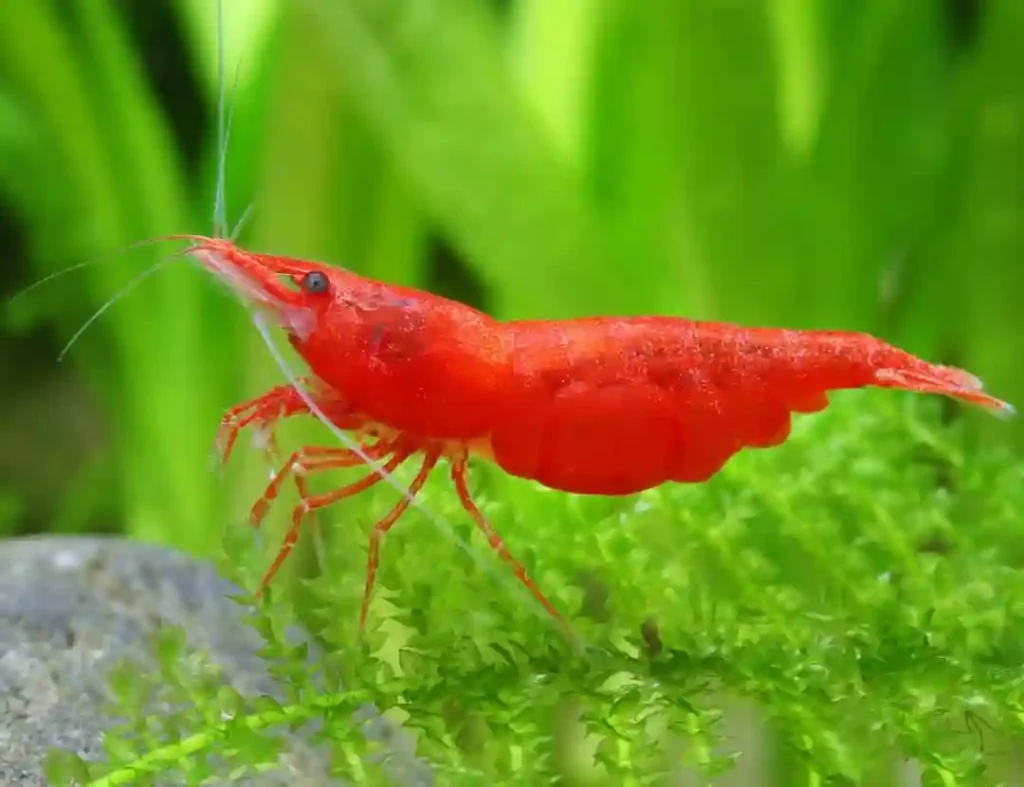
- Size: 1–1.5 inches
- Temperament: Peaceful, colorful
- Compatibility: Good
- Why it works: These bright red shrimp add color and utility by cleaning algae and leftover food.
- Care Tip: Keep plants or moss in the tank for hiding. Guppies may eat very small shrimp fry.
Fish to Avoid Keeping with Guppies
Not every fish is a good match for guppies. While guppies are peaceful and social, some species are too aggressive, too large, or too territorial to share a tank with them. Keeping incompatible fish can lead to fin nipping, stress, disease, or even death.
Here are common fish to avoid pairing with guppies:
Tiger Barbs
- Known for their aggressive behavior and love of fin-nipping
- Guppies’ flowing tails make them a target
Bettas (in most cases)
- Male bettas often mistake guppies for rivals due to their flashy tails
- While some calm females may work, it’s risky overall
Cichlids (Oscars, Jack Dempseys, etc.)
- Too large, territorial, and aggressive
- Guppies will likely be harassed or eaten
Goldfish
- Prefer cooler temperatures
- Produce lots of waste and may outcompete guppies for food
Angelfish (in small tanks)
- Can be fin-nippers as they mature
- May prey on smaller guppies, especially fry
Tip: If you’re ever unsure, research the temperament and adult size of any fish before adding them to a guppy tank.
Can Guppies Live with Shrimp and Snails?
Yes guppies can live peacefully with many types of shrimp and snails, making them great additions to a guppy community tank. These invertebrates not only keep things interesting but also help with algae control and tank cleanliness.
Shrimp That Work Well with Guppies
Amano Shrimp
- Larger and hardy
- Excellent algae eaters
- Guppies leave them alone
Cherry Shrimp
- Bright and colorful
- Peaceful and easy to breed
- Guppies may eat baby shrimp (fry), so use moss or plants for cover
Ghost Shrimp
- Transparent and fast-moving
- Great scavengers
- Inexpensive but can become food in some cases
Tip: Add hiding spots like moss, small caves, or dense plants to protect shrimp — especially during molting or breeding.
Snails That Thrive with Guppies
Nerite Snails
- Eat algae and don’t breed in freshwater
- Small and safe around guppies
- Won’t overpopulate
Mystery Snails
- Come in multiple colors
- Peaceful, large, and active
- May lay eggs above waterline
Bonus: Shrimp and snails don’t compete with guppies for food. In fact, they help clean up leftovers, keeping your tank healthier and clearer.
Setting Up a Peaceful Guppy Community Tank
A successful community tank isn’t just about picking the right fish — it’s also about giving them the right environment to thrive together.
Key Tips for a Guppy Community Tank:
- Tank size: Start with at least 20 gallons for multiple species
- Filtration: Use a gentle filter like a sponge or adjustable flow system
- Plants & decor: Add live plants, hiding spots, and open swimming areas
- Feeding: Choose floating food for guppies and sinking food for bottom dwellers
- Water parameters: Keep temps between 72–82°F and pH between 6.8–7.8
This setup keeps guppies and their tank mates safe, active, and stress-free — while reducing aggression and improving water quality.
FAQs
Can guppies live with angelfish?
Sometimes but it’s risky. Angelfish may see guppies (especially fry or males with large tails) as food. If attempted, use a large tank (30+ gallons) with plenty of hiding spots and avoid pairing small guppies with full-grown angels.
Will guppies eat shrimp or fry?
Yes, guppies may eat baby shrimp or even their own fry. To reduce this, keep the tank well-planted with moss, floating plants, or decor that provides cover.
Are mollies good tank mates for guppies?
Absolutely. Mollies are livebearers like guppies, and they get along well in community tanks. Just be sure your tank is large enough — mollies can grow bigger and need more space.
Can guppies and tetras live together?
Yes — peaceful species like neon tetras and ember tetras are ideal companions. Avoid larger or aggressive tetras like serpae or Buenos Aires tetras.
Do guppies need to be in groups?
Yes. Guppies are social and feel more secure in groups. Keep at least 3–6 together to reduce stress and encourage natural behavior.
