
4 Best Axolotl Tank Mates

Axolotls don’t need friends. In fact, keeping an axolotl alone is usually the safest choice.
Their slow movement, delicate external gills, cool-water needs, and habit of swallowing small animals make community tanks risky. Fish may bite their gills, snails can become lodged in their mouth or digestive tract, and small animals may simply be eaten.
If you still want to keep another animal in the tank, you need to understand the risks before choosing one. This guide examines four commonly considered axolotl tank mates and explains which options are safer, which may become food, and which should be avoided.
Can Axolotls Have Tank Mates?
Axolotls can sometimes share a tank with another similar-sized axolotl or small freshwater shrimp. However, no tank mate is completely risk-free.
Most axolotls are content living alone. They don’t form social groups or become lonely when kept by themselves. Adding another animal mainly benefits the appearance of the aquarium, not the axolotl.
A species-only tank also makes feeding, water-quality control, and health monitoring much easier.
Why Axolotl Community Tanks Are Difficult
Axolotls have several needs that rule out most aquarium animals:
- They need cool water, usually around 60–68°F (16–20°C).
- Their exposed gill filaments can attract fin-nipping fish.
- They catch food by suction and may swallow small tank inhabitants.
- They spend most of their time near the bottom.
- They produce a heavy bioload for their size.
- Fast fish may take food before the axolotl can reach it.
- Fish and invertebrates can introduce parasites or disease.
A tank mate that tolerates cool water may still be unsafe because of its size, behavior, shell, spines, or feeding habits.
Axolotl Tank Mate Comparison
| Possible tank mate | Risk level | Main concern | Recommendation |
| Similar-sized axolotl | Moderate | Biting and accidental breeding | Possible with close supervision |
| Ghost shrimp | Low to moderate | Likely to be eaten | One of the safer non-axolotl options |
| Cherry shrimp | Low to moderate | Adults and babies may be eaten | Possible as prey or cleanup animals |
| White Cloud Mountain Minnows | High | Gill nipping, disease, and swallowing | Better kept separately |
| Snails | High | Choking, impaction, and shell damage | Not recommended |
| Goldfish | Very high | Gill nipping and heavy waste | Avoid |
| Plecos and catfish | Very high | Spines, attachment injuries, and competition | Avoid |
1. Another Similar-Sized Axolotl
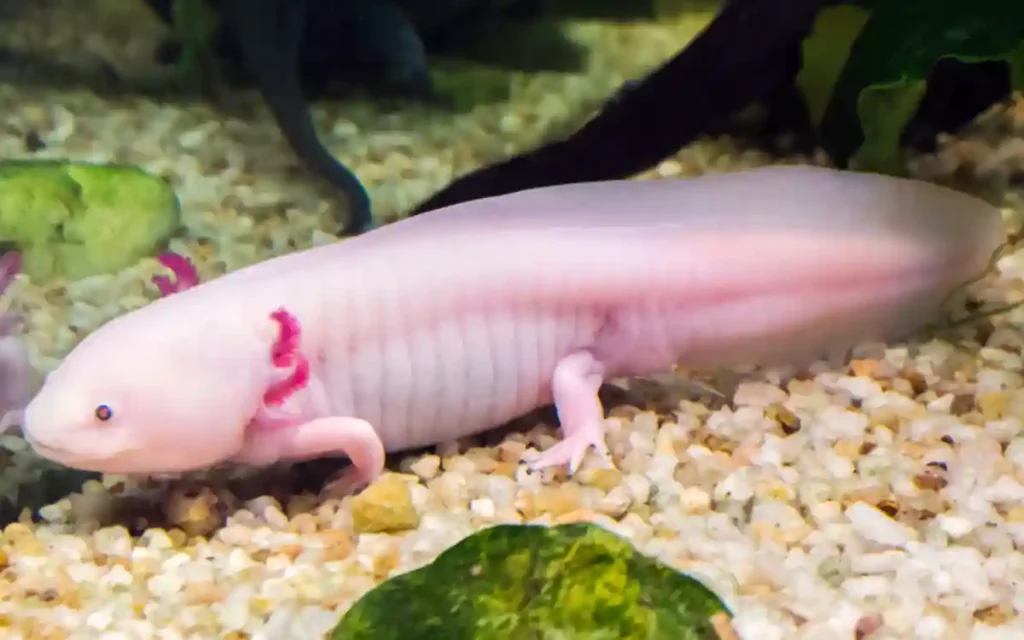
CAnother axolotl is the most reasonable companion, but housing two together still requires planning.
Axolotls sometimes mistake a nearby leg or gill for food, particularly during feeding. A large size difference also creates a serious risk of the smaller animal being bitten or swallowed.
Conditions for Keeping Axolotls Together
Both axolotls should:
- Be close to the same length
- Be large enough that one cannot swallow the other
- Have enough floor space
- Receive food in separate areas
- Have their own hides
- Be monitored for missing gill filaments, toes, or tail damage
Juvenile axolotls are more likely to nip one another and shouldn’t be housed together unless the keeper can watch them carefully.
Keep Axolotls of the Same Sex
A male and female may breed repeatedly. This can place physical strain on the female and leave the owner with hundreds of eggs.
Sex can be difficult to confirm while axolotls are young. If you cannot confidently identify both animals, keep them separately until they mature.
Keeping two males or two females avoids unwanted eggs, though it doesn’t remove the risk of biting.
Tank Size for Two Axolotls
Floor space matters more than tank height because axolotls spend much of their time on the bottom.
A 40-gallon breeder-style tank is a practical starting point for two adults. Its wide footprint gives each animal more room to feed, rest, and use separate hides.
The filter must handle the combined waste without creating a strong current.
2. Ghost Shrimp
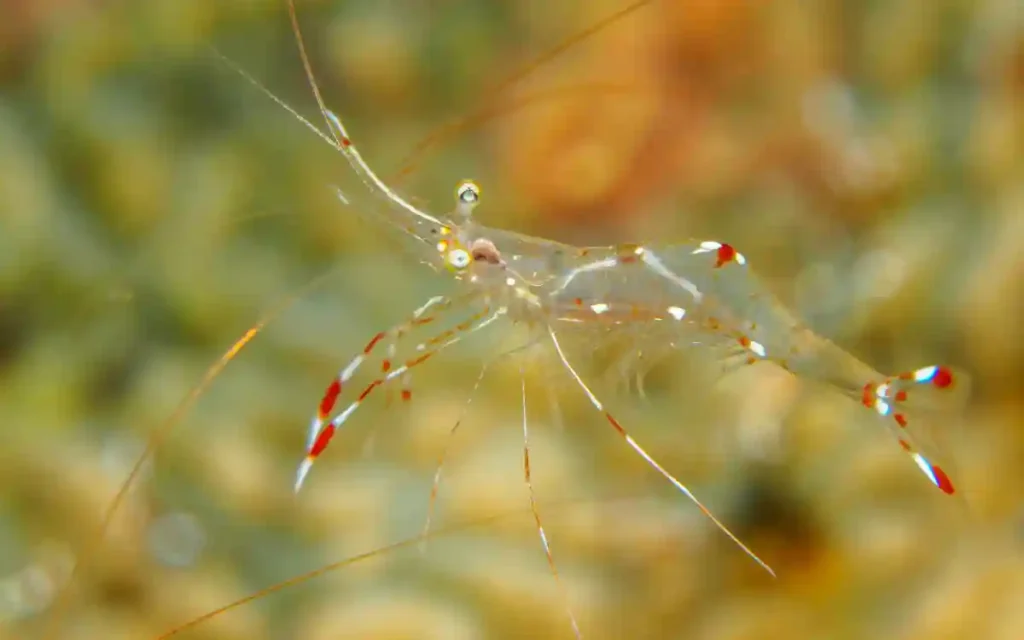
Ghost shrimp are one of the safer animals to place with an adult axolotl. They don’t have a hard shell large enough to become lodged in the axolotl’s mouth, and they’re unlikely to damage its gills.
That doesn’t mean they’ll survive.
An axolotl may hunt and eat ghost shrimp, especially at night. They should be treated as occasional prey rather than permanent companions.
Why Ghost Shrimp May Work
Ghost shrimp:
- Can tolerate the cooler end of common aquarium temperatures
- Have soft bodies that are easier to swallow than snails
- Feed on small food scraps
- Have little ability to injure an adult axolotl
- Can hide among dense plants and decorations
Only use captive-raised shrimp from a trusted source. Wild-caught or poorly maintained feeder shrimp may carry parasites, bacteria, or chemical residue.
Quarantine Before Adding Them
Keep new shrimp in a separate aquarium for at least 30 days. Watch for unexplained deaths, unusual movement, discoloration, or signs of parasites.
Never pour pet-store water into the axolotl aquarium. Transfer the shrimp with a clean net after acclimating them to the tank water.
3. Cherry Shrimp
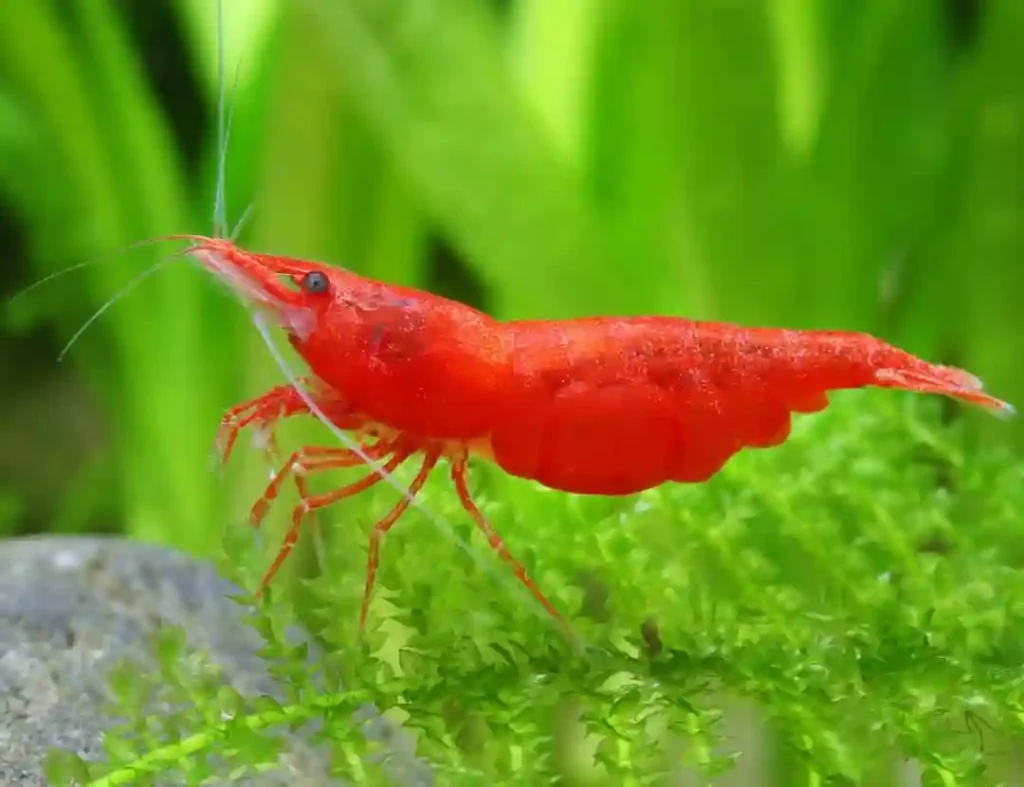
Cherry shrimp can sometimes live in a planted axolotl tank, but they’re small enough to become food.
Dense plant cover may allow part of the colony to survive. Moss, rock gaps, and narrow shrimp hides give them places the axolotl cannot easily enter.
Cherry shrimp should still be viewed as prey or cleanup animals, not reliable lifelong companions.
Possible Benefits
A small shrimp colony may eat:
- Soft algae
- Biofilm
- Tiny pieces of leftover food
- Decaying plant material
Shrimp cannot replace aquarium maintenance. They won’t remove dissolved waste, and adding too many increases the tank’s total bioload.
Our guide to freshwater shrimp explains the care needs of common aquarium shrimp. You can also compare peaceful shrimp companions in our cherry shrimp tank mates article.
Important Precautions
Avoid placing expensive or valued shrimp in an axolotl tank. Even a well-fed axolotl may strike when a shrimp moves close to its face.
Quarantine the shrimp first, and don’t add medications containing copper to a tank that houses shrimp.
4. White Cloud Mountain Minnows
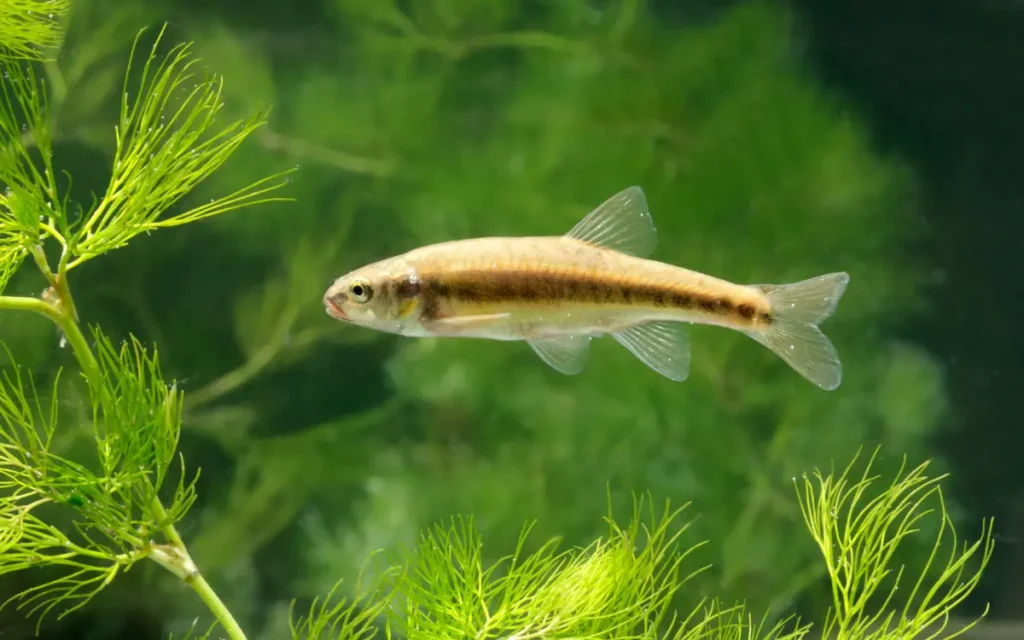
White Cloud Mountain Minnows frequently appear on lists of axolotl tank mates because they tolerate cool water. Temperature compatibility alone doesn’t make them safe.
These minnows may nip exposed gill filaments, compete for food, introduce disease, or become lodged in an axolotl’s mouth. An axolotl may also eat them.
Fish can carry parasites without showing immediate symptoms. Treating an amphibian after exposure is harder because some medications commonly used for fish can harm axolotls.
Why Some Keepers Still Try Them
White Cloud Mountain Minnows:
- Tolerate cooler water than many tropical fish
- Usually swim in the middle and upper areas
- Are generally peaceful with other fish
- Are small enough for large aquariums
These qualities make them suitable for cool-water fish communities, but not automatically for axolotls.
Can Snails Live With Axolotls?
Snails are often recommended as cleanup animals, but they aren’t safe axolotl companions.
Small snails can be swallowed whole. Their shells may cause choking, mouth injuries, or digestive blockage. Larger snails aren’t automatically safe either. An axolotl may repeatedly bite at the snail, while the snail may crawl over the axolotl and irritate its skin or gills.
Some snails also reproduce quickly and add more waste to the aquarium.
Mystery snails, nerite snails, bladder snails, and ramshorn snails are better kept in separate setups.
Tank Mates Axolotls Should Not Live With
Goldfish
Goldfish tolerate cool water, but they produce a great deal of waste and may bite an axolotl’s gills. Smaller goldfish can be swallowed, while larger ones compete for food and space.
Plecos
Plecos may attach themselves to an axolotl’s body and damage its protective slime coat. Their stiff fin spines can also cause serious injury if an axolotl tries to swallow them.
Corydoras and Other Catfish
Many catfish have sharp or locking spines. If swallowed, these spines can become caught in the axolotl’s mouth or throat.
Loaches
Loaches share the bottom of the tank with axolotls. Their speed, defensive spines, and constant activity create unnecessary risk.
Bettas, Barbs and Cichlids
These fish may bite exposed gills or harass a slow-moving axolotl. Most also need warmer water.
Guppies and Other Tropical Livebearers
Guppies, mollies, and platies generally prefer warmer conditions. Keeping the aquarium warm enough for these fish can expose the axolotl to ongoing heat stress.
Crayfish and Crabs
Crayfish and crabs can grab an axolotl with their claws and cause severe injuries. They should never share the same aquarium.
African Dwarf Frogs
African dwarf frogs have different feeding and temperature needs. They can also introduce pathogens or be swallowed by a larger axolotl.
How to Prepare a Tank for More Than One Axolotl
Use a Wide Aquarium
Choose an aquarium with plenty of bottom area. A tall tank adds water volume, but it doesn’t give bottom-dwelling axolotls much extra usable space.
Provide Several Hides
Each axolotl should have at least one secure hiding place. Suitable options include:
- Smooth aquarium caves
- Wide PVC pipes
- Terracotta pots with sanded edges
- Axolotl-safe artificial plants
- Low-light live plants
Check every decoration for rough edges before placing it in the tank.
Choose a Safe Substrate
A bare bottom is easy to clean, though it may provide limited grip. Very fine sand may be used for healthy adult axolotls when maintained correctly.
Avoid gravel, pebbles, polished stones, and any loose material small enough to enter the mouth.
Keep the Current Gentle
Axolotls don’t like strong water movement. Use a filter that can manage their waste while keeping the flow mild.
A spray bar, sponge filter, or filter baffle can reduce direct current.
| Parameter | Recommended target |
| Temperature | 60–68°F (16–20°C) |
| Ammonia | 0 ppm |
| Nitrite | 0 ppm |
| Nitrate | Preferably below 20 ppm |
| pH | Stable, commonly around 6.5–8.0 |
| Water flow | Gentle |
Test the water regularly with a liquid test kit. A mixed or multi-axolotl tank can accumulate waste more quickly than a single-animal setup.
Never add an axolotl to an uncycled aquarium.
How to Introduce a New Tank Mate
1. Prepare a Backup Tank
Don’t attempt cohabitation unless you already have a separate cycled enclosure or safe temporary setup available.
If biting, bullying, illness, or feeding problems begin, you may need to separate the animals immediately.
2. Quarantine the New Animal
Keep new aquatic animals separate for at least 30 days. Use different nets, siphons, and feeding tools during quarantine to limit cross-contamination.
3. Match Water Conditions Slowly
Acclimate the animal to the aquarium’s temperature and water chemistry. Don’t release transport water into the main tank.
4. Watch Feeding Closely
Feed axolotls at separate ends of the aquarium. Remove leftover food before it breaks down.
Watch for snapping at legs, tails, or gills when food is present.
5. Check Both Animals Daily
Look for:
- Missing or damaged gill filaments
- Bite marks
- Red or irritated skin
- Curled gill stalks
- A tightly curled tail tip
- Refusal to eat
- Repeated hiding
- Unusual floating
- Fast or frantic swimming
Separate the animals if you see an injury or repeated stress behavior.
Do Axolotls Get Lonely?
Axolotls don’t need a companion to feel secure. They don’t develop social relationships in the same way that schooling fish or many mammals do.
A properly maintained tank with hides, suitable food, dim lighting, and stable water conditions gives an axolotl what it needs.
If the aquarium looks empty, add safe plants and hides instead of another animal.
Frequently Asked Questions
What is the safest tank mate for an axolotl?
The safest setup is one axolotl living alone. If cohabitation is attempted, another healthy axolotl of similar size and the same sex is the most reasonable option. Small quarantined shrimp carry less injury risk than fish but will probably be eaten.
Can axolotls live with fish?
Keeping fish with axolotls isn’t recommended. Fish may nip their external gills, compete for food, carry disease, or be swallowed.
Can axolotls live with shrimp?
Ghost shrimp and cherry shrimp may be placed with an adult axolotl after quarantine. They’re unlikely to injure the axolotl, but they may become food.
Can axolotls live with snails?
Snails aren’t recommended. An axolotl may swallow a small snail and suffer choking, mouth damage, or digestive blockage.
Can two axolotls live together?
Two similar-sized adult axolotls may share a large tank if they have enough floor space and separate hides. Keep animals of the same sex together to prevent accidental breeding, and watch closely for biting.
Can baby axolotls live together?
Young axolotls are more prone to nipping and cannibalism. Separate housing is safer, especially when there is a clear difference in size.
Can axolotls live with goldfish?
No. Goldfish produce heavy waste, may damage an axolotl’s gills, and can become dangerous if swallowed.
What should I do if a tank mate injures my axolotl?
Separate the animals immediately and contact a veterinarian experienced with amphibians. Don’t treat the aquarium with fish medication unless the veterinarian confirms it is safe for axolotls.
