
15 Things to Know Before Buying Your First Aquarium

Choose the fish before buying the aquarium. Their adult size, group needs, activity, temperature, and waste output determine how large the tank must be and which equipment you need.
For most freshwater beginners, a 20-gallon-long aquarium is easier to manage than a tiny desktop tank. It offers more stocking choices and changes temperature and water chemistry less rapidly. Just remember that a filled 20-gallon setup can weigh more than 200 pounds.
Buy the aquarium and equipment first, then cycle it before bringing fish home. You’ll need a filter, water conditioner, test kit, thermometer, heater when required, lid, siphon, bucket, food, and a suitable stand. That beautiful aquarium kit on sale may only be the opening payment in your new relationship with wet furniture.
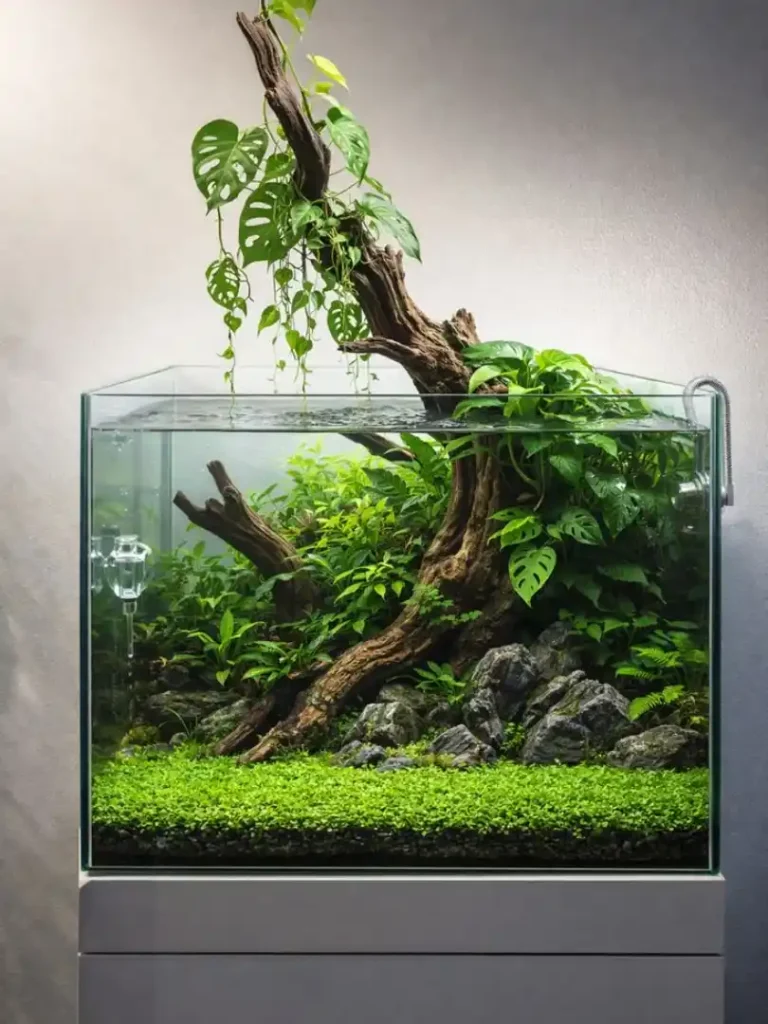
First Aquarium Buying Checklist
Before spending money, confirm these details:
- The fish species you want
- Its adult size and lifespan
- Required group size
- Suitable water temperature
- Freshwater, brackish, or saltwater needs
- Minimum tank dimensions
- Expected filled weight
- Safe location and stand
- Filter and heater requirements
- Access to water and electricity
- Complete equipment budget
- Weekly maintenance time
- Nitrogen cycle plan
- Quarantine space
- Long-term stocking plan
1. Choose Your Fish Before Choosing the Aquarium
Don’t buy a tank and then search for fish that might fit. Decide which species you want first and build the aquarium around their needs.
A betta, a group of zebra danios, a pair of angelfish, and a goldfish require very different tanks. They don’t share the same space, temperature, current, social structure, or filtration needs.
Research the Adult Fish
Store fish are often juveniles. Check:
- Adult length and body height
- Swimming activity
- Waste production
- Required group size
- Territorial behavior
- Temperature range
- Water hardness and pH preference
- Diet
- Average lifespan
- Compatibility with plants and tank mates
A two-inch common pleco won’t remain two inches. A young angelfish becomes tall. A goldfish becomes much larger and messier than the tiny fish sitting in the store tank.
Use the Aquarium Fish by Tank Size Guide to compare suitable choices.
2. A Larger Aquarium Is Often Easier Than a Tiny One
Small aquariums cost less and fit almost anywhere, but they don’t give beginners much room for error.
In a tiny tank, overfeeding, a dead fish, heater trouble, or missed maintenance can change water conditions quickly. A larger volume dilutes waste and usually changes temperature more slowly.
That doesn’t mean you should buy the largest aquarium in the store. Bigger tanks cost more, weigh more, take longer to maintain, and need a secure location.
A Good Starting Size
For many beginners planning a freshwater community, a 20-gallon-long aquarium offers a useful balance. It provides more horizontal swimming room than a tall tank of similar volume and supports more small-fish combinations than a 5- or 10-gallon setup.
A 10-gallon tank can work, but your stocking options become limited. A 5-gallon tank is suitable for only a narrow range of animals and demands careful maintenance.
You shoud know about 25 Aquascaping Myths Beginners Should Ignore
Avoid Buying by Gallons Alone
Fish experience the tank’s dimensions, not the number printed on the box. Long, active swimmers need horizontal space. Tall-bodied fish need enough height and front-to-back room.
Compare the tank’s length, width, and height before purchasing it.
3. The Filled Aquarium Will Be Extremely Heavy
One US gallon of freshwater weighs about 8.3 pounds. The glass, substrate, rocks, wood, equipment, and stand add even more.
Approximate loaded weights can look like this:
| Aquarium size | Water weight alone | Possible complete setup weight |
| 5 gallons | 42 lb | 55–75 lb |
| 10 gallons | 83 lb | 110–140 lb |
| 20 gallons | 167 lb | 220–280 lb |
| 40 gallons | 334 lb | 450–550 lb |
| 55 gallons | 459 lb | 600–700+ lb |
| 75 gallons | 626 lb | 800–1,000+ lb |
These are rough estimates. Thick glass, deep substrate, and heavy rocks can raise the total.
Use a Proper Stand
The stand must support the aquarium’s complete weight without twisting, leaning, or sagging. Check the aquarium manufacturer’s support requirements because rimmed and rimless tanks may need different surfaces.
A normal desk, dresser, folding table, or television unit may look strong while slowly bowing under the load.
Check the Floor
Large tanks may need a structural assessment, especially on upper floors or in older buildings. Renters should also check lease or building rules before buying.
Don’t discover the “no aquariums above 20 gallons” rule after carrying a 75-gallon tank upstairs.
4. Aquarium Placement Affects Fish Health and Maintenance
Choose the permanent location before filling the tank. Moving a filled aquarium can damage its seals, twist the glass, destroy the stand, and create an indoor swimming pool nobody requested.
Pick a Location With:
- A level floor
- A suitable weight-rated stand
- Nearby electrical outlets
- Easy access for water changes
- Room to open the lid
- Space behind the tank for filters and cables
- A clear view without heavy foot traffic
- Stable room temperature
Keep enough space around external filters, hoses, and equipment for maintenance.
Avoid Problem Locations
Don’t place the aquarium in direct sunlight. Sunlight can increase algae growth and cause temperature swings.
Avoid radiators, air-conditioning vents, fireplaces, exterior doors, and other areas where temperature changes quickly.
Keep the tank away from speakers, doors that slam, and places where children or pets may hit the glass.
Think About Water Changes
A distant location makes every bucket feel heavier. Check the route between the aquarium and the nearest tap or drain.
Make sure dripping water won’t damage wood flooring, electronics, books, or furniture.
5. Aquarium Kits Rarely Include Everything
A starter kit may include the tank, lid, light, filter, and heater. You will probably need several more items before fish can live safely inside.
Essential Equipment
- Aquarium
- Suitable stand
- Filter
- Heater when required
- Separate thermometer
- Secure lid
- Water conditioner
- Ammonia test
- Nitrite test
- Nitrate test
- pH test
- Gravel siphon
- Dedicated buckets
- Aquarium-safe algae scraper
- Net or transfer cup
- Timer for the light
- Species-appropriate food
- Substrate and safe shelter
If your looking for kit I highly recommended checkout this: Aquarium kit
Equipment Often Forgotten
A pre-filter sponge protects small fish and fry from filter intakes. A check valve prevents water from travelling backward through air tubing. A power strip helps organize equipment but must stay away from splashes.
Create drip loops in electrical cables so water cannot run directly into an outlet.
A battery-powered air pump is useful during power cuts. Spare water conditioner, a backup thermometer, and a mature spare sponge filter can also rescue a tank when equipment fails.
6. The Tank Price Is Only Part of the Cost
That discounted aquarium can become much less discounted once the filter, stand, heater, substrate, plants, test kit, conditioner, and livestock reach the counter.
Make two budgets: one for setup and another for ongoing care.
One-Time or Occasional Costs
- Aquarium and stand
- Filter and heater
- Lid and light
- Substrate
- Plants and decorations
- Water-testing kit
- Siphon and buckets
- Quarantine setup
- Backup air pump
- Replacement equipment
Ongoing Costs
- Fish food
- Water conditioner
- Electricity
- Replacement filter parts
- Plant fertilizer when needed
- Test reagents
- Medication or veterinary care
- Live or frozen foods
- Additional tanks if fish breed
- Water use
Saltwater aquariums usually add expenses for salt mix, salinity measurement, stronger circulation, suitable lighting, and possibly purified water.
Buy the equipment needed for stable water before buying decorative extras.
7. The Aquarium Must Cycle Before It Is Fully Stocked
A new aquarium doesn’t contain enough nitrifying bacteria to process fish waste. These bacteria need time and an ammonia source to colonize filter media and other surfaces.
During the nitrogen cycle:
- Fish waste and decaying material produce ammonia.
- One group of bacteria processes ammonia into nitrite.
- Another group processes nitrite into nitrate.
- Water changes and plant growth help manage nitrate.
Ammonia and nitrite can harm fish even when the water looks crystal clear. For more info read this Fish Tank Cycling Guide
Don’t Cycle by Calendar Alone
Cycling commonly takes several weeks, but there is no guaranteed finishing day. Temperature, pH, oxygen, filter media, ammonia source, and bacterial seeding affect the timeline.
Use water tests to track progress.
The tank is ready only when its biological filter can process the intended waste source without leaving detectable ammonia or nitrite. The RSPCA advises testing regularly while the biofilter develops and adding fish gradually so bacterial capacity can adjust.
Follow the Fish Tank Cycling Guide before purchasing livestock.
8. You Need to Know What Comes From Your Tap
Tap water differs between cities, neighborhoods, private wells, and seasons. Test it before selecting fish that require special water chemistry.
Useful source-water measurements include:
- pH
- General hardness
- Carbonate hardness
- Nitrate
- Ammonia when chloramine is used
- Temperature
Your water supplier’s report may tell you whether chlorine or chloramine is used.
Always Use the Correct Conditioner
Chlorine and chloramine can harm fish and biological filtration. Chloramine is more persistent than free chlorine, so simply leaving a bucket overnight isn’t a dependable treatment when chloramine is present.
Use an aquarium conditioner labelled for your water supply and follow its dose instructions. The EPA notes that chloramines are toxic to fish and should be removed before water is used in freshwater aquariums.
Don’t Fight Your Tap Water Without a Reason
A beginner will usually have an easier time choosing fish suited to the available water than continually altering pH and hardness.
Chasing one “perfect” pH number with bottled products can create rapid swings. Stable, suitable conditions are safer than constant correction.
9. Different Filters Do Different Jobs
A filter isn’t just a machine that collects dirt. Aquarium filtration has three main parts:
Mechanical Filtration
Sponges, pads, and floss trap uneaten food, fish waste, and other particles. They require cleaning or replacement when clogged.
Biological Filtration
Porous media provides surface area for bacteria involved in the nitrogen cycle. This is the part you don’t want to replace all at once.
Chemical Filtration
Activated carbon, phosphate-removing media, and other products remove certain dissolved substances. Chemical media is useful for particular jobs but isn’t required in every aquarium at all times.
Choose a Filter for the Planned Fish
Large, messy fish require more filtration than lightly stocked nano fish. Long-finned bettas and tiny fry may struggle with powerful current or uncovered intakes.
Compare:
- Rated tank capacity
- Actual media space
- Adjustable flow
- Noise
- Replacement media cost
- Ease of cleaning
- Intake safety
- Access to spare parts
A filter advertised for “up to 20 gallons” may be working at its limit on a heavily stocked 20-gallon tank.
10. A Heater Setting Isn’t a Temperature Reading
A heater may be inaccurate, defective, poorly positioned, or too weak for the room. Always use a separate thermometer.
Choose the temperature around the fish species, not the heater’s default setting.
Not Every Fish Needs Tropical Heat
Bettas, angelfish, gouramis, and many community species need warm, stable water. White cloud minnows and several other temperate species prefer cooler conditions.
Goldfish don’t normally need tropical temperatures, although a stable environment still matters.
Heater Safety
Select a reputable aquarium heater sized for the tank and expected room temperature. Position it where water moves around it.
Unplug the heater before lowering the water during maintenance. Allow it to cool before exposing it to air and follow the manufacturer’s instructions before plugging it back in.
A heater left running above the waterline can crack or overheat.
11. A Lid Is More Important Than It Looks
Fish jump. Bettas, killifish, danios, rainbowfish, hatchetfish, gouramis, loaches, and many other species can escape through small openings.
A lid also reduces evaporation, limits contamination, and helps stabilize temperature.
Check Every Opening
Inspect gaps around:
- Filter pipes
- Heater cables
- Air tubing
- Feeding holes
- Automatic feeders
- Corner cutouts
A fish doesn’t need an opening that looks large to you. It only needs one larger than its body.
Leave suitable air space for surface-breathing species. Bettas and gouramis need access to the surface, so don’t fill the aquarium completely against a sealed cover.
12. Stocking Is About Behavior, Not Just Space
An aquarium can have enough water volume and still be badly stocked.
A peaceful bottom-dwelling fish may clash with another species that wants the same cave. A slow fish may be unable to eat beside fast danios. Long fins may attract nipping from certain barbs or tetras.
Check the Whole Community
Compare:
| Factor | What to Check |
| Adult size | Can one fish swallow another? |
| Group size | Does the species need companions of its own kind? |
| Swimming level | Will too many fish compete in one area? |
| Activity | Will fast fish stress slow species? |
| Territory | Do several fish need the same cave or bottom space? |
| Fin behavior | Is either species known to nip long fins? |
| Temperature | Is there one suitable range for all residents? |
| Water hardness | Can every species live in the same water? |
| Diet | Will each fish receive suitable food? |
| Breeding | Will a pair become territorial? |
“Community fish” doesn’t mean compatible with every other community species.
Use the Community Fish Guide to begin planning combinations.
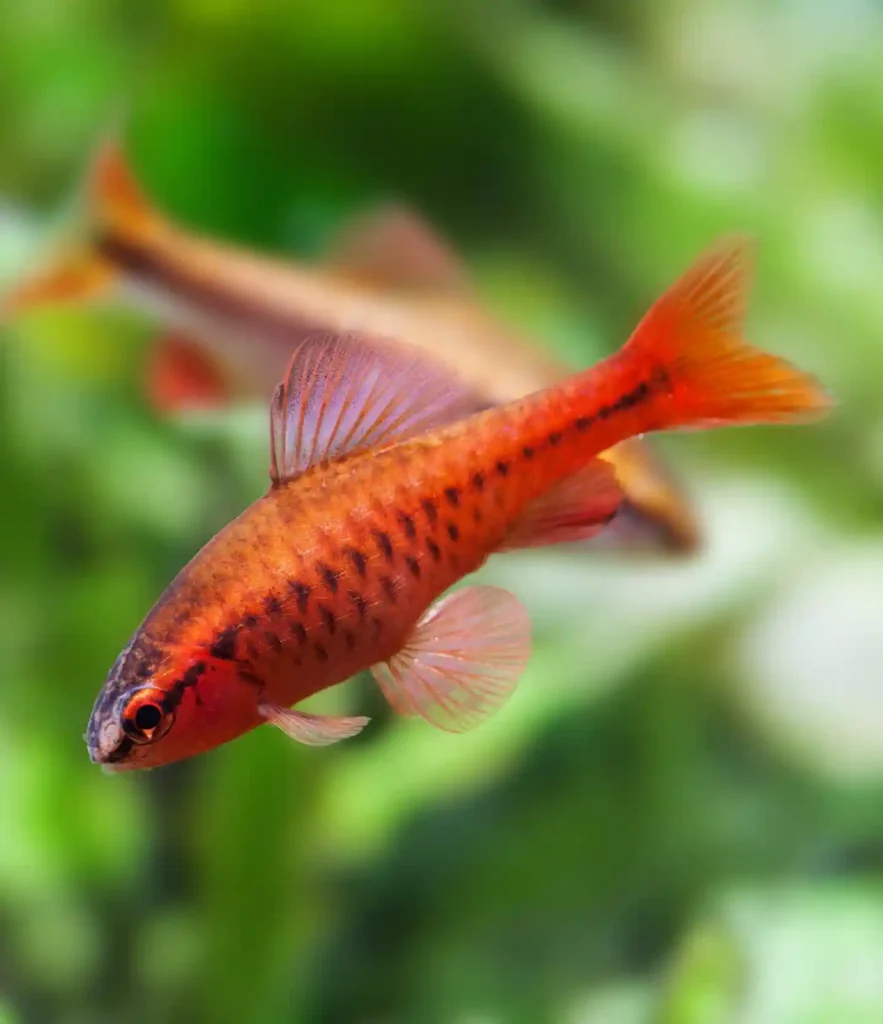
13. Schooling Fish Need a Real Group
Buying two tetras because they looked lonely doesn’t create a proper school.
Danios, tetras, rasboras, barbs, corydoras, kuhli loaches, and rainbowfish are examples of fish commonly kept in groups. The suitable group size varies by species.
A group that is too small may become nervous, hide continuously, lose color, or direct all its social aggression toward one fish.
Count the Whole Group Before Buying
If a species needs a group, calculate tank space and cost for the complete group before purchasing any members.
Don’t fill the aquarium with unrelated pairs. A 20-gallon tank containing two tetras, two barbs, two corydoras, and two rasboras may hold eight fish, but none has the social setup it needs.
Fewer species kept in appropriate groups usually create a calmer and more natural-looking aquarium.
14. Maintenance Must Fit Your Real Schedule
Every aquarium needs regular care. A shop display may look effortless because someone maintains it when you aren’t watching.
Your routine will include feeding, observation, water testing, partial water changes, substrate cleaning, plant trimming, algae scraping, and filter maintenance.
Make Sure You Can Reach Everything
Before buying a tall tank or enclosed stand, check whether you can:
- Reach the bottom safely
- Remove the filter
- Open the lid fully
- Lift buckets without twisting
- Access plumbing and cables
- Clean behind decorations
- Catch a sick fish
- Disconnect equipment quickly
A deep aquarium can become frustrating if your arm cannot reach the substrate.
Plan for Vacations and Power Cuts
Someone must understand how much to feed while you are away. Pre-measure servings because “just a pinch” has ended many holidays with cloudy water.
A timer can control lighting. A battery-powered air pump can maintain water movement during outages. Large tanks with heavy stocking may need a more detailed emergency plan.
15. An Aquarium Can Be a Long Commitment
Many aquarium fish live far longer than beginners expect. Depending on the species and care, the commitment may last several years or even decades.
The aquarium can also affect future moves, rentals, travel plans, and power costs.
Think Past the First Month
Ask yourself:
- Can I maintain this tank every week?
- What happens if I move?
- Who will care for it during travel?
- Can I afford replacement equipment?
- Do I have access to suitable food and water?
- What happens if the fish breed?
- Can I house every fish at adult size?
- Is anyone else in the home comfortable with the tank?
Don’t release fish, plants, snails, or aquarium water into natural waterways. Find a responsible keeper, aquarium store, rescue, or local club if you can no longer care for them.
Freshwater, Planted or Saltwater: Which First Aquarium Is Best?
Freshwater Community Aquarium
A freshwater community is usually the most flexible starting point. Equipment and livestock are widely available, and beginners can choose from many small species.
Compatibility still requires planning. “Freshwater” is not one shared set of conditions.
Planted Freshwater Aquarium
Live plants provide cover, use some nutrients, and make the tank feel more natural. Start with undemanding plants if you don’t want specialized lighting, carbon dioxide injection, or a demanding fertilizer routine.
Choose plants that match your light and substrate.
Saltwater Aquarium
A saltwater aquarium can be a first aquarium, but it generally requires a larger budget, more testing, salinity control, careful stocking, and patience.
Research the complete system before buying livestock. Don’t treat saltwater as freshwater with marine salt added.
Species-Only Aquarium
A species-only tank can be easier than a mixed community. It lets you match the water, flow, layout, feeding, and social structure to one type of fish.
Bettas, shell-dwelling cichlids, pea puffers, breeding pairs, and certain schooling fish may benefit from focused setups.
My Recommended First Freshwater Setup
For a beginner who has enough space, I’d start with a 20-gallon-long aquarium and a modest group of small, compatible fish.
A basic shopping plan could include:
| Item | Recommendation |
| Aquarium | 20-gallon long |
| Stand | Rated for the filled aquarium |
| Filter | Adjustable filter with reusable sponge and biological media |
| Heater | Only if required by the planned fish |
| Thermometer | Separate from the heater |
| Lid | Secure with cable and filter openings covered |
| Light | Timer-controlled aquarium light |
| Substrate | Easy-to-clean gravel or sand suitable for the fish |
| Plants | Beginner plants matched to the light |
| Test kit | Ammonia, nitrite, nitrate and pH |
| Water treatment | Conditioner for chlorine and chloramine |
| Cleaning supplies | Siphon, buckets and algae scraper |
| Backup | Air pump, spare sponge filter and conditioner |
Choose one main schooling species, one suitable bottom group, and perhaps one centerpiece fish only if their needs match. Don’t buy all three groups on the same day.
Step-by-Step Plan Before Buying Fish
Step 1: Select the Fish
Write down its adult size, temperature, group size, behavior, diet, lifespan, and preferred water.
Step 2: Choose the Tank
Select dimensions that support the fish’s adult size and swimming style. Confirm that every planned group fits without crowding.
Step 3: Calculate the Loaded Weight
Include water, glass, substrate, rocks, equipment, and stand. Confirm the floor and furniture can support it.
Step 4: Set the Complete Budget
Price the equipment, test supplies, maintenance items, food, livestock, electricity, and quarantine setup.
Step 5: Prepare the Location
Check sunlight, temperature, power, access, floor level, maintenance clearance, and distance from water.
Step 6: Set Up the Aquarium
Rinse suitable substrate, arrange safe decorations, add equipment, condition the water, and confirm there are no leaks.
Step 7: Cycle the Filter
Use a safe ammonia source and test the nitrogen cycle. Don’t add a full fish community to an uncycled aquarium.
Step 8: Confirm Stable Water
Check ammonia, nitrite, nitrate, pH, temperature, and hardness when relevant.
Step 9: Prepare Quarantine
Set up a simple separate tank with mature filtration before buying livestock.
Step 10: Add Fish Gradually
Begin with an appropriate group rather than one lonely schooling fish. Test the water more frequently after each addition.
Read How to Set Up a Freshwater Aquarium for the complete setup process.
Common First-Aquarium Buying Mistakes
Buying the Tank and Fish Together
The aquarium has no mature biological filter, leaving the new fish exposed to ammonia and nitrite.
Choosing Fish by Color Alone
Appearance tells you nothing about adult size, aggression, water needs, diet, or group size.
Buying a Tank That Barely Fits the Fish
A minimum-size setup leaves little room for stocking errors, growth, breeding, or future changes.
Forgetting the Stand
A full aquarium is too heavy for much ordinary furniture.
Spending the Budget on Decorations
Water conditioner, filtration, testing, heating, and maintenance equipment come first.
Trusting a Filter’s Tank Rating Without Checking Media
A high flow rate doesn’t guarantee adequate biological media or appropriate current.
Buying an Algae Eater Before Algae Appears
An algae eater is another animal with its own space and feeding needs. An aquarium-safe algae scraper is often the better first purchase.
Planning to Upgrade “Soon”
If the larger aquarium isn’t already available, buy fish suited to the tank you have.
Frequently Asked Questions
What size aquarium is best for a beginner?
A 20-gallon-long aquarium is a practical choice for many freshwater beginners. It offers more stable water and more stocking flexibility than a very small tank without becoming unmanageable.
Is a 5-gallon aquarium easier to maintain?
No. It uses less water, but temperature and waste levels can change quickly. It also offers very limited stocking choices.
Can I buy fish on the same day as the aquarium?
You shouldn’t fully stock a new aquarium immediately. Set up and cycle the biological filter first, then add compatible fish gradually.
How long does an aquarium take to cycle?
Cycling often takes several weeks, but there is no fixed finishing date. Test ammonia and nitrite to confirm that the biological filter is working.
Does my first aquarium need a heater?
Only if the selected fish require heated water or the room cannot keep their preferred temperature stable. Use a separate thermometer even when the heater has a temperature setting.
Does every aquarium need a filter?
Most beginner fish aquariums should have suitable filtration. Unfiltered systems require careful stocking and much closer maintenance and aren’t a shortcut for beginners.
What tests do I need for a freshwater aquarium?
Start with ammonia, nitrite, nitrate, pH, and temperature. General and carbonate hardness tests are useful when source water or species needs make them relevant.
Is tap water safe for aquarium fish?
It can be after proper treatment. Use a conditioner that handles the chlorine or chloramine used by your water supplier, and match the temperature before adding it.
Should I buy an aquarium kit?
A good kit can simplify shopping, but check the filter, heater, lid, light, and replacement media. Include missing test and maintenance supplies in the total price.
How many fish can I put in my first aquarium?
There is no reliable universal number. Adult size, body mass, group needs, behavior, tank dimensions, filtration, and waste production all matter.
Where should I place an aquarium?
Use a level, weight-rated surface near safe electrical access and convenient water-change access. Avoid direct sunlight, heating vents, unstable furniture, and busy areas where the glass may be hit.
How much maintenance does an aquarium need?
Expect regular feeding and observation, plus routine testing, partial water changes, substrate cleaning, algae removal, plant care, and filter checks.
