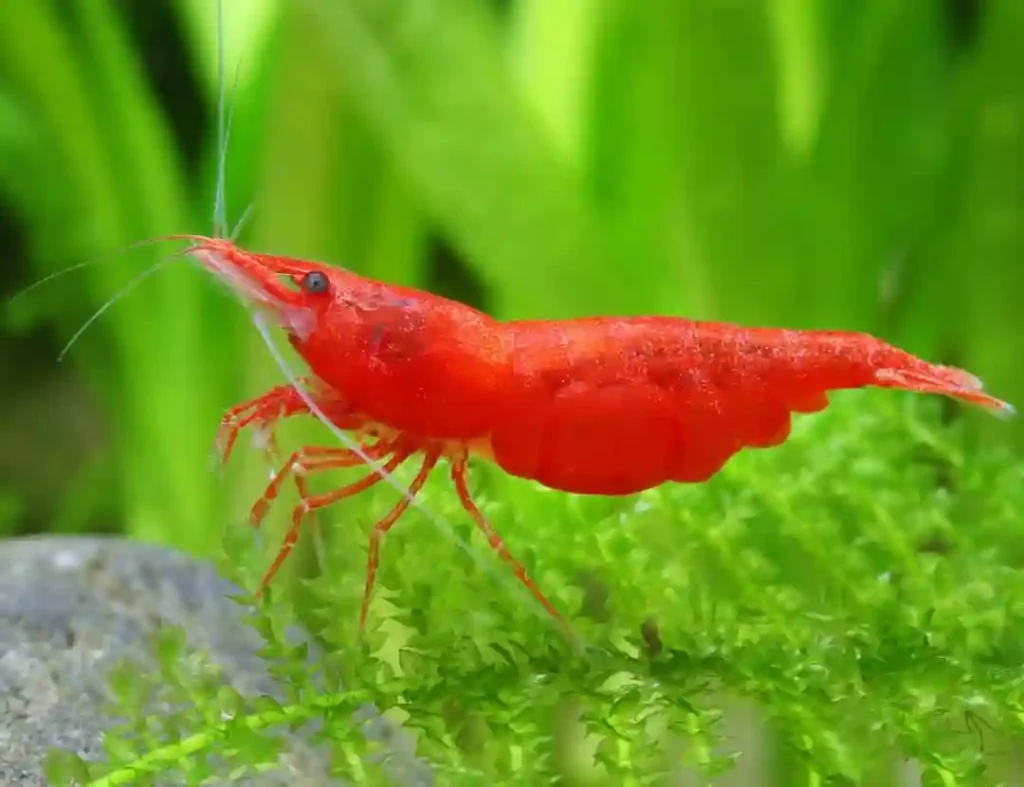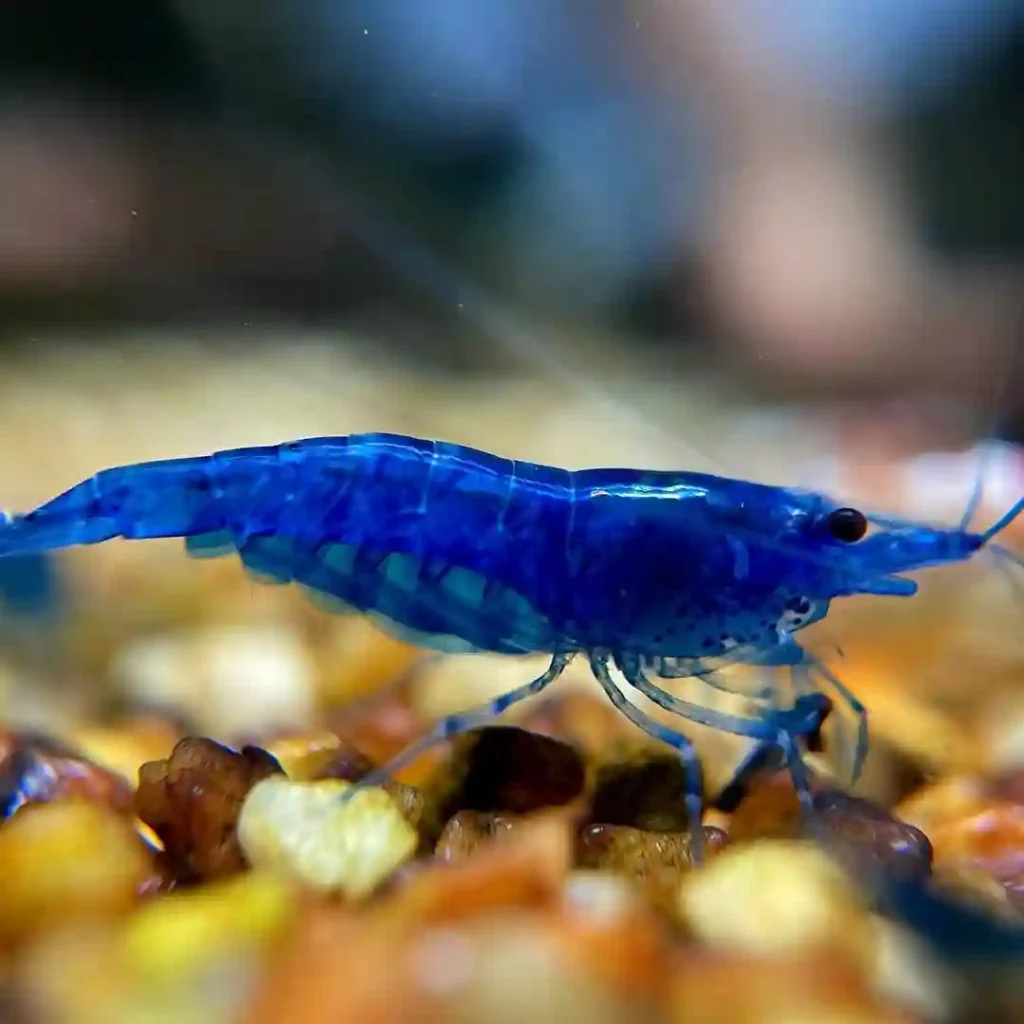
Not all shrimp need RO water, but for many keepers, it’s the best way to provide a safe, consistent environment especially if you’re raising delicate species. In this guide, you’ll learn exactly when shrimp need RO water, how to use it properly, and which shrimp species benefit the most.
What Is RO Water and Why Do Aquarists Use It?
RO (reverse osmosis) water is purified water that’s been filtered to remove nearly all dissolved solids, chemicals, and contaminants. That includes chlorine, chloramine, copper, and minerals—things that can be harmful or unstable in aquariums.
Many aquarists use RO water to gain full control over their tank’s water chemistry. Since shrimp are highly sensitive to changes in water hardness and toxins, RO water allows you to start with a blank slate and remineralize the water to your shrimp’s specific needs.
Which Shrimp Need RO Water?
RO water is most often used when keeping Caridina shrimp, which require soft, acidic water with low KH and controlled GH. Neocaridina shrimp (like cherry shrimp) are much more tolerant and can thrive in most tap water, as long as it’s stable and properly dechlorinated.
Here’s a quick comparison:
| Shrimp Type | RO Water Needed? | Notes |
| Crystal Red | Yes | Soft, acidic water required |
| Taiwan Bee | Yes | Sensitive to GH/KH swings |
| Cherry Shrimp | Optional | Can adapt to tap water |
| Amano Shrimp | No | Tap water usually safe |
If you’re unsure what shrimp you have, look at their care requirements before deciding on water changes.
When Should You Use RO Water for Shrimp?
Using RO water makes sense in several situations, even with hardier shrimp:
- Your tap water is too hard: High GH or KH levels can stress shrimp or make molting difficult.
- You’re experiencing molting or breeding issues: Poor shell development and egg loss are often linked to unstable water parameters.
- You’re breeding Caridina species: Most require low KH and soft water to breed successfully.
- You’re mixing multiple shrimp species: RO water allows you to create neutral water conditions safe for all.
Testing your water with a TDS meter and GH/KH test kits will help you decide if your tap water is suitable.
How to Use RO Water Properly
RO water must be remineralized before you add it to your shrimp tank. Plain RO water has zero minerals, which shrimp need for molting, osmoregulation, and shell development.
Here’s how to use RO water safely:
- Use a shrimp-safe remineralizer. Popular options include Salty Shrimp GH+ (for Caridina) or GH/KH+ (for Neocaridina).
- Add minerals to your RO water in a container or bucket. Stir and let it sit for a few minutes.
- Test your parameters. Your targets will vary by shrimp type:
- GH: 4–6 for Caridina, 6–8 for Neocaridina
- KH: 0–2 for Caridina, 3–5 for Neocaridina
- TDS: 120–180 ppm (check with a TDS meter)
Read also: How to Cycle a Shrimp Tank?(Safely & Quickly)
RO Water vs Tap Water for Shrimp
| Factor | RO Water | Tap Water |
| Safety | Free from chlorine, copper | May contain harmful elements |
| Control | Full control with minerals | Depends on local supply |
| Suitability | Ideal for sensitive shrimp | Fine for cherry/amano shrimp |
| Cost | Requires RO unit & minerals | Only needs dechlorinator |
| Stability | Extremely stable | May vary between water changes |
FAQs
Can I use 100% RO water for shrimp?
No. RO water alone lacks minerals. Always add a remineralizer before using it in shrimp tanks.
Do cherry shrimp need RO water?
Not necessarily. If your tap water has good GH/KH values and is free of copper, they’ll do just fine.
What’s the best remineralizer for shrimp?
For Caridina: Salty Shrimp GH+. For Neocaridina: Salty Shrimp GH/KH+ or equivalent brands designed for shrimp.
Can I mix RO water with tap water?
Yes, some keepers mix them to dilute hardness. Still, test the water to ensure shrimp-safe parameters.
How do I test GH and KH?
Use liquid test kits (API or JBL) and a TDS meter. These help track mineral levels accurately.