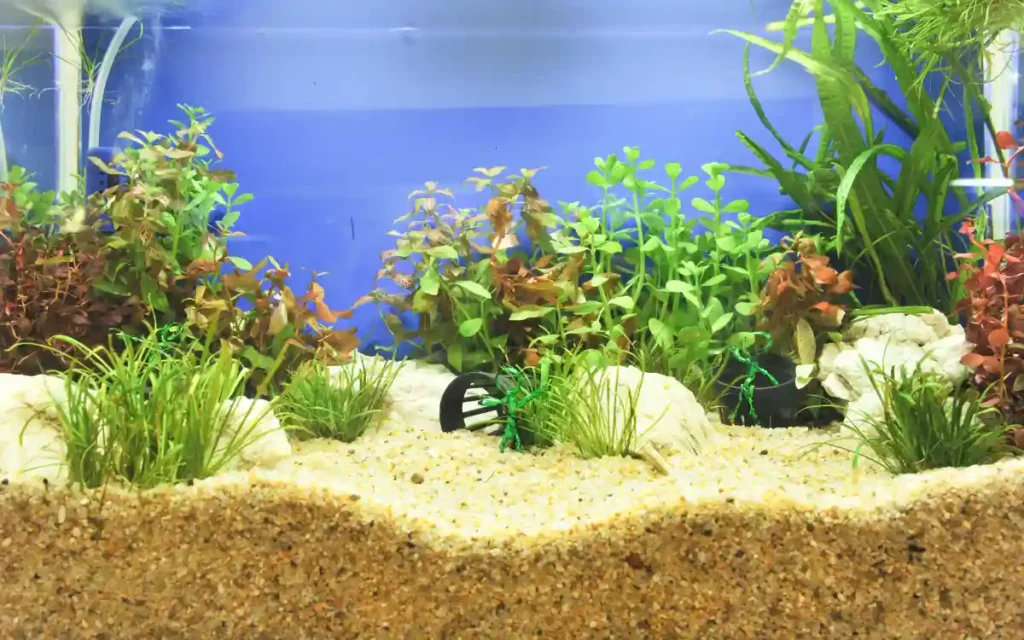
A planted aquarium depends on its substrate more than most people realize. Plants interact with the substrate constantly. Their roots spread through it, pull nutrients from it, and use it to anchor themselves.
When the substrate supports plant growth, carpets spread evenly, stem plants stay rooted, and heavy root feeders grow strong and healthy. When the substrate is wrong, plants stall no matter how good your lighting or fertilizer routine is.
This guide explains what plants actually need from the substrate, the best soil choices, proper depth, and how to set everything up so the tank has a strong foundation from day one.
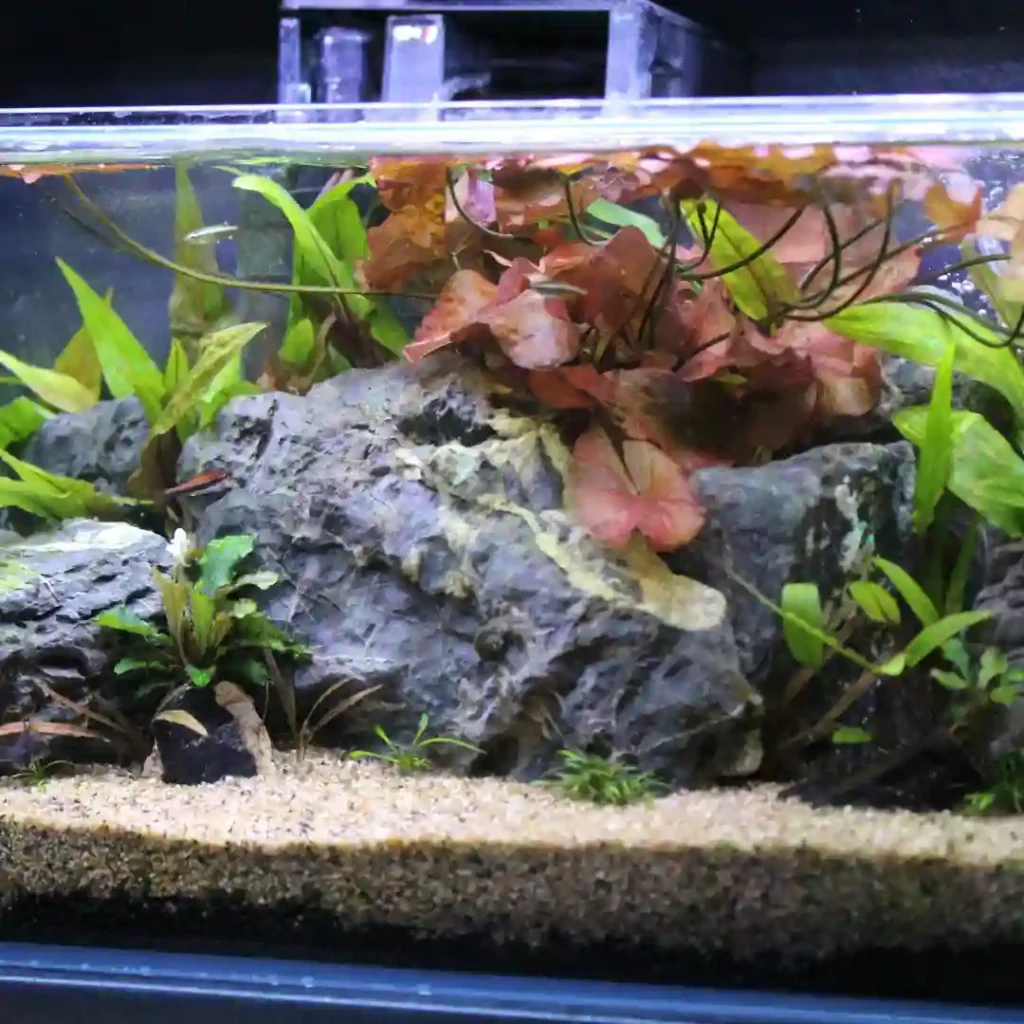
What Plants Actually Need From Substrate
Plant growth begins underground before it ever shows above the surface. Understanding root behavior will help you build a substrate that plants can thrive in.
How Roots Behave Below the Surface
Roots explore outward before growing downward. They store nutrients, anchor the plant, and support new growth. A good substrate lets roots move easily, breathe, and spread evenly.
If the substrate is too coarse, roots struggle to find pathways.If it is too compact, oxygen flow drops and rot becomes more likely.The right material supports both movement and oxygen circulation.
Root Feeders vs Column Feeders
Different plants depend on the substrate in different ways.
Root feeders include:
- Cryptocoryne
- Amazon swords
- Vallisneria
- Tiger lotus
These plants rely heavily on substrate nutrition and grow best with nutrient-rich soil.
Column feeders include:
- Stem plants
- Floating plants
- Mosses
These plants get most of their nutrients from the water but still need stable anchoring.
Carpeting Plants Need Fine Grains
Carpet plants such as Monte Carlo, dwarf hairgrass, and HC Cuba spread by sending runners through the top layer of the substrate.
Coarse gravel blocks runner movement and creates patchy, uneven carpet growth.
Fine-grain soils give carpets the smooth, shallow layer they need to spread evenly.
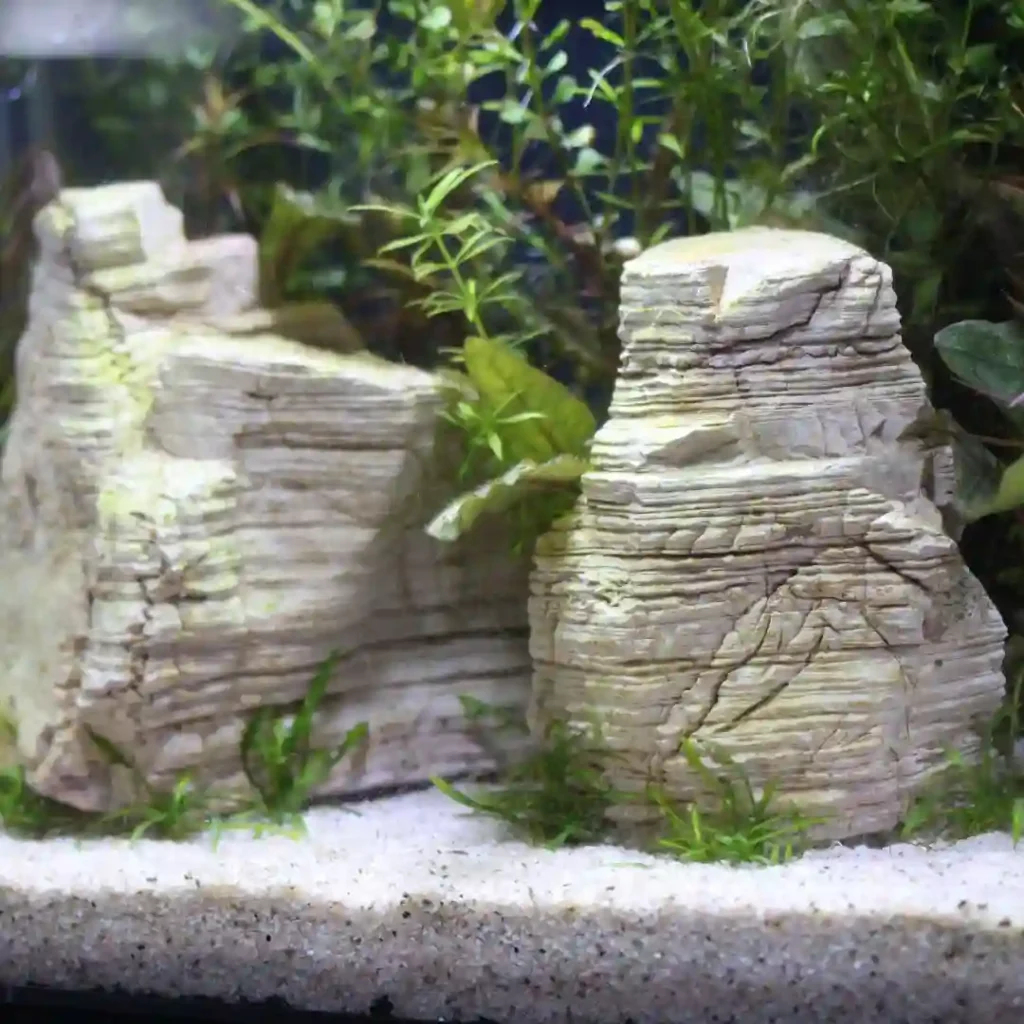
Active Soils: The Best Option for Strong Plant Growth
Active soil remains the most effective choice for planted aquariums because it provides both the right structure and built-in nutrients.
What Active Soil Really Is
Active soil is made from baked clay or volcanic material. The granules contain stored nutrients and slowly release them into the root zone. Many soils also naturally soften water, which helps plants absorb nutrients more efficiently.
Strengths of Active Soil
Active soil supports strong long-term growth because it:
- offers steady nutrient release
- has excellent grain size for carpets
- allows oxygen flow around roots
- works very well in CO₂-injected tanks
- accelerates plant establishment
New plants root quickly and grow with minimal effort.
Downsides to Know
Active soil isn’t perfect. It:
- releases ammonia for the first week
- breaks down after 12–24 months
- can cloud the tank if disturbed
- costs more than inert substrate
These issues are manageable with proper setup and care.
Reliable Active Soil Options
- ADA Amazonia: strongest nutrients, ideal for demanding plants
- Fluval Stratum: great for shrimp and beginner carpets
- UNS Controsoil: very stable, works for low and high tech
- Tropica Soil: clean, trouble-free option for new hobbyists
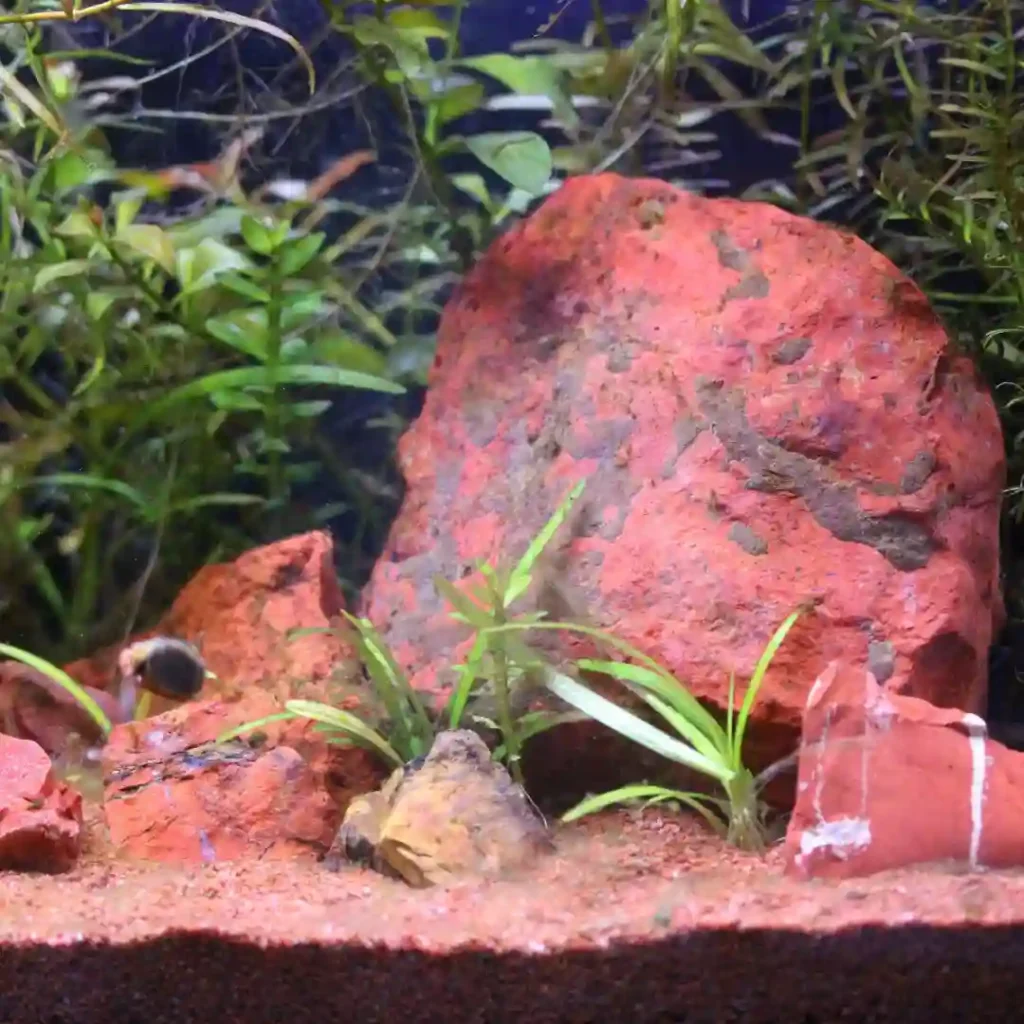
Inert Substrates: When They Work and When They Don’t
Inert substrates contain no nutrients. They include sand, gravel, and baked clay. They can still grow plants, but only with extra supplementation.
When Inert Substrate Can Work Well
Inert substrate works well for:
- low-tech tanks
- plants that do not rely heavily on their roots
- aquascapes dominated by hardscape elements
- tanks where you prefer to control all nutrients manually
Baked clay substrates offer more support than gravel because they are porous and lightweight.
Where Inert Substrate Fails
Inert materials struggle with:
- carpeting plants
- crypts and other root-heavy species
- plants that need long-term nutrient storage
- gravel too large for roots or runners
Growth tends to be slower without soil, especially in tanks with medium–high light.
Using Root Tabs with Inert Substrate
Root tabs help replace missing nutrients.
Place them directly under:
- swords
- crypts
- tiger lotus
- vallisneria
Replace tabs every one to three months depending on plant demand.
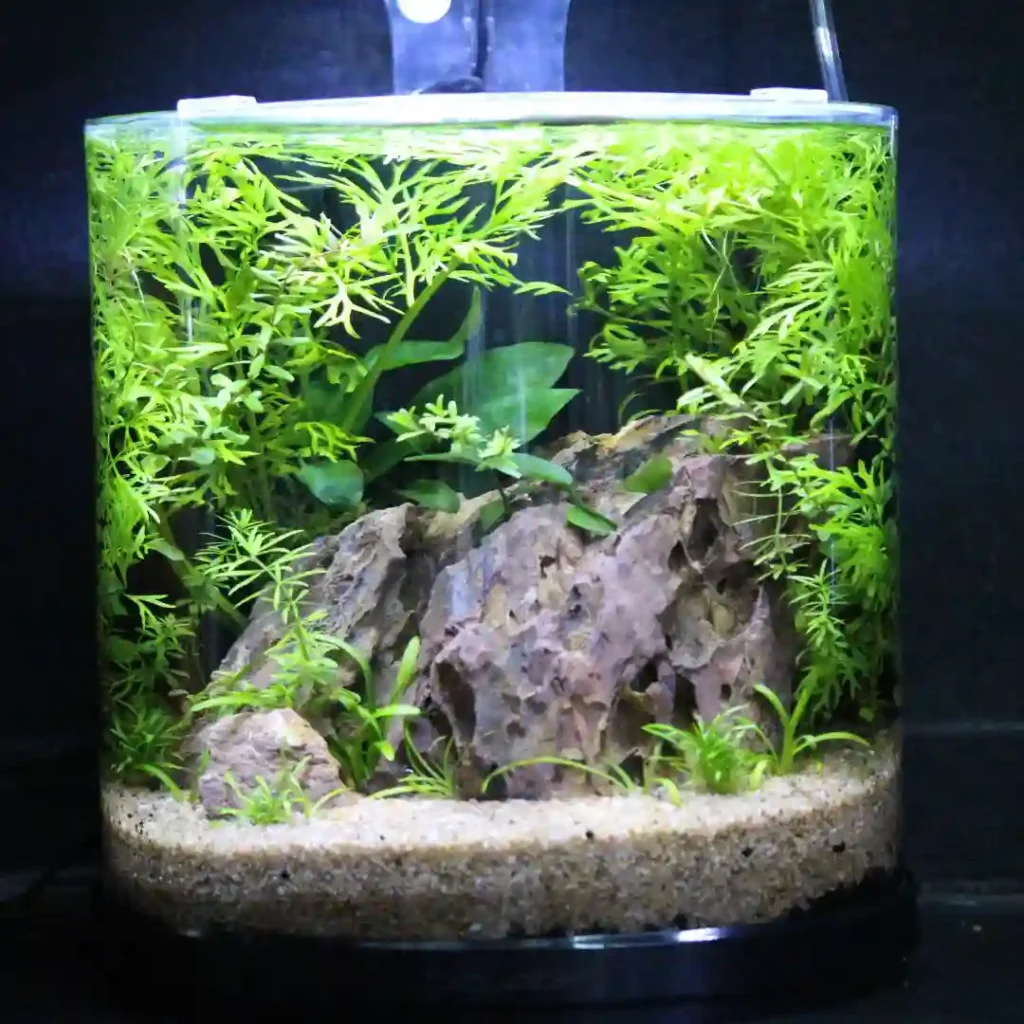
Soil vs Inert: Choose Based on Your Plant List
For Carpeting Plants
Active soil is the best choice. The fine grains and nutrients help carpets spread cleanly and evenly.
For Crypts, Swords and Vallisneria
Soil allows these plants to pull nutrients whenever they need, leading to thicker, deeper rooting.
For Stem Plants
Both soil and inert substrates work, but soil leads to stronger color and faster growth.
For Low-Tech Tanks
Inert substrate with root tabs is enough for plants like Anubias, Java fern, Bacopa, Hygrophila, and Valisneria.
For CO₂ Tanks
Soil is ideal because CO₂ increases nutrient demand. Soil keeps up with growth needs without constant dosing.
Substrate Comparison Table for Planted Tanks
| Substrate Type | Nutrients | Root Growth | Carpet Growth | Maintenance | Best For |
| Active Soil (ADA, Stratum, Controsoil) | High | Excellent | Excellent | Moderate | CO₂ tanks, carpets, crypts, swords |
| Baked Clay (Eco-Complete, Safe-T-Sorb) | Medium with tabs | Good | Fair | Easy | Low-tech tanks, mixed plants |
| Fine Sand | None | Fair with tabs | Poor | Easy | Simple scapes, valisneria |
| Medium Gravel | None | Weak with tabs | Very poor | Easy | Hardscape-heavy layouts |
| Soil-Capped Dirt | High | Excellent | Good | Hard | Advanced planted tanks |
Ideal Substrate Depth for Planted Tanks
Correct depth helps roots anchor and allows the substrate to function properly.
Carpeting Plants
Depth: 1 to 1.5 inches
A shallow layer supports fast runner movement.
Crypts, Swords, Lotus, Vallisneria
Depth: 2.5 to 3 inches
These plants grow large, deep roots.
Stem Plants
Depth: 2 inches
Enough to secure stems without overcrowding.
Simple Depth Diagram
Front of tank Middle section Back of tank
1 inch 1.5 to 2 inches 2.5 to 3 inches
This slope improves plant positioning and overall aquascape depth.
How to Set Up Substrate for a Planted Tank
Step 1: Add Soil Without Rinsing
Spread soil gently and shape your slope before adding water.
Soil should never be rinsed because it washes away nutrients.
Step 2: Plant in Shallow Water
Add just enough water to dampen the substrate.
Plant with tweezers for better control.
Press root feeders deeply so they stay anchored.
Step 3: Fill the Tank Slowly
Pour water onto a plate or plastic sheet to avoid disturbing the soil and uprooting plants.
Step 4: Manage the First Week
Active soil may release ammonia early on.
Keep lighting low, perform light water changes, and wait before adding fish.
Substrate Nutrient Management
How Long Soil Lasts
Active soil remains nutrient-rich for 12–24 months. After that, it still works but benefits from additional fertilization.
When to Add Root Tabs
Add tabs when you notice:
- pale new leaves
- slow growth
- crypt melt
- thinning carpets
These signs indicate the soil’s nutrient stores are declining.
Balancing Fertilizer
Healthy planted tanks rely on balanced inputs:
- soil nutrients
- liquid micronutrients
- controlled lighting
- occasional nitrate/phosphate dosing
This balance keeps plant growth steady and algae under control.
Common Substrate Mistakes
- Planting carpets in large gravel
- Using sand thicker than two inches
- Forgetting to shape a slope
- Vacuuming too deeply near roots
- Mixing soil and gravel in a way that separates
- Using nutrient soils with hard-water fish that prefer a stable pH
FAQs
Can plants grow in plain sand?
Yes, but they grow slower without root tabs.
Do root tabs replace soil?
They help, but soil still offers better long-term performance.
How long does active soil last?
Usually one to two years before needing additional supplementation.
Should I cap aquarium soil?
Only if using loose dirt or potting soil. Commercial aquasoils do not need capping.
Is soil better for carpeting plants?
Yes. It supports fast runner growth and even coverage.