13 Fish With Big Lips (With Pictures & Aquarium Info)
Some fish have big lips to help them feed, sift sand, or impress mates. These oversized mouths aren’t just for looks they serve real purposes in the wild and even in aquariums. In this guide, we’ll explore 13 unique fish known for their big lips, including freshwater favorites like the Oscar and Parrot Cichlid, as well as exotic saltwater giants like the Humphead Wrasse. Whether you’re curious about fish anatomy or looking for your next aquarium pet, this list has something for you.
Why Do Some Fish Have Big Lips?
Big lips help fish graze on rocks, suck food from crevices, or filter sand. In some cases, like with kissing gouramis, lip size is part of social behavior. For predators, fuller mouths can also help them ambush or stun prey. These features aren’t just random they evolved for feeding efficiency, mating rituals, or survival in complex environments.
Freshwater Fish With Big Lips
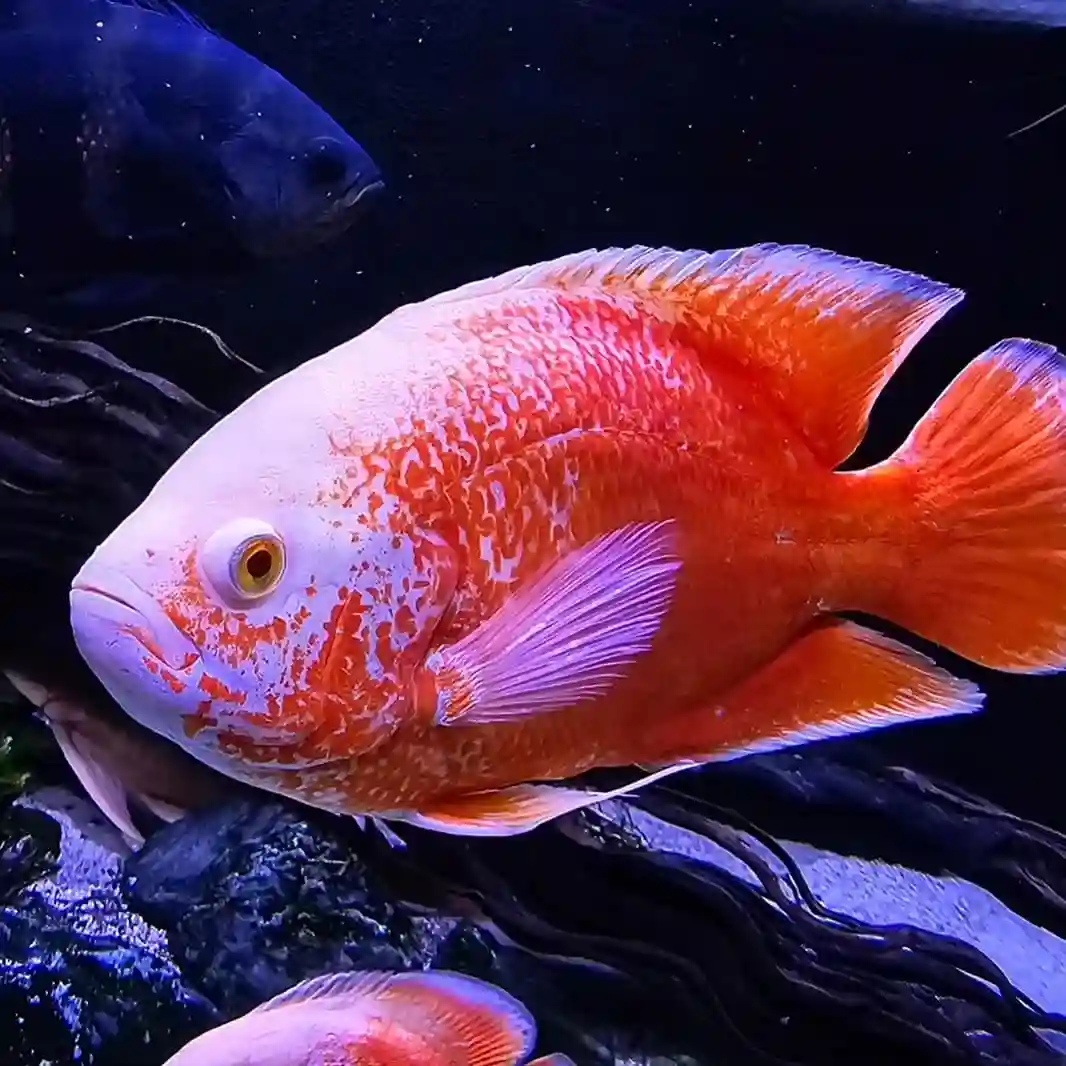
Oscar Fish
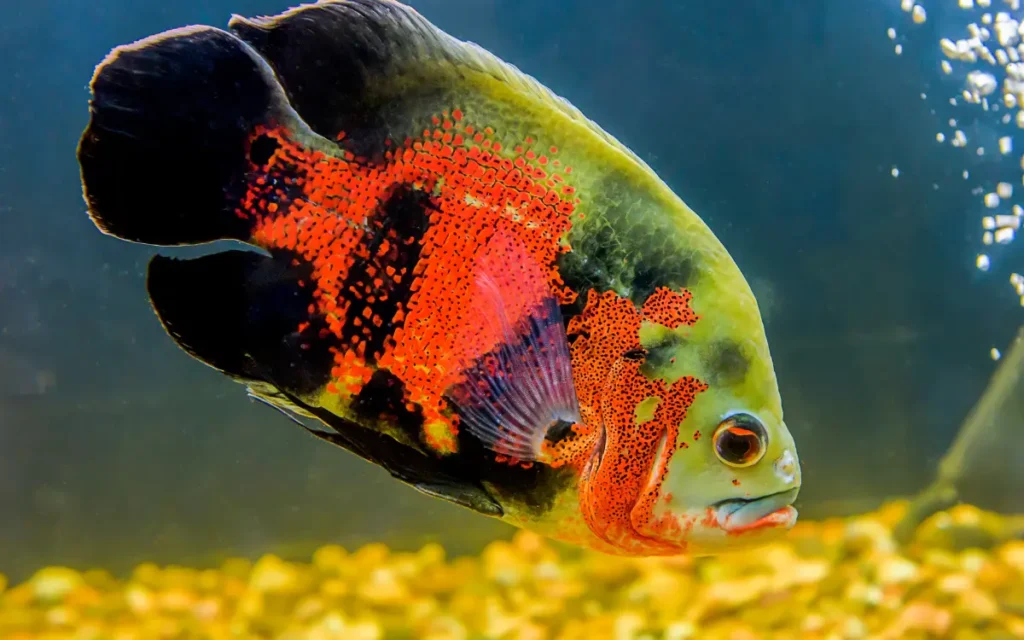
Scientific Name: Astronotus ocellatus
Size: Up to 12–14 inches
Habitat: South American rivers
Aquarium Friendly: Yes – Best for large tanks (min 75 gallons)
Oscar fish are known for their expressive faces and fleshy, prominent lips. These intelligent, semi-aggressive cichlids use their lips for sifting substrate and expressing territorial behavior. Their lip movements often look like “pouting” or “talking,” which makes them fascinating to watch. Oscars require a spacious tank, good filtration, and minimal tank mates unless properly matched.
Parrot Cichlid
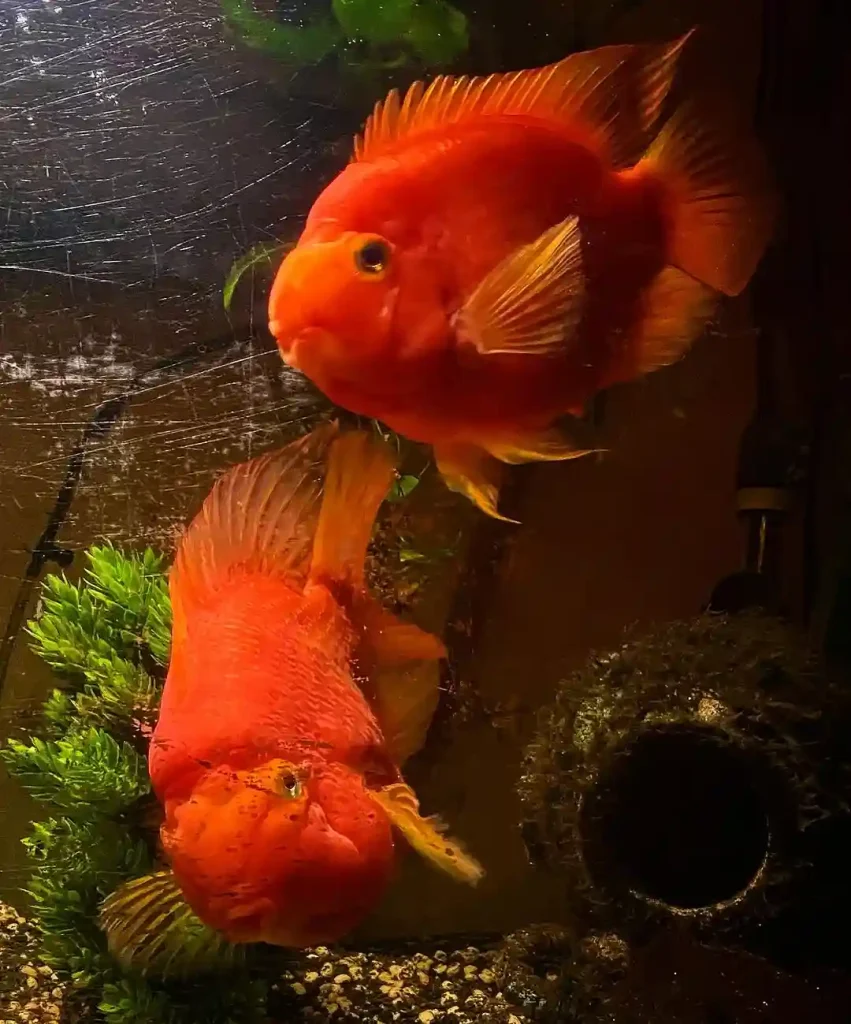
Scientific Name: Hybrid (not found in wild)
Size: 7–8 inches
Habitat: Captive-bred only
Aquarium Friendly: Yes – Peaceful but odd swimmers
Parrot cichlids are instantly recognizable by their rounded bodies and thick, fused lips that resemble a permanent pout. These fish are a man-made hybrid and often face health debates due to their unusual anatomy. However, they are hardy, peaceful, and colorful additions to community aquariums when housed with similarly sized fish. Their lips don’t move much, but their expressions often amuse hobbyists.
Flowerhorn Cichlid
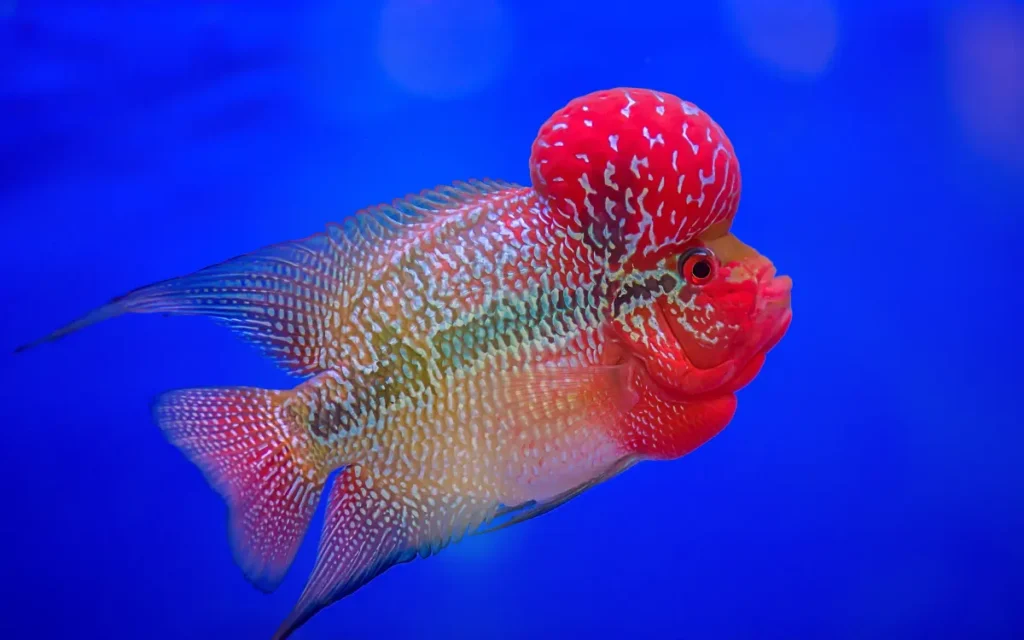
Scientific Name: Hybrid (originates from cichlid crosses)
Size: 10–16 inches
Habitat: Captive-bred only
Aquarium Friendly: Solo tanks only – Highly aggressive
Flowerhorns are bold in color and personality—and their massive lips and large foreheads make them one of the most recognizable aquarium fish. These hybrid cichlids are territorial and need to be housed alone or with great caution. Their thick lips are part of their exaggerated appearance, often seen gaping or chewing at decorations.
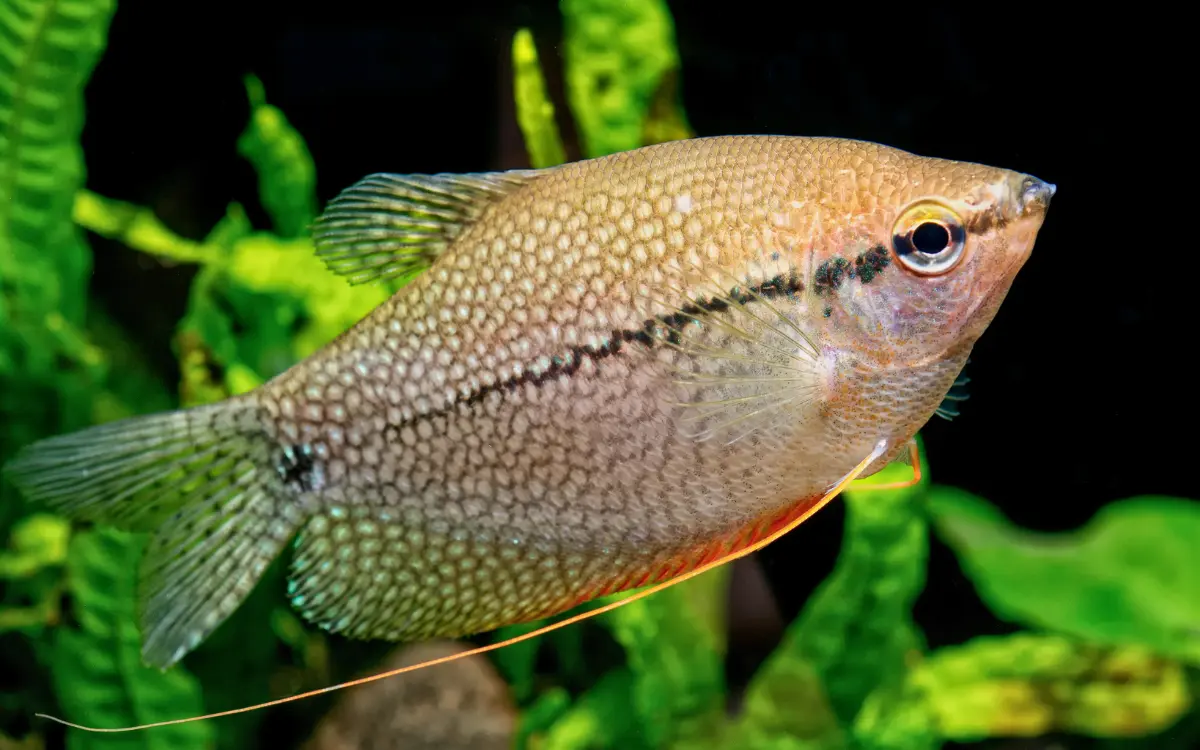
Kissing Gourami
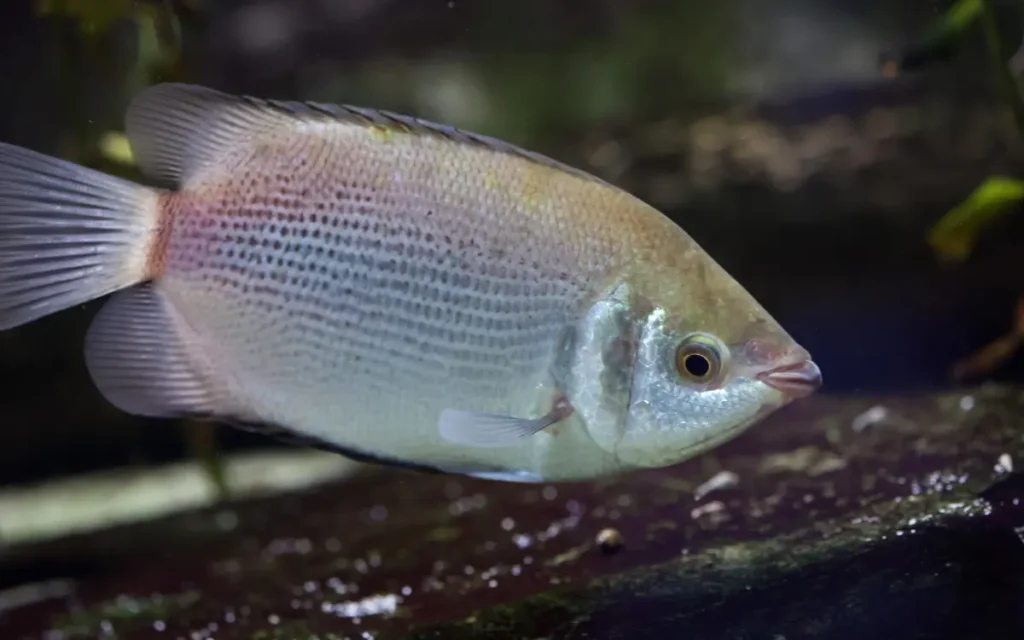
Scientific Name: Helostoma temminckii
Size: 6–12 inches
Habitat: Southeast Asia
Aquarium Friendly: Yes – Peaceful community fish
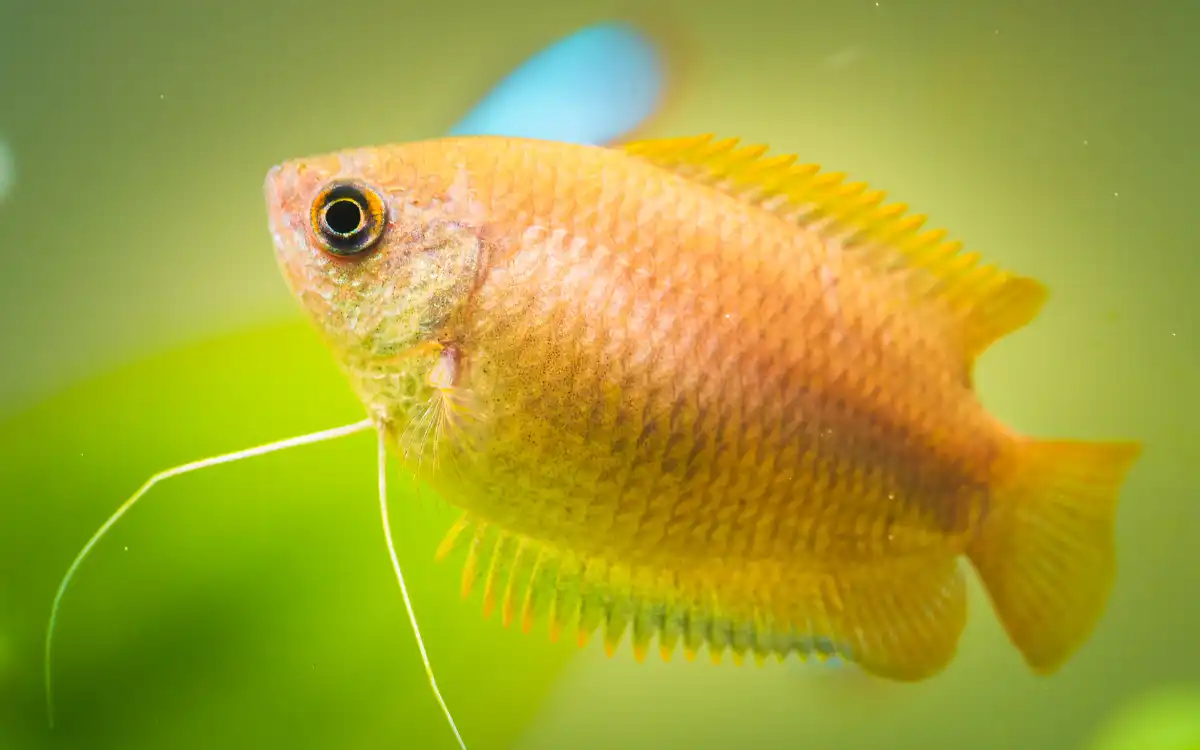
Kissing Gouramis are famous for their “kissing” behavior—where they press their lips together, often mistaken for affection. In reality, it’s a form of gentle fighting or social dominance. Their rubbery lips also help them graze algae and soft plants. These fish are peaceful and great for medium-sized tanks.
Saltwater Fish With Big Lips
Humphead Wrasse
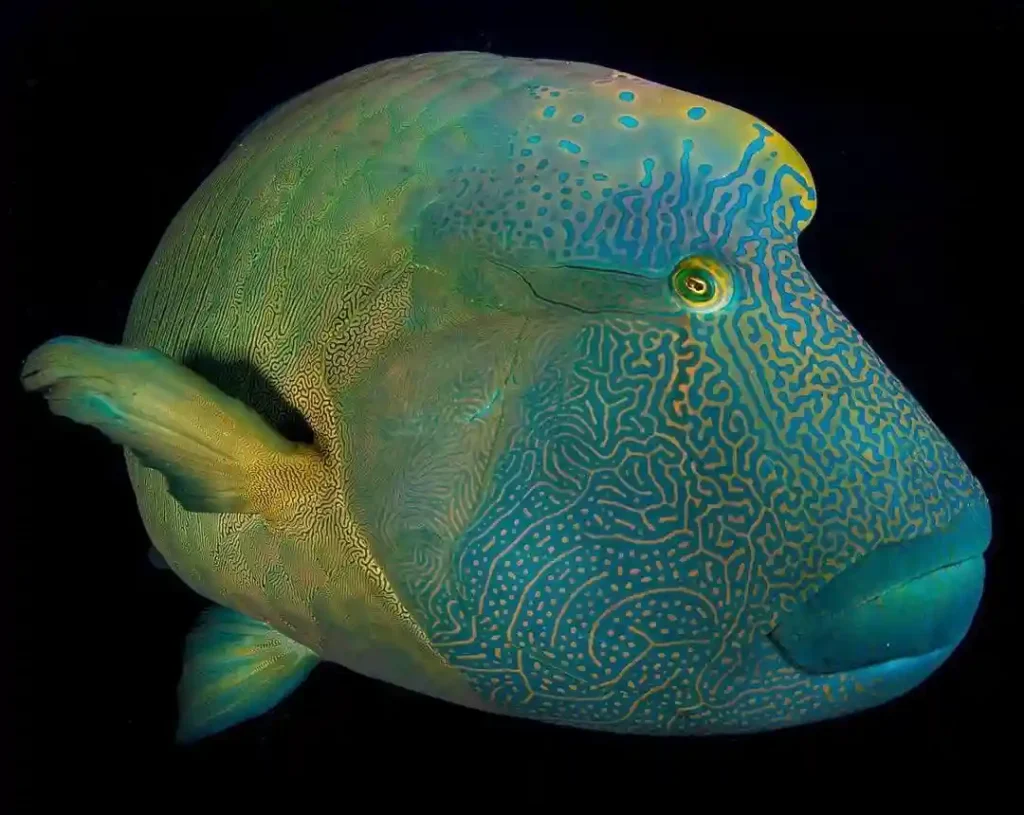
Scientific Name: Cheilinus undulatus
Size: Up to 6 feet Habitat: Coral reefs (Indo-Pacific)
Aquarium Friendly: No – Wild or public aquariums only
The Humphead Wrasse is a coral reef giant with thick, fleshy lips and a large hump on its head. Its lips help it crush hard-shelled prey like crabs and sea urchins. Due to its massive size and endangered status, it’s not suitable for home aquariums.
Sweetlips Fish
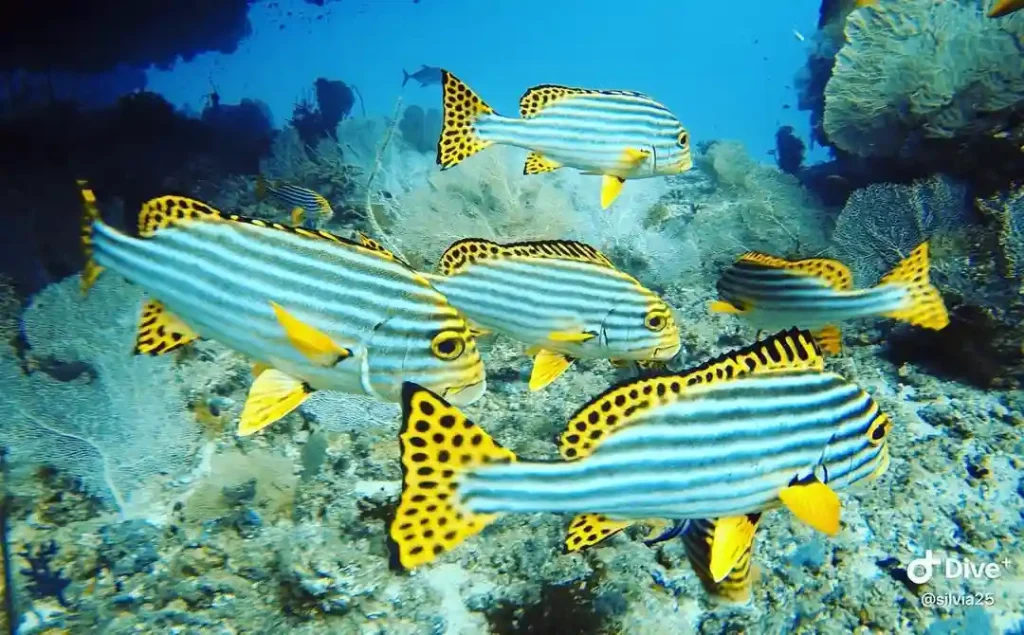
Scientific Name: Genus Plectorhinchus
Size: 8–30 inches depending on species
Habitat: Coral reefs (Indo-Pacific)
Aquarium Friendly: Only in large, advanced reef tanks
Sweetlips fish are colorful reef dwellers with—you guessed it—big, pouty lips. Their juvenile patterns often differ dramatically from adult markings, and they’re known for graceful, slow swimming. They require expert care and large tanks to thrive in captivity.
Exotic & Funny Looking Fish With Big Lips
Pufferfish
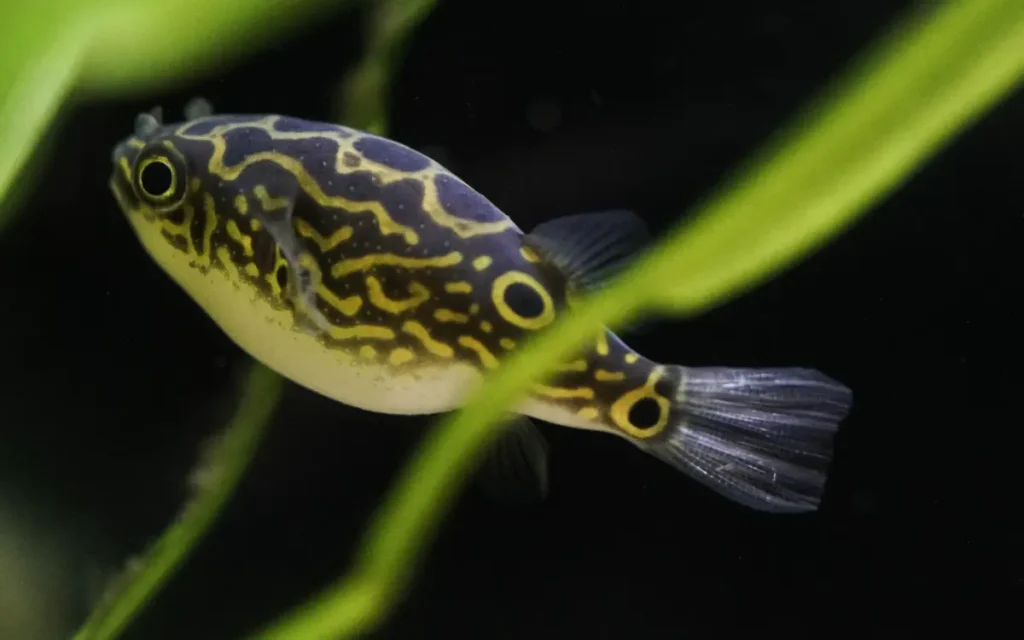
Scientific Name: Family Tetraodontidae
Size: 2–24 inches depending on species
Habitat: Fresh, brackish, and saltwater
Aquarium Friendly: Some species – best in species-only tanks
Pufferfish have unique beak-like mouths and full lips that give them a quirky look. They inflate when threatened and are slow, deliberate swimmers. While cute, many puffers nip fins or eat invertebrates, so choose species carefully.
Triggerfish
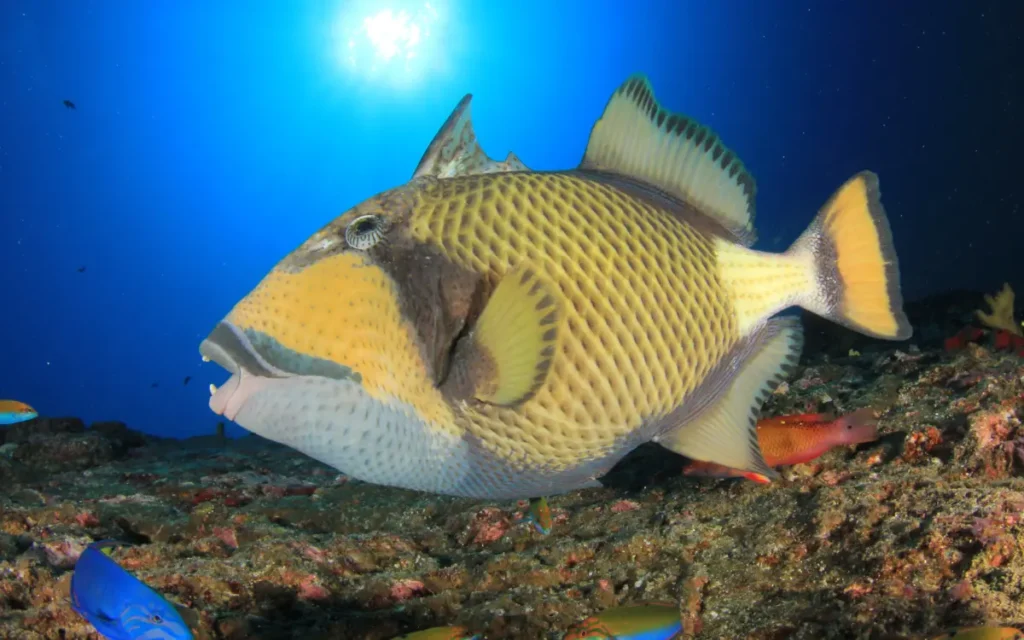
Scientific Name: Family Balistidae
Size: 8–20 inches
Habitat: Coral reefs worldwide
Aquarium Friendly: Yes – but can be aggressive
Triggerfish sport large lips and teeth used to break coral, shells, and prey. They have strong jaws and often display bold personalities in the tank. While some aquarists keep them, they can be territorial and are best housed solo or with tough tank mates.
Asian Sheepshead Wrasse
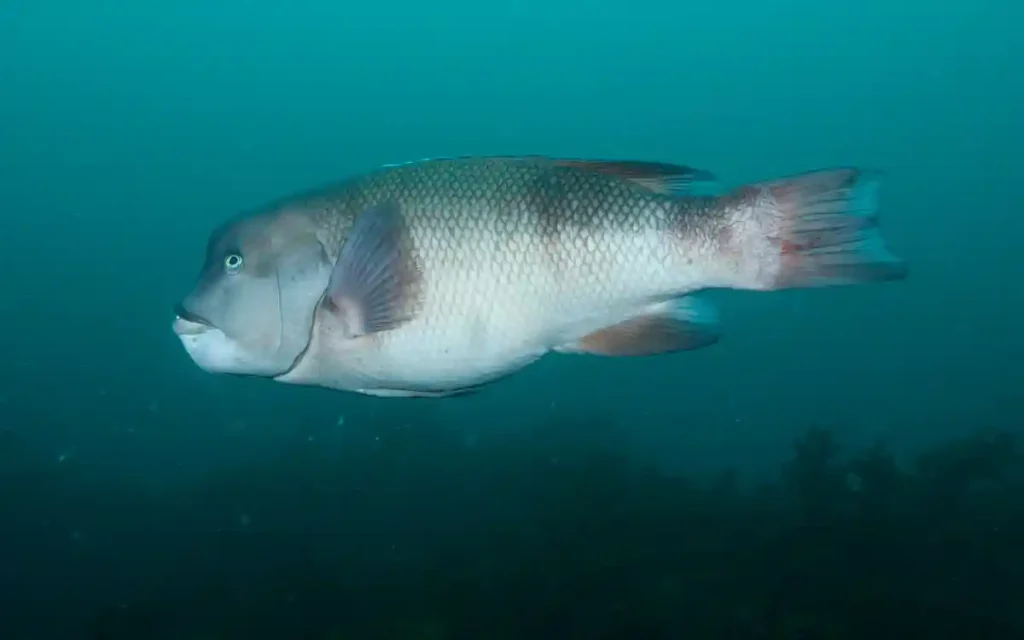
Scientific Name: Semicossyphus reticulatus
Size: Up to 40 inches Habitat: Coastal Japan, Korea, China
Aquarium Friendly: No – Wild species, deep coldwater fish
This fish became viral online for its “human-like face” and huge lips. Found in deep waters off Asia, it’s not suited for home tanks, but its bizarre look makes it one of the most talked-about lip-heavy fish on the planet.
Carp (Some Species)
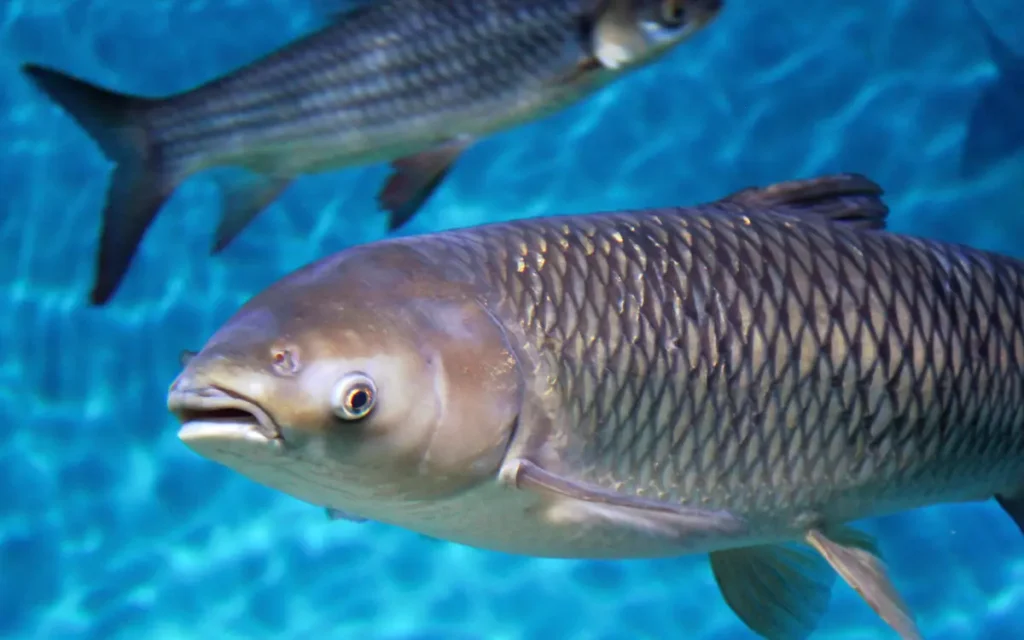
Scientific Name: Cyprinus carpio
Size: 15–30 inches
Habitat: Lakes, ponds, rivers
Aquarium Friendly: Some small varieties (goldfish, koi)
While not all carp have huge lips, some varieties especially koi and common carp develop fleshy, protruding mouths used for bottom-feeding. Their lips help them suck up food from gravel or mud. Small varieties are popular pond and tank fish.
Read also:
22 Fish with Big Eyes To Explore
FAQS
What kind of fish has lips like a human?
Some wrasses, parrot cichlids, and Asian sheepshead wrasse have lip shapes that resemble human features.
Are fish with big lips aggressive?
Not always. Some like Parrot Cichlids and Gouramis are peaceful, while others like Flowerhorns and Triggerfish can be aggressive.
Why do fish have big lips?
Big lips help fish feed, graze, sift through sand, or attract mates. It’s an adaptation for survival and territory.
Can you keep big-lipped fish in aquariums?
Yes, many freshwater species like Oscar or Parrot Cichlids are suitable. Large saltwater species usually aren’t.