How to Set Up a Freshwater Aquarium (Beginner Guide)
Setting up a freshwater aquarium is easier than most beginners think. You don’t need expensive equipment or expert knowledge to get started. What you do need is a clear process choose the right tank, install basic equipment, cycle the water properly, and only add fish when everything is stable.
If you follow the right steps from the beginning, you can avoid the most common mistakes like fish dying early or water turning cloudy. This guide walks you through everything in a simple way so you can build a healthy, stress-free aquarium.
What You Need Before Setting Up Your Aquarium
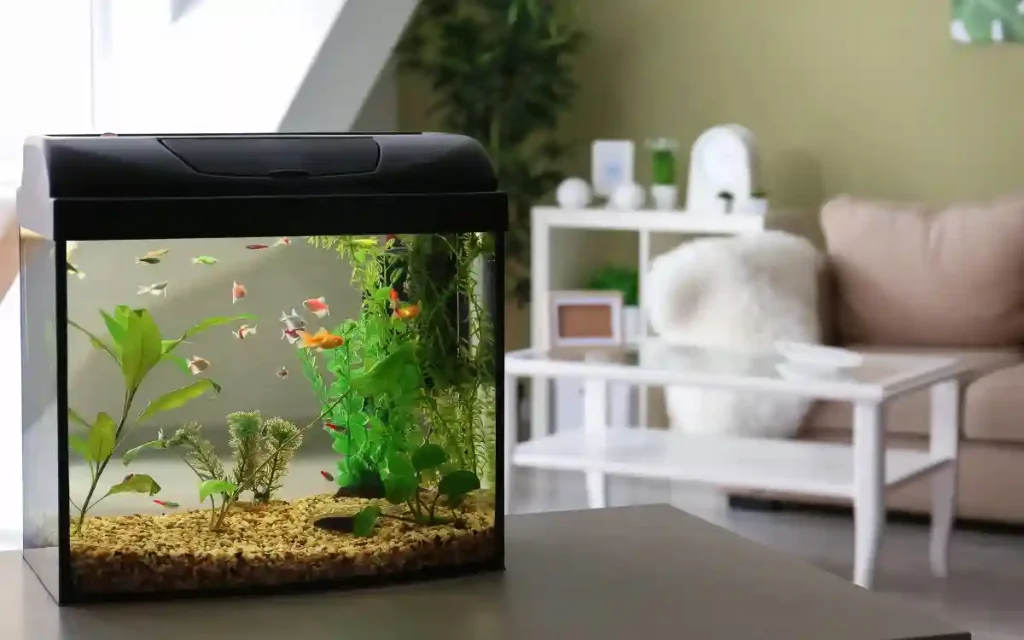
Before you start, it’s important to understand the basic setup. A freshwater aquarium doesn’t require too many things, but each item plays an important role in keeping the environment stable.
You’ll need a tank, a filter to keep the water clean, and lighting so you can see your fish and support plant growth if you decide to add them. A heater is optional depending on the fish you choose, but most tropical fish need stable warm water.
Substrate, like sand or gravel, goes at the bottom of the tank. It’s not just for looks—it helps beneficial bacteria grow. You’ll also need a water conditioner to remove harmful chemicals from tap water.
Step-by-Step Freshwater Aquarium Setup
Setting up your aquarium properly from day one makes everything easier later. Most problems beginners face come from rushing this stage.
Start by choosing a tank size. Smaller tanks might seem easier, but they are actually less stable. A slightly larger tank gives you more room for error and keeps water conditions more consistent.
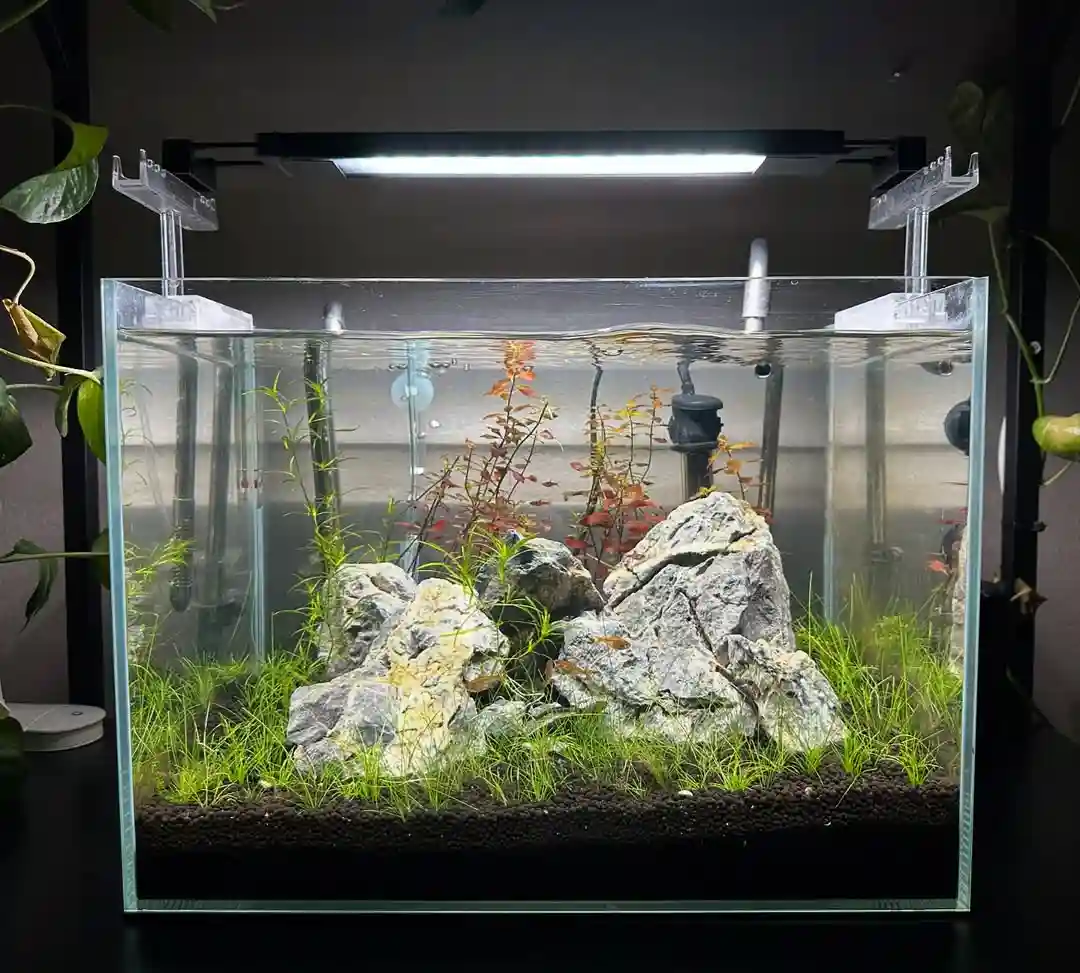
Once you have your tank, add the substrate. Spread it evenly across the bottom and rinse it first if needed. Then place decorations like rocks or driftwood. This gives your fish places to hide and reduces stress.
Next, install your filter and heater. Make sure everything is placed correctly before adding water. Once ready, slowly fill the tank with water and add a water conditioner to make it safe.
Now comes the most important step cycling the aquarium. This process allows beneficial bacteria to grow and break down harmful waste. Without cycling, fish are exposed to toxic ammonia, which is one of the biggest reasons beginners lose fish early.
After cycling, you can start adding fish slowly. Never add too many at once. Give your tank time to adjust to each new addition.
Should You Add Live Plants?
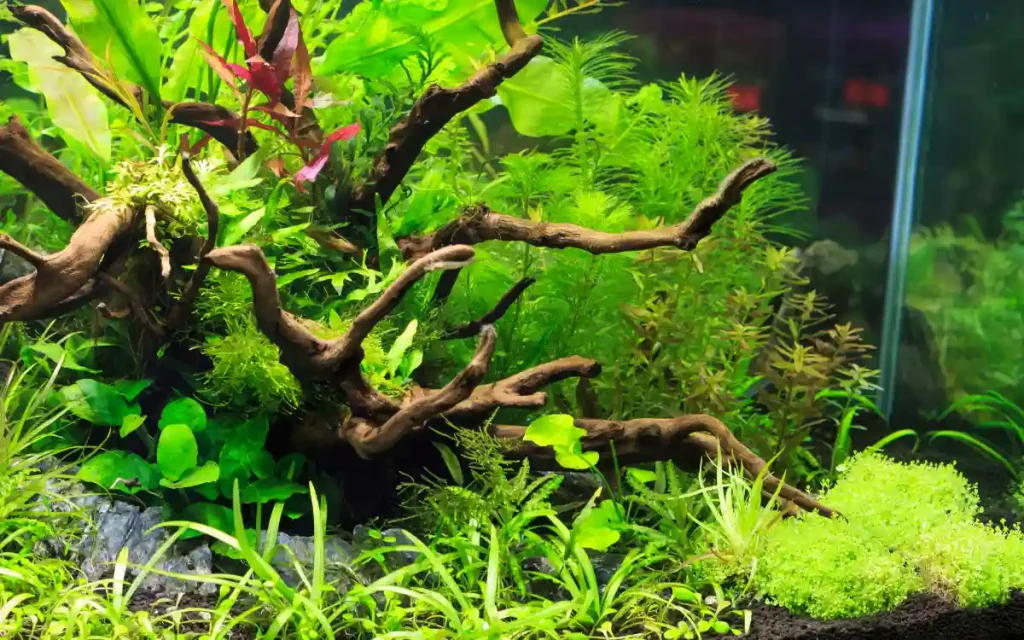
Live plants are not required, but they make a big difference in a freshwater aquarium. They help improve water quality, reduce algae, and create a more natural environment for your fish.
For beginners, it’s best to start with easy plants that don’t need strong lighting or special care. You can explore simple plant options here: Explore Aquarium plant
Floating plants are another great choice because they are easy to maintain and grow quickly: Floating aquarium plants
If your tank doesn’t have strong lighting, these low-light plants are a safe starting point: Low light plants for aquarium
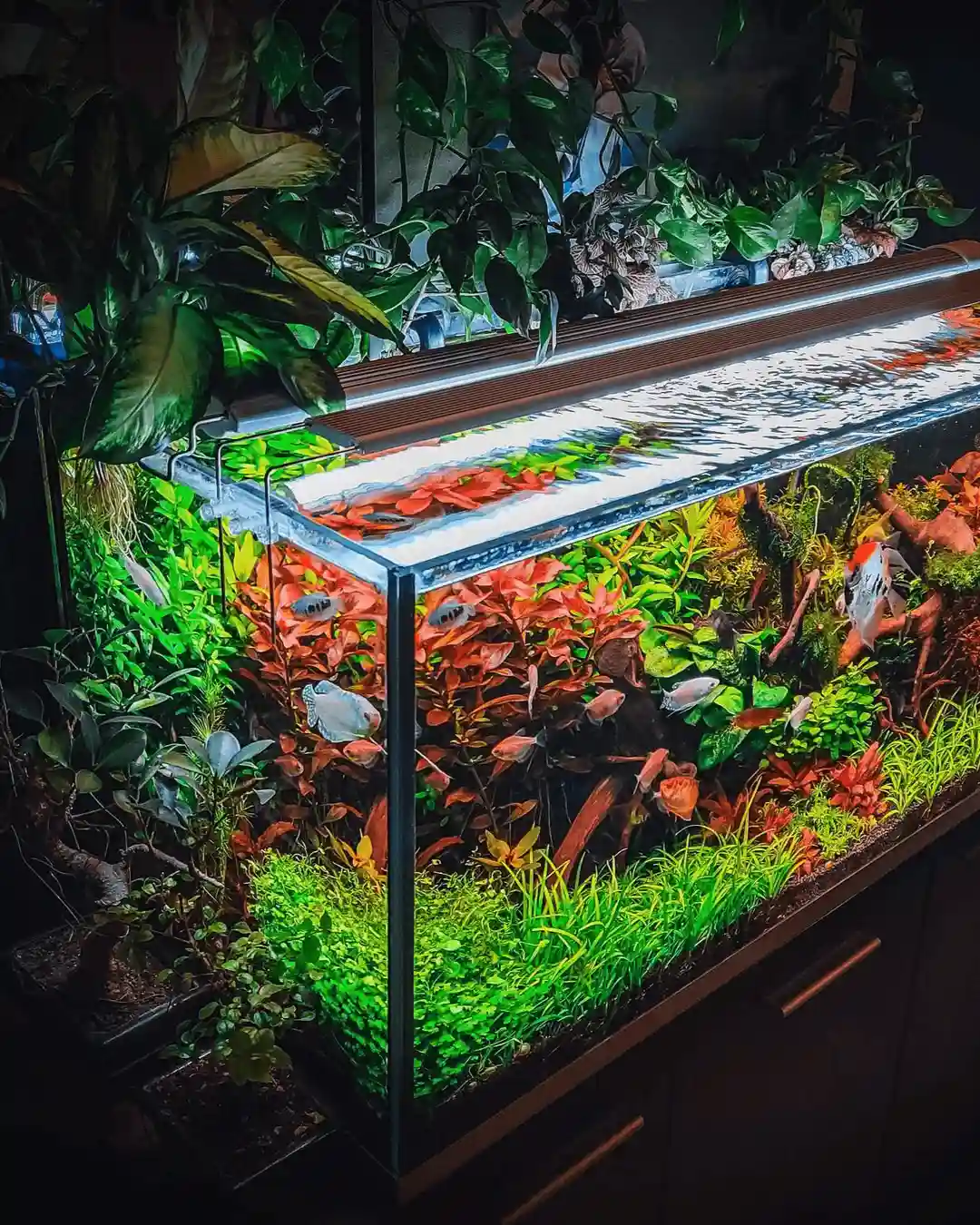
Planted Tank Setup
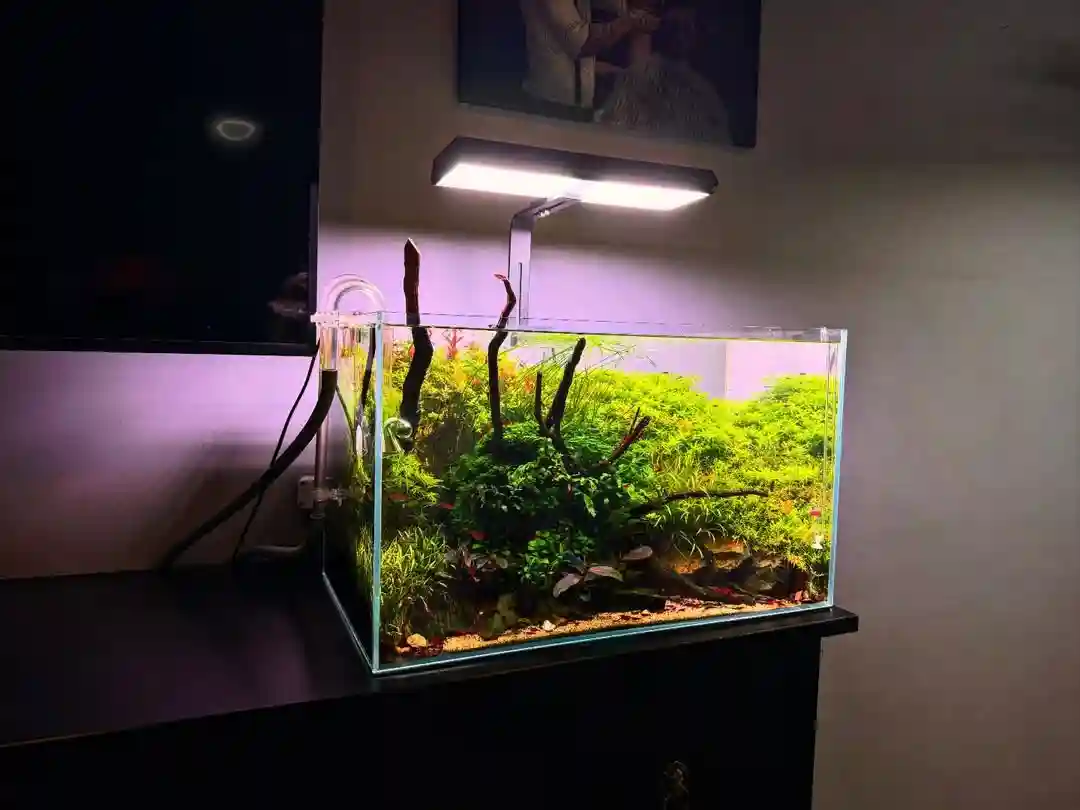
Once you’re comfortable with a basic setup, you can move to a planted aquarium. This takes things to another level, but it also requires more planning.
A planted tank focuses more on plant growth, substrate quality, and lighting. You may need better substrate and consistent care to keep plants healthy.
Easy Aquascaping Ideas for Beginners
Aquascaping is simply the art of arranging plants and decorations in your tank. You don’t need to create anything complicated. Even a simple layout can make your aquarium look clean and natural.
Start with basic layouts and avoid overcrowding the tank. Focus on balance and leave enough open space for fish to swim.
If you want beginner-friendly ideas, check this guide: Aquascaping for beginners
Choosing the Right Plants for Your Aquarium
Not all plants are the same. Some grow fast, some stay small, and others need more care.
Foreground plants are used at the front of the tank to create a clean look: Foreground plants
Fast-growing plants are great for beginners because they help control algae: Fast growing plant
If you want a carpet-style look at the bottom, you can explore: Carpet plant guide
Common Beginner Mistakes to Avoid
Most aquarium problems happen because of a few simple mistakes. Adding fish too early is one of the biggest issues. If the tank isn’t cycled, fish are exposed to harmful toxins.
Overfeeding is another common mistake. Extra food quickly pollutes the water and leads to poor conditions. Choosing the wrong tank size or incompatible fish also creates stress in the tank.
Basic Aquarium Maintenance Routine
A healthy aquarium doesn’t need constant work, but it does need regular care.
Changing a portion of the water weekly helps keep the environment stable. Cleaning the tank, checking equipment, and observing fish behavior are all part of a simple routine.
The key is consistency. Small regular maintenance is much better than occasional deep cleaning.
Do You Need a Quarantine Tank?
A quarantine tank is not required for beginners, but it can help prevent problems later. It allows you to observe new fish before adding them to your main tank.
This reduces the risk of diseases spreading and keeps your main aquarium safe.
Once your tank is ready, choosing the right fish is just as important. If you’re new, start with beginner-friendly species that are easy to care for and adapt well to new tanks.You can explore this list of beginner-friendly fish here: Beginner freshwater fish guide
Frequently Asked Questions
How long should I wait before adding fish?
You should wait until the tank is fully cycled. This usually takes a few weeks, depending on the setup.
Can I skip the cycling process?
No. Skipping cycling is one of the fastest ways to lose fish.
Do I need a heater for my aquarium?
It depends on the fish. Most tropical fish need a heater, but some species can live in room temperature water.
How many fish should I add at once?
Start with a small number and add more gradually. This helps keep the tank stable.
Final Thoughts
Setting up a freshwater aquarium doesn’t have to be complicated. If you focus on the basics and avoid rushing the process, you’ll have a stable and healthy tank from the start.
Take your time, keep things simple, and build step by step. As you gain experience, you can explore planted tanks, aquascaping, and more advanced setups.