24 Types of Betta Fish(With Color & Patterns)
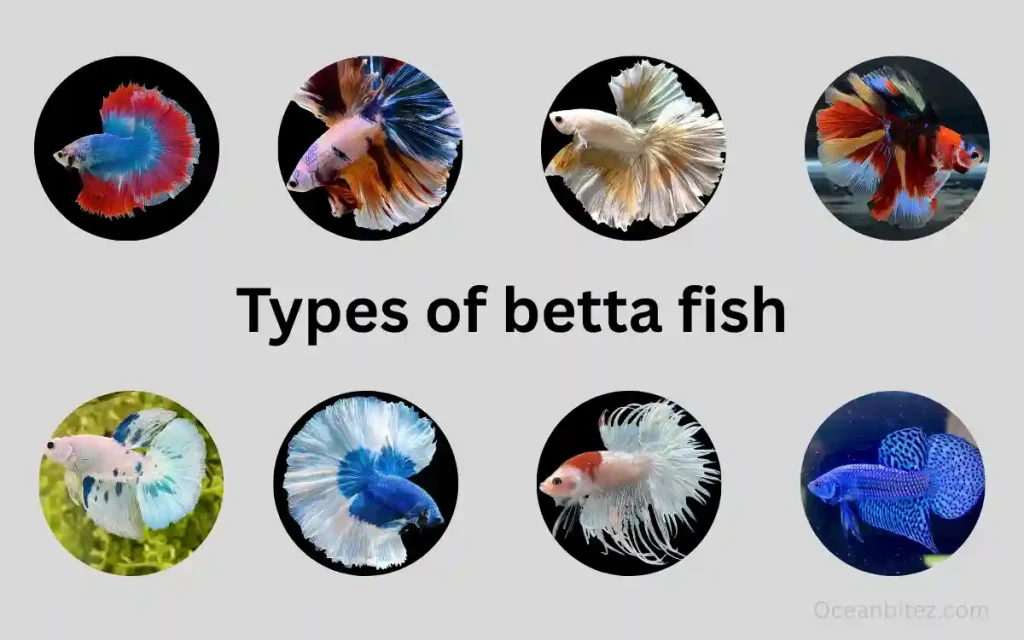
Betta fish come in many different types, mainly based on their tail shape, colors, and patterns. The most common types you’ll see are Veiltail, Plakat, Halfmoon, and Crowntail, while rarer varieties like Galaxy Koi, Samurai, and Alien Betta are popular among collectors.
If you’re just starting, focus more on easy-care types like Veiltail or Plakat, because some fancy bettas have delicate fins and need extra attention. In this guide, you’ll learn all 24 types, how they look, and which one actually fits your tank and experience level.
1. Veil Tail Betta
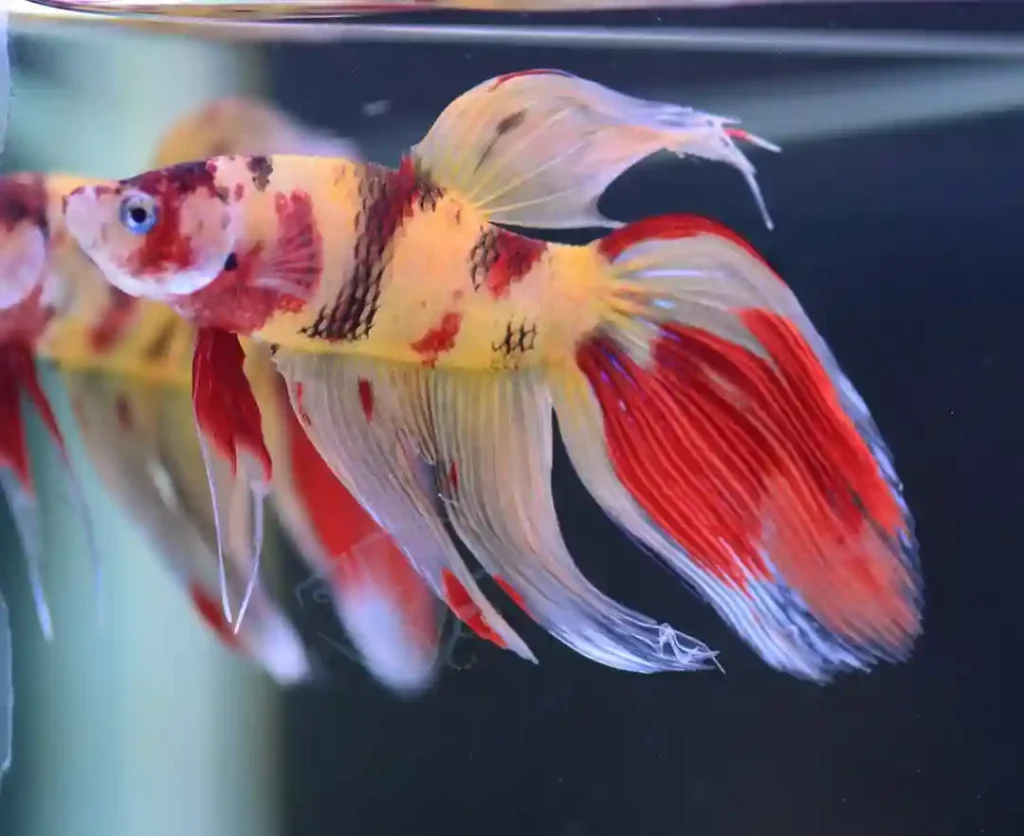
The Veil Tail Betta is the most common type you’ll find in pet stores, making it the go-to choice for beginners. It has long, flowing fins that drape downward like a soft curtain, giving it a graceful look in the water. Compared to other fancy bettas, this type is more hardy and adapts well to basic tank setups.
Because of its simple genetics, it’s less prone to fin damage and health issues. If you’re setting up your first tank, this is one of the safest and easiest bettas to start with.
Key Traits:
- Long, downward-flowing tail
- Very common and affordable
- Beginner-friendly and hardy
2. Plakat Betta
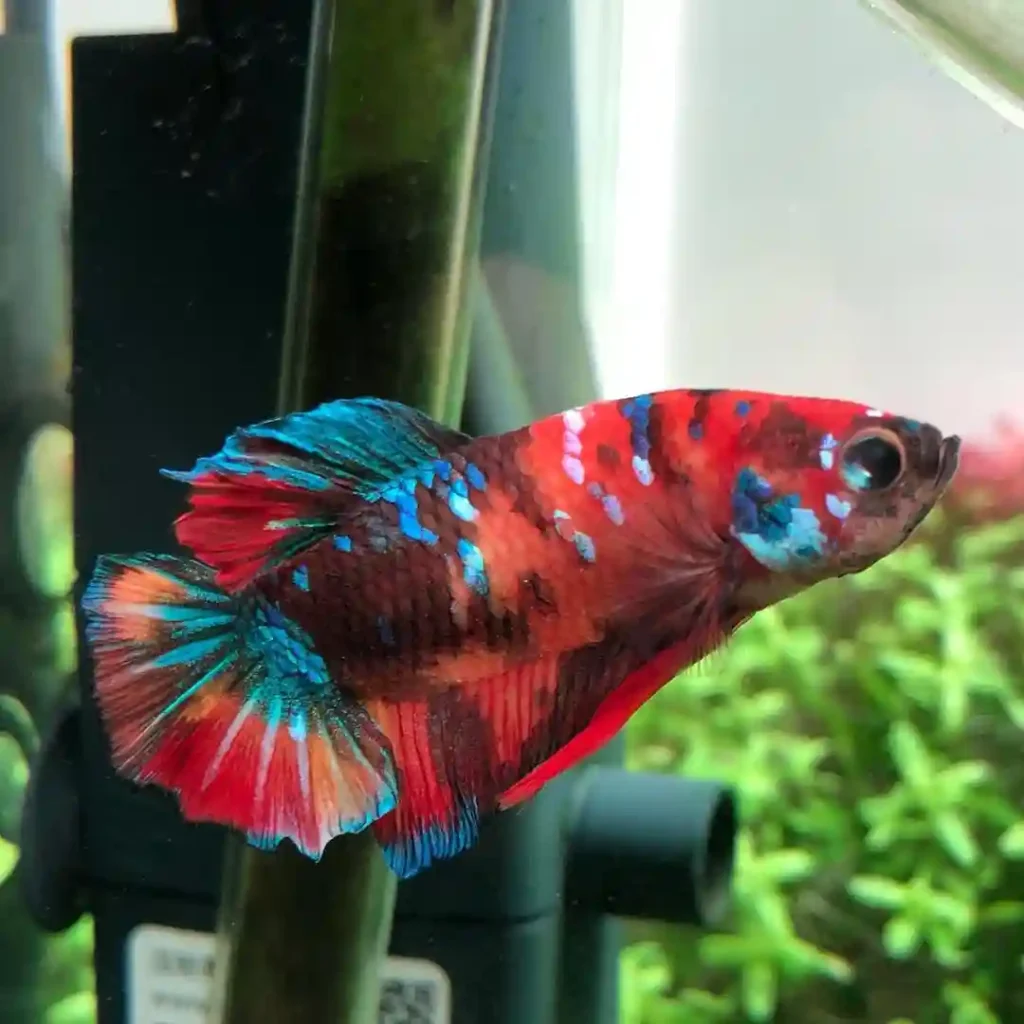
The Plakat Betta is a short-finned variety that looks much closer to wild bettas found in nature. Unlike long-fin types, it is a fast and active swimmer, which makes it more engaging to watch in a tank. Because it doesn’t have heavy fins dragging it down, this betta is stronger, more agile, and less likely to suffer from fin tears or infections.
This type is a solid choice if you want a low-maintenance betta with fewer health issues. However, it can be slightly more aggressive than long-fin varieties, so tank mates should be chosen carefully.
Key Traits:
- More durable than long-fin bettas
- Short, compact fins
- Highly active and fast swimmer
3. Crown Tail Betta
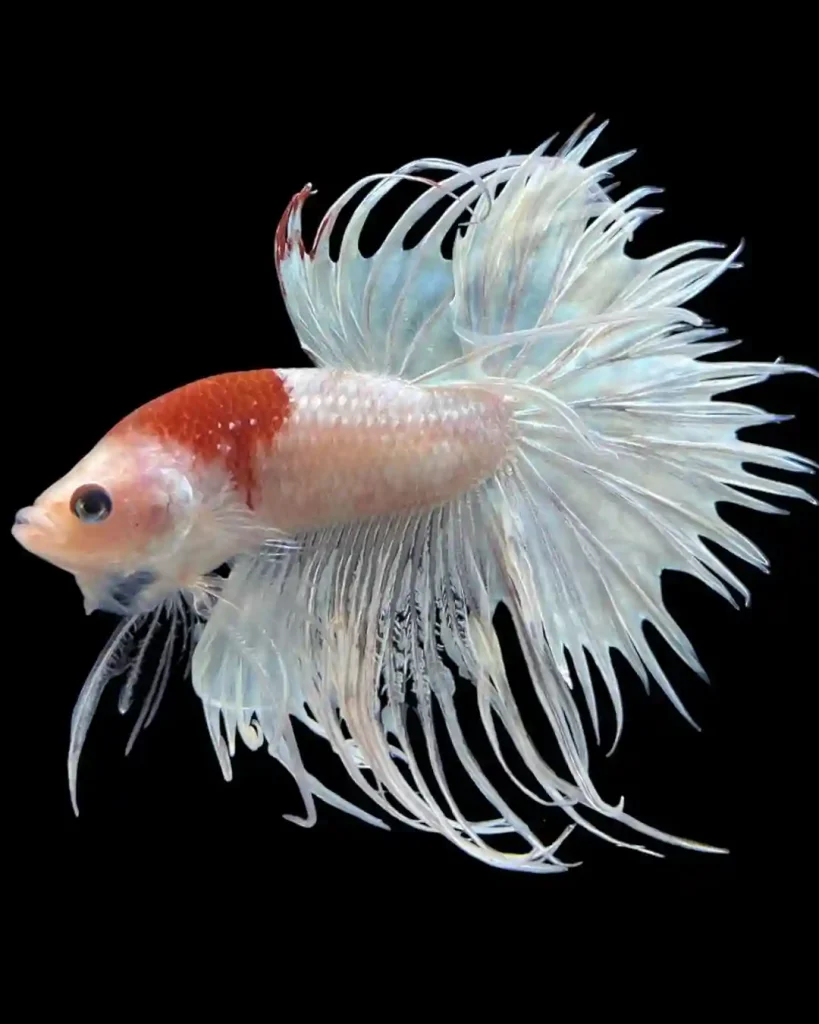
The Crown Tail Betta stands out instantly because of its spiky, crown-like fins. The webbing between the fin rays is reduced, which creates a sharp and edgy look compared to smoother tail types. This makes it one of the most visually unique bettas you can keep.
While they are not the hardest to care for, their fins can be slightly more sensitive to poor water conditions. Clean water and stable parameters are important to keep those spikes looking sharp and healthy. They are active swimmers and add a bold personality to any tank.
Key Traits:
- Moderately hardy with proper care
- Spiky fins with “crown” appearance
- Unique and eye-catching design
4. Halfmoon Betta
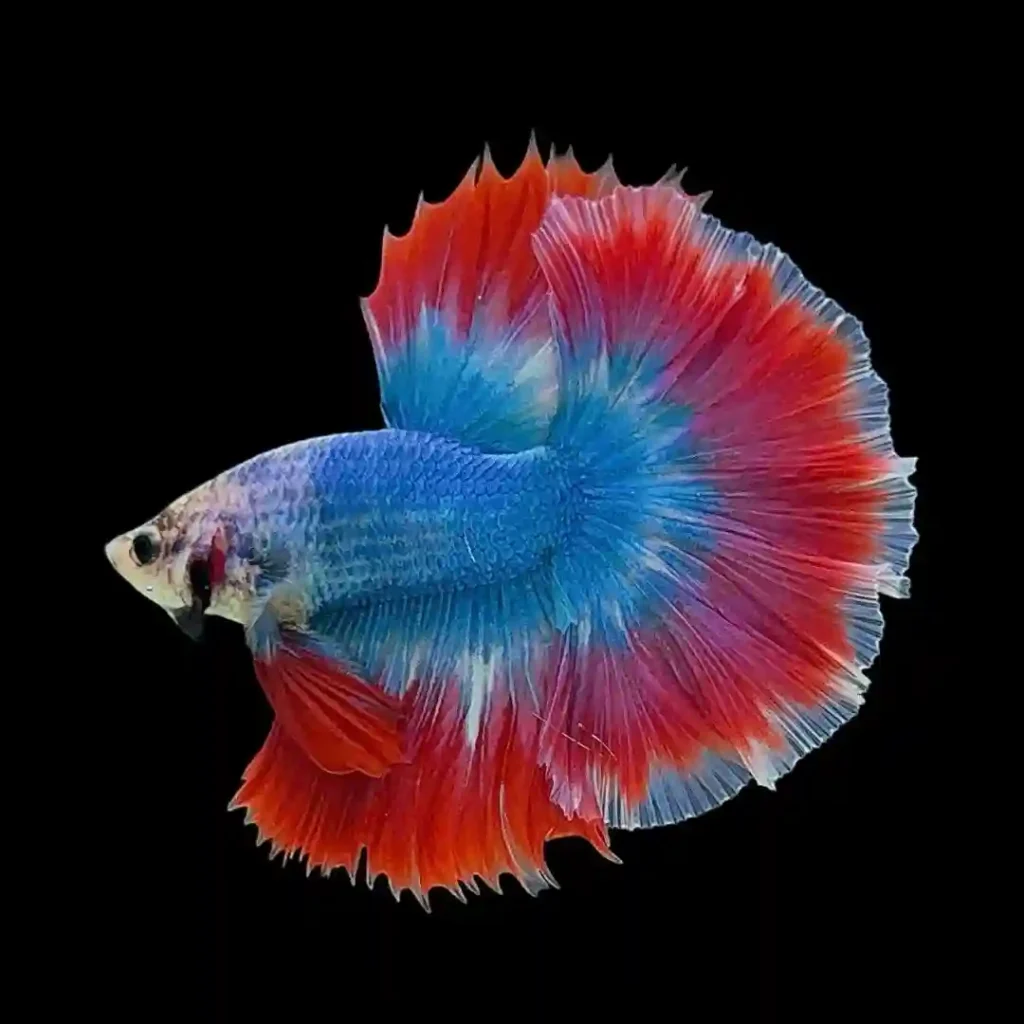
The Halfmoon Betta is one of the most popular and sought-after types because of its perfect 180-degree tail spread. When fully flared, its tail forms a smooth semicircle, giving it a very full and balanced appearance. This makes it a favorite for display tanks and photography.
However, those large fins come with a trade-off. They are heavier and more delicate, which means this betta can struggle in strong currents and is more prone to fin damage. It’s best suited for owners who can maintain stable water conditions and gentle filtration.
Key Traits:
- More delicate than beginner types
- 180-degree tail spread
- Very full and symmetrical fins
5. Double Tail Betta
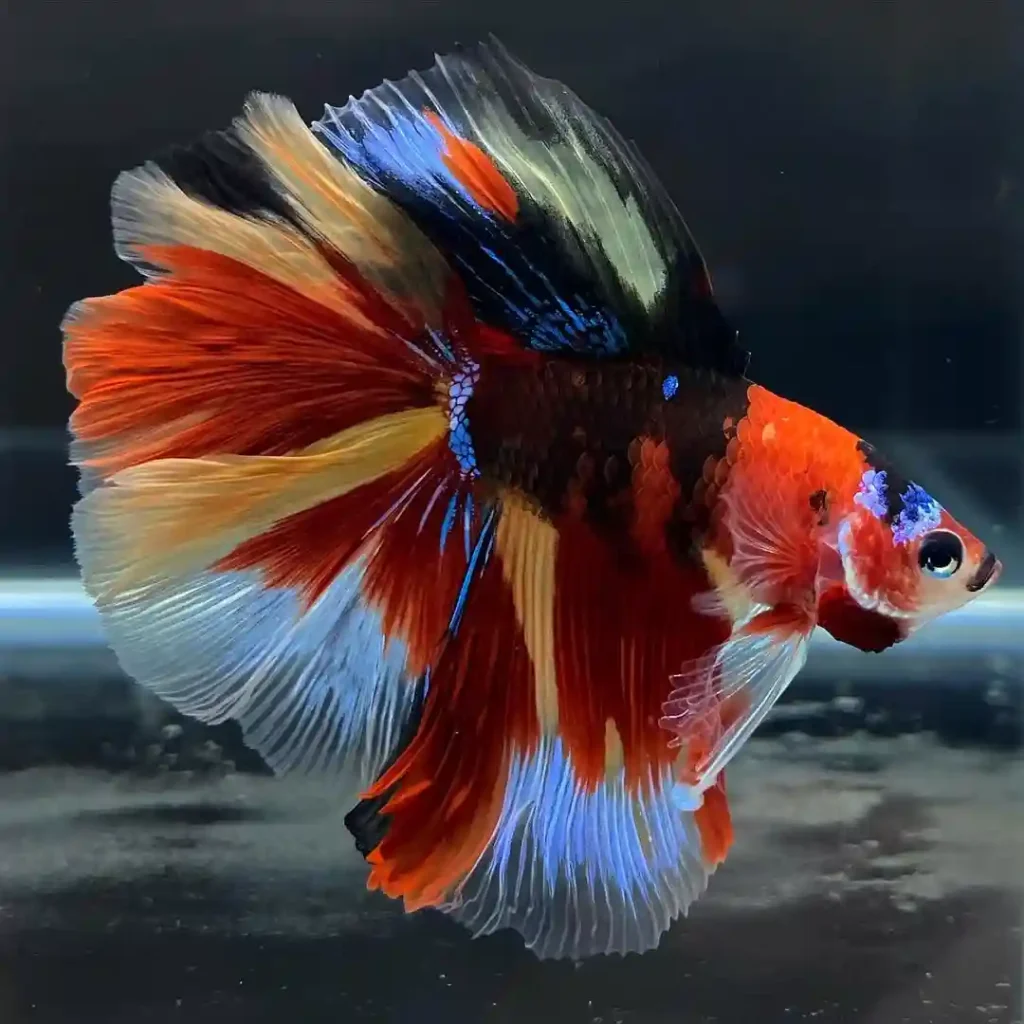
The Double Tail Betta is easy to recognize because its tail is split into two distinct lobes instead of one. This gives the fish a fuller and wider appearance, especially when viewed from above. Along with the unique tail, it often has a broader body and larger dorsal fin compared to other types.
While it looks impressive, this type can be slightly more sensitive due to its genetics. Overfeeding and poor water conditions can lead to swim issues, so regular maintenance is important. It’s a good choice if you want something different but still manageable.
Key Traits:
- Slightly more sensitive than basic types
- Tail split into two lobes
- Wider body and fuller appearance
6. Delta Tail Betta

The Delta Tail Betta has a neat, triangular tail that spreads outward but doesn’t reach the full 180-degree span of a Halfmoon. It sits right in the middle between simple and fancy, making it a balanced choice for many aquarists.
This type is easier to care for than larger fin varieties because the fins are not overly heavy or fragile. It still looks elegant in the tank while being more forgiving if conditions are not perfect. That makes it a solid option for beginners who want something slightly more stylish than a Veiltail.
Key Traits:
- Easy to maintain
- Triangular tail spread
- Balanced between simple and fancy
7. Super Delta Betta

The Super Delta Betta is like an upgraded version of the Delta Tail. Its tail spreads much wider, coming close to the Halfmoon’s 180-degree range but not fully reaching it. This gives it a fuller and more dramatic look without being as delicate as a true Halfmoon.
Because of this balance, it offers both beauty and practicality. The fins are still large, but not overly heavy, so the fish remains fairly active and manageable. It’s a great middle-ground option if you like big fins but want fewer complications.
Key Traits:
8. Spade Tail Betta
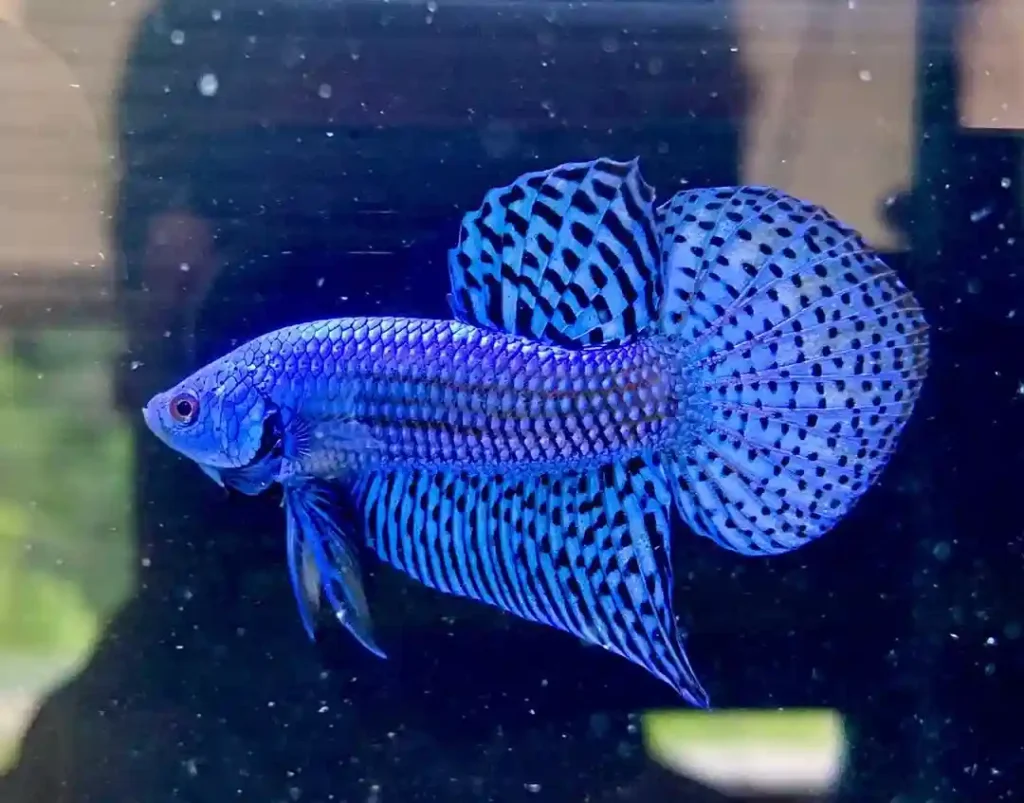
The Spade Tail Betta gets its name from its tail shape, which looks like a playing card spade. The tail starts wider at the base and narrows down to a rounded point, giving it a clean and simple appearance. It’s not as flashy as Halfmoon or Crowntail types, but it has a unique charm that stands out once you notice it.
This type is relatively rare in stores but easy to care for if you find one. Its moderate fin size makes it less prone to damage, and it swims comfortably in most setups.
Key Traits:
9. Round Tail Betta
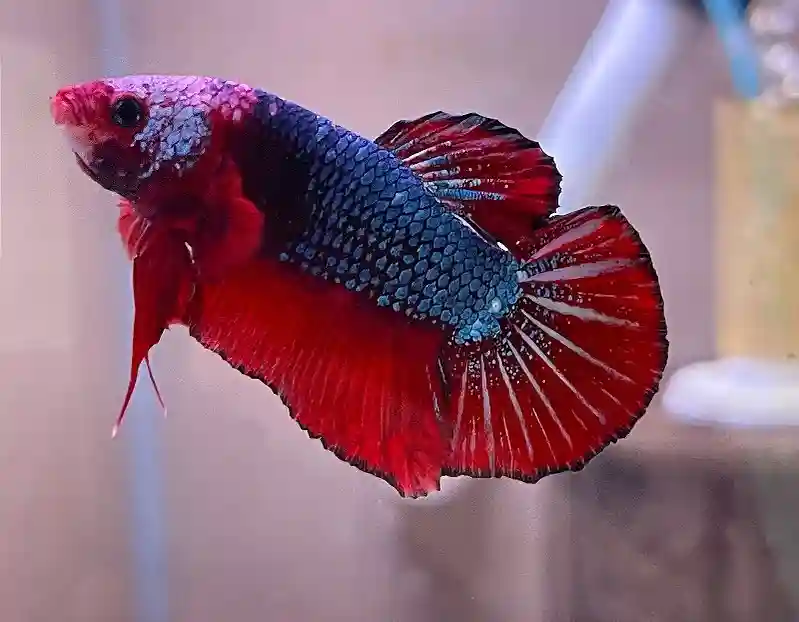
The Round Tail Betta has a smooth, curved tail with no sharp edges or extreme spread. It looks natural and balanced, often resembling wild betta forms more than fancy breeds. Because of its simple structure, it is less likely to experience fin tearing or stress from swimming.
Many beginners overlook this type because it’s not flashy, but it’s actually one of the more practical choices. It stays active, handles water flow better, and requires less maintenance compared to heavy-fin varieties.
Key Traits:
10. Combtail Betta
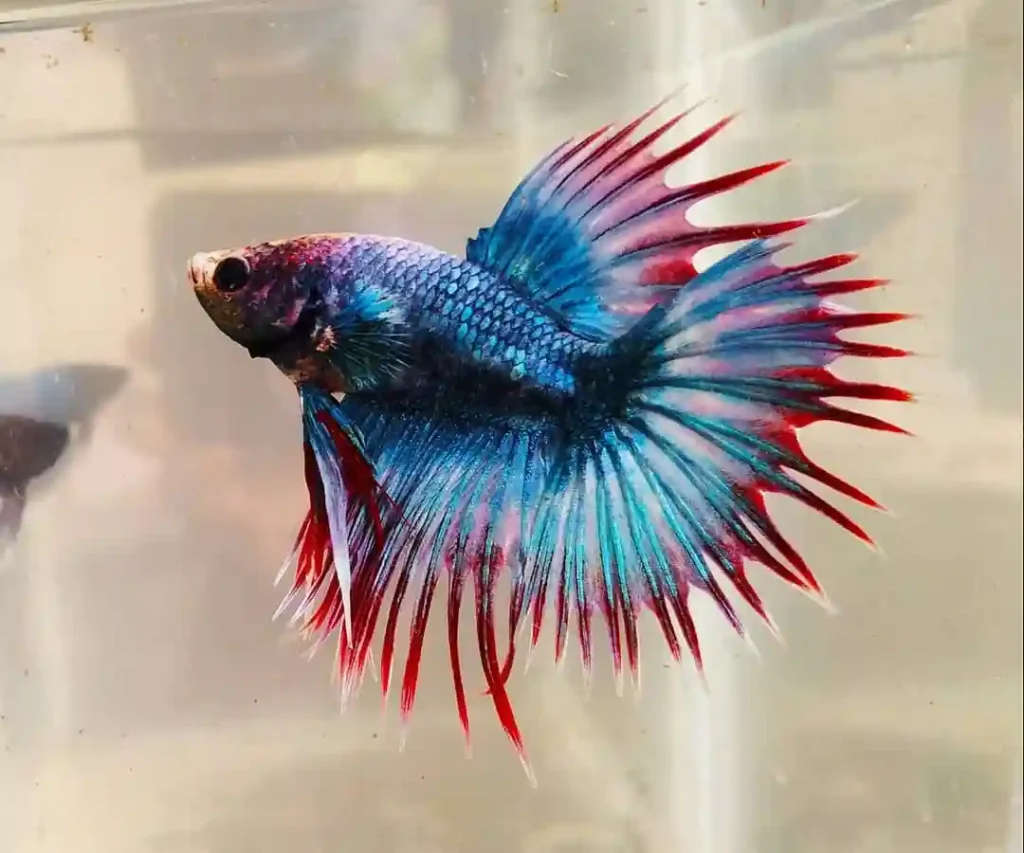
The Combtail Betta is a mix between a Veiltail and a Crowntail, which gives it slightly extended fin rays without the full spiky look. The edges of the fins appear lightly “toothed,” creating a subtle textured effect rather than sharp spikes.
This type offers a nice middle-ground for people who like the Crowntail style but want something easier to manage. It is generally hardy and adapts well to standard tank conditions, making it suitable for most hobbyists.
Key Traits:
11. Feathertail Betta
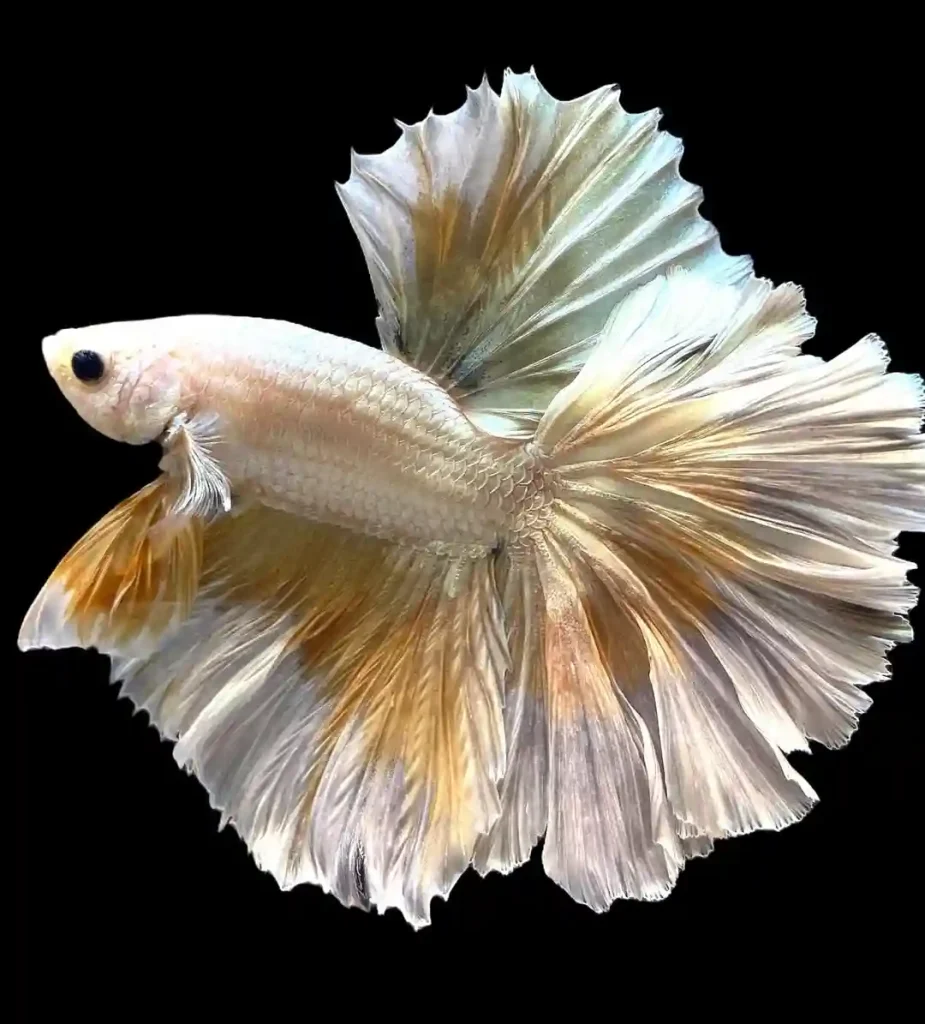
The Feathertail Betta is one of the most dramatic-looking types, with heavily ruffled fins that look almost like soft feathers. This effect comes from extreme branching in the fins, which creates a layered and frilly appearance. It’s visually stunning but also one of the most delicate bettas you can keep.
Because of the complex fin structure, these bettas are more prone to tearing and infections. They require very stable water conditions and gentle flow to stay healthy. This type is better suited for experienced fish keepers.
Key Traits:
- Sensitive and fragile
- Highly ruffled, feather-like fins
- Very unique and decorative
12. Dumbo Betta
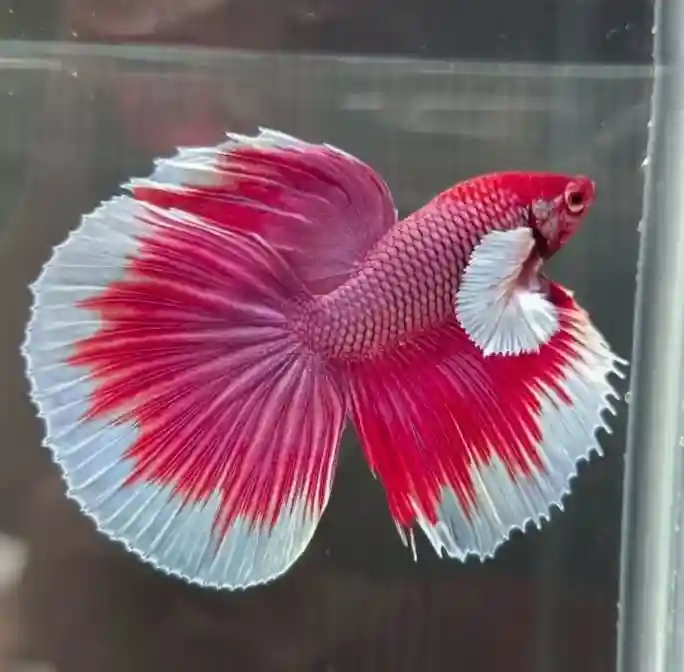
The Dumbo Betta, also called the Elephant Ear Betta, is known for its oversized pectoral fins that resemble ears. These large fins move constantly as the fish swims, giving it a very distinctive and eye-catching style. Even when it’s not moving much, those “ears” make it stand out in any tank.
Despite its appearance, this betta is generally calm and easy to care for. However, the extra fin size can slow it down slightly, so it prefers tanks with gentle water movement and easy access to the surface.
Key Traits:
- Generally calm and peaceful
- Large “ear-like” pectoral fins
- Unique and easy to recognize
13. Giant Betta
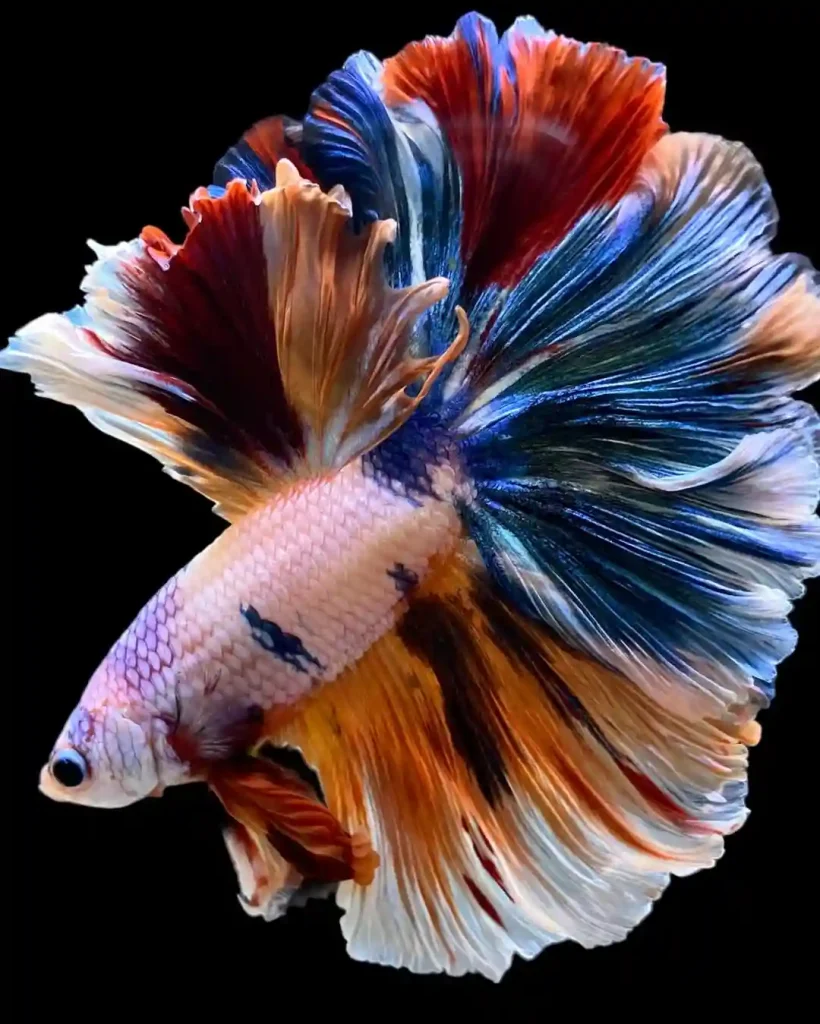
The Giant Betta is a larger version of the standard betta, often growing up to 3–5 inches or more depending on genetics. Aside from its size, it looks similar to other betta types but has a stronger presence in the tank. Because of its larger body, it eats more and produces more waste, which means tank maintenance becomes more important.
This type is not difficult to care for, but it does require more space than regular bettas. A small tank won’t be enough for long-term health, so proper setup is key if you choose this variety.
Key Traits:
- Needs bigger tank and better filtration
- Much larger than standard bettas
- Strong and active presence
14. Alien Betta
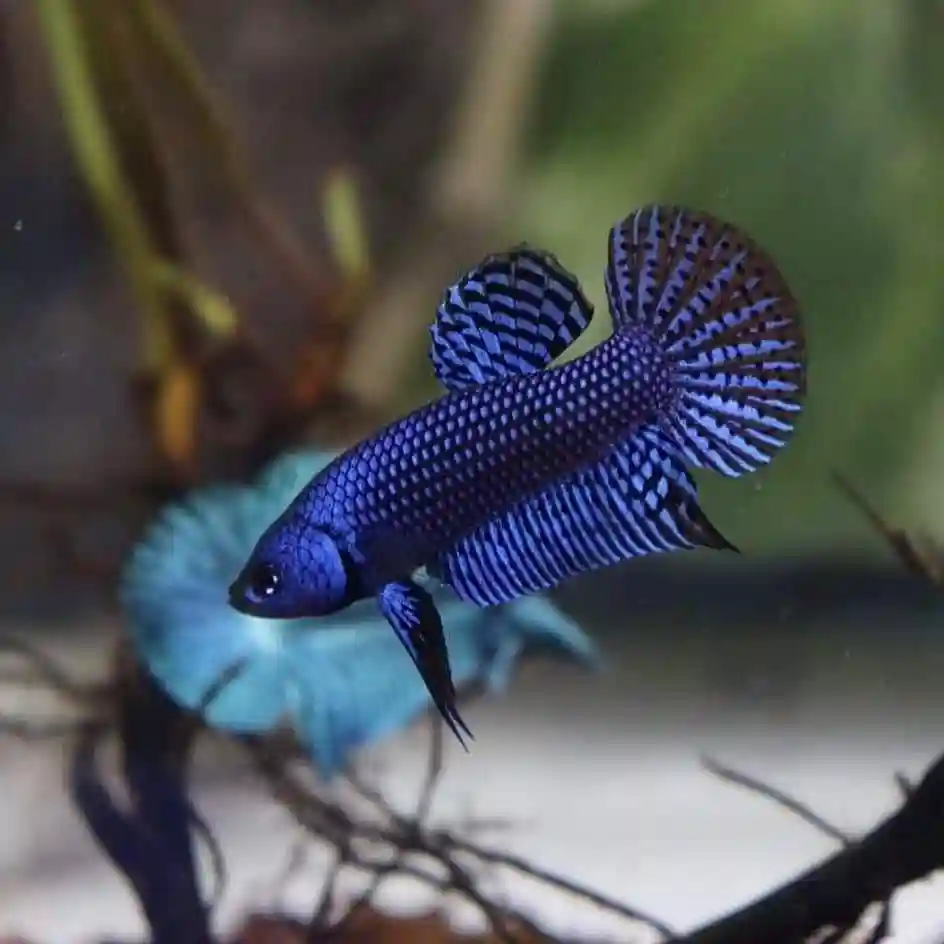
The Alien Betta has a wild, almost futuristic appearance with metallic colors and unusual patterns. It’s a hybrid type bred from wild betta species, which gives it a more natural body shape and stronger swimming ability compared to many fancy varieties.
This betta is known for being active and slightly more alert than typical pet store bettas. Its colors often shift between green, blue, and copper tones depending on lighting. It’s a great choice if you want something rare that still feels closer to nature.
Key Traits:
- Active and alert swimmer
- Metallic, wild-style coloration
- More natural body and behavior
15. Samurai Betta
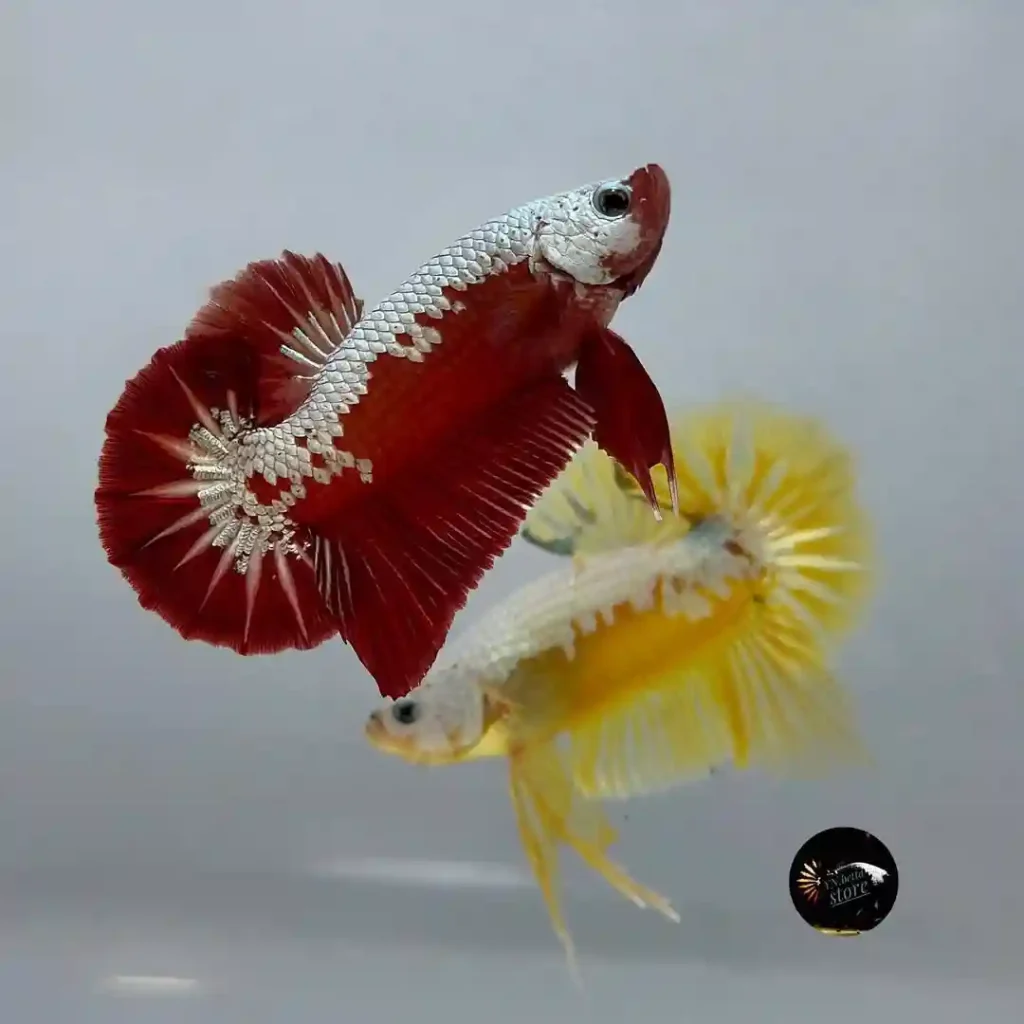
The Samurai Betta is a premium variety known for its thick, armor-like scales that often appear in bold black and white combinations. The heavy scaling gives it a strong, almost plated look, which makes it stand out from softer-looking bettas.
This type is usually more expensive and considered a collector’s fish. While care is similar to other bettas, the thick scales can sometimes lead to vision issues if they grow over the eyes. Regular observation is important to catch any early problems.
Key Traits:
16. Hellboy Betta
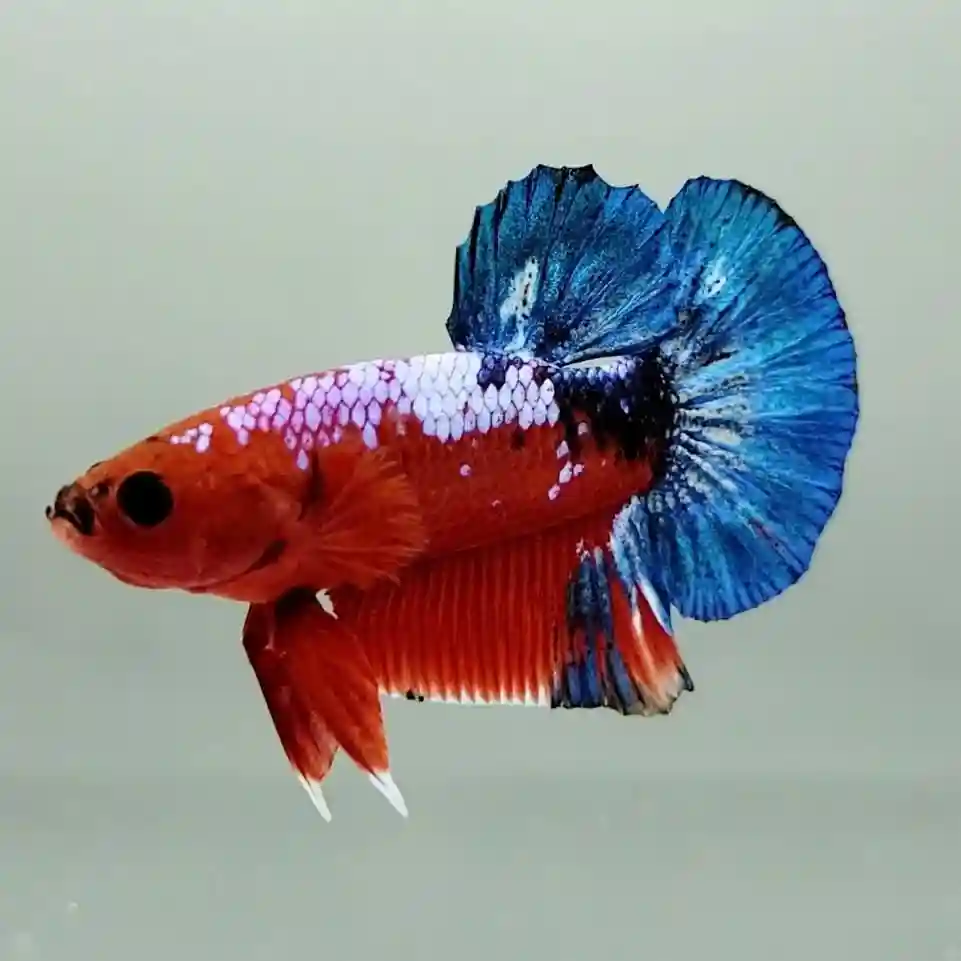
The Hellboy Betta is known for its intense solid red color that stands out strongly in any aquarium. Unlike patterned bettas, this type focuses on bold, uniform coloration, making it simple but very striking. Under good lighting, the red can appear even deeper and more vibrant.
This betta is usually active and behaves like most standard types, so care is not complicated. The main challenge is maintaining its color, which depends on good diet and clean water conditions.
Key Traits:
- Easy to care for
- Solid deep red coloration
- Clean and bold appearance
17. Koi Betta
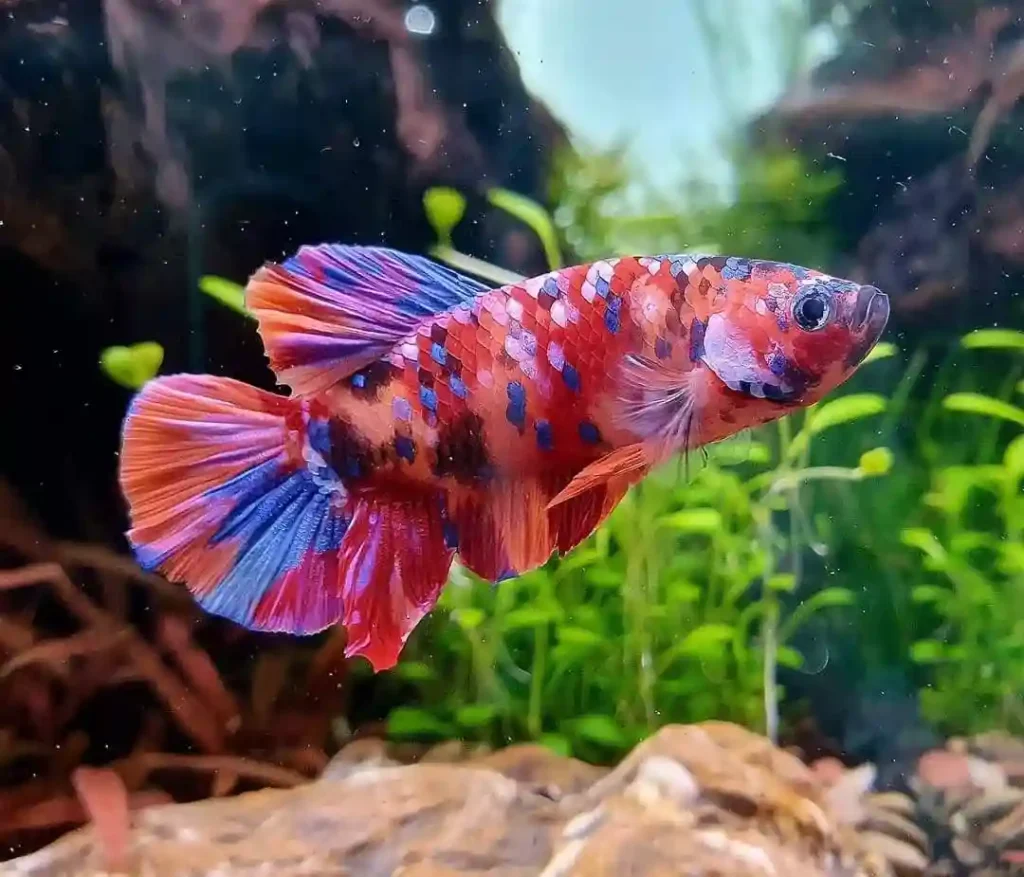
The Koi Betta is one of the most popular modern varieties, inspired by koi pond fish patterns. It features a mix of orange, black, white, and sometimes blue in a random marble pattern. What makes it even more interesting is that its colors can change over time due to the marble gene.
Each Koi Betta looks different, so no two are exactly alike. This makes them highly desirable for hobbyists who want a unique fish in their tank.
Key Traits:
18. Galaxy Koi Betta
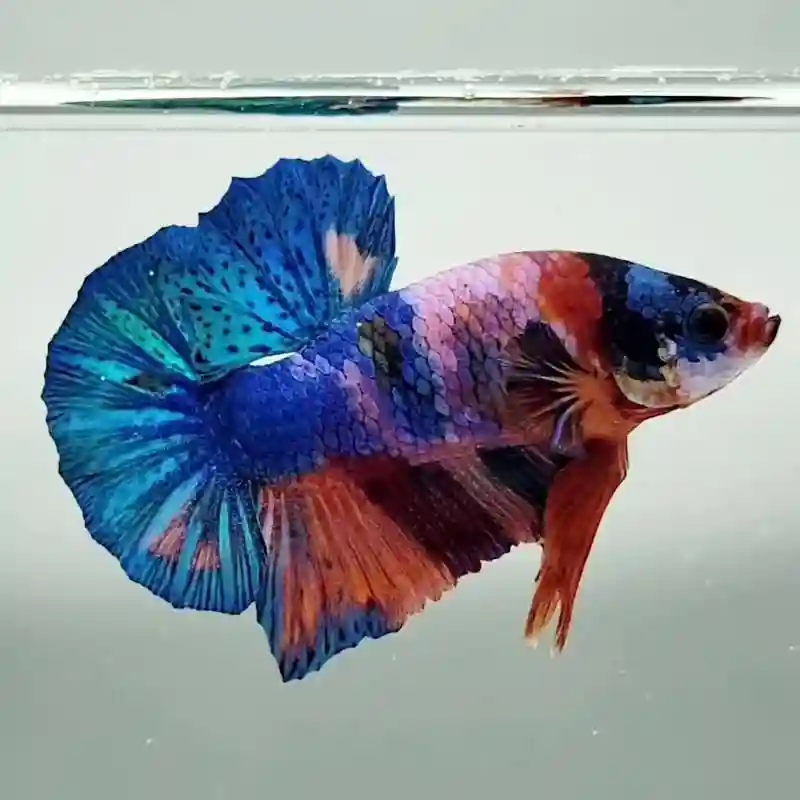
The Galaxy Koi Betta takes the standard koi pattern and adds metallic or iridescent spots across the body and fins. These shimmering dots create a “galaxy” effect, making the fish look more detailed and eye-catching under aquarium lighting.
It’s considered a premium variation of the Koi Betta and is often more expensive. Care is similar to other bettas, but owners usually choose this type for display tanks where its colors can really stand out.
Key Traits:
- Premium variety
- Koi pattern with metallic speckles
- Highly decorative and rare
19. Nemo Betta
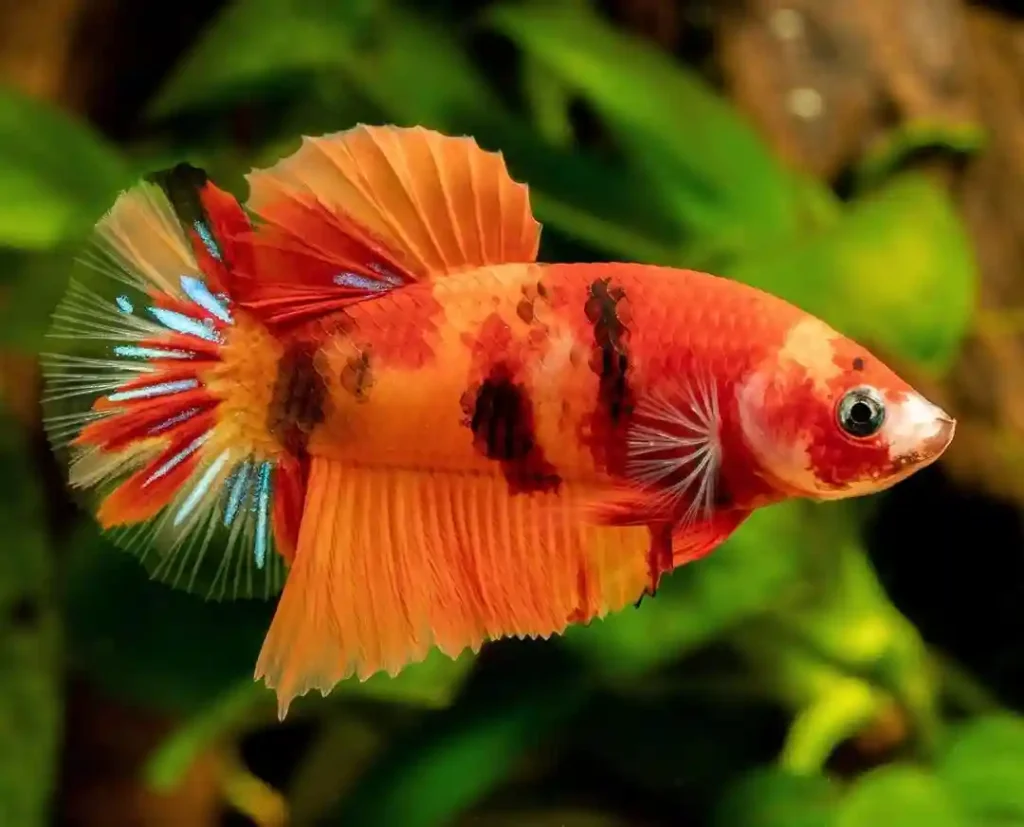
The Nemo Betta is named after its bright orange and red tones, similar to a clownfish. It often includes patches of white, black, or yellow, giving it a lively and playful appearance. This type is actually a variation of the Koi Betta, but with stronger orange dominance.
Like other marble-pattern bettas, its colors may shift over time. This keeps the fish visually interesting, especially for long-term owners who enjoy watching the changes.
Key Traits:
- Color changes possible
- Bright orange/red dominant colors
- Related to Koi Betta patterns
20. Fancy Betta
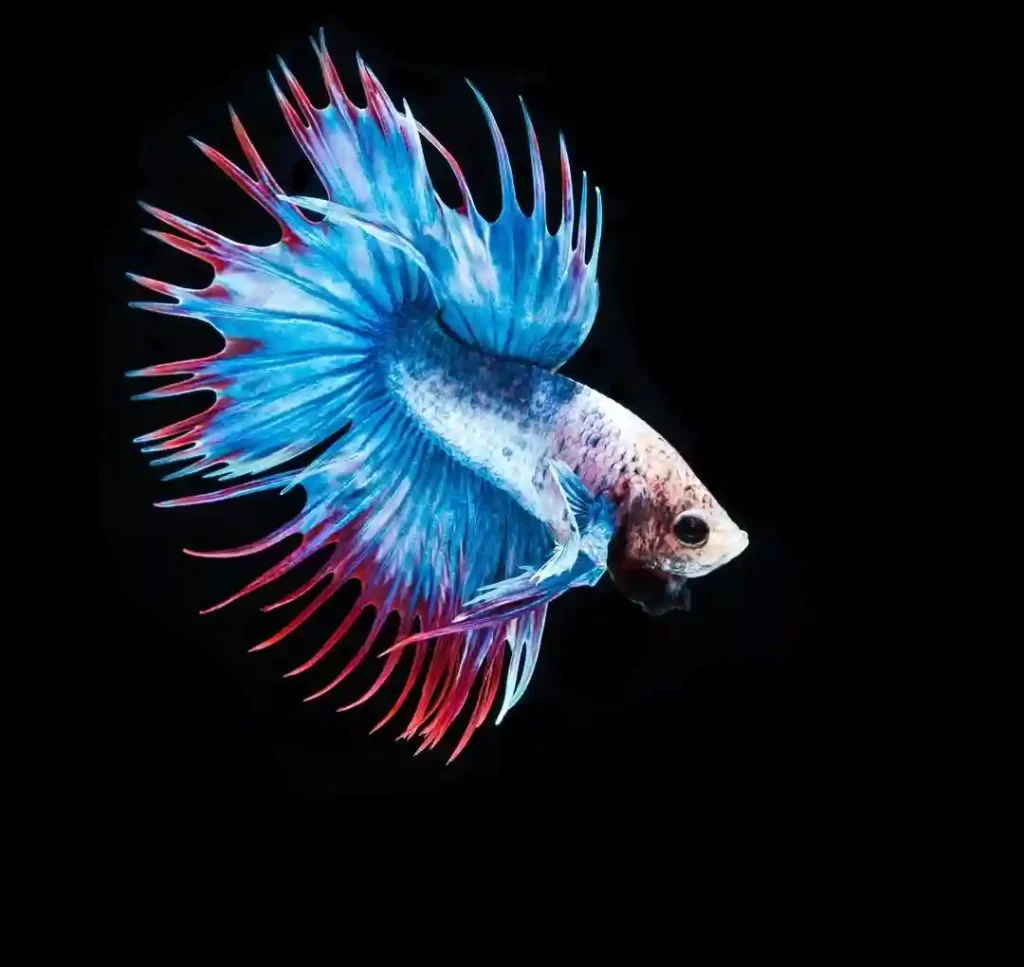
The Fancy Betta is not a single fixed type but a mix of different colors and patterns combined into one fish. You’ll often see blends of red, blue, yellow, and metallic shades in unpredictable designs. Because there’s no strict standard, each Fancy Betta looks completely unique.
This variety is common in pet stores and is a great option if you want something colorful without paying premium prices for rare types. Care is the same as most standard bettas, making it beginner-friendly.
Key Traits:
- Easy to find and affordable
- Mixed colors and unpredictable patterns
- No fixed standard appearance
21. Dragon Scale Betta
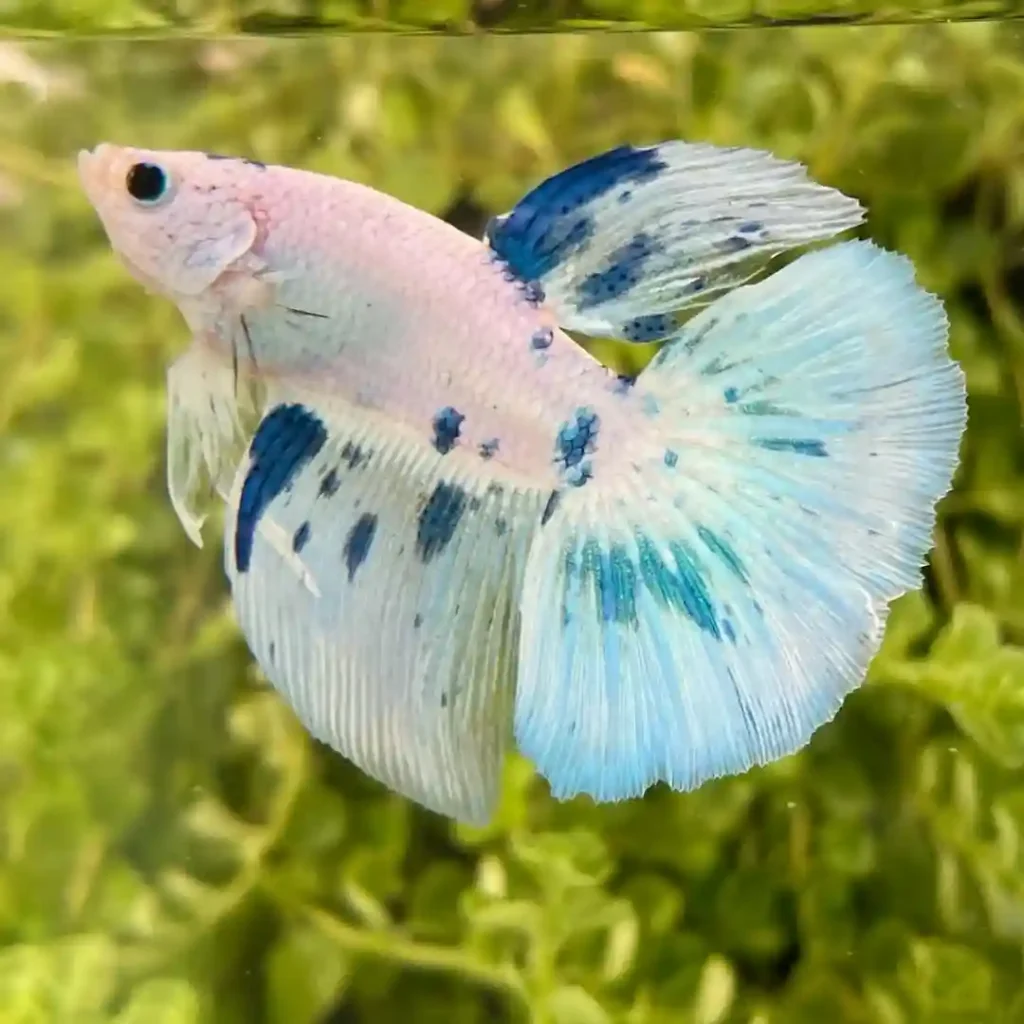
The Dragon Scale Betta is known for its thick, metallic scales that look like armor plating across the body. These scales are often bright white, silver, or metallic blue, creating a strong contrast with the underlying color.
While it looks impressive, this type needs a bit more attention. The heavy scaling can sometimes grow over the eyes, a condition often called “diamond eye,” which may affect vision. Regular observation helps catch any issues early.
Key Traits:
- Slight risk of vision issues
- Thick, armor-like metallic scales
- High contrast coloration
22. Mustard Gas Betta
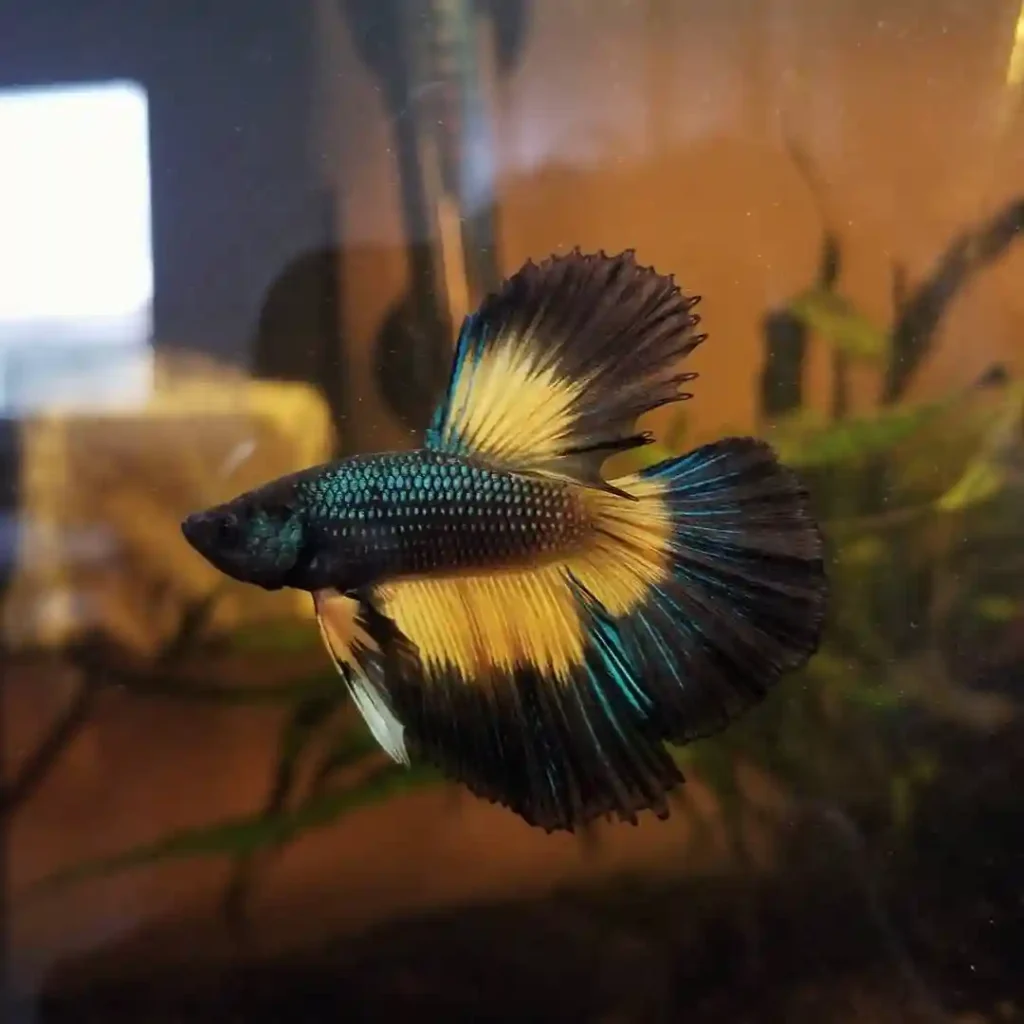
The Mustard Gas Betta has a very distinct color combination, usually featuring a dark blue or green body with bright yellow or orange fins. This strong contrast makes it one of the easiest bettas to identify at a glance.
It’s a stable and well-established variety, meaning care requirements are similar to other common bettas. If you want something colorful but not overly rare or expensive, this is a great middle-ground option.
Key Traits:
- Easy to care for
- Blue body with yellow fins
- Strong color contrast
23. Copper Betta

The Copper Betta is a metallic variety that shines with a bronze or copper-like finish across its body. Depending on the lighting, it can reflect shades of gold, brown, or even slight green tones. This reflective quality makes it look different from every angle.
It’s a hardy type and doesn’t require any special care beyond standard betta needs. Many hobbyists choose this fish for its clean, uniform look rather than complex patterns.
Key Traits:
- Hardy and easy to maintain
- Metallic copper or bronze sheen
- Reflective scales under light
24. Butterfly Betta
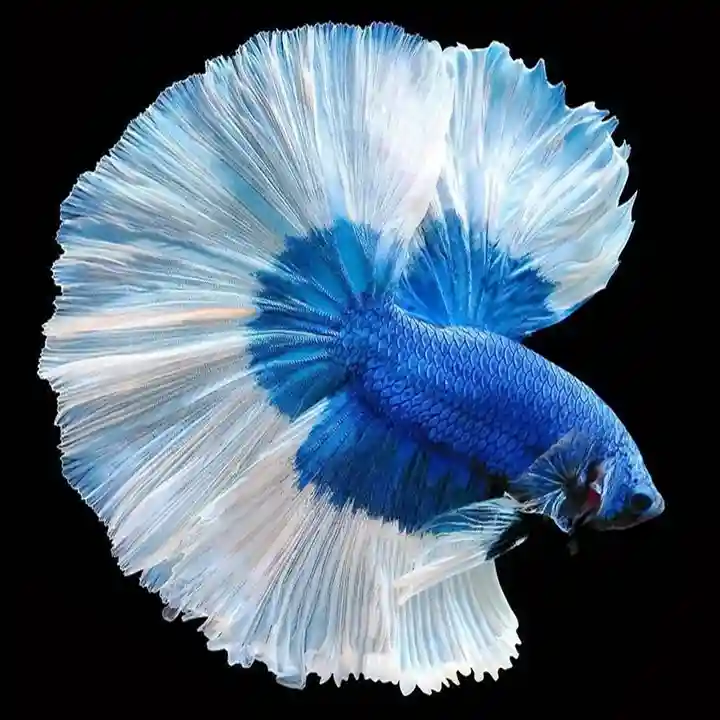
The Butterfly Betta is known for its clean two-tone fin pattern. The base color of the fins is usually darker, while the edges are lighter or transparent, creating a sharp border that looks like butterfly wings. This pattern gives the fish a neat and well-defined appearance.
It’s widely available and easy to care for, making it suitable for beginners. The main appeal is its balanced and symmetrical look, which stands out without being overly complex.
Key Traits:
- Beginner-friendly
- Two-tone fin pattern
- Clean, defined edges
Read also: 250+ Betta Fish Names
FAQs
What is the rarest type of betta fish?
Some of the rarest bettas include Alien Betta, Samurai Betta, and Galaxy Koi Betta. These are usually bred in limited numbers and often have unique genetics or patterns. Because of that, they tend to be more expensive and harder to find in local stores.
Which betta fish type is best for beginners?
If you’re new, go with Veil Tail, Plakat, or Delta Tail Bettas. These types are more hardy, easier to care for, and less likely to develop fin damage. Avoid delicate types like Feathertail or Halfmoon until you have more experience.
Can different types of betta fish live together?
No, male bettas regardless of type are highly territorial and will fight if kept together. Even if they look different (like Plakat vs Halfmoon), they are still the same species. It’s best to keep one male per tank unless you’re experienced with special setups like sororities (female groups).
Do all betta fish need the same care?
Yes, most betta types have similar basic care needs:
- Warm water (24–28°C)
- Clean, filtered tank
- High-protein diet
However, long-fin types like Halfmoon or Feathertail need extra care because their fins are more delicate and prone to damage.
Which betta fish type lives the longest?
There isn’t a major difference by type, but Plakat and short-fin bettas often live slightly longer because they are more active and less prone to fin-related issues. With proper care, most bettas live 3 to 5 years.
Do betta fish change color over time?
Yes, especially Koi, Nemo, and Galaxy Bettas. These types carry the marble gene, which causes their colors and patterns to shift as they grow. Sometimes the change is small, and sometimes it’s very noticeable.
What size tank is best for different betta types?
- Standard bettas: minimum 5 gallons
- Giant bettas: 10 gallons or more
- Active types like Plakat: benefit from slightly larger tanks
Smaller tanks may keep them alive, but not healthy long-term.
Are expensive betta fish harder to care for?
Not always, but many premium types (like Samurai or Dragon Scale Bettas) can have specific issues related to genetics. You’re mostly paying for appearance, not easier care. In fact, some expensive bettas need more attention, not less.