
7 Best Tank Mates for African Cichlids (That Won’t Cause Trouble)

African cichlids are colorful, active, and full of personality. They are also not the easiest fish to mix with other species.
Many beginners make the same mistake: they add peaceful community fish to an African cichlid tank and hope everything works out. Most of the time, it does not. African cichlids can chase, nip, guard territories, and stress out weaker fish very quickly.
The good news is that African cichlids can have tank mates, but you need to choose fish that are fast, tough, and comfortable in hard, alkaline water. This guide covers the best African cichlid tank mates, which fish to avoid, and how to set up the tank so there is less fighting.
If you are keeping a specific cichlid species, you may also want to read these guides: Peacock Cichlid Tank Mates, Jewel Cichlid Tank Mates, and Firemouth Cichlid Tank Mates.
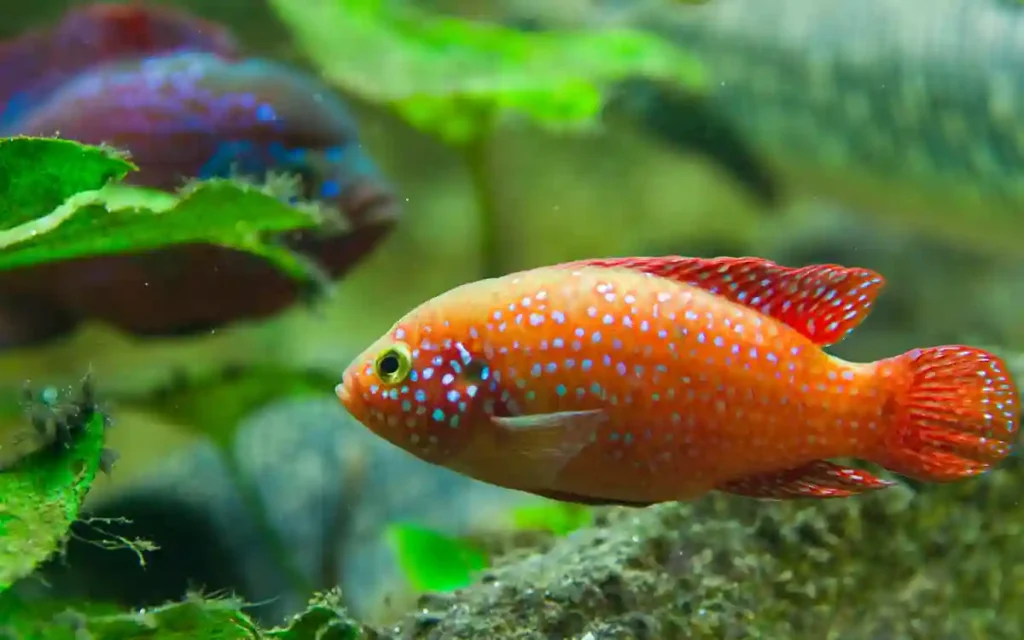
Quick Compatibility Chart
| Tank Mate | Compatibility | Best Tank Size | Notes |
| Synodontis Catfish | Excellent | 55+ gallons | One of the safest choices |
| Bristlenose Pleco | Good | 55+ gallons | Better than common plecos for most tanks |
| Giant Danios | Good | 55+ gallons | Fast upper-level swimmers |
| Boesemani Rainbowfish | Good | 75+ gallons | Best with calmer cichlid setups |
| Turquoise or Red Rainbowfish | Good | 75+ gallons | Active and colorful |
| Peacock Cichlids with Haps | Good | 75+ gallons | Works when sizes and temperaments match |
| Other Mbuna Cichlids | Good but tricky | 75+ gallons | Best for experienced keepers |
What Makes a Good African Cichlid Tank Mate?
A good tank mate for African cichlids should not be tiny, slow, or delicate.
Most African cichlids, especially Malawi cichlids, prefer hard water with a higher pH. Many also like rocky tanks with caves, open swimming space, and strong filtration. Their tank mates must be able to handle those same conditions.
The best tank mates usually have at least one of these traits:
They are fast swimmers.
They are too large to be eaten.
They live in a different part of the tank.
They can handle rough behavior.
They enjoy similar water conditions.
This is why fish like neon tetras, guppies, bettas, and angelfish are poor choices. They may look nice, but they are not built for the same kind of tank.
1. Synodontis Catfish

Synodontis catfish are one of the best tank mates for African cichlids. If I had to pick only one non-cichlid option, this would be my first choice.
They come from African waters, many species are tough, and they are comfortable in the harder water that African cichlids often need. They also spend most of their time near the bottom, while many cichlids use the middle and lower areas around rocks.
Good Synodontis options include:
| Synodontis Type | Notes |
| Synodontis multipunctatus | Also called cuckoo catfish; popular in cichlid tanks |
| Synodontis petricola | Smaller and very suitable for many African cichlid setups |
| Synodontis eupterus | Larger option; needs more space |
Synodontis catfish help clean up leftover food, but they should not be treated like a cleaning tool. They still need their own food, such as sinking pellets, frozen foods, and meaty foods.
Add caves, rock gaps, and shaded hiding spots. These catfish like places where they can rest away from busy cichlids.
2. Bristlenose Pleco
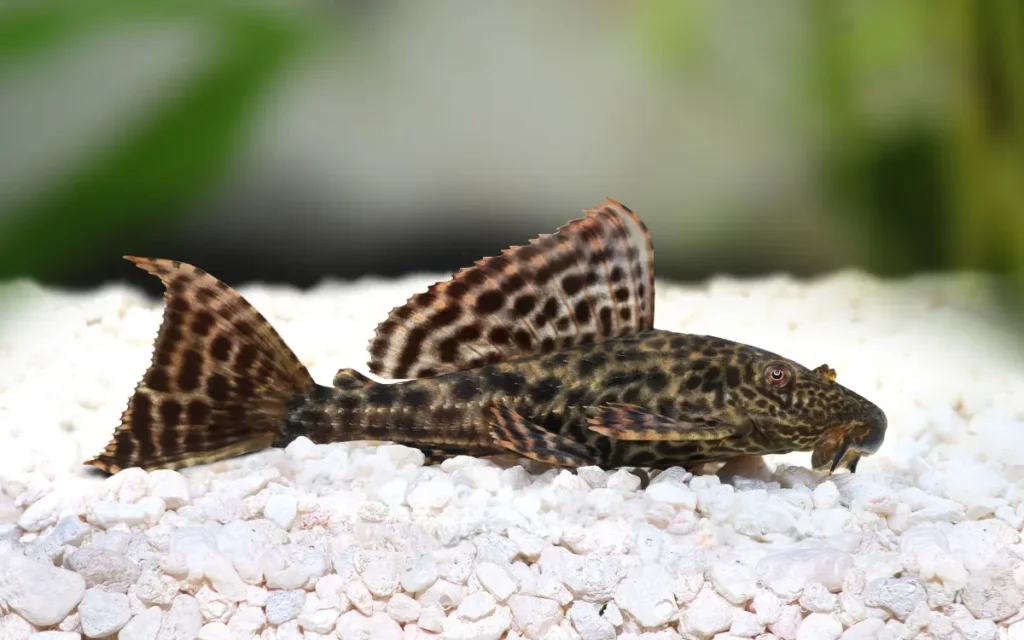
A bristlenose pleco can work well with African cichlids, especially in tanks that need help with algae.
I prefer bristlenose plecos over common plecos for most home aquariums because they stay much smaller. A common pleco can grow too large for many tanks, while bristlenose plecos usually stay around 4 to 6 inches.
They have tough bodies, stay close to surfaces, and are not easy for cichlids to bully once they are settled. Still, they should not be added to a very aggressive tank without hiding spots.
Give them driftwood, caves, and vegetable-based foods. Even if there is algae in the tank, they still need a proper diet.
A bristlenose pleco is best for a 55-gallon tank or larger. In a crowded or aggressive mbuna tank, watch closely during feeding time because cichlids may push them away from food.
3. Giant Danios
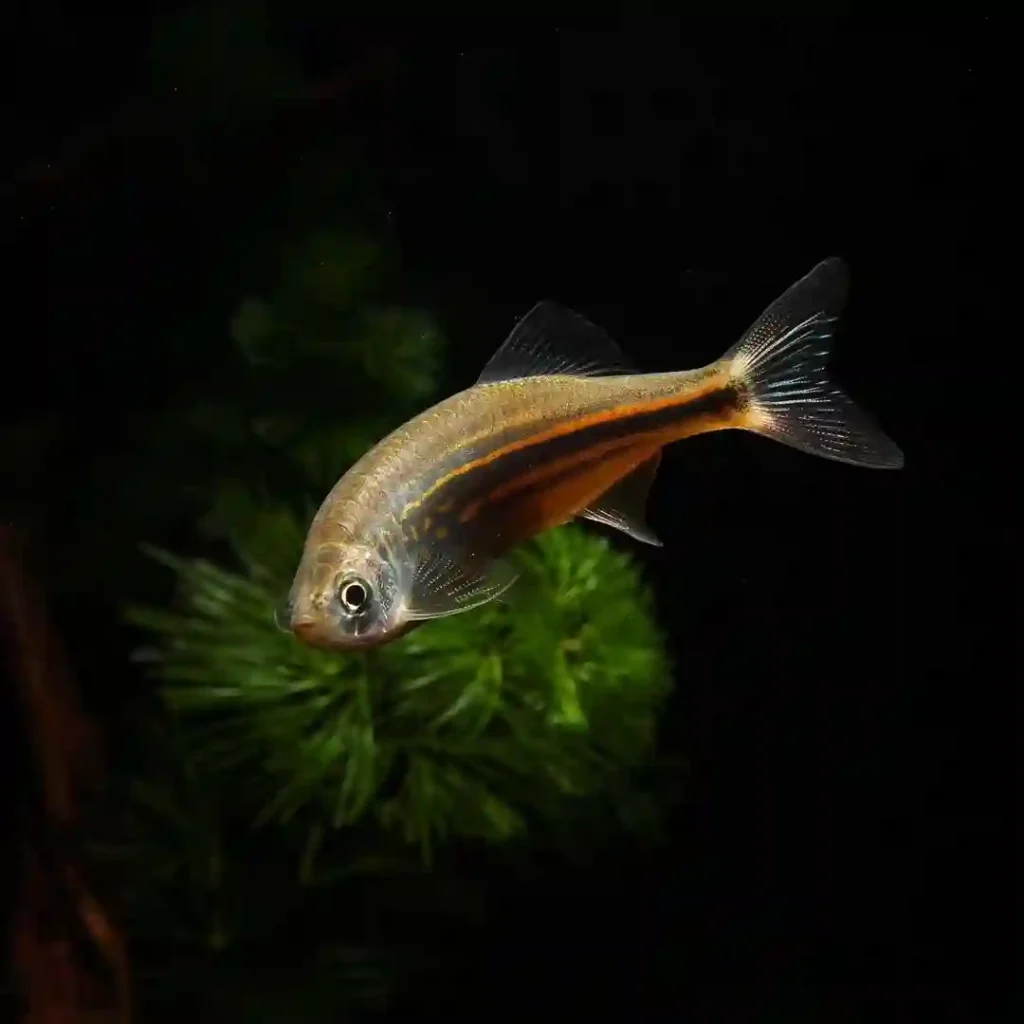
Giant danios are fast, active fish that usually stay in the upper part of the aquarium. This makes them useful in some African cichlid tanks because they do not spend all day fighting for the same rock caves.
They are not a perfect match for every setup, but they can work with many medium African cichlids because they are quick enough to escape chasing.
Keep giant danios in a group of at least 5 or 6. A single danio will feel stressed and may get picked on. In a group, they swim with more confidence and help make the upper part of the tank look active.
They are best in tanks of 55 gallons or larger with open swimming space. Do not pack the top of the tank with too many floating decorations because giant danios need room to move.
4. Rainbow Fish
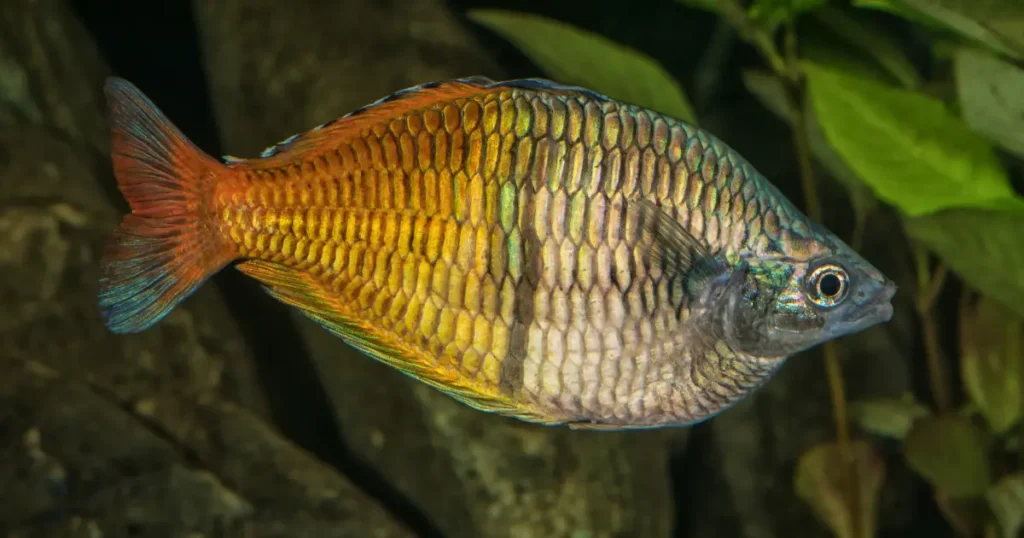
Other larger rainbowfish, such as turquoise rainbowfish and red rainbowfish, can also work with African cichlids in the right setup.
The reason they work is simple: they are active, quick, and not tiny. They usually stay in the middle and upper areas of the tank, while many cichlids spend more time near rocks and territory zones.
Keep them in groups, not pairs. Rainbowfish feel safer in numbers, and they look much better when they are swimming together.
These fish are best in a 75-gallon tank or larger. A smaller tank can make cichlid chasing worse because there is not enough space for everyone to get away.
Use them with calmer African cichlids rather than the most aggressive mbuna species.
5. Larger Rainbowfish
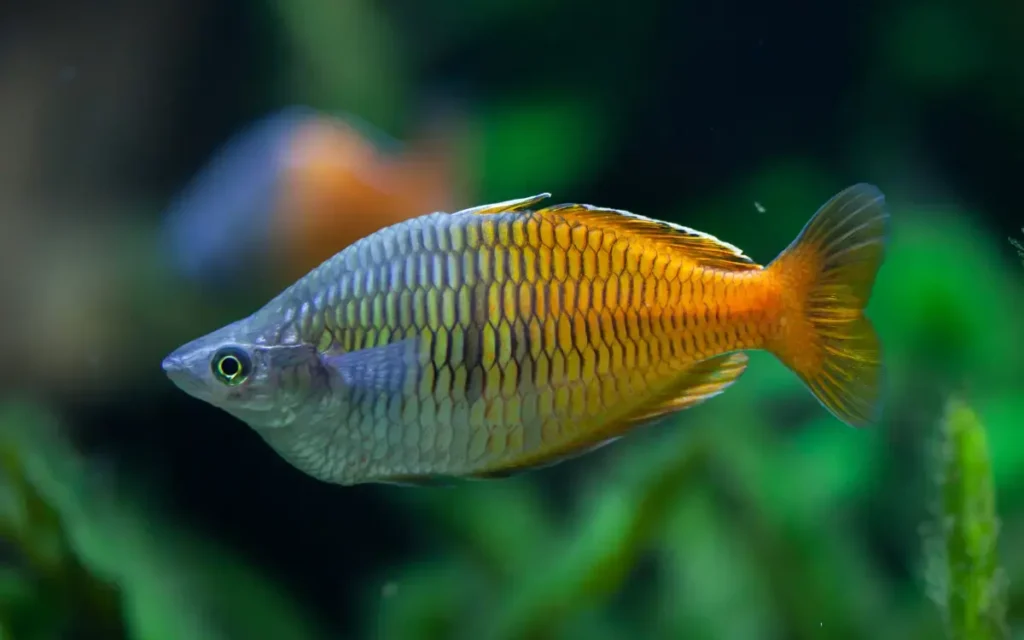
Boesemani rainbowfish can be a beautiful match for calmer African cichlid tanks, especially peacock and hap setups.
They are colorful, active, and large enough that adult cichlids usually do not see them as food. Males can show bright orange and blue colors, which look great beside African cichlids.
That said, I would not use them with very rough mbuna unless the tank is large and carefully planned. Rainbowfish are active, but they are still peaceful fish. They do better with cichlids that are bold but not constantly attacking everything in the tank.
A group of 6 or more is best. They also need clean water, steady oxygen, and open swimming space.
6. Peacock cichlids
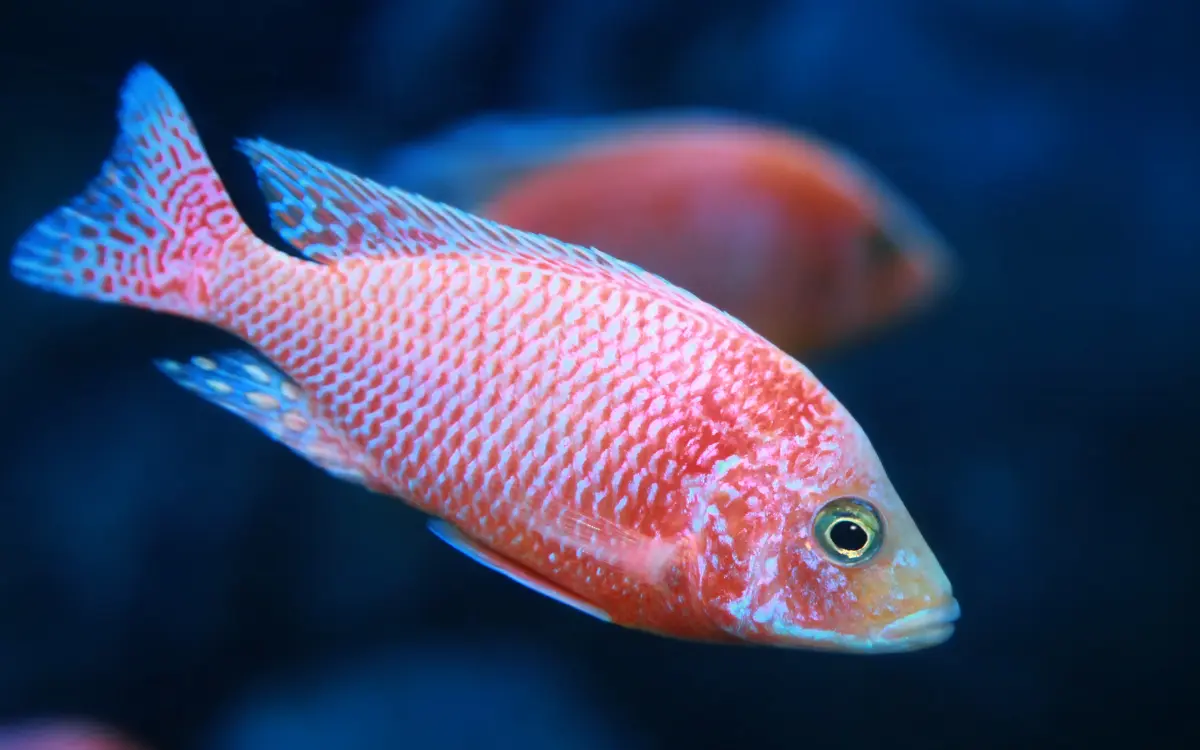
Sometimes the best tank mates for African cichlids are other African cichlids from a similar setup.
Peacock cichlids often work well with many haps because both are commonly kept in open-water Malawi-style tanks. This type of setup usually has more swimming space and fewer extreme rock territories than a heavy mbuna tank.
The key is to match size and temperament. A small, gentle peacock should not be placed with a large, pushy hap that will dominate the whole tank.
A peacock and hap tank usually works better in 75 gallons or larger. Bigger tanks give males more space to spread out, which can reduce chasing.
Avoid mixing too many males that look alike. African cichlids often attack fish with similar colors or body shape because they see them as rivals.
7. Other Mbuna Cichlids
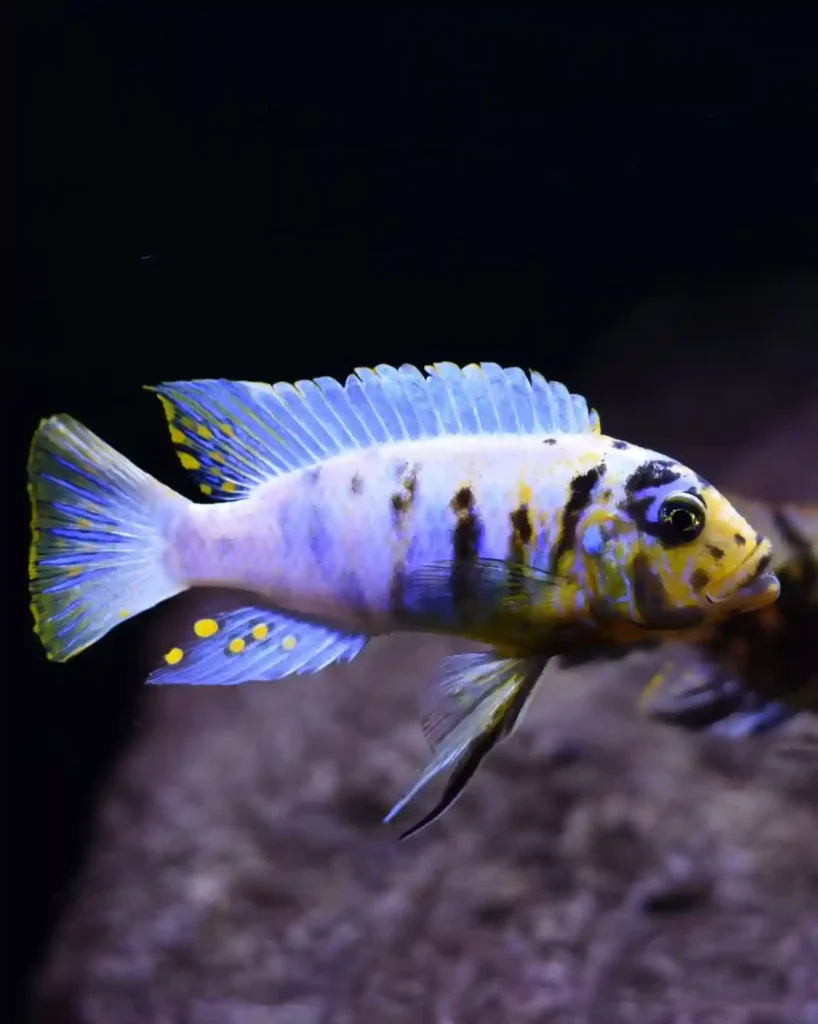
Mbuna cichlids can live with other mbuna, but this is where planning matters a lot.
Mbuna are rock-dwelling African cichlids from Lake Malawi. They are active, bold, and often territorial. They usually do best with other fish that understand the same rough style of tank life.
This does not mean you can mix any mbuna together. Some species are much more aggressive than others. Size, color, male-to-female ratio, and tank layout all matter.
For mbuna tanks, use lots of rockwork, caves, and broken sight lines. The goal is to create many small territories instead of one open space where the strongest fish controls everything.
A 75-gallon tank is better than a 55-gallon tank for many mbuna communities. More room gives you more control over aggression.
Fish I Would Avoid with African Cichlids
Not every fish sold at aquarium stores can handle African cichlids. Some may survive for a while, but that does not mean they are a good match.
Small Community Fish
Avoid small peaceful fish such as guppies, neon tetras, endlers, small rasboras, and small livebearers.
These fish are too small, too soft, and too easy to bully. Many African cichlids will chase them, nip them, or eat them if they fit in the mouth.
They also prefer different tank styles. Most small community fish do better in calmer, planted tanks with gentler tank mates.
Slow or Long-Finned Fish
Bettas, angelfish, fancy goldfish, and many gouramis are poor choices.
Long fins attract nipping. Slow movement makes escape harder. These fish will likely spend most of their time hiding, which is not fair to them.
Angelfish and fancy goldfish also need very different setups from African cichlids.
Corydoras and Kuhli Loaches
Corydoras catfish and kuhli loaches are peaceful bottom-dwellers. They are great fish in the right tank, but not with African cichlids.
African cichlids dig, guard the bottom, and push other fish around. Corydoras and kuhli loaches are not built for that kind of pressure.
Synodontis catfish are a much better bottom-dwelling choice.
African Butterfly Fish
African butterfly fish are sometimes suggested as African cichlid tank mates because they stay at the surface. I would not call them one of the best choices.
They prefer a calmer tank with less surface disturbance. They can also be shy feeders. In a busy cichlid tank, they may struggle to settle in.
They also need a very tight lid because they are skilled jumpers.
Pictus Catfish
Pictus catfish are active and fun to watch, but I would be careful with them in African cichlid tanks.
They are fast, but they prefer different conditions from many Rift Lake cichlids. They also need groups and plenty of swimming room. In a rough cichlid tank, they may become stressed or compete poorly for food.
For most African cichlid tanks, Synodontis catfish are the safer choice.
How to Set Up an African Cichlid Community Tank
A good tank setup can make or break your results. Even the right fish can fight if the tank is too small or too open.
Choose a Large Tank
For most African cichlid community tanks, start with at least 55 gallons. A 75-gallon tank is better, especially if you want tank mates.
A larger tank gives fish more room to move, hide, and form territories. It also makes water quality easier to control.
Small tanks can turn aggression into a daily problem because every fish is forced into the same space.
Build Rockwork and Hiding Spots
African cichlids need structure. Plain open tanks often lead to more chasing because dominant fish can see every other fish all the time.
Use rocks to create caves, tunnels, and broken sight lines. Make sure rocks are stable and cannot fall if the fish dig under them.
Place heavier rocks directly on the tank bottom before adding substrate. This helps prevent rock slides.
Leave Open Swimming Space
Do not fill the whole tank with rocks. Some tank mates, such as giant danios and rainbowfish, need open space for swimming.
A good layout has rocky zones on the sides or back, with open space in the front or middle.
This gives bottom and rock-dwelling fish shelter while still leaving room for active swimmers.
Use Strong Filtration
African cichlids eat a lot and produce a lot of waste. Their tanks need strong filtration.
Choose a filter rated higher than your tank size. Many cichlid keepers use canister filters, large hang-on-back filters, sponge filters, or a mix of filtration types.
Weekly water changes help keep the tank stable. For many tanks, changing 25% to 30% of the water each week is a good routine.
Match Water Conditions
African cichlids from Lake Malawi and Lake Tanganyika usually need hard, alkaline water.
Do not add tank mates that prefer soft, acidic water. They may survive short term, but they will not be at their best.
Before buying any tank mate, check adult size, water needs, diet, and temperament.
How to Add New Tank Mates Safely
Adding new fish to an African cichlid tank can be stressful because the current fish already see the aquarium as their territory.
A smart method is to rearrange some rocks before adding new fish. This breaks up existing territories and gives every fish a chance to claim space again.
Add new fish in groups when possible. A single new fish may get all the attention from aggressive cichlids.
You can also add new fish after the lights go off. This gives them time to settle before the cichlids become fully active again.
Watch the tank closely for the first few days. Some chasing is normal, but constant attacks, torn fins, hiding, or missed meals are warning signs.
Faq’s
Can African cichlids live with tropical community fish?
Most tropical community fish are poor tank mates for African cichlids. Small tetras, guppies, rasboras, bettas, and gouramis are usually too peaceful or too small.
African cichlids do better with strong, fast, or similarly bold fish that can handle their tank style.
Can African cichlids live with plecos?
Yes, some plecos can live with African cichlids. Bristlenose plecos are one of the better options because they stay smaller than common plecos.
Give them caves, driftwood, and proper food. Do not expect algae alone to keep them healthy.
Can African cichlids live with catfish?
Yes, but choose the right catfish. Synodontis catfish are one of the safest choices for African cichlid tanks.
Avoid tiny or gentle catfish like corydoras. They are not a good match for rough cichlid behavior.
Can you mix different African cichlids together?
Yes, but it depends on the species.
Malawi peacocks often work with haps. Mbuna usually work better with other mbuna. Tanganyika cichlids often need a more specific setup.
Do not mix fish only because they are all called African cichlids. Lake, size, diet, and temperament all matter.
Are Jewel Cichlids good tank mates for African cichlids?
Jewel cichlids are African, but they are not the same as Malawi or Tanganyika cichlids. They can be very aggressive, especially during breeding.
