
Duckweed Care Guide

Duckweed is one of the most controversial aquarium plants. Some hobbyists love it for fast nutrient removal and fry cover. Others hate it because once it’s in the tank, it feels impossible to remove.
The truth is simple: Duckweed is easy to grow, but hard to control. If you understand how it behaves, it can be useful. If you don’t, it can quickly take over your aquarium.
This guide explains how Duckweed grows, when it helps, when it causes problems, and how to manage it properly.
What Is Duckweed?
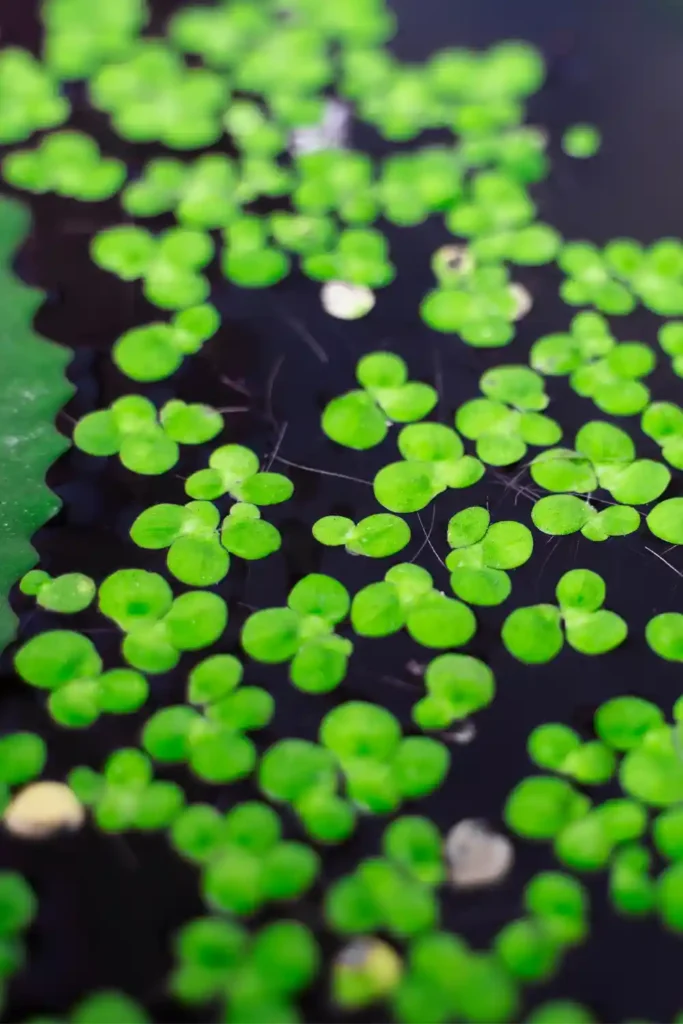
Duckweed is the common name for Lemna minor, a tiny floating freshwater plant found almost everywhere in the world. It grows naturally on ponds, lakes, and slow-moving water where nutrients are high.
In aquariums, Duckweed is known for:
- Extremely fast reproduction
- Floating on the surface with no roots in substrate
- Strong nutrient absorption
- Providing shade and surface cover
Because of its speed, it’s often listed among fast-growing aquarium plants, but it behaves very differently from rooted plants.
Duckweed Quick Care Overview
| Care Factor | Recommendation |
|---|---|
| Difficulty | Very Easy |
| Lighting | Low to High |
| CO₂ | Not needed |
| Temperature | 18–30°C |
| pH Range | 6.0–8.0 |
| Growth Speed | Extremely Fast |
| Placement | Floating (Surface) |
| Best Tank Type | Fry tanks, shrimp tanks, nutrient-heavy tanks |
Note: Duckweed does not need planting, trimming tools, or special substrates.
Tank Conditions for Duckweed
Lighting Requirements
Duckweed grows under almost any aquarium light.
- Low light: Slower growth
- Medium light: Rapid spreading
- Strong light: Explosive surface coverage
Because it floats directly under the light, even weak fixtures are enough.
Water Parameters
Duckweed tolerates a wide range of conditions:
- Soft or hard water
- pH from slightly acidic to slightly alkaline
- Warm or cool freshwater tanks
What matters most is nutrients, not perfect parameters. High nitrate and phosphate levels cause rapid multiplication.
Is CO₂ Needed?
No. Duckweed grows fast without CO₂ injection or liquid carbon. Adding carbon will not noticeably improve its growth and can sometimes melt it.
How Duckweed Grows (And Why It Spreads So Fast)
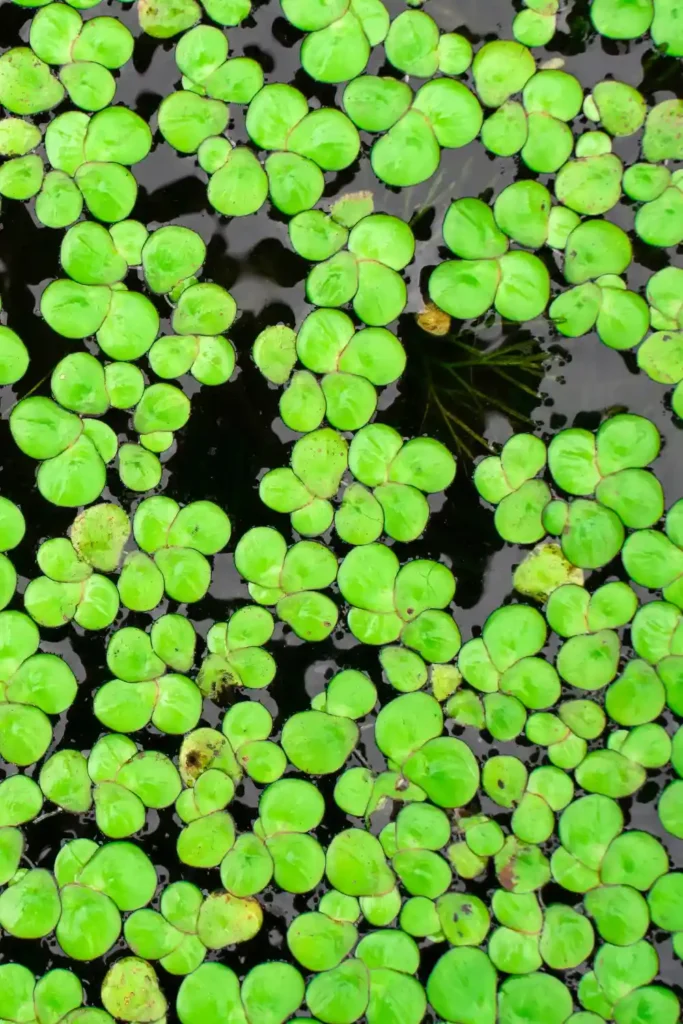
Duckweed reproduces by splitting. Each tiny leaf creates new leaves in days, sometimes hours.
This means:
- One small patch can cover the entire surface quickly
- Removal must be frequent
- Any missed piece can restart growth
Duckweed spreads through nets, filters, water changes, and even wet hands.
Benefits of Duckweed in Aquariums
Duckweed is not useless it just needs the right situation.
Nutrient Control
Duckweed absorbs nitrates and phosphates directly from the water. In overstocked or new tanks, this can help stabilize water quality.
Fry and Shrimp Cover
Floating plants provide:
- Shade
- Protection for baby fish
- Extra grazing surfaces for shrimp
Many breeders use Duckweed in fry tanks for this reason.
Natural Shade
Duckweed reduces surface light, which can help:
- Shy fish
- Tanks with excessive lighting
- Algae-prone setups
Problems Duckweed Causes (Be Honest About This)
Blocks Light Completely
If left unchecked, Duckweed can:
- Starve rooted plants of light
- Slow or stop plant growth below
- Cause lower plants to die off
This is the most common reason hobbyists remove it.
Messy Maintenance
Duckweed sticks to:
- Filters
- Nets
- Hands
- Glass
Once introduced, it’s very hard to remove fully.
Can Reduce Oxygen Exchange
A thick Duckweed layer limits surface movement, which can reduce gas exchange in low-flow tanks.
How to Control Duckweed (This Matters)
Manual Removal
The most effective method:
- Scoop excess Duckweed weekly
- Remove during water changes
- Be consistent
Skipping a week often means starting over.
Increase Surface Flow
Duckweed dislikes strong surface movement. Using:
- Spray bars
- Surface agitation
- Higher filter output
can slow its spread.
Use a Floating Ring
Floating plant rings keep Duckweed contained and prevent full surface coverage.
Fish That Eat Duckweed
Some fish help manage Duckweed naturally:
- Goldfish
- Mollies
- Silver Dollars
However, most community fish ignore it.
Duckweed vs Other Floating Plants
PlantControl LevelAppearanceDuckweedHardVery smallFrogbitModerateLarger leavesSalviniaModerateTextured surfaceWater LettuceEasierLarge rosettes
If you want floating plants without constant removal, Duckweed is usually the worst option.
Is Duckweed Right for Your Tank?
Duckweed works best if:
- You have fry or shrimp
- Your tank has excess nutrients
- You don’t mind frequent removal
Avoid Duckweed if:
- You want a clean, open surface
- You keep light-demanding plants
- You dislike maintenance
This plant is either useful or annoying — rarely neutral.
Final Thoughts
Duckweed is one of the easiest aquarium plants to grow, but also one of the hardest to control. It can help with nutrient management and fry protection, but it demands regular removal to prevent problems.
If you choose Duckweed, do it intentionally not accidentally.
