
13 Best Algae Eaters for Your Aquarium

The best algae eaters for freshwater aquariums include Nerite Snails, Amano Shrimp, Otocinclus Catfish, Bristlenose Plecos, Siamese Algae Eaters, and Hillstream Loaches.
They can help control algae on glass, plants, rocks, and driftwood, but they do not replace water changes, good lighting control, or regular tank cleaning.
Pick the algae eater based on your tank size, water temperature, and the type of algae you have.
Quick Algae Eater Table
| Algae Eater | Best Tank Size | Eats Best | Beginner Friendly? | Notes |
| Nerite Snail | 5+ gallons | Green spot algae, glass algae | Yes | Does not overbreed in freshwater |
| Amano Shrimp | 10+ gallons | Hair algae, soft algae, leftover food | Yes | Best in groups |
| Otocinclus Catfish | 10–20+ gallons | Brown algae, soft green algae | Moderate | Needs mature tank |
| Bristlenose Pleco | 20–30+ gallons | Soft algae, driftwood biofilm | Yes | Much better than Common Pleco |
| Siamese Algae Eater | 30–40+ gallons | Hair algae, black beard algae | Moderate | Needs space |
| Hillstream Loach | 20–30+ gallons | Flat algae, biofilm | Moderate | Likes strong oxygen and flow |
| Cherry Shrimp | 5–10+ gallons | Biofilm, soft algae | Yes | May be eaten by larger fish |
| Mystery Snail | 10+ gallons | Soft algae, leftover food | Yes | Adds waste too |
| Ramshorn Snail | 5+ gallons | Soft algae, dead plant matter | Yes | Can breed fast |
| Malaysian Trumpet Snail | 10+ gallons | Leftover food, soft algae | Yes | Burrows in substrate |
| Florida Flagfish | 20+ gallons | Hair algae | Moderate | Can be nippy |
| Mollies | 20–30+ gallons | Soft algae | Moderate | Need harder water |
| Rubber Lip Pleco | 30+ gallons | Soft algae, surfaces | Moderate | Needs clean, oxygen-rich water |
Do Algae Eaters Really Clean Your Tank?
Algae eaters help, but they do not fully clean your tank. This is the biggest thing beginners need to understand.
If your aquarium has too much light, too much fish waste, too much leftover food, or poor plant growth, algae will keep coming back. Adding one algae eater may reduce some algae, but it will not fix the root problem.
Think of algae eaters as helpers. They graze on surfaces, pick through plants, and clean small patches before algae spreads. You still need regular water changes, proper feeding, balanced lighting, and good filtration.
If the tank is badly covered in algae, clean some of it by hand first. Then add the right algae eater to help keep new growth under control.
Which Algae Eater Should You Choose?
Choose the algae eater based on the algae type, not just the name on the store label. Some algae eaters are great on glass algae but ignore hair algae. Some eat soft algae but do nothing for green spot algae.
| Algae Type | Best Algae Eaters |
| Brown algae/diatoms | Otocinclus, Nerite Snails, Hillstream Loaches |
| Green spot algae | Nerite Snails |
| Hair algae | Amano Shrimp, Siamese Algae Eaters, Florida Flagfish |
| Black beard algae | Siamese Algae Eaters, Amano Shrimp |
| Soft green algae | Bristlenose Pleco, Mollies, Mystery Snails |
| Biofilm on wood/plants | Shrimp, Otocinclus, Hillstream Loaches |
| Leftover food | Snails, shrimp, Corydoras, but this is not algae |
Do not buy a large pleco just because the store calls it an algae eater. Common Plecos can grow very large and are not good for most beginner aquariums.
Best Algae Eaters for Small Tanks
Small tanks need small algae eaters. Do not add a pleco or Siamese Algae Eater to a tiny aquarium.
For a 5-gallon tank, a Nerite Snail or a few shrimp are better choices. For a 10-gallon tank, you can consider Nerite Snails, Amano Shrimp, Cherry Shrimp, or a small group of Otocinclus only if the tank is mature and stable.
| Tank Size | Better Choices |
| 5 gallons | Nerite Snail, Cherry Shrimp |
| 10 gallons | Nerite Snail, Amano Shrimp, Cherry Shrimp |
| 20 gallons | Otocinclus, Bristlenose Pleco, Hillstream Loach |
| 30 gallons | Bristlenose Pleco, Siamese Algae Eater, Mollies |
| 40+ gallons | Siamese Algae Eater, Rubber Lip Pleco, mixed clean-up crew |
Now let’s look at the best options one by one.
1. Nerite Snail
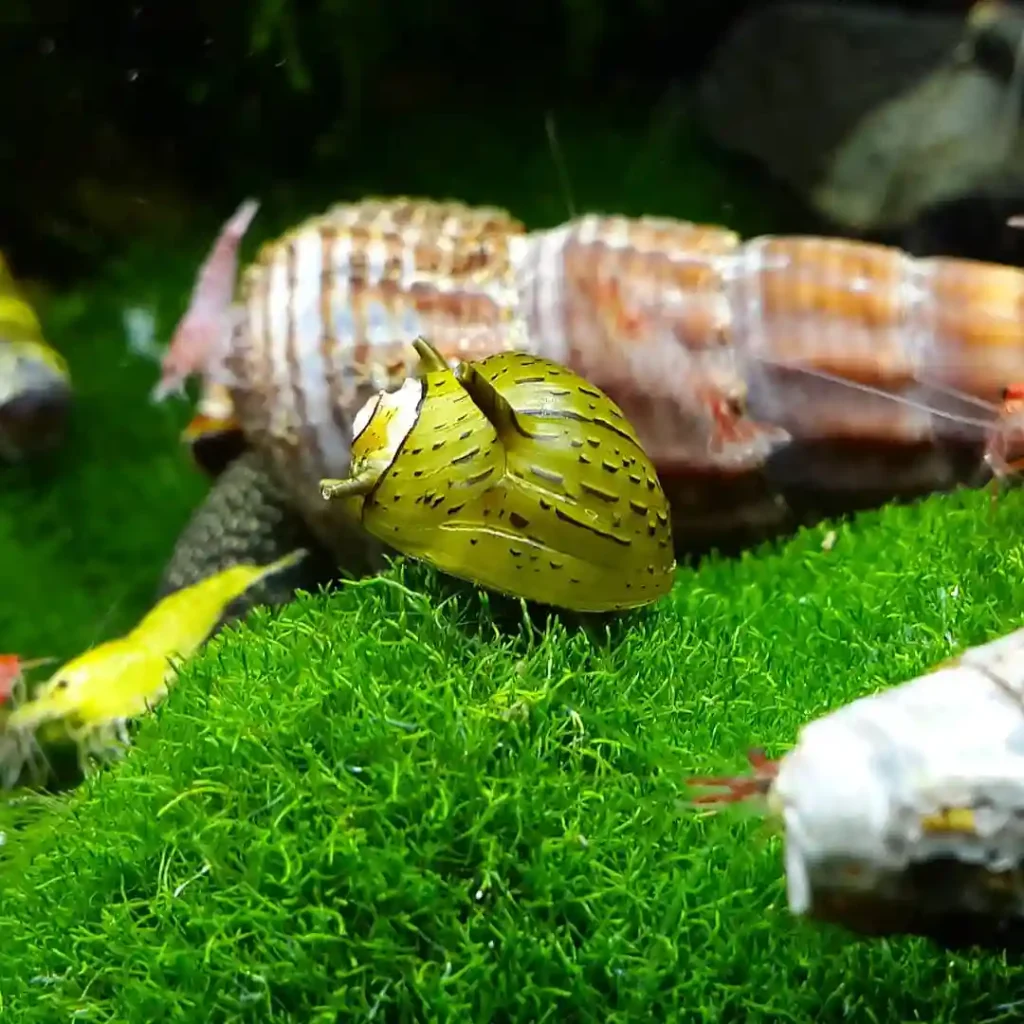
Nerite Snails are one of the best algae eaters for beginners. They stay small, eat algae from glass and decorations, and do not overrun freshwater tanks with babies.
They are especially useful for green spot algae, which many fish ignore. You may see them cleaning glass, rocks, driftwood, and plant leaves.
Nerite Snails do lay small white eggs on hard surfaces, but those eggs usually do not hatch in freshwater. The eggs can look messy, but they are not a population problem.
They need stable water and enough minerals for shell health. If the shell becomes thin or damaged, check water quality and hardness.
2. Amano Shrimp
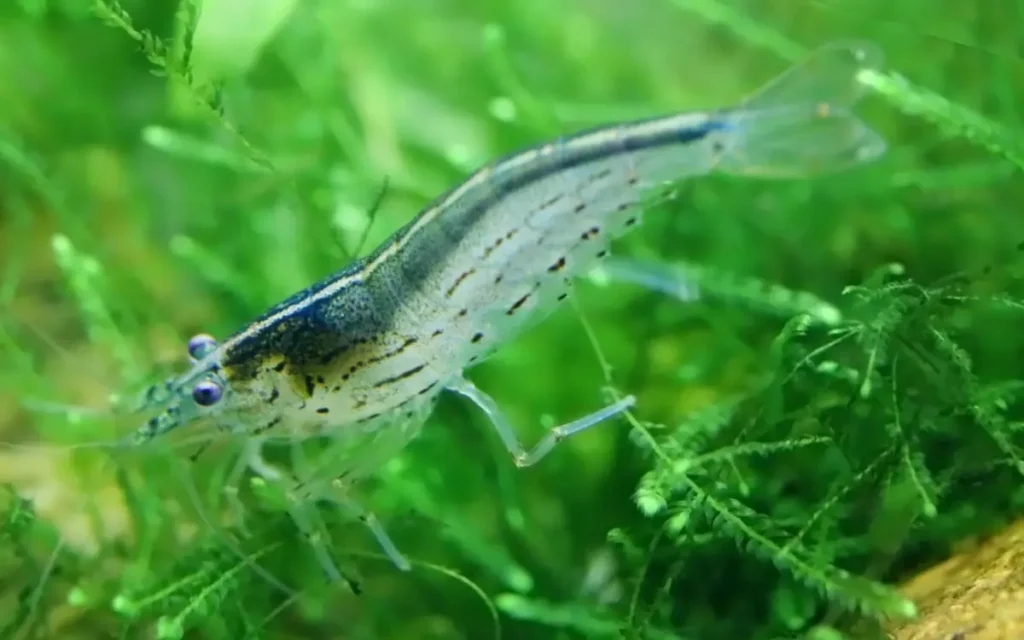
Amano Shrimp are one of the best shrimp for algae control. They are known for eating soft algae, hair algae, biofilm, and leftover food.
They work better in groups. One Amano Shrimp will not fix a whole tank, but a small group can make a visible difference over time.
Amano Shrimp are larger than Cherry Shrimp, so they are less likely to be eaten by small community fish. Still, avoid keeping them with large or aggressive fish.
They will eat algae better when you do not overfeed the tank. If they get too much easy food, they may ignore algae.
3. Otocinclus Catfish
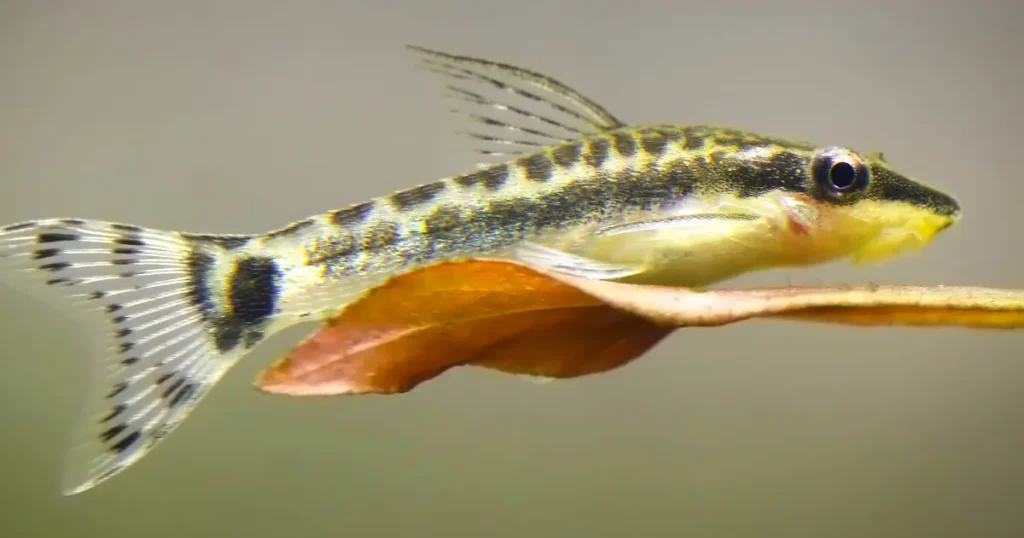
Otocinclus Catfish, often called Otos, are small peaceful algae eaters for planted aquariums. They are good at grazing brown algae, soft green algae, and biofilm from glass and plant leaves.
They should be kept in groups because they are social and shy. A group of 4 to 6 is better than one lonely Oto.
Do not add Otocinclus to a brand-new tank. They do best in mature aquariums with stable water and natural algae growth.
They also need extra food. Offer algae wafers, blanched zucchini, cucumber, or other vegetable-based foods when algae is low.
4. Bristlenose Pleco
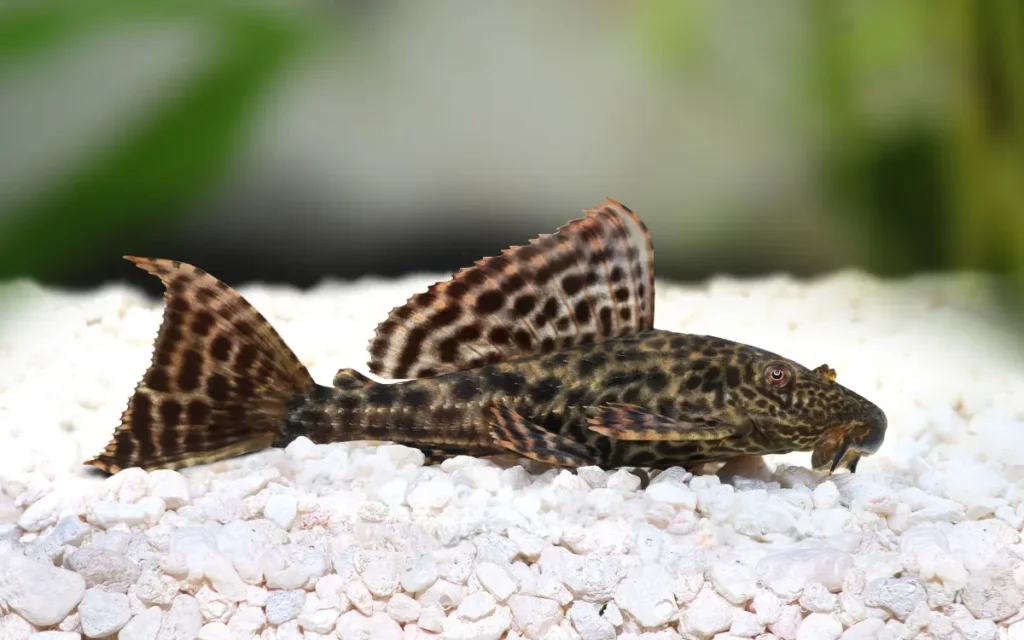
Bristlenose Plecos are a much better choice than Common Plecos for most home aquariums. They stay smaller, are peaceful, and graze on soft algae, driftwood, and surfaces.
A Bristlenose Pleco can work well in a 20 to 30-gallon tank or larger, depending on the full stocking plan.
They need driftwood, caves, and sinking food. Do not expect them to survive on algae alone.
Feed algae wafers, blanched vegetables, and occasional protein-rich foods. A hungry pleco may become weak or start bothering other slow fish.
5. Siamese Algae Eater
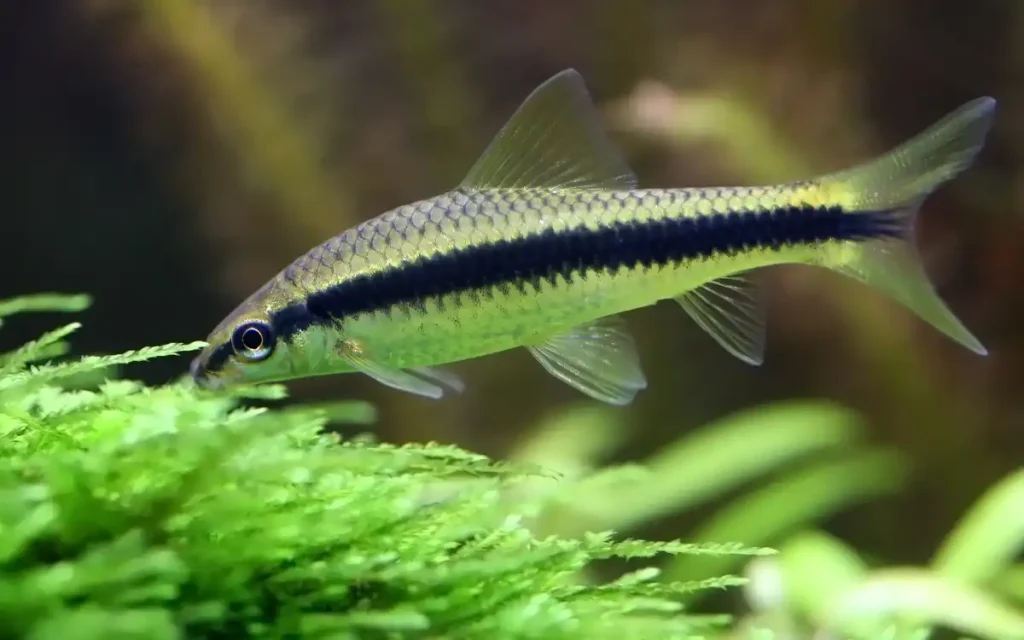
Siamese Algae Eaters are active fish that can help with hair algae and black beard algae. They are useful, but they are not for tiny tanks.
They grow larger than many beginners expect and need swimming space. A 30 to 40-gallon tank or larger is better.
Make sure you are buying a true Siamese Algae Eater, not a similar-looking fish like a Flying Fox or Chinese Algae Eater. Some look-alikes become aggressive or do not eat algae as well.
Young Siamese Algae Eaters often graze more actively. Adults may eat more prepared food, so do not overfeed if you want them to keep working on algae.
6. Hillstream Loach
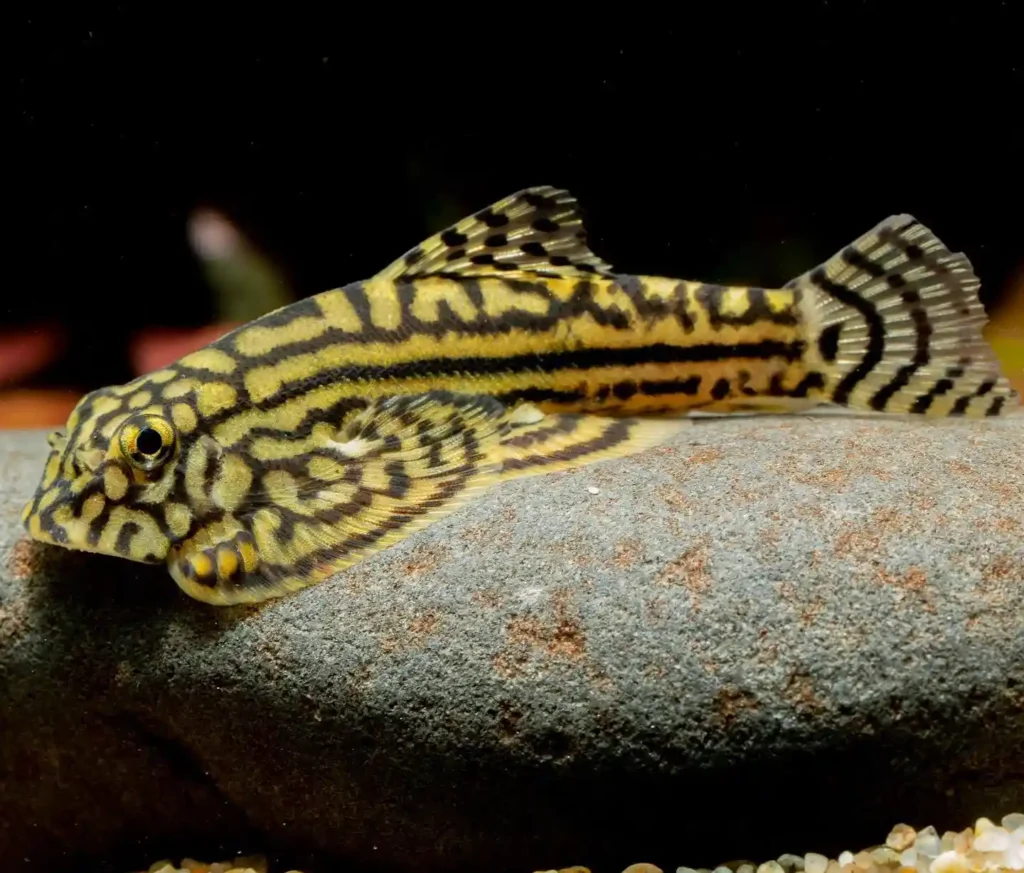
Hillstream Loaches are beautiful algae grazers that look a little like tiny stingrays. They are good for flat algae and biofilm on glass, rocks, and smooth surfaces.
They need clean, oxygen-rich water. Strong filtration, good flow, and stable water are important.
They are not the best choice for warm, slow, low-oxygen tanks. They do better in cooler, well-oxygenated aquariums.
Feed them even if algae is present. They enjoy algae wafers, gel food, and vegetable-based sinking foods.
7. Cherry Shrimp
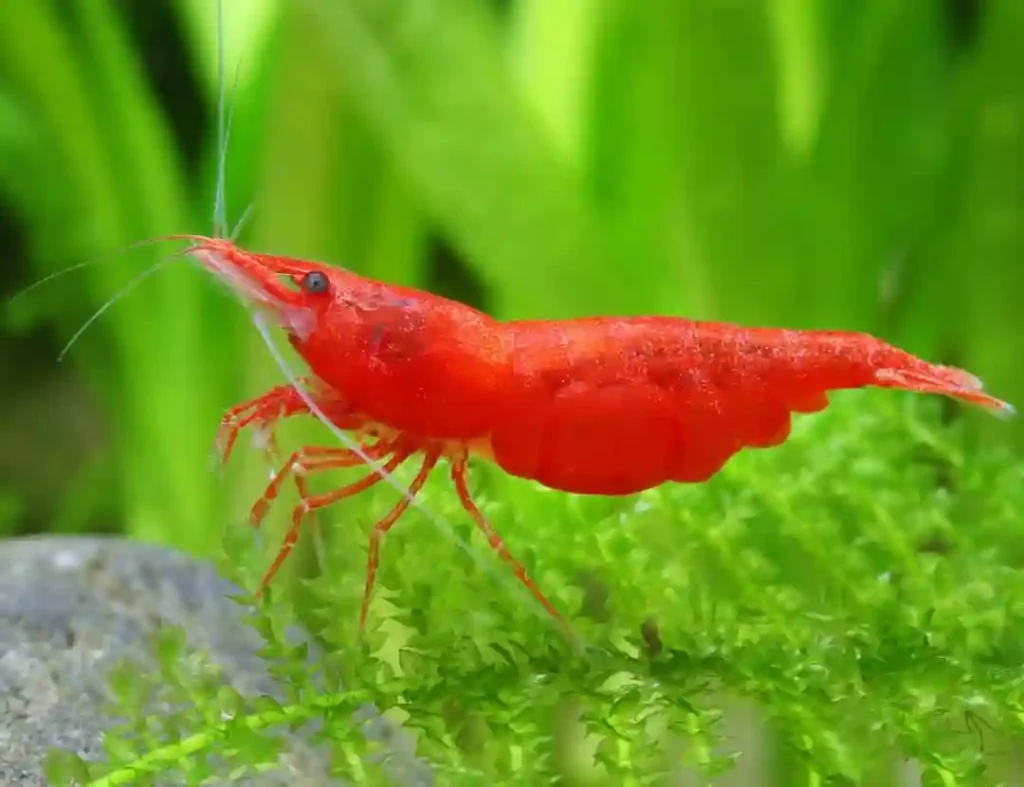
Cherry Shrimp are not as strong as Amano Shrimp for algae control, but a healthy colony can help prevent soft algae and biofilm buildup.
They are best for peaceful planted tanks. They pick at plants, moss, driftwood, and substrate all day.
The risk is that many fish eat baby shrimp. If you want a shrimp colony, keep them with peaceful nano fish or in a shrimp-only tank.
Cherry Shrimp are also a good choice for planted tanks because they clean tiny spaces that fish cannot reach.
8. Mystery Snail
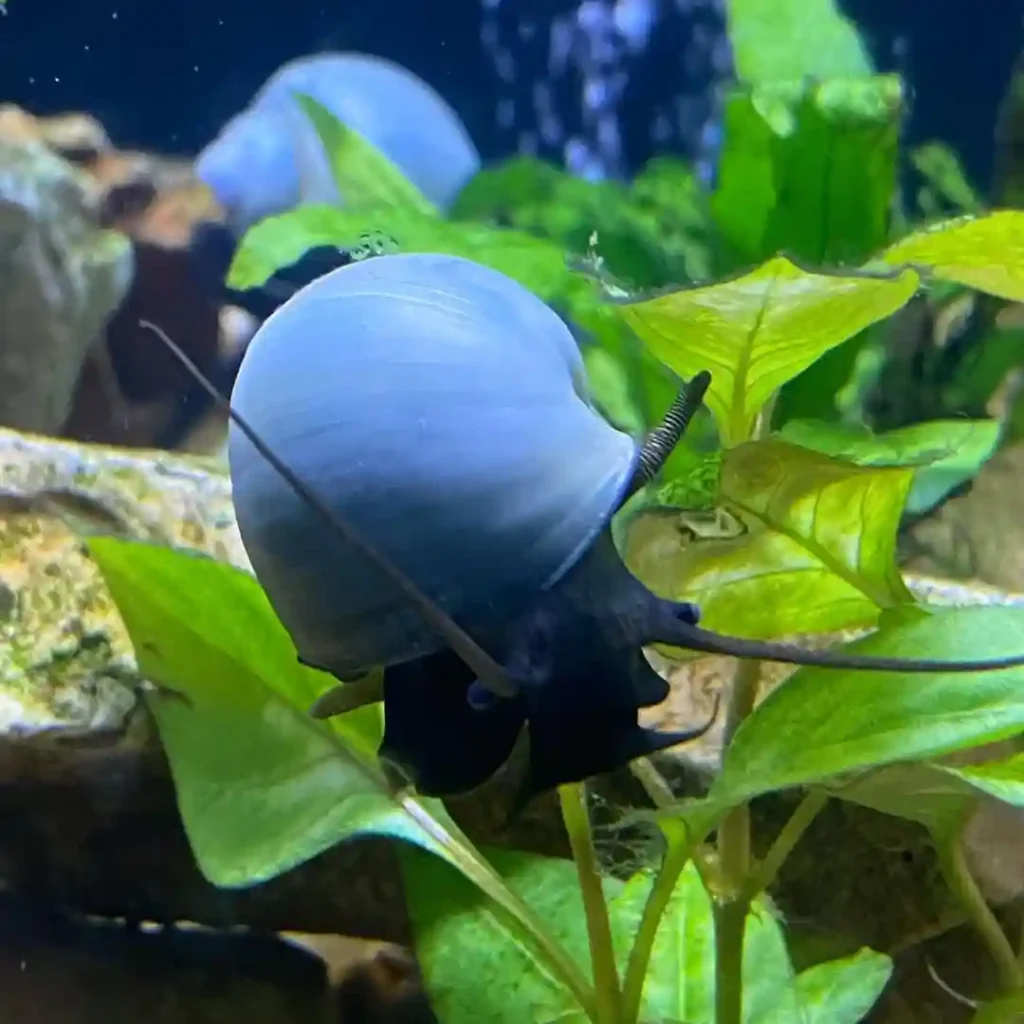
Mystery Snails can help with soft algae, leftover food, and decaying plant matter. They are easy to watch and good for beginners.
They are not the strongest algae eater on this list, so do not buy them only for heavy algae problems.
They also produce waste, especially when they grow large. Keep the tank filtered and avoid overstocking.
Feed them calcium-rich foods and vegetables to support healthy shell growth.
9. Ramshorn Snail
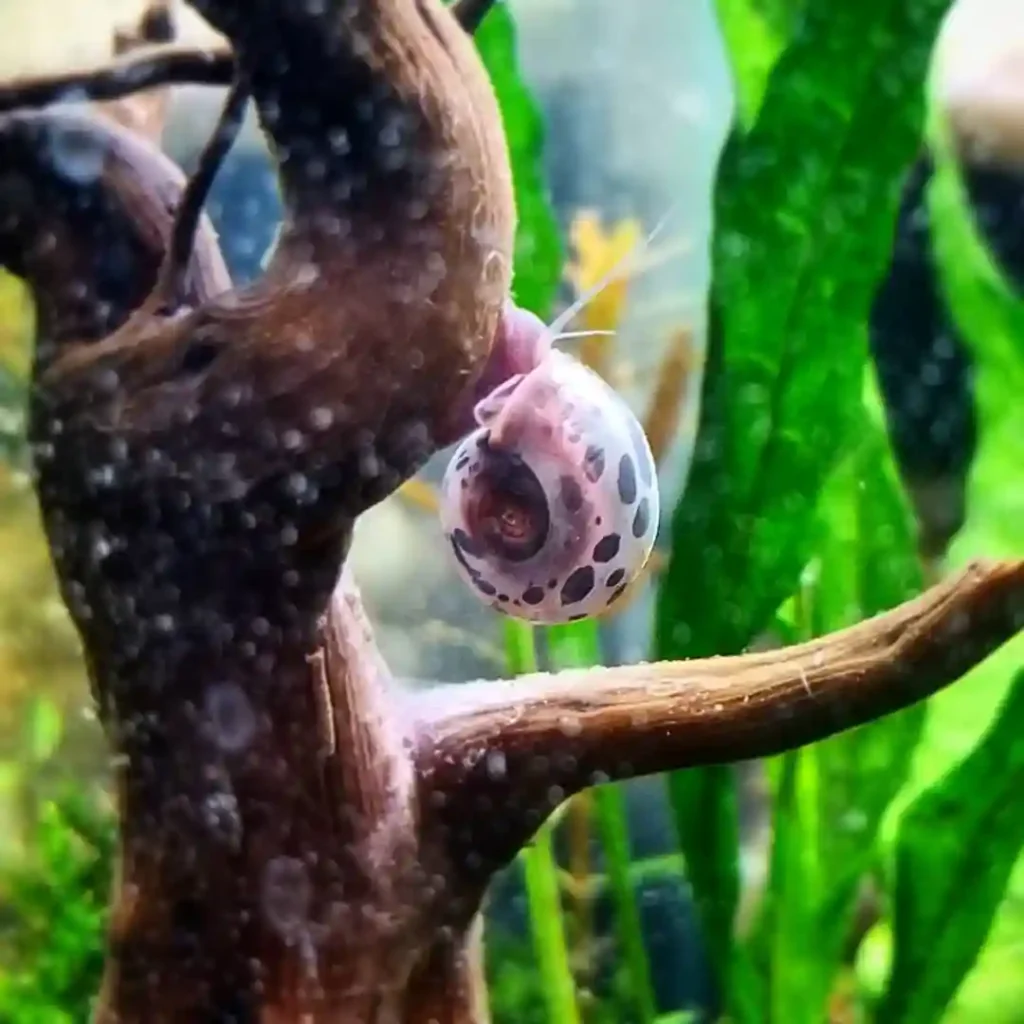
Ramshorn Snails eat soft algae, leftover food, and dead plant material. They can be useful in planted tanks, but they breed quickly when there is too much food.
A small population is helpful. A sudden snail explosion usually means overfeeding or too much waste in the tank.
They are not dangerous to healthy plants in most cases, but they may eat dying leaves.
If you do not like seeing many snails, choose Nerite Snails instead.
10. Malaysian Trumpet Snail
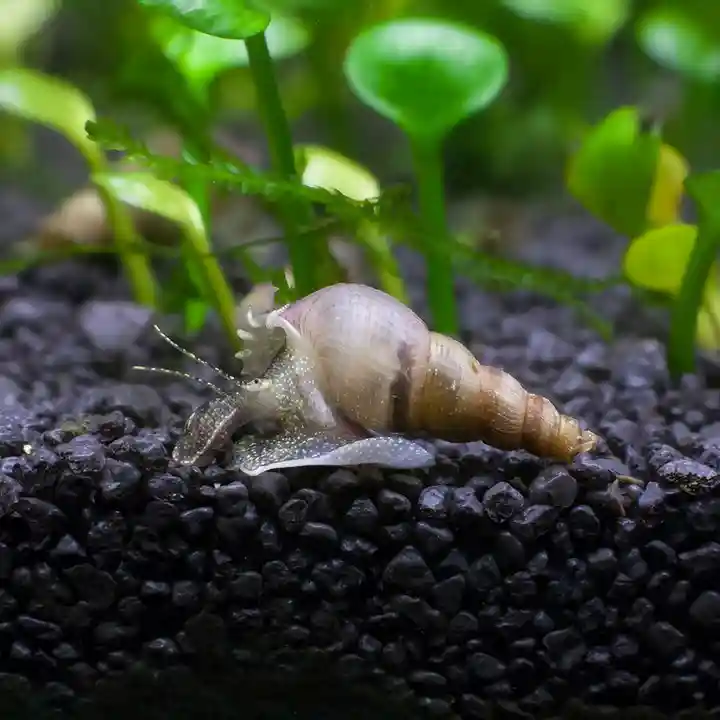
Malaysian Trumpet Snails spend a lot of time in the substrate. They help eat leftover food, soft algae, and decaying matter.
They can be useful in sand tanks because they move through the substrate and help prevent compacted areas.
Like Ramshorn Snails, they can breed fast if there is extra food. Their population often tells you something about feeding habits.
They are not the best choice if you want a spotless-looking tank with no visible snails.
11. Florida Flagfish
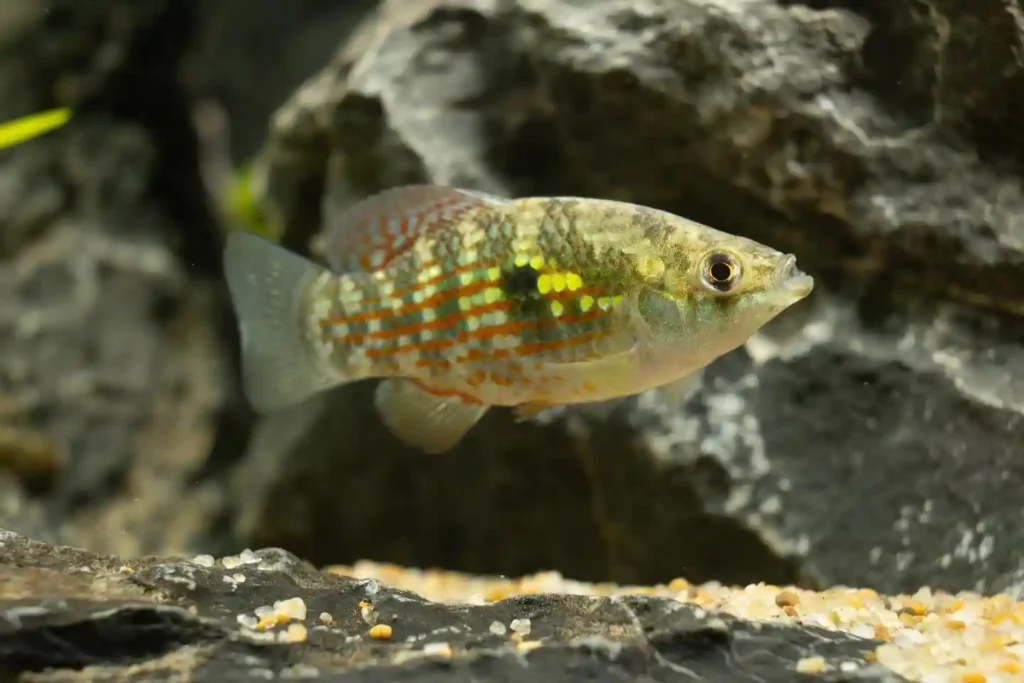
Florida Flagfish can eat hair algae and are sometimes used in planted tanks for algae control.
They are hardy and interesting, but they can be nippy. This makes them risky with long-finned fish like bettas, guppies, and fancy goldfish.
They are better for fishkeepers who can watch behavior and move fish if needed.
Use them in a tank with plants, space, and compatible tank mates.
12. Mollies
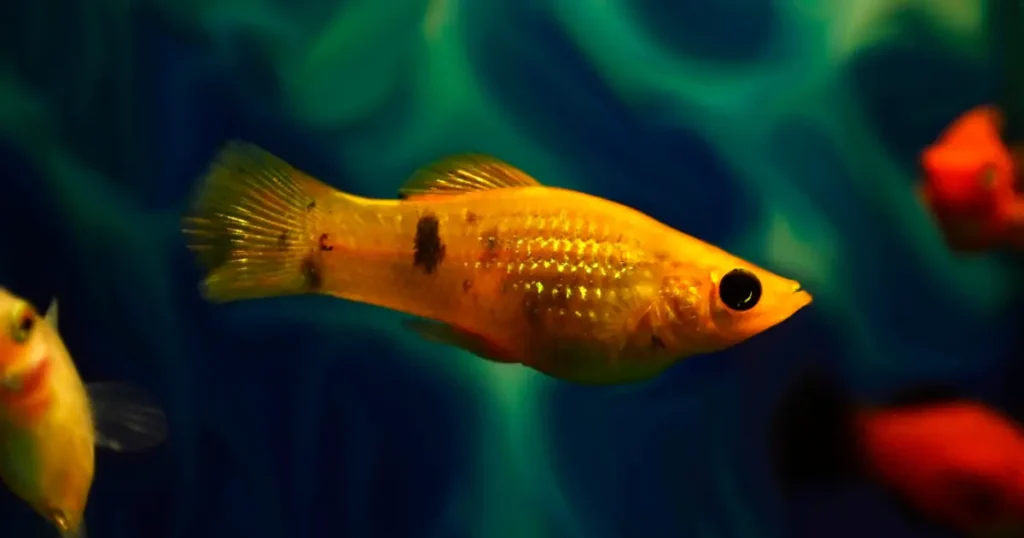
Mollies are not usually sold as algae eaters, but they do graze on soft algae throughout the day.
They work best in harder, slightly alkaline water. This is important because they may not do well in very soft acidic setups.
Mollies also breed quickly and produce waste, so they need space and filtration.
They are not the best choice if your only goal is algae control, but they can help in the right community tank.
13. Rubber Lip Pleco
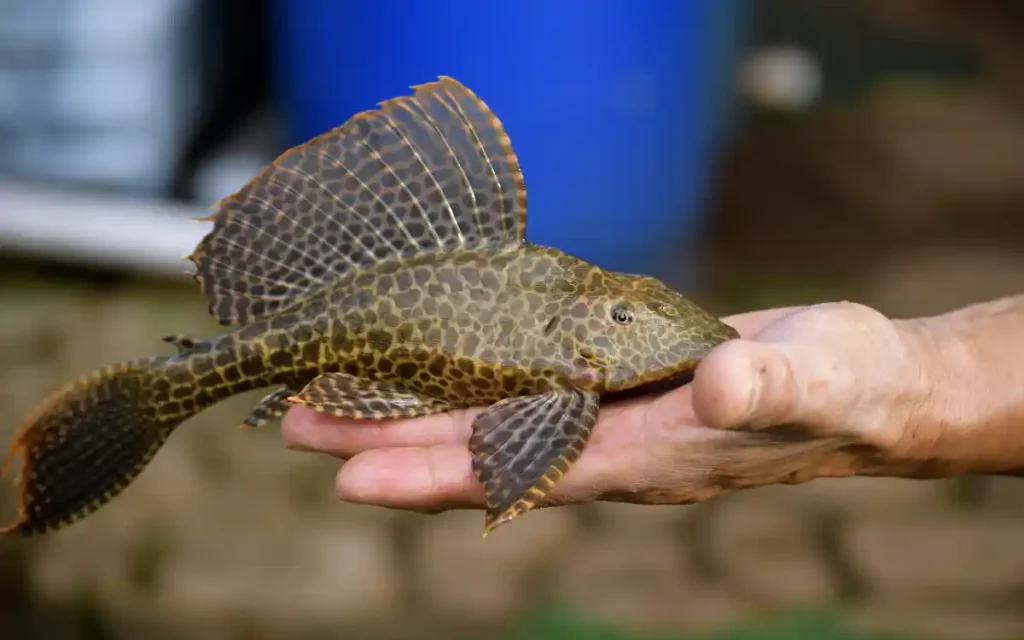
Rubber Lip Plecos are smaller than many large pleco species and can graze on algae from surfaces.
They need a mature tank with clean, oxygen-rich water. A 30-gallon tank or larger is a better starting point.
Like other plecos, they need extra food. Offer algae wafers, vegetables, and proper sinking foods.
Avoid confusing them with large pleco species that can outgrow beginner tanks.
Algae Eaters to Avoid for Most Beginners
Some fish are sold as algae eaters but are poor choices for many home aquariums.
Common Pleco
Common Plecos are often sold small, but they can grow very large. They produce a lot of waste and are not suitable for most beginner tanks.
They may also stop being useful algae eaters as they grow and need a heavier diet.
Chinese Algae Eater
Chinese Algae Eaters are risky because they can become aggressive as they mature. They may chase fish and attach to slow tank mates.
They are not a good community tank choice for most beginners.
Large Pleco Species
Sailfin Plecos and other large plecos need big tanks. Do not buy one unless you know its adult size and have the space for it.
Many “cleaner fish” become messy fish when kept in tanks that are too small.
How to Feed Algae Eaters
Algae eaters still need food. This is where many beginners go wrong.
Once they reduce the algae in your tank, they can become hungry. A clean-looking tank may actually be a starving tank for algae grazers.
Feed them based on species. Plecos and Otocinclus need algae wafers and vegetables. Shrimp enjoy biofilm, algae wafers, and tiny sinking foods. Snails need vegetables and calcium-rich foods.
Good foods include algae wafers, blanched zucchini, cucumber, spinach, green beans, sinking pellets, and snail/shrimp foods.
Remove uneaten vegetables after a few hours so they do not rot in the tank.
Beginner Mistakes With Algae Eaters
The biggest mistake is buying an algae eater before fixing the algae cause. If your light is on too long or you overfeed daily, algae will keep coming back.
Another mistake is buying fish that grow too large. Many plecos are sold as small babies but become too big for normal tanks.
Some beginners also add too many algae eaters at once. This can create more waste and make the tank harder to manage.
Do not add Otocinclus to a new tank. They often struggle in tanks without enough natural grazing surfaces.
Do not assume all “cleaner fish” eat algae. Corydoras are great bottom fish, but they are not true algae eaters. They eat leftover food and sinking foods, not algae from glass.
Safety and Warning Section
Do not rely on algae eaters to replace water changes.
Do not add algae eaters to a tank with ammonia or nitrite problems. Fix the water first.
Do not buy Common Plecos for small tanks. They grow too large and create heavy waste.
Do not keep shrimp with large or aggressive fish unless you accept that they may be eaten.
Do not use chemical algae treatments without checking if they are safe for shrimp, snails, and sensitive fish.
Do not starve algae eaters to force them to eat algae. A hungry fish or shrimp is not a healthy one.
Do not overstock your tank with a “clean-up crew.” They all add waste too.
Simple Algae Control Plan
Start by reducing the cause of algae. Keep lights on for 6 to 8 hours per day, avoid overfeeding, remove dead plant leaves, and do weekly water changes.
Then clean the heavy algae by hand. Scrape the glass, remove large hair algae clumps, and trim badly covered leaves.
After that, add the right algae eater for your tank size and algae type. A small mixed clean-up crew often works better than one large fish.
For example, a planted 20-gallon tank may do well with Nerite Snails, Amano Shrimp, and Otocinclus. A larger tank may use a Bristlenose Pleco or Siamese Algae Eater.
FAQ
What eats algae?
In freshwater aquariums, algae is eaten by Nerite Snails, Amano Shrimp, Otocinclus Catfish, Bristlenose Plecos, Siamese Algae Eaters, Hillstream Loaches, Cherry Shrimp, and some livebearers like mollies. The best choice depends on your tank size and the type of algae.
What eats green algae?
Nerite Snails, Bristlenose Plecos, Otocinclus Catfish, Amano Shrimp, and Mystery Snails can eat green algae. For hard green spot algae on glass, Nerite Snails are one of the best choices.
What algae eats?
Algae does not eat like fish or shrimp. Algae grows by using light and nutrients in the water. In aquariums, algae often grows when there is too much light, too much waste, or extra nutrients.
What does a algae eat?
Algae uses light, carbon dioxide, and nutrients such as nitrate and phosphate to grow. In fish tanks, excess light and leftover waste can make algae grow faster.
What are algae eating fish?
Algae eating fish are fish that graze on algae from glass, plants, rocks, driftwood, and decorations. Common examples include Otocinclus Catfish, Bristlenose Plecos, Siamese Algae Eaters, Hillstream Loaches, Florida Flagfish, and mollies.
How to feed algae eaters?
Feed algae eaters with algae wafers, sinking pellets, blanched vegetables, and species-specific foods. Do not expect them to live only on tank algae. Otocinclus, plecos, shrimp, and snails all need extra food when algae is low.
What to feed algae eaters?
Good foods for algae eaters include algae wafers, blanched zucchini, cucumber, spinach, green beans, sinking pellets, shrimp food, and snail food. Plecos also need driftwood and vegetable-based foods.
Which algae eater is best for a small aquarium?
For small aquariums, Nerite Snails, Cherry Shrimp, and Amano Shrimp are usually better than fish. In a mature 10-gallon tank, Otocinclus may work, but they need stable water and should be kept in a group.
Do algae eaters need extra food besides algae?
Yes, algae eaters need extra food. Once the tank becomes cleaner, they may not find enough natural algae to eat. Feed them algae wafers, vegetables, and sinking foods based on the species.
What eats algae in the ocean?
In the ocean, algae is eaten by many animals, including sea snails, sea urchins, crabs, shrimp, some fish, and other grazers. For home aquariums, this article focuses on freshwater algae eaters.
