
Horseface Loach Care Guide

The Horseface Loach is one of the most unusual bottom-dwelling fish you can keep. Its long, pointed snout and eel-like body make it look completely different from typical loaches.
But this species comes with a catch. Horseface Loaches are burrowers, meaning they spend most of their time buried in the substrate. If your tank setup is wrong especially the substrate they will struggle.
When kept in the right environment, they are peaceful, fascinating fish that bring a unique behavior you won’t see in most aquariums.
Species Overview
| Category | Details |
| Scientific Name | Acantopsis dialuzona |
| Common Names | Horseface Loach, Longnose Loach |
| Size | 6–8 inches |
| Lifespan | 8–10 years |
| Tank Size | Minimum 55 gallons |
| Temperament | Peaceful but shy |
| Care Level | Moderate |
Appearance
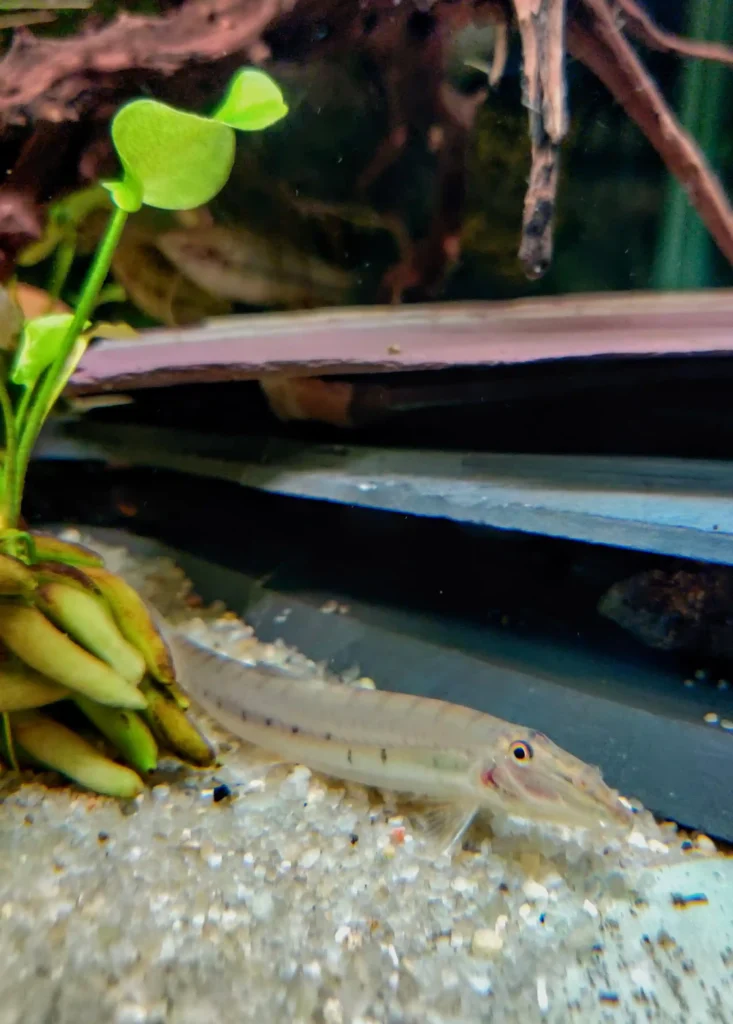
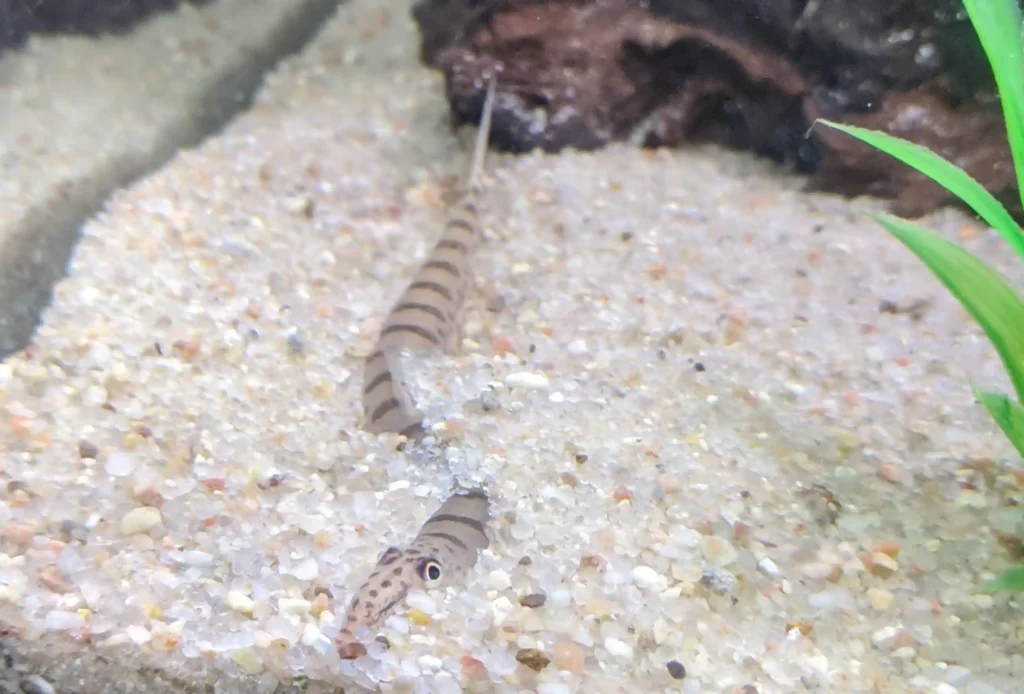
Horseface Loaches have a long, slender body with a pointed snout that resembles a horse’s face. Their body is usually light brown or sandy in color with darker markings that help them blend into the substrate.
They also have small barbels near the mouth, which help them detect food while buried.
Their body shape is perfectly adapted for digging and hiding.
Natural Habitat
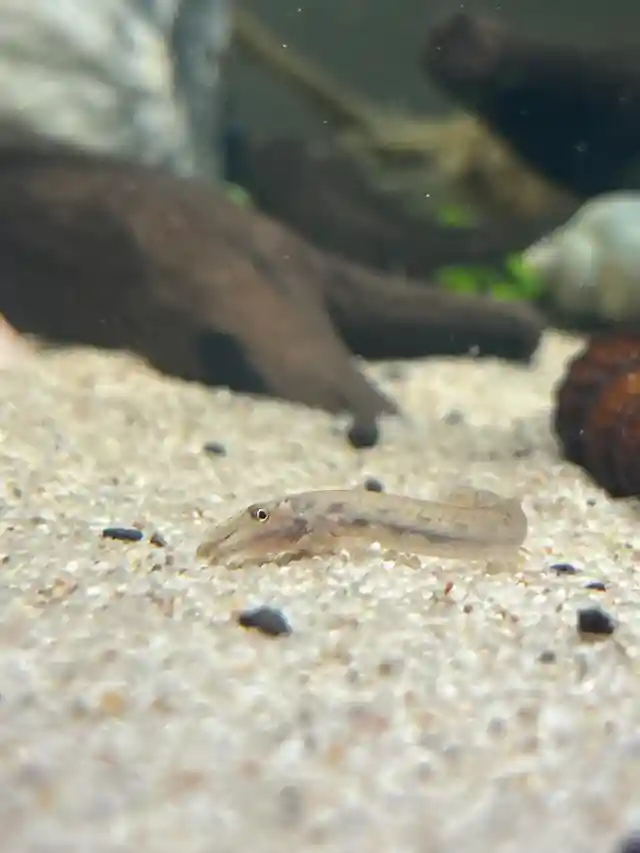
In the wild, Horseface Loaches live in slow-moving rivers and streams across Southeast Asia. These habitats have soft sandy bottoms where the fish can bury themselves for protection.
They often hide during the day and become more active at night, searching for food in the substrate.
This natural behavior is the most important thing to recreate in your aquarium.
Tank Setup for Horseface Loach
Tank Size Requirements
A 55-gallon tank is the minimum.
These fish grow fairly large and need floor space more than height. A longer tank is always better than a tall one.
Sand Substrate (Most Important)
This is the key requirement.
Horseface Loaches must have soft sand substrate. Not gravel. Not rough sand. Only fine, smooth sand.
Why this matters:
- They bury themselves completely
- Rough substrate can cause injuries
- Without sand, they stay stressed and exposed
If you get this wrong, the fish will not thrive.
Decor and Tank Layout
Keep decorations minimal but functional.
Use:
- Smooth rocks
- Driftwood
- Open sandy areas
Avoid overcrowding the bottom because they need space to burrow.
Lighting
Low to moderate lighting works best.
Bright lights can make them hide constantly, since they are naturally shy fish.
Water Flow and Filtration
They prefer gentle to moderate flow.
Use a reliable filter to maintain clean water, but avoid strong currents that disturb the substrate too much.
Ideal Water Parameters
| Parameter | Ideal Range |
| Temperature | 75–82°F (24–28°C) |
| pH | 6.0–7.5 |
| Hardness | Soft to medium |
| Flow | Low to moderate |
Stable water conditions are important, especially because they are sensitive to sudden changes.
Diet and Feeding
What Do Horseface Loaches Eat
Horseface Loaches are omnivores that feed by sifting through sand.
They eat:
- Small worms
- Insect larvae
- Organic matter
Best Foods
In the aquarium, provide:
- Sinking pellets
- Frozen foods like bloodworms and brine shrimp
- Live foods (if available)
They rarely come up to the surface, so food must reach the bottom.
Feeding Tips
Feed during evening or low-light periods when they are more active.
If you don’t see them often, don’t assume they aren’t eating they may be feeding while partially buried.
Behavior and Temperament
Are Horseface Loaches Aggressive?
No, they are peaceful fish.
They rarely interact aggressively with other species and prefer to stay hidden.
Shy and Burrowing Behavior
This species is naturally shy.
They will:
- Bury themselves in sand
- Stay hidden during the day
- Become active at night
If you expect a constantly visible fish, this is not the right choice.
Tank Mates for Horseface Loach
Best Tank Mates
Choose peaceful fish that won’t disturb them:
- Tetras
- Rasboras
- Danios
- Peaceful gouramis
These fish occupy upper and mid levels, leaving the bottom undisturbed.
Fish to Avoid
Avoid:
- Aggressive fish
- Large cichlids
- Active bottom dwellers
Too much activity near the substrate can stress them.
Common Problems and Mistakes
Using Gravel Instead of Sand
This is the biggest mistake and often leads to stress or injury.
Expecting Constant Activity
They are not display fish. Much of their time is spent hidden.
Strong Water Flow
Too much current disrupts their natural behavior and substrate.
Overcrowded Bottom
Too many decorations or bottom fish limit their space to burrow.
Breeding Horseface Loach
Breeding in home aquariums is extremely rare.
Most available fish are wild-caught or commercially bred. Breeding is not something most hobbyists will achieve.
Should You Keep Horseface Loach?
Horseface Loaches are a good choice if you:
- Have a large tank with sand substrate
- Want a unique burrowing fish
- Prefer peaceful community setups
They are not ideal if you want a visible, active fish.
FAQs
Do Horseface Loaches need sand?
Yes, sand is essential. Without it, they cannot display natural behavior.
How big do Horseface Loaches get?
They can grow up to 6–8 inches.
Are they aggressive?
No, they are peaceful and shy.
Can they live with Corydoras?
It’s not ideal, as both use the bottom space and may compete.
Why is my Horseface Loach always hiding?
This is normal behavior. They naturally bury themselves and stay hidden.
