
Aponogeton Crispus Care Guide

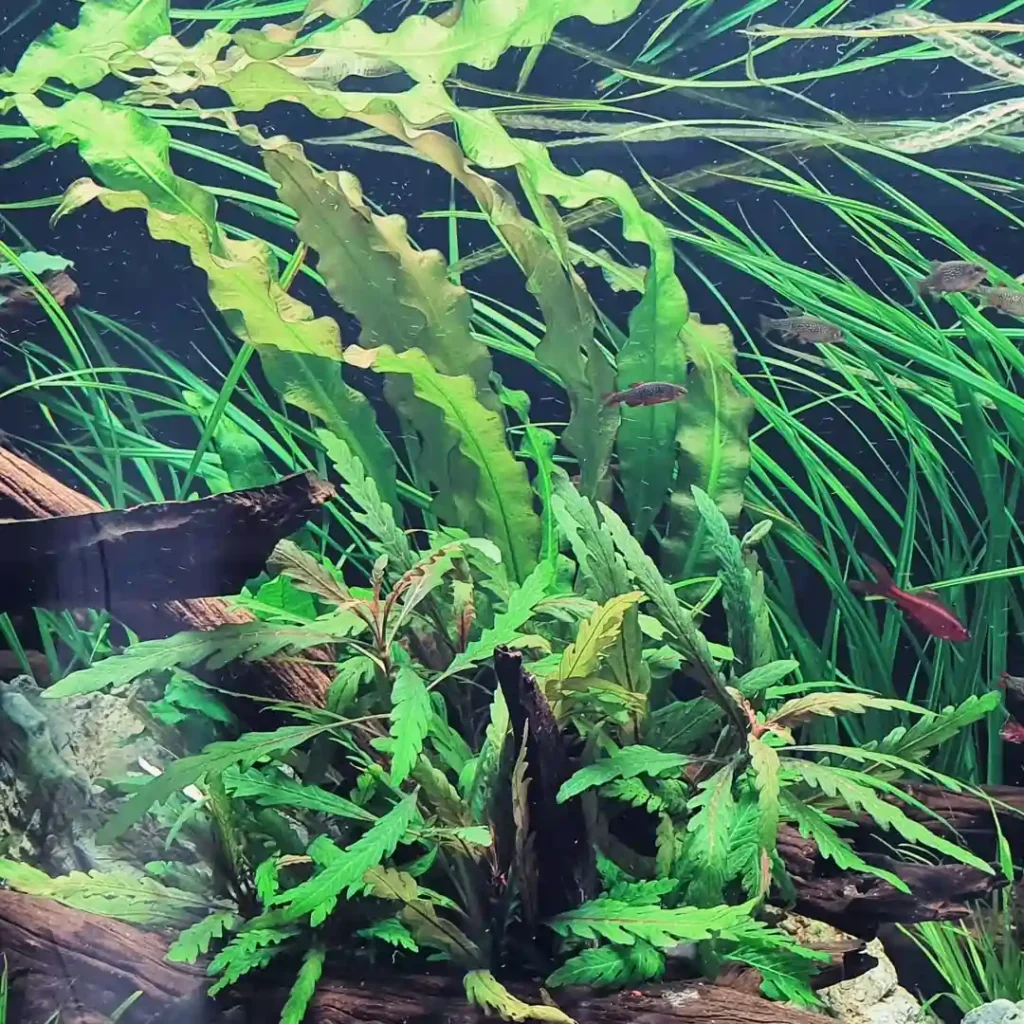
Aponogeton crispus is a graceful freshwater plant known for its long, wavy leaves and steady growth. Unlike fast stem plants, it grows from a bulb and follows a natural cycle of growth and rest. When cared for properly, it becomes a strong focal plant that adds movement and height to planted aquariums.
This guide explains how to grow Aponogeton crispus successfully, how to plant the bulb correctly, and what to expect during its dormancy phase.
What Is Aponogeton Crispus?
Aponogeton crispus is a freshwater bulb plant native to Sri Lanka. Its scientific name is Aponogeton crispus. In the wild, it grows in seasonal waters where water levels rise and fall throughout the year.
Aquarists value this plant for:
- Long, narrow leaves with wavy edges
- Slow to moderate growth
- Strong root system once established
- Ability to thrive in low-tech setups
Because it grows from a bulb, its care differs from common stem or rosette plants.
Aponogeton Crispus Quick Care Overview
| Care Factor | Recommendation |
|---|---|
| Difficulty | Very Easy |
| Lighting | Low to Medium |
| CO₂ | Not needed |
| Temperature | 18–26°C |
| pH Range | 6.0–8.0 |
| Growth Speed | Fast |
| Placement | Background or Floating |
| Best Tank Type | Beginner tanks, goldfish tanks, breeding tanks |
Note: Anacharis is also frequently listed among aquarium plants for beginners because it survives well in basic setups.
Tank Requirements for Healthy Growth
Lighting Needs
Aponogeton crispus does well under low to medium lighting.
- Low light: Slower growth, longer leaves
- Medium light: Fuller growth, stronger leaf structure
Very strong lighting is unnecessary and can encourage algae to grow on the leaves, especially during slow growth periods.
A light duration of 7–8 hours per day is usually enough.
Water Parameters and Stability
This plant prefers stable, clean water:
- Slightly acidic to neutral pH
- Soft to moderately hard water
- Tropical temperature range
Sudden changes in water parameters often lead to leaf loss. Stability is more important than chasing exact numbers.
Is CO₂ Required?
CO₂ is not required for Aponogeton crispus.
Without CO₂:
- Growth remains steady
- Leaves stay healthy
- Maintenance stays simple
With CO₂:
- Growth may speed up slightly
- Leaves may grow longer
CO₂ is optional, not necessary.
Substrate and Planting the Bulb

Best Substrate Options
Aponogeton crispus benefits from nutrient access at the roots. Suitable substrates include:
- Planted aquarium soil
- Sand or gravel with root tabs
Because it feeds heavily through its roots, root tabs are strongly recommended if you’re not using nutrient-rich soil.
How to Plant Aponogeton Crispus Correctly
This step is critical.
- Do not bury the entire bulb
- Push only the bottom half of the bulb into the substrate
- Leave the top portion exposed
- Avoid damaging the bulb surface
Burying the bulb fully often causes it to rot before sprouting.
Growth Pattern and Dormancy (Very Important)
Normal Growth Phase
Once established, Aponogeton crispus sends out long leaves that gently sway with water flow. Growth is steady, not fast, and trimming is rarely needed.
Dormancy Phase Explained
Aponogeton crispus naturally goes dormant.
During dormancy:
- Leaves may yellow and die back
- Growth may stop for weeks
- The bulb remains alive
This is normal, not a failure.
Do not remove the bulb unless it becomes soft or mushy. Reduce lighting slightly and maintain regular water changes. New growth usually resumes after the rest period.
Most beginner losses happen because hobbyists remove healthy bulbs during dormancy.
Maintenance and Trimming
Trimming Leaves
- Remove only damaged or dying leaves
- Cut leaves close to the bulb base
- Avoid frequent trimming
Healthy leaves should be left alone.
Fertilization Tips
Because growth is slower, over-fertilizing can cause algae.
Best approach:
- Root tabs every 2–3 months
- Light liquid fertilizer if needed
Less is more with this plant.
Common Problems and Solutions
Leaves Turning Yellow
Often caused by:
- Nutrient depletion
- Natural dormancy
Check the bulb firmness before assuming a problem.
Bulb Rot
Usually caused by:
- Fully burying the bulb
- Poor water circulation
- Dirty substrate
Always keep part of the bulb exposed.
Algae on Leaves
Because leaves grow slowly, algae can settle.
Helpful steps:
- Reduce light duration
- Improve water flow
- Manually clean affected leaves
Best Tank Mates for Aponogeton Crispus
Compatible Fish
This plant works well with:
- Tetras
- Rasboras
- Gouramis
- Angelfish
Gentle fish allow leaves to remain intact.
Shrimp and Snails
Shrimp are safe and help keep leaves clean. Most snails do not damage healthy leaves.
Fish to Avoid
Avoid tanks with:
- Goldfish
- Large plant-eating cichlids
- Aggressive diggers
These fish often damage bulbs and roots.
Aponogeton Crispus vs Similar Bulb Plants
PlantKey DifferenceAponogeton ulvaceusLarger, faster growthAponogeton boivinianusThicker leaves, higher lightAmazon SwordRosette plant, no dormancy
Aponogeton crispus is more compact and easier to manage.
Is Aponogeton Crispus Right for Your Tank?
This plant is a good choice if:
- You want a graceful focal plant
- You prefer low-maintenance setups
- You’re comfortable with natural dormancy
It’s not ideal if you want constant, fast growth or frequent trimming.
Final Thoughts
Aponogeton crispus is not difficult, but it demands understanding. Once you respect its bulb nature and dormancy cycle, it becomes one of the most reliable and elegant plants in a freshwater aquarium.
If you’re building a balanced planted tank, Aponogeton crispus fits naturally into a broader collection of freshwater aquarium plants.
