
Fish Tank Cycling Guide for Beginners

When I first learned about fish tank cycling, I honestly thought it sounded more complicated than it needed to be. I just wanted to set up the tank, add water, run the filter, and bring fish home.
That is where many beginners go wrong.
A fish tank can look clean, clear, and “ready,” but still be unsafe inside. The real problem is not dirty-looking water. The real problem is invisible ammonia and nitrite. These two can stress or kill fish before a beginner even understands what happened.
Fish tank cycling is the process of building helpful bacteria in your aquarium so the tank can handle fish waste safely. Once you understand that simple idea, the whole process becomes much easier.
This guide is written from a beginner-first point of view, not like a science textbook. I’ll explain what cycling means, how I would do it now, what mistakes I would avoid, and how to know when your tank is actually ready for fish.
What Fish Tank Cycling Really Means
Fish tank cycling means preparing your aquarium before it becomes home for fish.
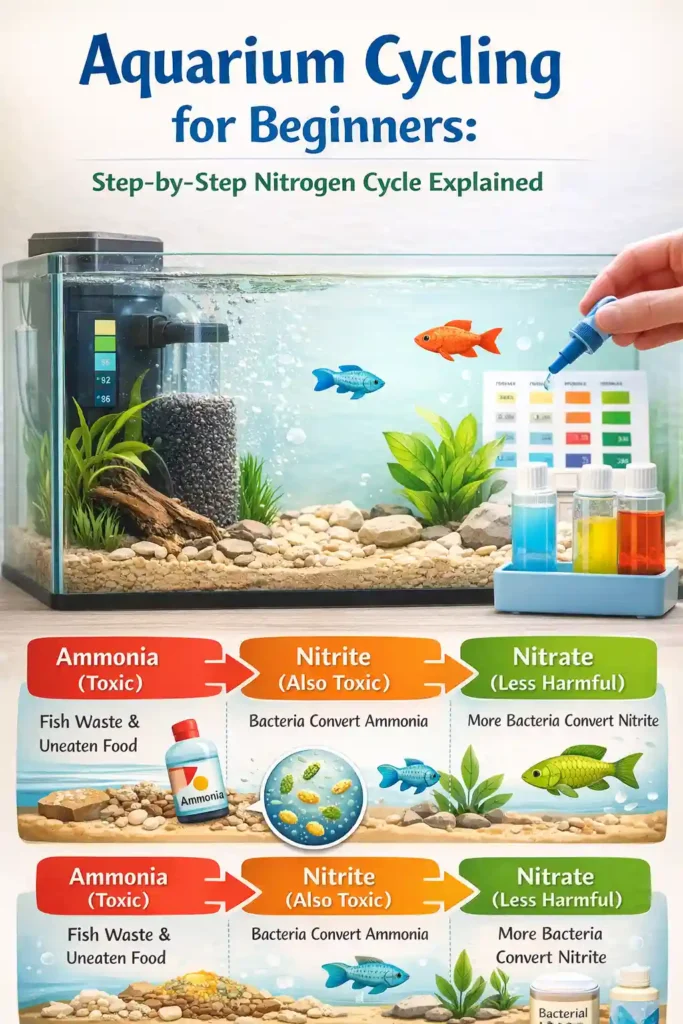
When fish eat, they produce waste. Leftover food also breaks down in the water. Dead plant leaves, fish poop, and other organic waste create ammonia. Ammonia is dangerous, even when the water looks perfectly clear.
A new aquarium does not have enough good bacteria to deal with that waste yet. These good bacteria slowly grow on your filter media, substrate, decorations, plants, and other surfaces inside the tank.
The bacteria do one very important job.
They turn ammonia into nitrite, then nitrite into nitrate.
Ammonia is dangerous. Nitrite is also dangerous. Nitrate is less harmful and can be reduced with water changes and live plants.
That is the aquarium cycle in simple words.
The mistake I see beginners make is thinking the filter “cleans” the water only by trapping dirt. But the filter is also a home for bacteria. That hidden bacteria colony is what makes the tank stable.
The Nitrogen Cycle Explained Simply
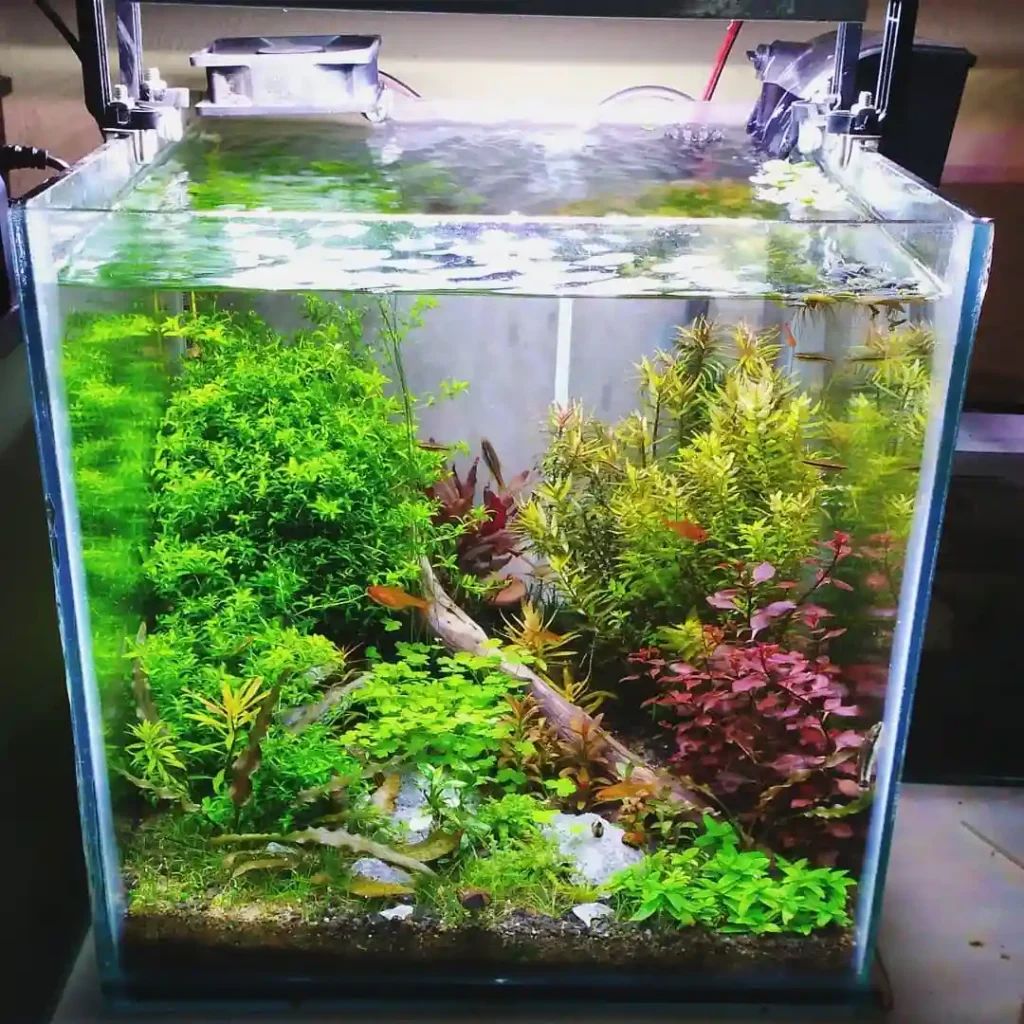
The nitrogen cycle sounds like something from a school science class, but in fishkeeping it is very practical.
Here is how it works inside a beginner aquarium.
First, ammonia appears. This comes from fish waste, uneaten food, and anything rotting in the tank.
Then, one type of bacteria grows and starts changing ammonia into nitrite.
After that, another type of bacteria grows and changes nitrite into nitrate.
Once your tank can change ammonia into nitrate without ammonia or nitrite building up, your aquarium is considered cycled.
A healthy cycled tank should normally show:
| Water Test | Safe Beginner Goal |
| Ammonia | 0 ppm |
| Nitrite | 0 ppm |
| Nitrate | Present but kept low |
| pH | Stable, not swinging daily |
The key word here is stable.
A tank is not ready just because the water is clear. A tank is ready when testing shows ammonia and nitrite are both staying at 0 ppm.
Why I Would Never Rush Cycling Again
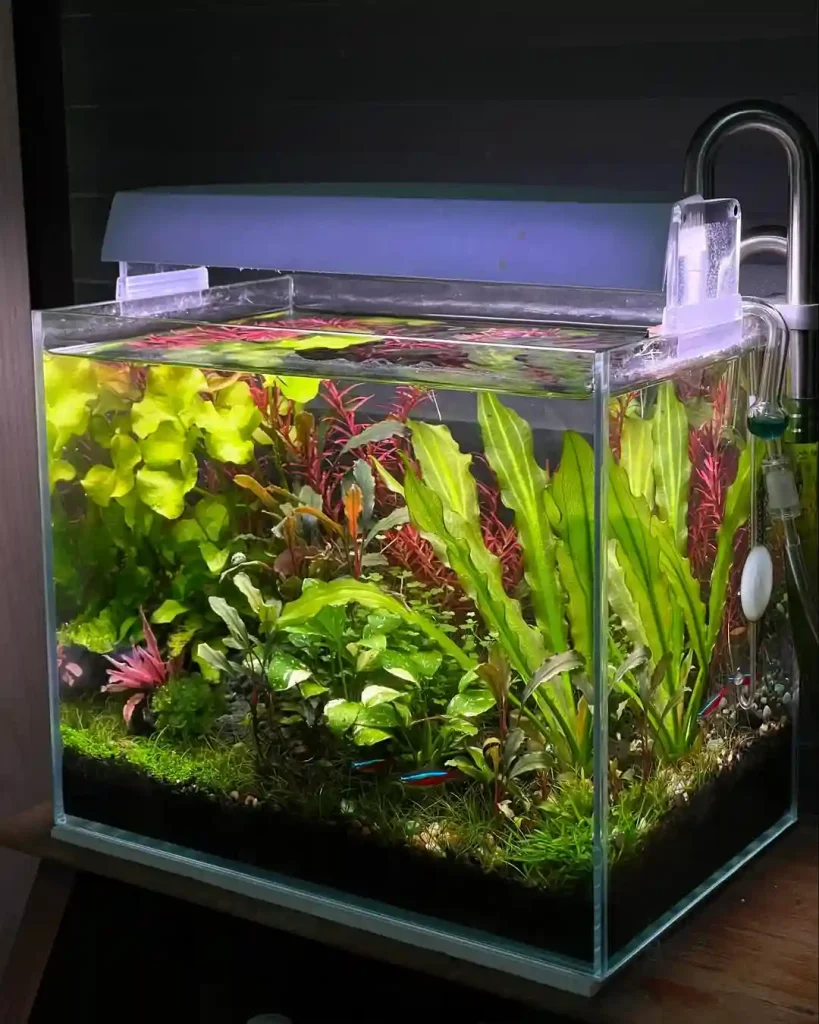
If I were setting up a beginner tank again, I would rather wait a little longer than add fish too early.
That one decision saves so much stress.
Most beginners do not lose fish because they are careless. They lose fish because the aquarium looks ready from the outside. The light is on, the filter is running, the water is clear, and everything looks peaceful.
But inside the water, ammonia may be rising.
I have seen this happen many times with new tanks. The fish look fine on day one. By day three or four, they start hiding, breathing fast, staying near the surface, or clamping their fins. The beginner thinks the fish were weak, but the real issue is often an uncycled tank.
Cycling is boring in the beginning, but it gives you a much better aquarium later.
How Long Does It Take to Cycle a Fish Tank?
Most new fish tanks take around 4 to 8 weeks to cycle.
Some tanks cycle faster. Some take longer. The timing depends on how you start the cycle, whether you use seeded filter media, whether you add bottled bacteria, your water temperature, oxygen flow, and how steady your ammonia source is.
From my experience, beginners should not focus only on the number of weeks. Focus on the test results.
A tank is not cycled because it has been running for one month. It is cycled when ammonia and nitrite both read 0 ppm and nitrate is present.
That difference matters.
A tank can run for six weeks and still not be ready if there was no ammonia source. On the other hand, a tank with mature filter media from a healthy aquarium may cycle much faster.
Fishless Cycling Is Best for Beginners
If you have not bought fish yet, fishless cycling is the better choice.
Fishless cycling means you cycle the aquarium without fish inside. This is safer because no fish are exposed to ammonia or nitrite while the bacteria colony grows.
The basic idea is simple.
You set up the aquarium, add treated water, run the filter and heater, then add a controlled ammonia source. The bacteria feed on that ammonia and slowly grow.
You keep testing the water until the tank can process ammonia and nitrite safely.
This is the method I recommend for beginners because it gives you room to make mistakes without hurting fish.
How to Cycle a Fish Tank Without Fish
Start by setting up the aquarium fully. Add your substrate, decorations, filter, heater, thermometer, and dechlorinated water. Turn everything on and let the filter run day and night.
Do not turn the filter off at night. The bacteria need steady water flow and oxygen.
Next, add an ammonia source. Many hobbyists use pure aquarium ammonia because it is easier to control. Some beginners use fish food, but that can get messy because food rots unevenly and can cloud the water.
Once ammonia is added, start testing.
At first, you should see ammonia. That is normal. Then, after some time, nitrite should appear. That means the first bacteria group is starting to work.
Later, nitrate should appear. This means the second bacteria group is becoming active.
The tank is moving in the right direction when ammonia starts dropping, nitrite rises and later drops, and nitrate appears.
Before adding fish, do a water change if nitrate is high. Then add fish slowly.
Do not fully stock the tank in one day. Even a cycled aquarium needs time to adjust to more waste.
Internal link idea: Link “set up the aquarium fully” to your Freshwater Aquarium Setup Guide.
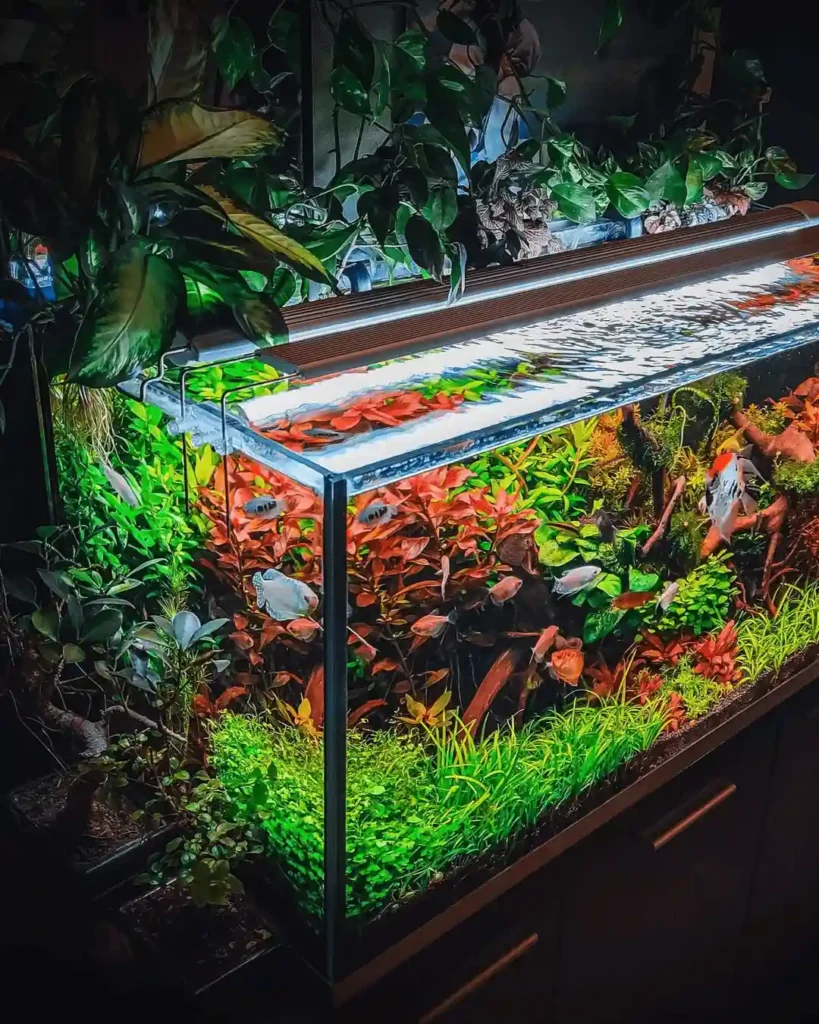
Fish-In Cycling: What to Do If You Already Added Fish
Many beginners learn about cycling after they already bought fish.
If that is your situation, do not panic. You can still protect the fish, but you need to act carefully.
Fish-in cycling means the tank is cycling while fish are living inside. This is riskier because ammonia and nitrite can hurt the fish.
Your job is to keep those levels as low as possible while bacteria grow.
Test the water daily if you can. Feed lightly, because more food means more waste. Do partial water changes whenever ammonia or nitrite rises. Always use dechlorinator before adding tap water back into the tank.
Do not add more fish during this stage.
You can also add bottled bacteria or seeded filter media from a healthy established tank. Seeded media is often more helpful than just adding old tank water because most beneficial bacteria live on surfaces, especially inside filter media.
This is one of the biggest beginner tips: old water does not cycle a tank by itself. Mature filter media is far more useful.
My “New Tank Rule” for Beginners
Here is a simple rule I would give any beginner:
Never trust your eyes more than your test kit.
Clear water can still have ammonia. Cloudy water does not always mean disaster. Fish swimming around does not always mean the water is safe.
Testing gives you the real answer.
For a new aquarium, I would keep these things nearby:
| Item | Why It Helps |
| Dechlorinator | Makes tap water safe |
| Ammonia test | Shows early danger |
| Nitrite test | Shows second-stage danger |
| Nitrate test | Shows the cycle is working |
| Thermometer | Keeps temperature steady |
| Spare filter sponge/media | Helps protect bacteria |
A beginner does not need every expensive aquarium product. But a water test kit and dechlorinator are not optional in my opinion.
Where Beneficial Bacteria Actually Live
One mistake I made early was thinking bacteria were mostly floating around in the water.
They are not.
Most beneficial bacteria live on surfaces. The filter media is the main place. They also grow on gravel, sand, rocks, wood, plants, and decorations.
This is why replacing filter cartridges too often can cause problems.
Many filter brands tell beginners to replace cartridges every few weeks. That may sound clean, but it can remove a large part of your bacteria colony. Instead, it is usually better to rinse filter media gently in old tank water during a water change.
Do not rinse it under untreated tap water. Chlorine or chloramine can harm the bacteria.
This one habit can prevent a lot of “my tank crashed” problems.
Common Cycling Mistakes Beginners Make
The first big mistake is adding fish too soon. A tank that has only been running for a few days is usually not ready.
The second mistake is overfeeding. Extra food breaks down into ammonia, which makes the cycle harder to control.
The third mistake is cleaning too much at once. If you deep clean the gravel, replace the filter media, scrub decorations, and do a huge water change all at the same time, you can weaken the bacteria colony.
Another common mistake is adding too many fish right after the cycle finishes. The tank may be cycled, but the bacteria colony only grows to match the waste available. If you suddenly add many fish, ammonia can rise again.
Go slowly.
Add a few fish, feed lightly, and test the water for the next week.
Internal link idea: Link “adding too many fish” to your Community Aquarium Problems article.
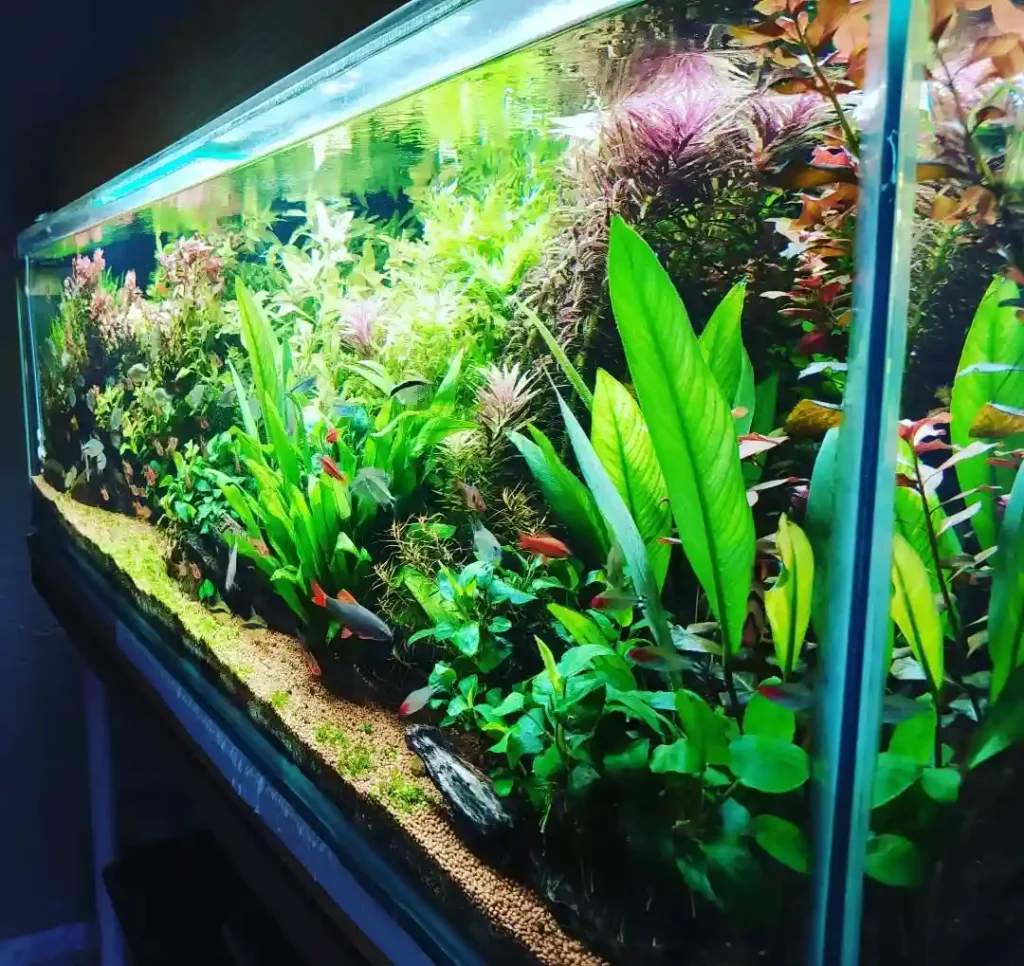
Signs Your Fish Tank Is Cycling
There are a few signs that your tank may be cycling, but testing is still the only reliable way to know.
You may notice cloudy water in the first few days or weeks. This can be a bacterial bloom and is common in new aquariums.
You may also see brown algae on glass, substrate, or decorations. This is common in newer tanks and often appears before the aquarium becomes more balanced.
Your test results will tell the real story:
First, ammonia rises.
Then, nitrite appears.
Then, nitrate appears.
Finally, ammonia and nitrite both return to 0 ppm.
That pattern is more important than how the tank looks.
Internal link idea: Link “brown algae” or “algae in new tanks” to your Algae Control Hacks article.
How to Know Your Fish Tank Is Cycled
Your fish tank is cycled when it can process waste without ammonia or nitrite staying in the water.
For a beginner freshwater tank, look for this:
| Parameter | What You Want |
| Ammonia | 0 ppm |
| Nitrite | 0 ppm |
| Nitrate | Present, but not too high |
| Water smell | Normal, not rotten |
| Fish behavior | Active and relaxed after stocking |
Do not use nitrate alone as the only sign. Nitrate appearing is a good sign, but you still need ammonia and nitrite to be 0 ppm.
Before adding fish, I would test for a few extra days just to make sure the readings are stable. That small wait can prevent a lot of trouble.
Can You Speed Up Fish Tank Cycling?
Yes, but you should not rush it blindly.
The best way to speed up cycling is to use seeded filter media from a healthy, disease-free aquarium. This brings in living bacteria that are already active.
Bottled bacteria can also help, but results can vary. I would treat bottled bacteria as support, not magic.
Live plants may also help. Fast-growing plants can use some ammonia and nitrate, which can make the tank more forgiving.
Good beginner plants include Java fern, Anubias, hornwort, water sprite, Amazon sword, and floating plants.
Just remember: plants help, but they do not replace testing.
Internal link idea: Link this section to Aquascaping for Beginners or beginner aquarium plants if you have that article.
What I Would Do Before Adding Fish
Before adding fish to a new tank, I would do three things.
First, I would test ammonia, nitrite, and nitrate.
Second, I would do a partial water change if nitrate is high.
Third, I would choose hardy beginner fish and add them slowly.
Good beginner fish after cycling can include guppies, platies, zebra danios, cherry barbs, harlequin rasboras, white cloud mountain minnows, and some corydoras once the tank is more settled.
I would not add sensitive fish first. I also would not add bottom dwellers too early if the tank is still unstable, because waste and leftover food collect near the substrate.
Internal link ideas: Link to Guppy Care Guide, Cherry Barb Care Guide, Corydoras Catfish Guide, and Tropical Fish for Beginners.
Beginner Fish Tank Cycling Timeline
Every tank is different, but this timeline gives beginners a rough idea.
| Time | What Often Happens |
| Week 1 | Tank is set up, ammonia begins appearing |
| Week 2 | Ammonia may rise, bacteria start growing |
| Week 3 | Nitrite may appear |
| Week 4 | Nitrate may appear, nitrite may still be high |
| Week 5 to 8 | Ammonia and nitrite move toward 0 ppm |
| After cycling | Water change, then add fish slowly |
Do not worry if your tank does not match this timeline exactly. Some tanks move faster, others take longer.
The test kit is more reliable than the calendar.
My Best Beginner Cycling Advice
If I had to give one honest piece of advice, it would be this:
Build the tank for the fish before you buy the fish.
That means getting the filter ready, letting bacteria grow, testing the water, and giving the aquarium time to become stable.
Beginners often get excited and buy fish first. I understand that. A tank without fish can feel empty. But that empty waiting period is what makes the tank safe.
Cycling teaches patience, and patience is one of the best fishkeeping skills you can learn early.
Fish Tank Cycling Checklist
Use this before adding fish:
| Step | Done? |
| Tank is fully set up | |
| Filter runs 24/7 | |
| Tap water is treated with dechlorinator | |
| Ammonia source has been added | |
| Ammonia has appeared | |
| Nitrite has appeared | |
| Nitrate has appeared | |
| Ammonia reads 0 ppm | |
| Nitrite reads 0 ppm | |
| Water change done before fish | |
| Fish added slowly |
This kind of checklist is simple, but it helps beginners avoid guessing.
FAQs
Can I cycle a fish tank in one week?
Usually, no. A brand-new tank normally takes longer. It may cycle faster if you use mature filter media from a healthy established tank, but you should still test the water before adding fish.
Can I add fish before the tank is cycled?
You can, but it is risky. If fish are already in the tank, you need to do a fish-in cycle with regular testing, light feeding, and water changes.
Does cloudy water mean my tank is cycled?
No. Cloudy water can happen during cycling, but it does not prove the tank is ready. You need ammonia, nitrite, and nitrate test results.
Do I need to cycle a planted tank?
Yes. Live plants can help use some waste, but a planted tank still needs stable bacteria and safe water readings.
Should I change water during cycling?
Yes, especially if ammonia or nitrite gets too high. Use dechlorinated water and avoid cleaning all filter media at the same time.
Where do good bacteria live in a fish tank?
Most good bacteria live in the filter media and on surfaces like substrate, rocks, wood, and plants. Very little of the useful bacteria is just floating in the water.
When can I add fish after cycling?
Add fish when ammonia and nitrite are both 0 ppm, nitrate is under control, and the tank has stayed stable. Add only a few fish at first.
Final Thoughts
Fish tank cycling may feel slow, but it is one of the most important things you can do for a healthy aquarium.
A cycled tank gives your fish a safer home from the start. It also makes fishkeeping less stressful because you are not constantly fighting ammonia spikes, sick fish, cloudy water, and emergency water changes.
My honest opinion: beginners should not skip cycling. It is not the fun part of setting up an aquarium, but it is the part that protects everything you add later.
Start slow, test your water, protect your filter bacteria, and add fish patiently. That is how you build a tank that actually lasts.
