Rummy Nose Tetra Care Guide (Tank Size, Diet, Lifespan & Tank Mates)
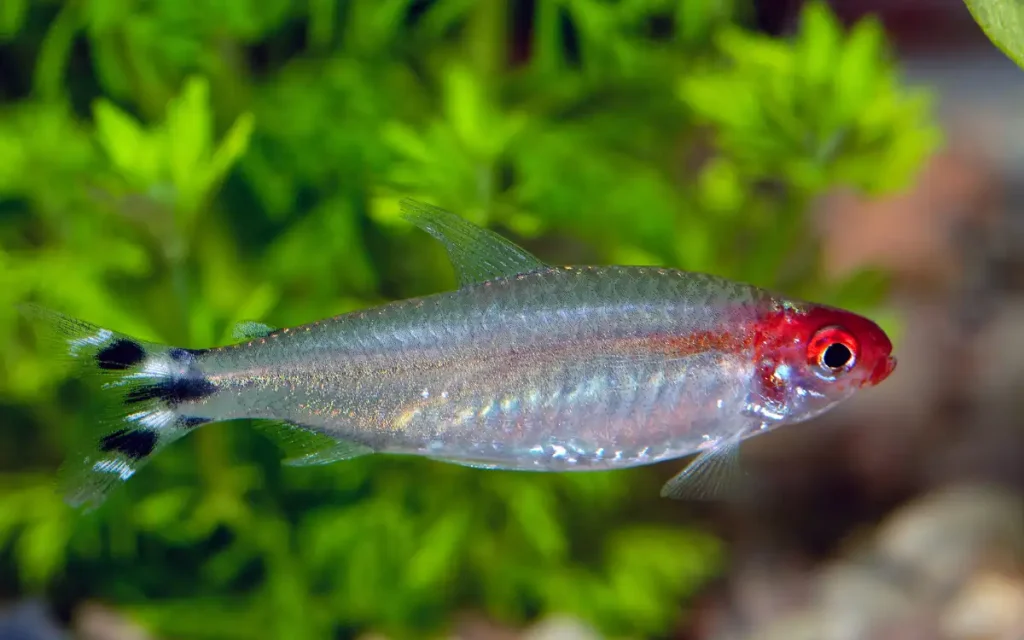
Rummy Nose Tetra (Hemigrammus rhodostomus) is one of the most striking schooling fish you can keep in a freshwater aquarium. Its bright red head and striped tail make it stand out, especially when kept in a large group.
Unlike many beginner fish, Rummy Nose Tetras are more sensitive to water conditions. They need clean, stable water to stay healthy. If you can maintain good water quality and keep them in a proper group, they become one of the most active and visually impressive fish in a community tank.
Rummy Nose Tetra Care Overview
| Category | Details |
| Scientific Name | Hemigrammus rhodostomus |
| Common Names | Rummy Nose Tetra |
| Size | 2 – 2.5 inches |
| Lifespan | 5 – 6 years |
| Tank Size | 20 gallons (minimum) |
| Temperature | 75–84°F |
| pH | 5.5 – 7.0 |
| Temperament | Peaceful |
| Care Level | Moderate |
| Diet | Omnivore |
Appearance
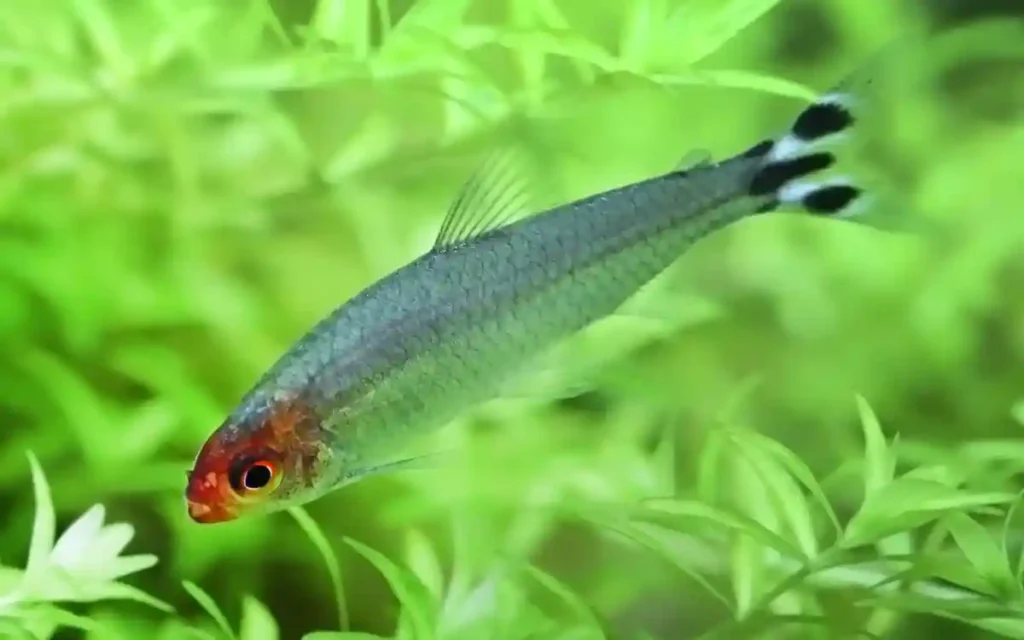
Rummy Nose Tetras are easy to recognize because of their bright red face and bold black-and-white striped tail. Their body is mostly silver, which makes the red head stand out even more.
One interesting thing about this fish is that its color can indicate health. A bright red nose usually means the fish is healthy and comfortable. If the color fades, it often signals stress or poor water conditions.
When kept in a large group, they swim in tight schools, moving in perfect coordination across the tank.
Tank Size and Setup
Minimum Tank Size
A 20-gallon tank is the minimum, but this fish really benefits from larger tanks. A 30-gallon or bigger setup is ideal if you want to see their natural schooling behavior.
Ideal Tank Setup
Rummy Nose Tetras prefer a clean and stable environment.
- Plenty of open swimming space
- Plants along the sides and back
- Smooth substrate
- Gentle water flow
They are sensitive to sudden changes, so stability matters more than decoration.
Water Parameters
- Temperature: 75–84°F
- pH: 5.5 – 7.0
- Soft water preferred
Weekly water changes are essential for this species.
Behavior
Rummy Nose Tetras are peaceful and highly active schooling fish.
- Swim in tight groups
- Stay in the middle of the tank
- Very calm with other species
They are known for their strong schooling instinct, more than most other tetras.
Related article: Cardinal Tetra Care Guide
How Many Rummy Nose Tetras Should Be Kept Together?
- Minimum: 6 fish
- Ideal: 10–15 fish
This species looks best in larger groups. Small groups may feel stressed and lose color.
Best Tank Mates
Good Tank Mates
- Corydoras catfish
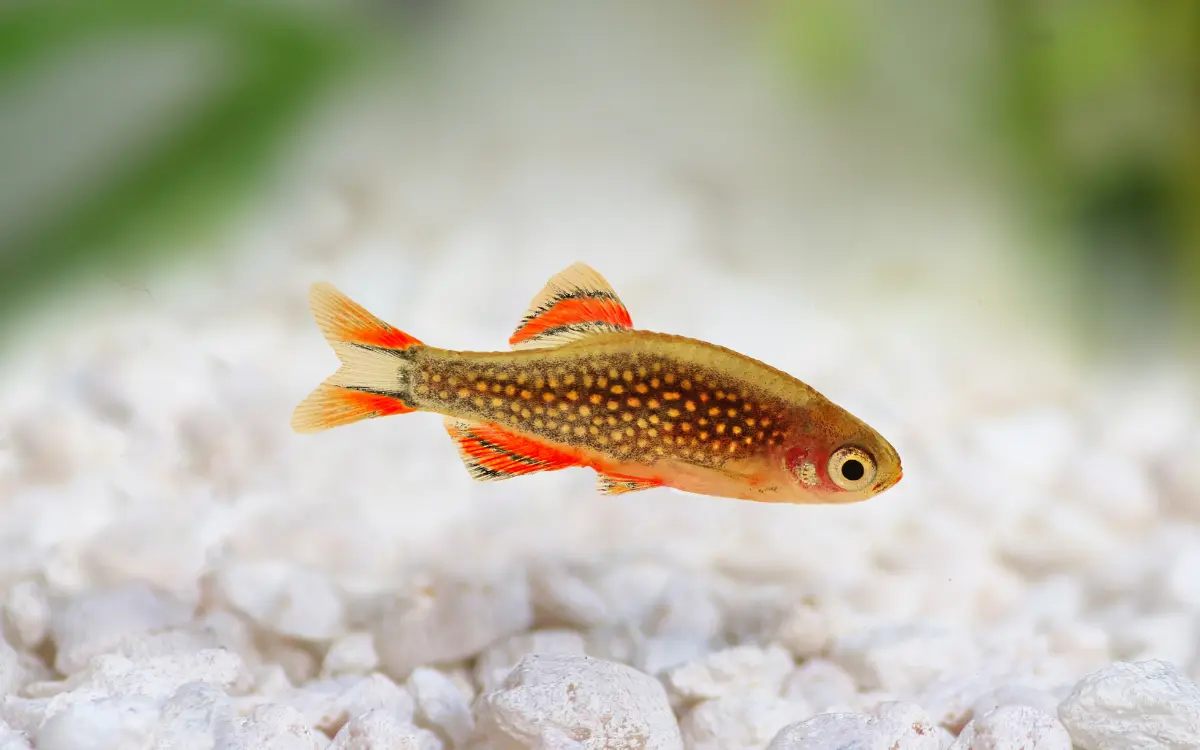
- Rasboras
- Small peaceful tetras
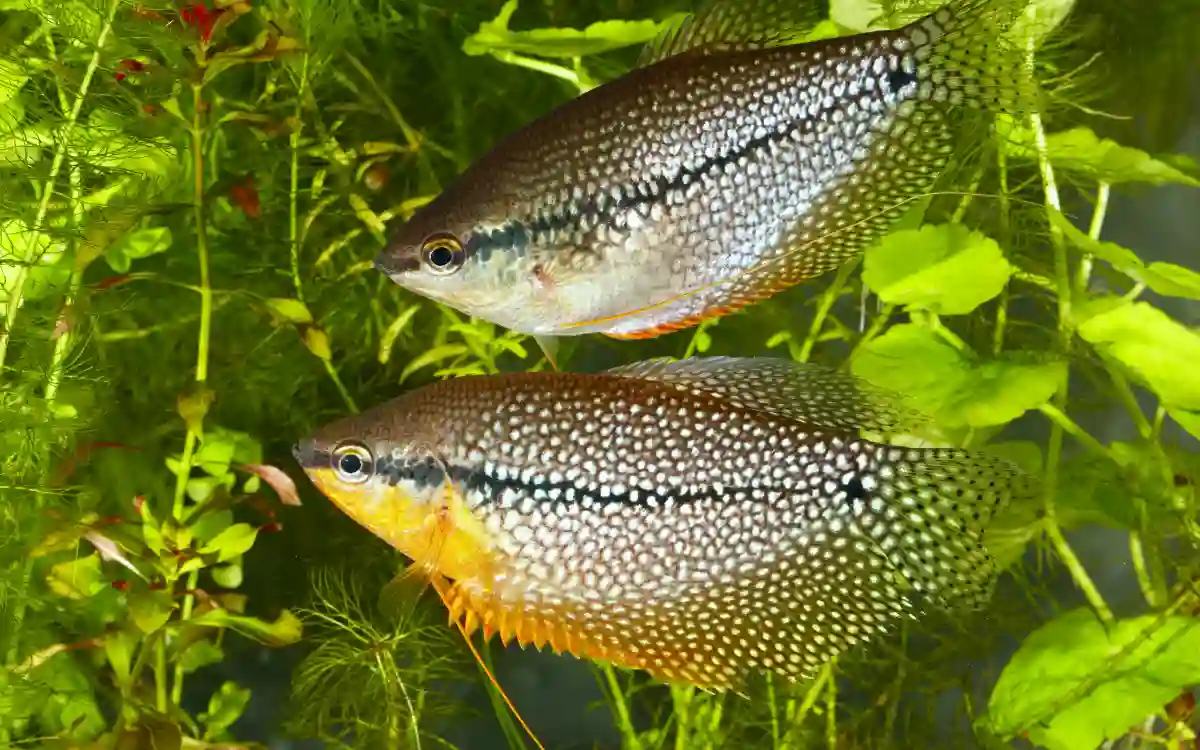
- Dwarf gouramis
These fish share similar water requirements and won’t disturb them.
Tank Mates to Avoid
- Aggressive fish
- Large fish
- Fin nippers
Rummy Nose Tetras are sensitive and can get stressed easily.
Diet and Feeding
They are not picky but need a balanced diet.
Best Foods
- High-quality flakes or pellets
- Frozen foods (bloodworms, brine shrimp)
- Micro foods for variety
Feeding Schedule
Feed 1–2 times daily in small portions. Avoid overfeeding to maintain water quality.
Lifespan and Growth
Rummy Nose Tetras can live up to 5–6 years with proper care. They grow to about 2–2.5 inches when fully mature.
Breeding Rummy Nose Tetras
Breeding Rummy Nose Tetras is challenging and not very common in home aquariums. They require very specific water conditions to spawn successfully.
To attempt breeding:
- Use a separate breeding tank
- Maintain very soft, slightly acidic water
- Keep lighting dim
- Add fine plants or spawning mops
After spawning, remove the parents immediately, as they may eat the eggs. The eggs are sensitive to light, so keep the tank dim during the hatching period.
Fry are very small and require infusoria or specialized fry food at the beginning.
Common Problems
Fading Red Nose
This is the biggest indicator of health.
Causes:
- Poor water quality
- Stress
- Sudden changes
Fix:
- Perform regular water changes
- Keep parameters stable
- Avoid sudden temperature shifts
Stress and Sensitivity
Unlike Ember or Black Skirt Tetras, this species is more sensitive.
Common reasons:
- Poor tank cycling
- Overcrowding
- Bad tank mates
Stable, clean water is the key to keeping them healthy.
Diseases
They can suffer from:
- Ich
- Stress-related illnesses
Because they are sensitive, prevention is more important than treatment.
Pros and Cons
Pros
- Beautiful schooling behavior
- Peaceful and community-friendly
- Unique color pattern
Cons
- Sensitive to water conditions
- Needs stable, clean tank
- Not ideal for complete beginners
Is Rummy Nose Tetra Right for You?
If you can maintain stable water conditions and want a fish that shows strong schooling behavior, Rummy Nose Tetras are a great choice. They are perfect for planted community tanks where water quality is well managed.
However, if you are a complete beginner, you may find easier species like Ember Tetras more forgiving.
FAQs
Are Rummy Nose Tetras hard to care for?
They are moderately difficult because they need stable and clean water conditions.
How many Rummy Nose Tetras should be kept together?
At least 6, but 10–15 is ideal for proper schooling behavior.
Why is my Rummy Nose Tetra losing color?
Fading red color usually means stress or poor water quality.
Can Rummy Nose Tetras live with shrimp?
Yes, but very small shrimp fry may be eaten.
Do they need a heater?
Yes, they require stable warm water between 75–84°F.