
YoYo Loach Care Guide

The Yo-Yo Loach is one of the most active and personality-filled bottom-dwelling fish you can keep. Known for its unique pattern that looks like the letters “YOYO,” this loach stands out in both appearance and behavior.
But here’s what many beginners don’t realize: Yo-Yo Loaches are not fully peaceful. They are social fish with a clear hierarchy, and if kept incorrectly, they can become aggressive.
If you understand their group behavior and set up the tank properly, they become hardy, entertaining, and very rewarding to keep.
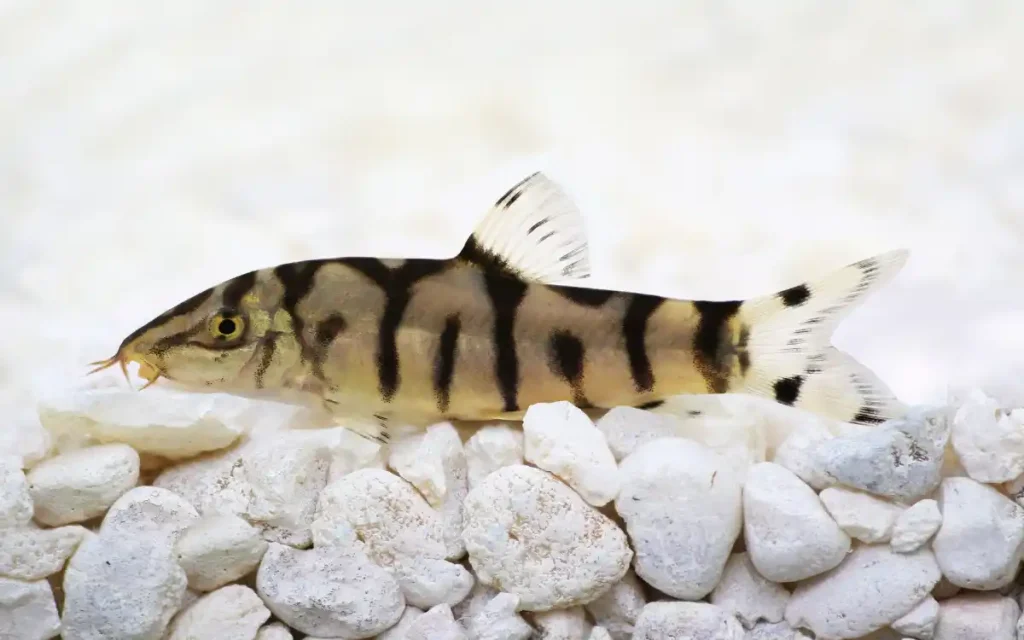
Species Overview
| Category | Details |
| Scientific Name | Botia almorhae |
| Common Name | Yo-Yo Loach |
| Size | 4–6 inches |
| Lifespan | 5–8 years |
| Tank Size | Minimum 40 gallons |
| Temperament | Semi-aggressive |
| Care Level | Moderate |
Appearance and Growth
Yo-Yo Loaches have a silver body covered with dark patterns that often form shapes resembling the word “YOYO.” This pattern becomes more broken and complex as they grow.
They have a long, slender body with small barbels near the mouth, which they use to search for food along the substrate.
Juveniles are more colorful and active, while adults develop stronger personalities and more defined dominance behavior.
Natural Habitat
Yo-Yo Loaches come from rivers and streams in India and surrounding regions. These waters have moderate flow, sandy or rocky bottoms, and plenty of hiding places like roots and stones.
They are used to living in groups and navigating complex environments. That’s why a bare tank setup doesn’t work well for them.
Tank Setup for Yo-Yo Loach
A 40-gallon tank is the realistic minimum.
Many care sheets suggest smaller tanks, but that doesn’t work long-term. These fish grow fairly large and need space, especially when kept in groups.
If you plan to keep a proper group, go bigger whenever possible.
Substrate
Always use soft substrate like sand or smooth fine gravel.
Their barbels are sensitive, and rough gravel can cause injury, leading to stress or infection.
Hiding Spots Are Critical
This is one of the most important parts of the setup.
Yo-Yo Loaches need:
- Caves
- Driftwood
- Rock structures
Without hiding spots, they feel exposed and become more aggressive.
Water Flow and Filtration
They prefer moderate flow with clean, well-oxygenated water.
Use a strong filter to maintain water quality. Regular water changes are essential because loaches are sensitive to poor conditions.
Ideal Water Parameters
| Parameter | Ideal Range |
| Temperature | 75–86°F (24–30°C) |
| pH | 6.0–7.5 |
| Hardness | Soft to medium |
| Flow | Moderate |
Stable conditions are more important than chasing exact numbers.
Diet and Feeding
What Do Yo-Yo Loaches Eat
Yo-Yo Loaches are omnivores and opportunistic feeders.
In the wild, they eat small invertebrates, worms, plant matter, and organic debris.
Best Foods
A balanced diet includes:
- Sinking pellets
- Frozen foods like bloodworms and brine shrimp
- Blanched vegetables
- Algae wafers
They are also known for eating pest snails, which can help control snail populations in your tank.
Feeding Behavior
These fish are aggressive eaters. If food is limited, they may outcompete slower fish.
Make sure food reaches the bot
tom so they can eat properly.
Behavior and Temperament
Are Yo-Yo Loaches Aggressive?
Yes, but not in the way beginners expect.
They are semi-aggressive due to their social hierarchy. Within a group, they establish a pecking order, which can include chasing and mild fighting.
This is normal behavior, not a problem—unless the group is too small.
Group Behavior
Keeping them in groups of at least 5–6 is essential.
In smaller numbers:
- Aggression increases
- Stress levels rise
- One fish may get bullied
In proper groups:
- Behavior spreads out
- Fish feel safer
- Activity levels improve
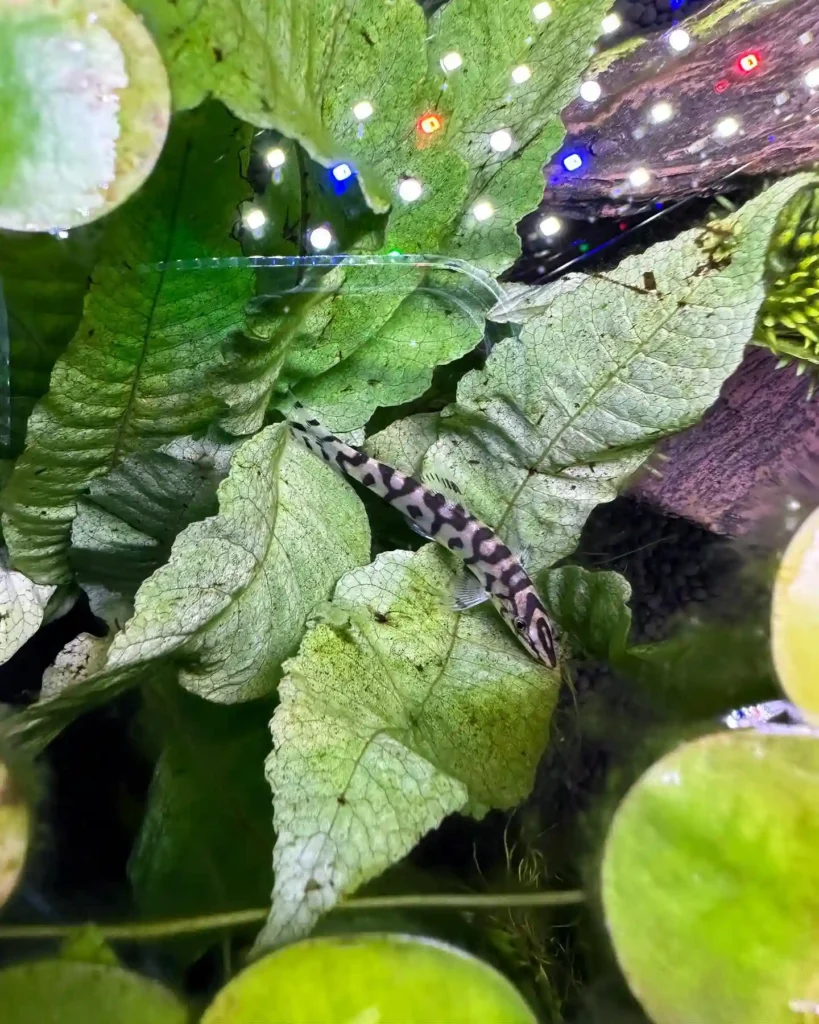
Tank Mates for Yo-Yo Loach
Best Tank Mates
Choose fish that can handle active behavior:
- Danios
- Larger tetras
- Barbs
- Gouramis (peaceful types)
You can also connect this to your other loach guides like Zebra Loach or Kuhli Loach for internal linking.
Fish to Avoid
Avoid fish that are too slow, small, or delicate:
- Guppies
- Bettas
- Angelfish
- Very small nano fish
These fish can get stressed or harassed.
Common Problems and Mistakes
Keeping Them Alone
This is the biggest mistake.
A single Yo-Yo Loach becomes stressed and may turn aggressive toward other fish.
Small Tank Size
Too little space increases conflict and limits natural behavior.
Wrong Tank Mates
Mixing them with slow or delicate fish often leads to stress and problems.
Lack of Hiding Spots
Without shelter, they feel exposed and become more aggressive.
Breeding Yo-Yo Loach
Breeding Yo-Yo Loaches in home aquariums is extremely rare.
Most fish available in the trade are commercially bred. For hobbyists, it’s not something to expect or plan for.
Should You Keep Yo-Yo Loach?
Yo-Yo Loaches are a great choice if you:
- Have a medium to large tank
- Want an active bottom fish
- Can keep them in groups
- Understand semi-aggressive behavior
They are not ideal if you want a calm, slow-moving community tank.
FAQs
Are Yo-Yo Loaches aggressive?
They are semi-aggressive due to social hierarchy, especially in small groups.
Do Yo-Yo Loaches eat snails?
Yes, they are very effective at controlling pest snails.
How many Yo-Yo Loaches should be kept together?
At least 5–6 to reduce aggression and stress.
Can Yo-Yo Loaches live with guppies?
Not recommended. Guppies are too small and slow.
What tank size do they need?
A minimum of 40 gallons is recommended for proper group keeping.
Conclusion
Yo-Yo Loaches are not difficult fish, but they are misunderstood.
If you treat them like a peaceful bottom feeder, you’ll run into problems. But if you give them space, keep them in groups, and build a proper tank setup, they become one of the most engaging fish you can own.
For better results, connect this guide with your loach species list and freshwater setup guides on OceanBitez to build a strong internal linking structure.
