
11 Types of Geophagus with Pictures & Care Guide

Geophagus, often called eartheater cichlids, are beautiful South American fish famous for their sand-sifting behavior. In this guide, we’ll cover 11 popular types of Geophagus with pictures, size charts, care tips, and help you find the perfect eartheater for your freshwater aquarium.
Types of Geophagus Species Comparison Table
| Species | Size | Minimum Tank Size | Temperature | Behavior |
|---|---|---|---|---|
| Pearl Cichlid (G. brasiliensis) | 12″ | 55+ gallons | 72-82°F | Semi-aggressive |
| Geophagus altifrons | 12″ | 75+ gallons | 78-84°F | Peaceful |
| Redstriped Eartheater (G. surinamensis) | 10-12″ | 75+ gallons | 76-82°F | Peaceful |
| Redhump Eartheater (G. steindachneri) | 6-8″ | 40+ gallons | 76-82°F | Semi-aggressive |
| Stripetail Eartheater (G. proximus) | 8″ | 50+ gallons | 76-82°F | Peaceful |
| Geophagus dicrozoster | 8″ | 50+ gallons | 76-82°F | Peaceful |
| Yellowhump Eartheater (G. pellegrini) | 8″ | 50+ gallons | 76-82°F | Semi-aggressive |
| Geophagus megasema | 10″ | 75+ gallons | 76-84°F | Peaceful |
| Geophagus iporangensis | 6-8″ | 50+ gallons | 76-82°F | Peaceful |
| Geophagus taeniopareius | 7″ | 40+ gallons | 76-82°F | Peaceful |
| Panamanian Eartheater (G. crassilabris) | 8″ | 50+ gallons | 76-82°F | Peaceful |
Overview of Geophagus Cichlids
Geophagus cichlids, often called eartheaters, are freshwater fish native to South America. They are famous for their natural behavior of sifting through sand to find food. This unique habit not only makes them fascinating to watch but also helps keep aquarium substrates clean.
They prefer soft, warm water, sandy bottoms, and peaceful tank mates. Sizes vary depending on the Geophagus species, from around 6 inches to as large as 12 inches.
1.Pearl Cichlid (Geophagus brasiliensis)
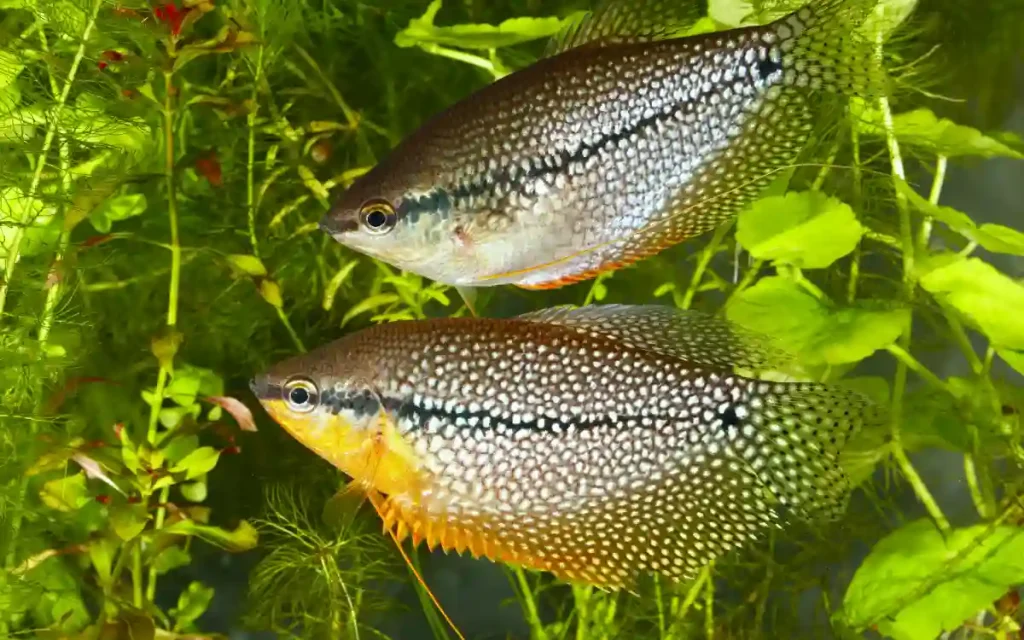
The Pearl Cichlid is one of the largest Geophagus species, reaching up to 12 inches in size. This semi-aggressive eartheater stands out with its shimmering blue-green scales, resembling pearls.
- Tank Needs: 55 gallons or more
- Water: 72-82°F, pH 6.5-7.5
- Behavior: More territorial than other Geophagus types
Fun Fact: Pearl Cichlids can live in slightly brackish water, unlike most eartheaters.
2.Geophagus altifrons
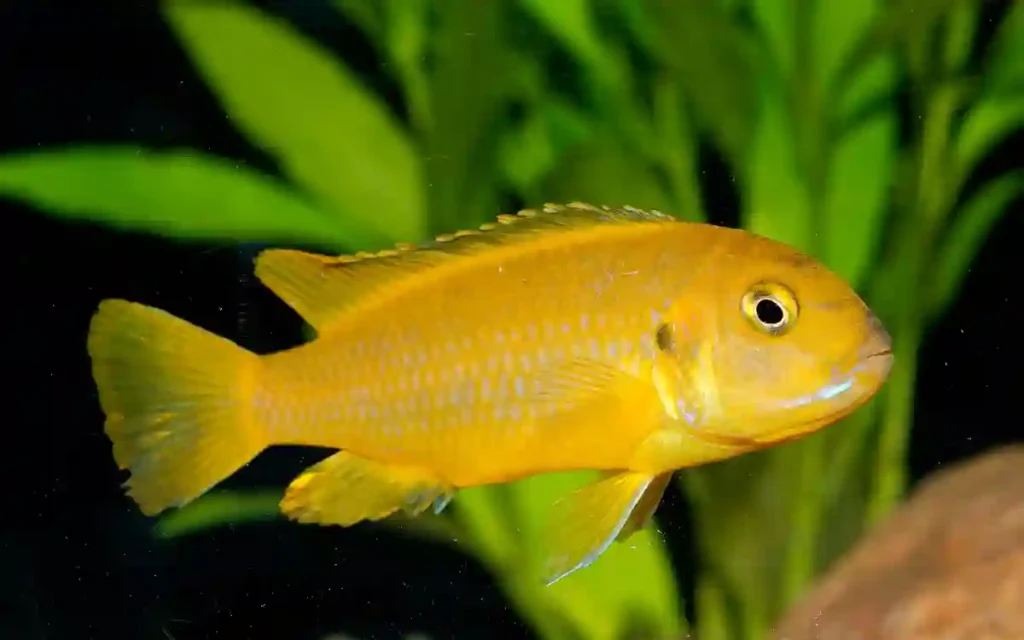
Geophagus altifrons is a peaceful and colorful eartheater with long fins and red-blue facial markings.
- Tank Needs: 75 gallons or more
- Water: 78-84°F, pH 5.5-7.0
- Behavior: Ideal for peaceful community tanks
Fun Fact: Altifrons constantly sift sand, keeping your tank’s bottom spotless!
3.Redstriped Eartheater (Geophagus surinamensis)
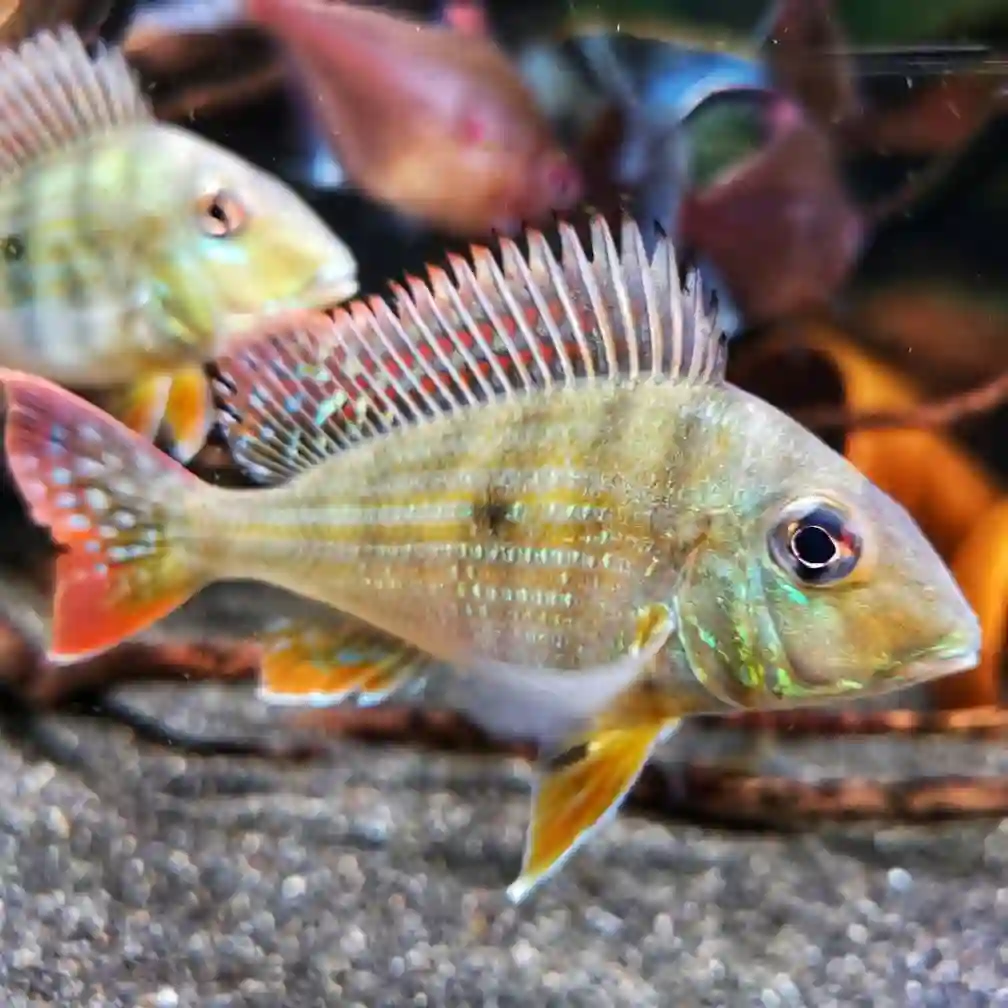
This Geophagus species is well known for its vivid red stripes and elegant flowing fins.
- Tank Needs: 75 gallons or larger
- Water: 76-82°F, pH 5.5-7.0
- Behavior: Calm and peaceful when kept in groups
Fun Fact: Redstriped Eartheaters are often confused with other Geophagus types but can be identified by their vertical red bands.
4.Redhump Eartheater (Geophagus steindachneri)
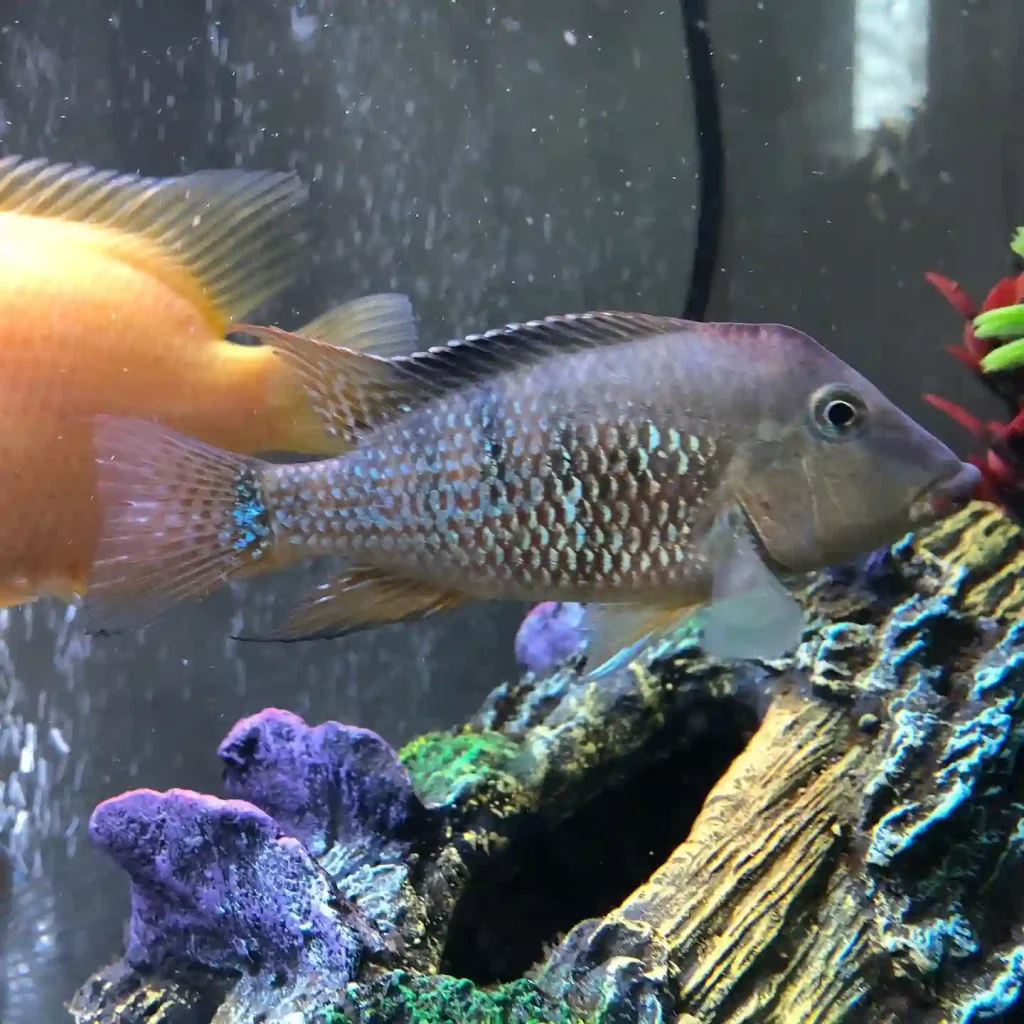
The Redhump Eartheater gets its name from the bright red nuchal hump males develop as they mature.
- Tank Needs: 40 gallons or more
- Water: 76-82°F, pH 6.0-7.5
- Behavior: Semi-aggressive, especially during breeding
Fun Fact: Redhumps are mouthbrooders, with females carrying fertilized eggs in their mouths for safety.
5.Stripetail (Geophagus proximus)
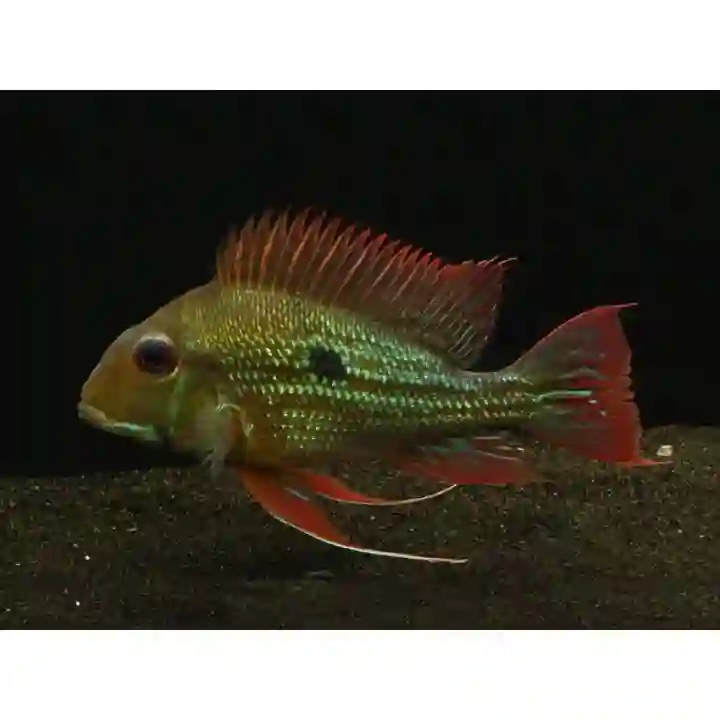
The Stripetail Eartheater features striking black stripes across its tail fin and a sleek silver body.
- Tank Needs: 50 gallons or more
- Water: 76-82°F, pH 6.0-7.5
- Behavior: Calm and active in groups
Fun Fact: Its tail stripes are a key feature that helps hobbyists distinguish it from similar Geophagus species.
Read also: 20 Types of Butterflyfish: A Complete Guide
6.Geophagus dicrozoster
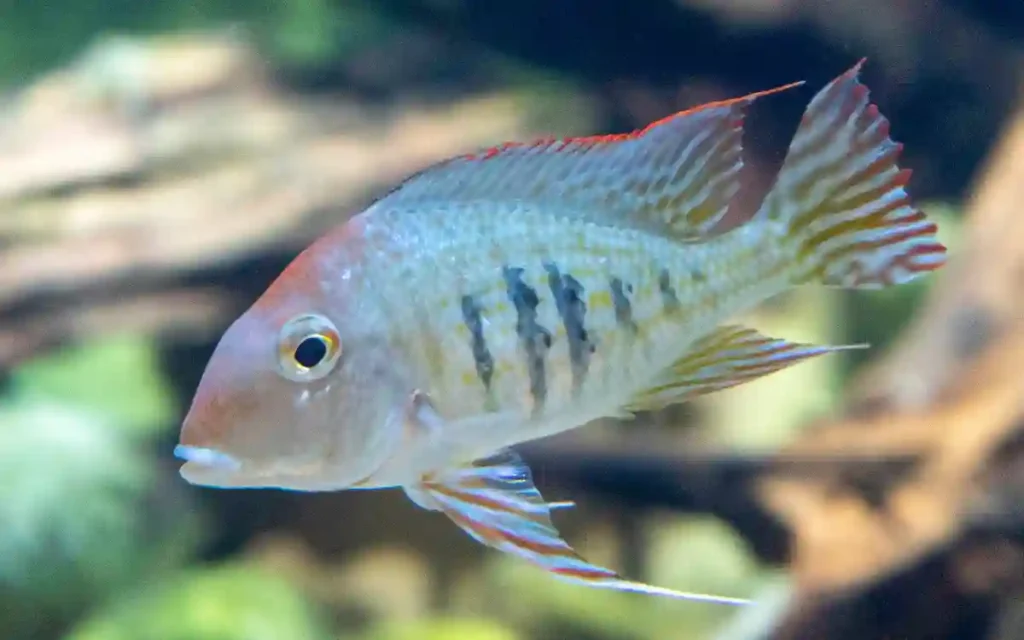
A rare and beautiful Geophagus species with distinctive double stripes across its body.
- Tank Needs: 50 gallons or larger
- Water: 76-82°F, pH 5.5-7.0
- Behavior: Peaceful, does well in community setups
Fun Fact: Dicrozoster is highly sought after by collectors due to its unique markings.
7.Yellowhump Eartheater (Geophagus pellegrini)
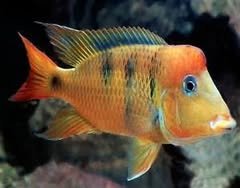
Known for its yellowish nuchal hump, this Geophagus species adds a splash of color to aquariums.
- Tank Needs: 50 gallons or larger
- Water: 76-82°F, pH 6.0-7.5
- Behavior: Slightly aggressive compared to other eartheaters
Fun Fact: It’s native to Colombia and is rare in the aquarium hobby.
8.Geophagus megasema
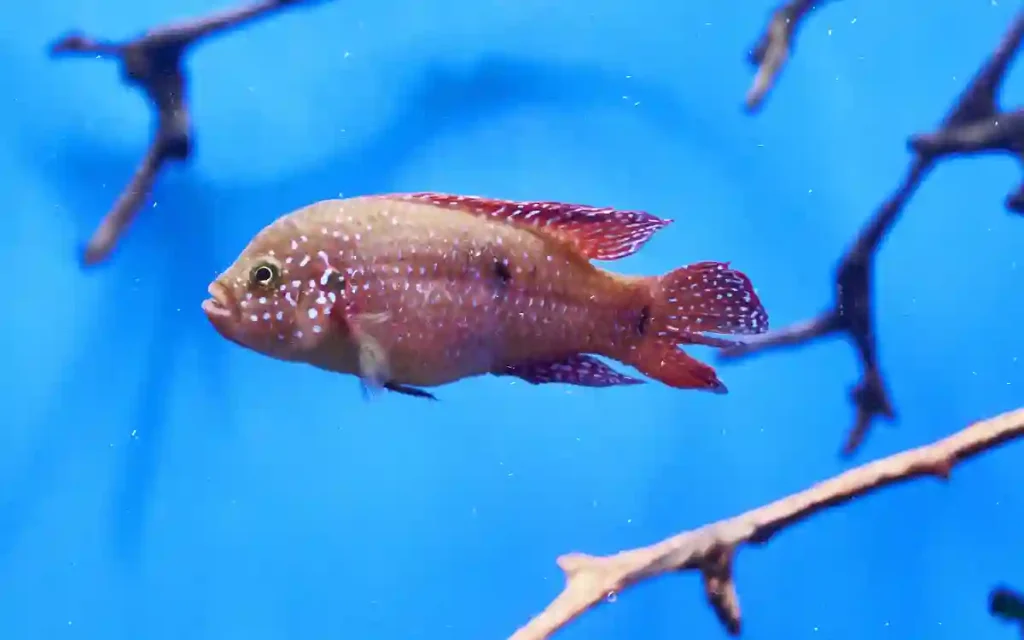
Geophagus megasema is a peaceful, easygoing eartheater with subtle blue-green iridescence.
- Tank Needs: 75 gallons or larger
- Water: 76-84°F, pH 5.0-6.5
- Behavior: Loves group living and sand-sifting
Fun Fact: Male and female megasema look very similar, making sexing challenging.
9.Geophagus iporangensis
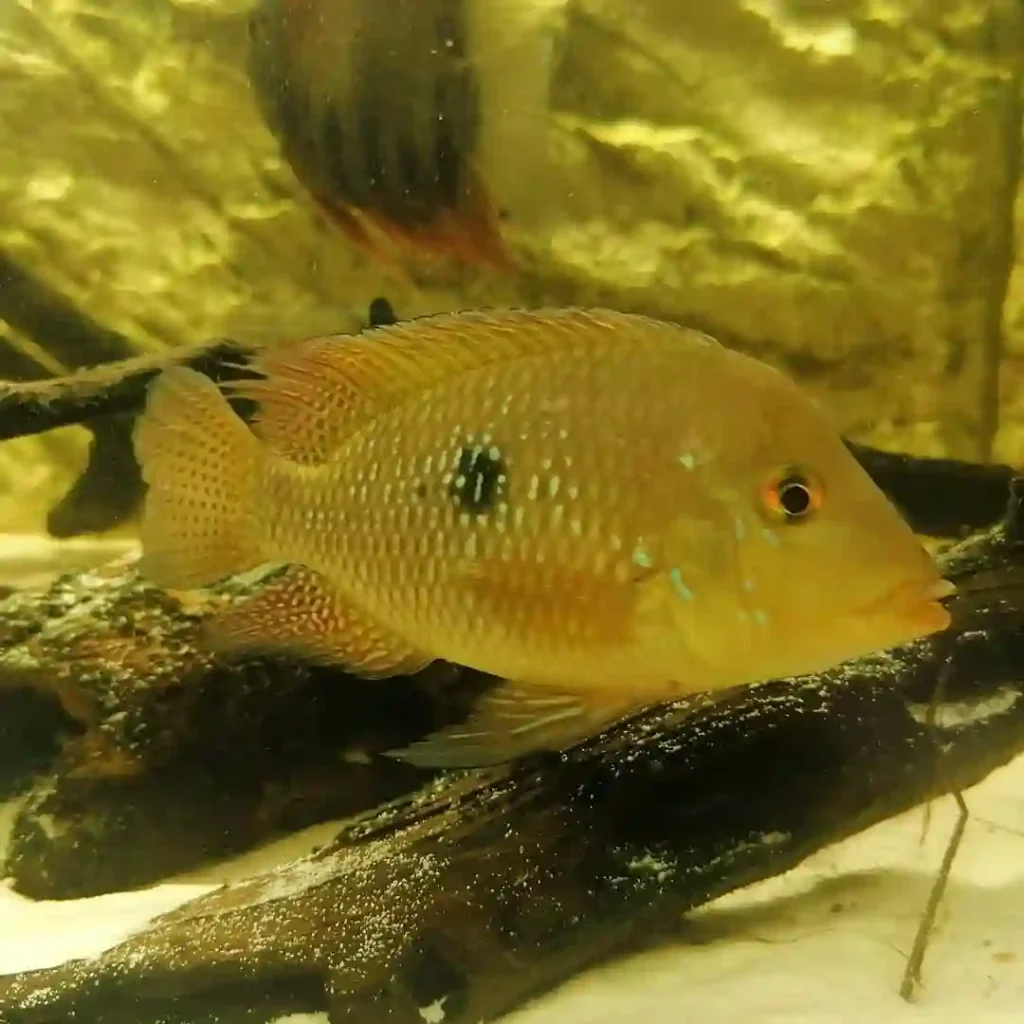
This rare Geophagus species shows off bright reddish-orange patterns and a streamlined body shape.
- Tank Needs: 50 gallons or more
- Water: 76-82°F, pH 5.5-7.0
- Behavior: Very peaceful, ideal for community aquariums
Fun Fact: It is named after the Iporanga region in Brazil where it was first found.
10.Geophagus taeniopareius
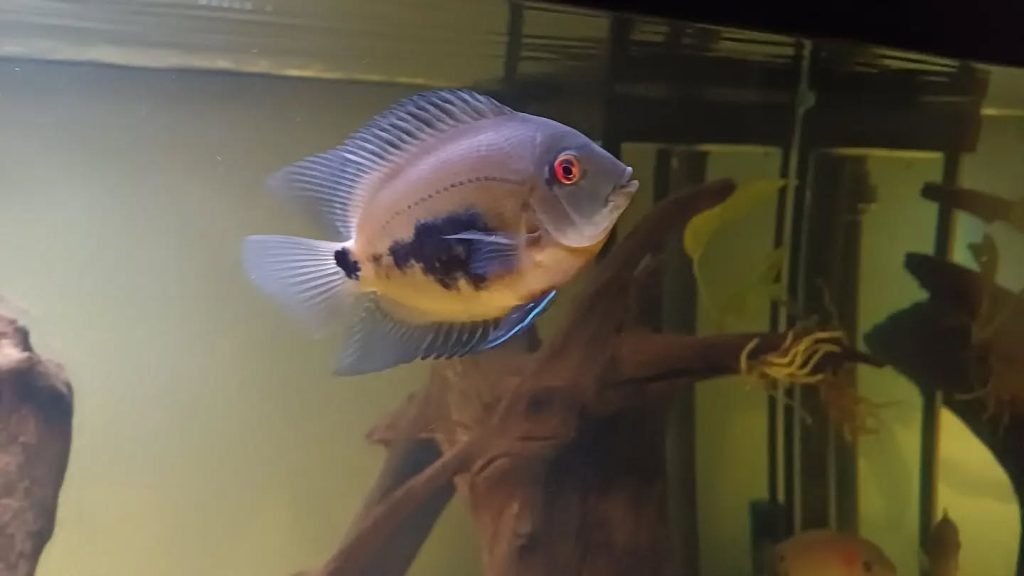
Identified by its unique horizontal body stripes, the Geophagus taeniopareius is a newer discovery.
- Tank Needs: 40 gallons or more
- Water: 76-82°F, pH 5.5-7.0
- Behavior: Peaceful, thrives in small groups
Fun Fact: Officially recognized as a distinct species only in 2012!
11.Panamanian Eartheater (Geophagus crassilabris)
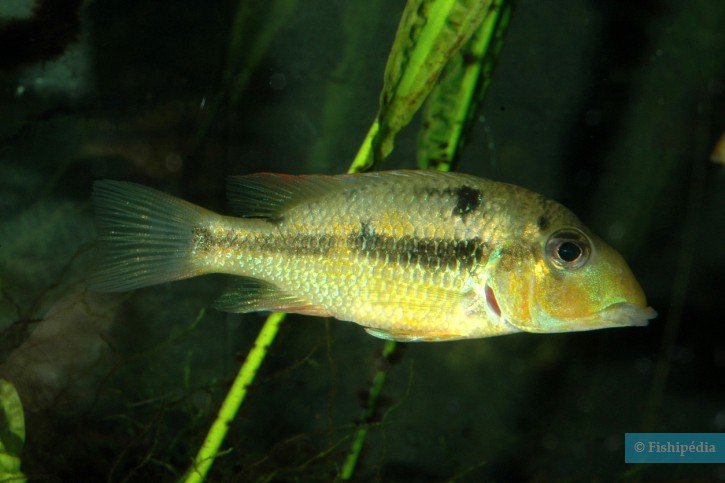
Unlike other Geophagus, this eartheater hails from Central America and features thick lips and a shorter body.
- Tank Needs: 50 gallons or larger
- Water: 76-82°F, pH 6.0-7.5
- Behavior: Calm and great for larger peaceful tanks
Fun Fact: It is one of the few Geophagus species living outside of South America.
How Big Do Geophagus Get?
Most Geophagus species grow between 6 and 12 inches long. Smaller types like Geophagus steindachneri stay around 6-8 inches, while larger species such as the Pearl Cichlid can reach up to 12 inches. Tank size, water quality, and diet greatly influence their full growth.
FAQs
What are the different types of Geophagus cichlids?
There are over 20 recognized Geophagus species, but popular types include Pearl Cichlid, Geophagus altifrons, and Redstriped Eartheater.
What size tank do Geophagus fish need?
Most Geophagus species require at least 50 to 75 gallons, depending on their adult size.
Are Geophagus cichlids good for community tanks?
Yes, Geophagus are generally peaceful and do well with large tetras, peaceful cichlids, and bottom-dwellers like catfish.
What is the best substrate for Geophagus fish?
Fine sand is ideal, as Geophagus love to sift sand for food. Rough gravel can damage their delicate gills.
How big do Geophagus species grow?
Depending on the species, Geophagus can reach anywhere from 6 to 12 inches in length when fully grown.
