
9 Crayfish Tank Mates

Looking for safe crayfish tank mates? Choosing the right companions is key to a harmonious freshwater aquarium. From bottom-dwelling Corydoras catfish and schooling tetras to hardy snails and shrimp, compatible species thrive when you match size, temperament, and water conditions. This guide highlights the best fish, crustaceans, and plants that coexist safely with pet crayfish.
Why These Fish Make Great Crayfish Tank Mates
Choosing compatible tank mates for crayfish isn’t just about avoiding fights—it’s about building a balanced freshwater ecosystem where every species has its space. The fish below have been tested by aquarists (myself included) and are often recommended in community tanks with crayfish due to their behavior, swimming zones, and survival instincts.
1.Corydoras Catfish
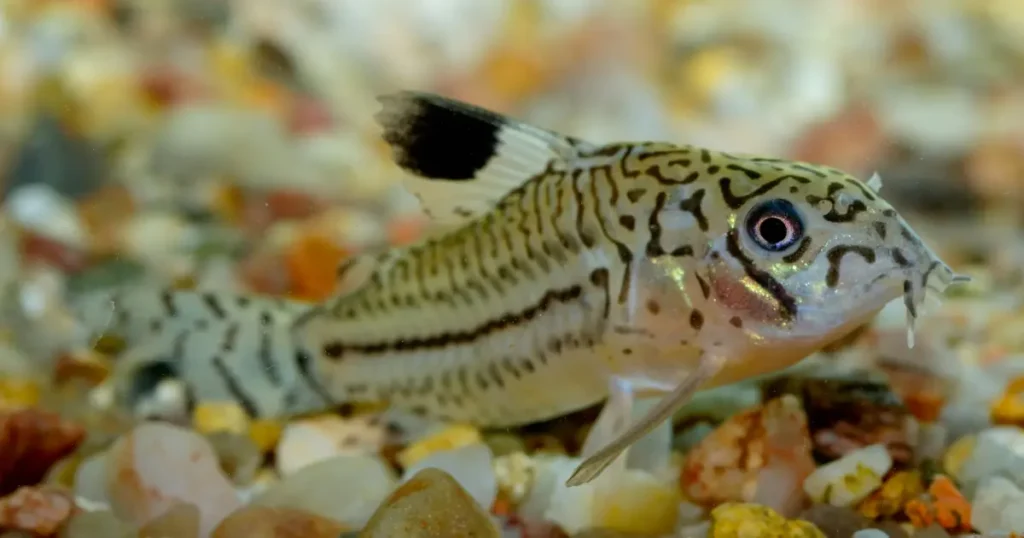
Cory cats are peaceful bottom-dwellers that rarely interfere with crayfish. Thanks to their armored bodies and shy temperament, they can safely share the substrate without triggering territorial behavior. I’ve personally kept corys with dwarf and full-size crayfish in 20+ gallon setups without a single injury. Why they work: They mind their business, clean up leftovers, and avoid confrontation. (Keywords: bottom-dwelling fish, peaceful community tank, scavenger cleanup crew)
2.Neon Tetra
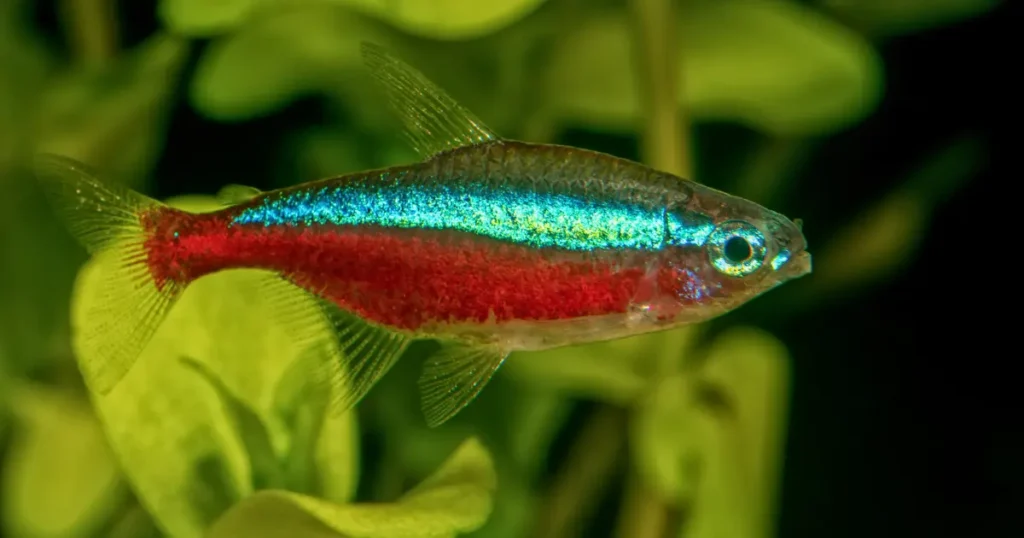
Neon Tetras Fast, tiny, and mid-level swimmers—neon tetras are often out of reach for crayfish claws. Their schooling behavior means they stick together, which discourages lone stragglers from wandering too close to danger. They’re also low-bioload fish, meaning less mess in the tank. Why they work: They stay in the middle of the tank and move quickly enough to avoid trouble. (Keywords: schooling fish, mid-water swimmers, low-bioload species)
3.Ember Tetra
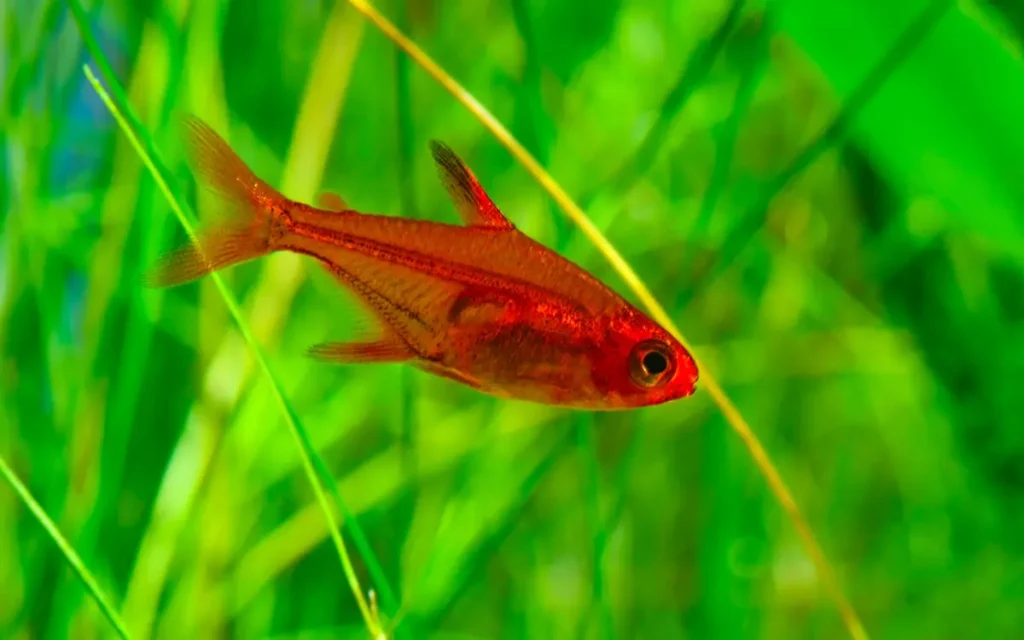
Embers are similar to neons but even more timid. In planted tanks with a crayfish below, they’ll occupy the upper levels, darting through leaves and keeping stress levels low for all species. They add subtle orange color and thrive in soft, slightly acidic water—perfect for many crayfish species. Why they work: Their speed, size, and level of the tank make them safe. (Keywords: peaceful tank mates, nano fish, planted aquarium safe)
4.Cardinal Tetra
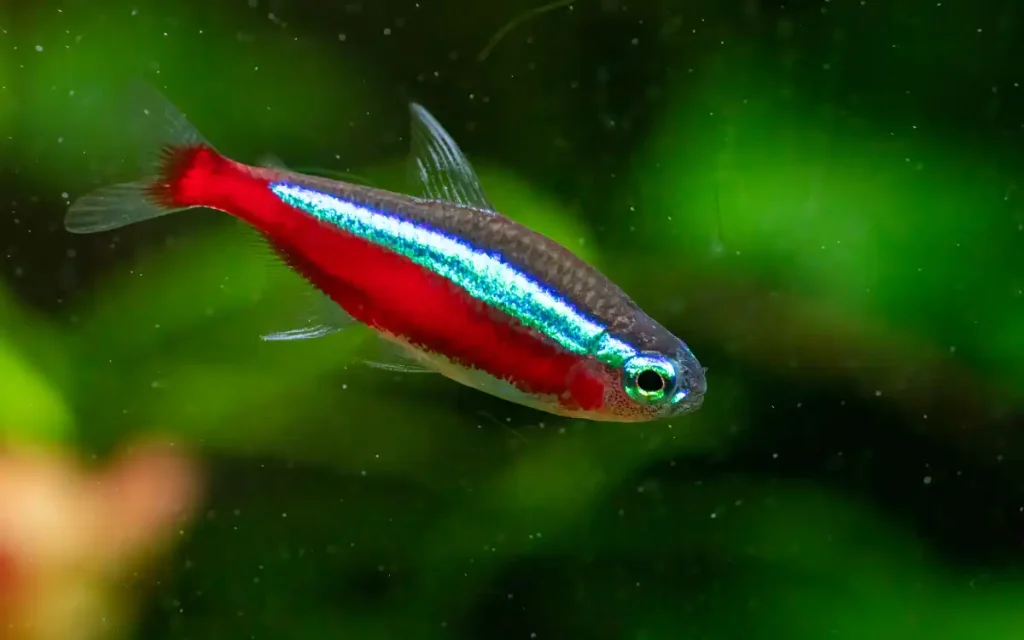
Cardinals are slightly larger and hardier than neon tetras. They adapt better to changes in water and are less fragile, which helps if your crayfish causes an occasional bump or disturbance. Their strong schooling instinct also keeps them away from the tank floor. Why they work: Bigger size and stronger health reduce risk. (Keywords: hardy community fish, strong schooling behavior)
5.Harlequin Rasboras
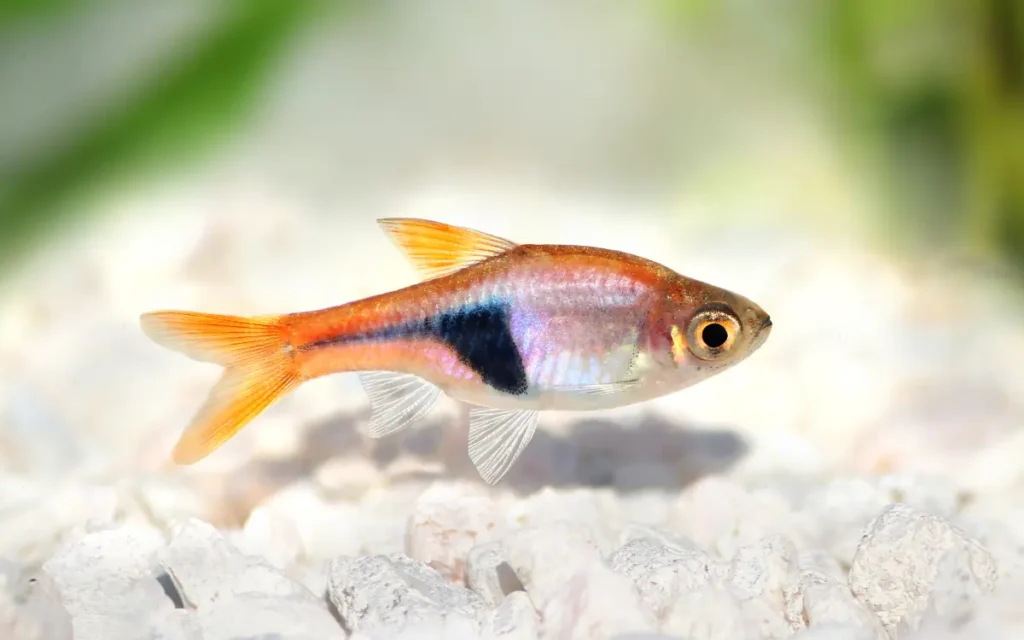
Harlequin Rasboras These fish are excellent community members that stay in the mid to upper regions of the tank. They rarely go near the bottom, and their calm schooling nature makes them a peaceful presence. When I introduced them to a crayfish tank, they stuck to their zone and thrived. Why they work: Calm, predictable swimmers that stay far from crayfish. (Keywords: mid-level swimmers, peaceful rasboras, aquarium compatibility)
6.Platies Platies
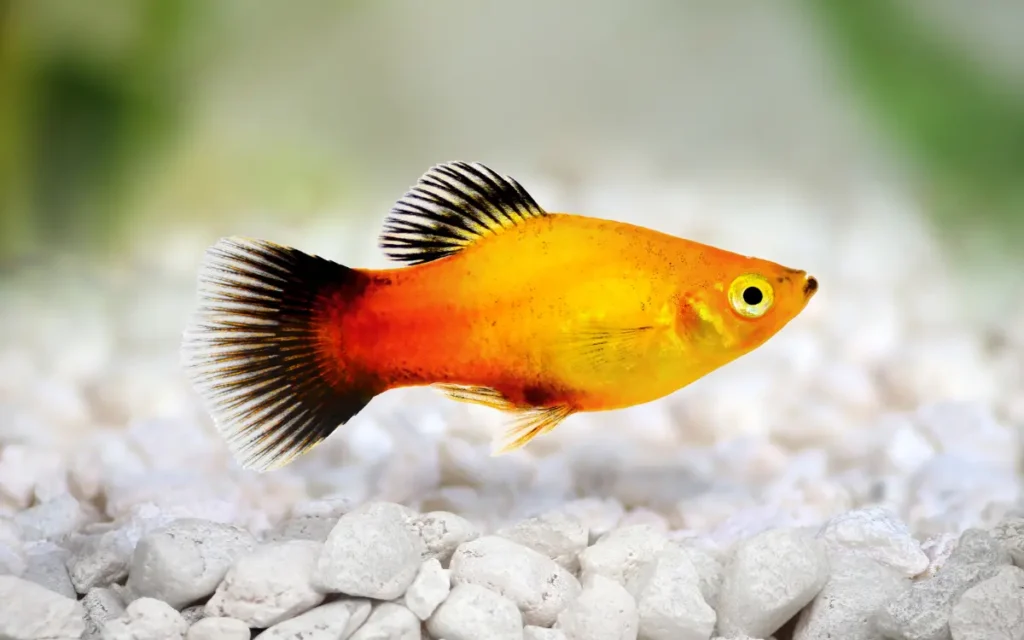
Platies are surface swimmers that stay active in the upper third of the tank. They’re colorful, adaptable to a wide range of water conditions, and breed easily. They don’t provoke crayfish and are too fast to get caught. Why they work: They stay away from the bottom and move quickly. (Keywords: livebearers, hardy fish, freshwater community tank)
7.Swordtails
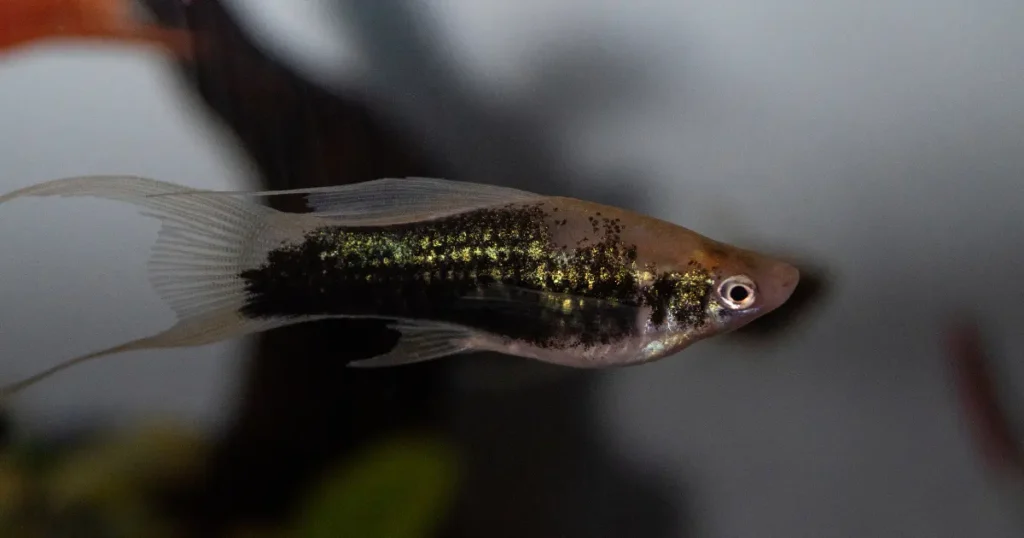
Swordtails are larger than platies and enjoy lots of swimming space. Their extra size and speed make them less likely to become crayfish snacks, and they do well in groups. Keep them in tanks 20 gallons or more for best results. Why they work: Too fast and active for crayfish to catch. (Keywords: active fish, fast swimmers, livebearing community fish)
8.Kuhli Loaches
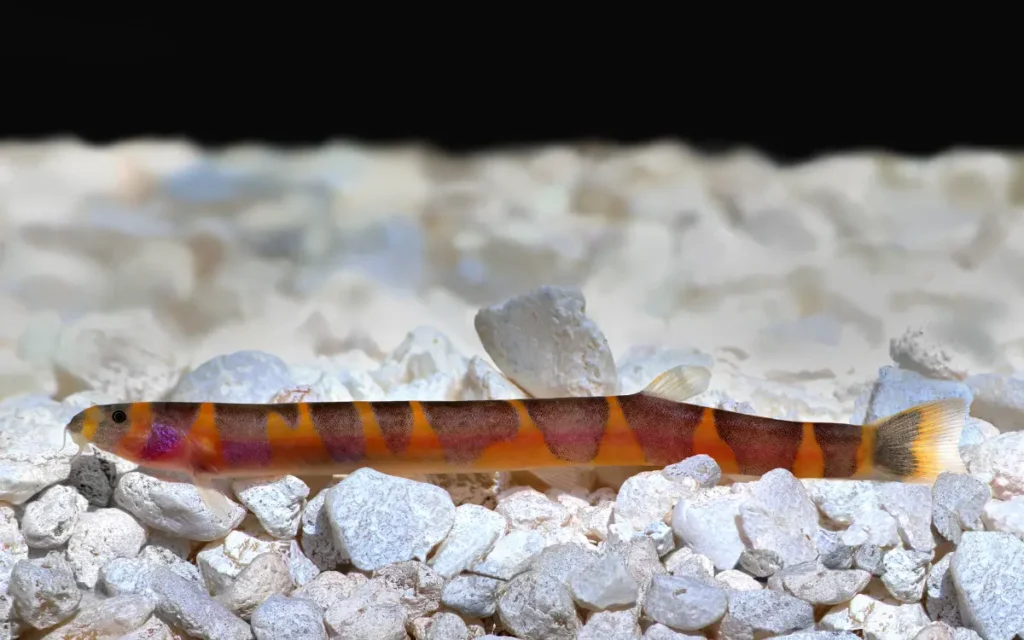
Kuhli Loaches At first glance, they might seem like easy prey—but kuhli loaches are surprisingly good at hiding. They burrow into soft substrate or slip into crevices where crayfish can’t follow. When lights go out, they come alive and clean up leftover food. Why they work: Excellent hiders, active mostly at night when crayfish are less aggressive. (Keywords: nocturnal fish, substrate cleaner, shy tank mate)
9.Otocinclus Catfish
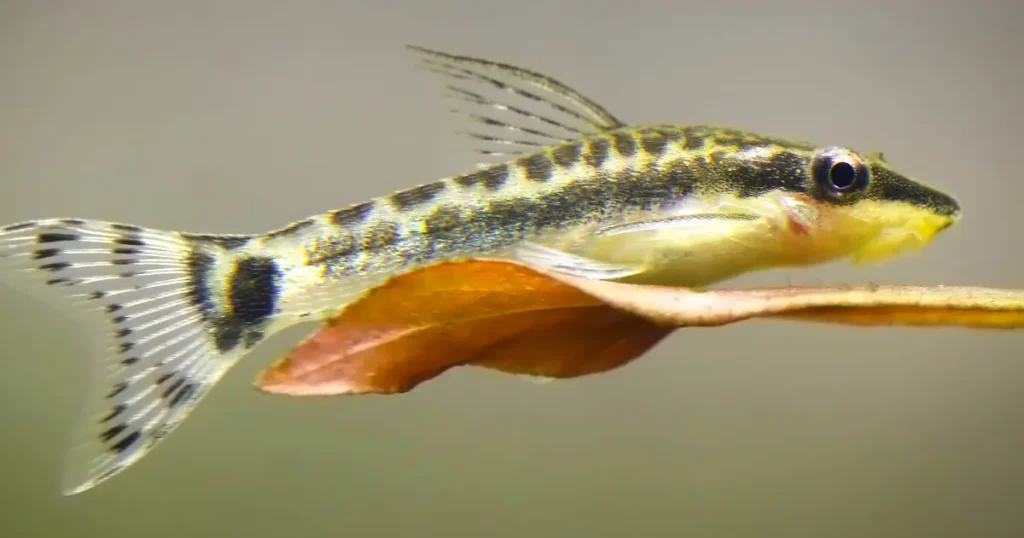
Otos spend their time on plant leaves and glass, completely ignoring crayfish. They help control algae, and their small size plus suction mouth keeps them moving out of harm’s way. Why they work: They stick to surfaces crayfish can’t reach. (Keywords: algae eater, peaceful algae control, safe tank cleaner)
Comparison Table (Quick Reference)
| Fish Species | Tank Zone | Behavior | Risk Level with Crayfish | Notes |
| Corydoras Catfish | Bottom | Peaceful | Low | Needs hiding spots |
| Neon Tetra | Mid-water | Fast, schooling | Very Low | Keep in groups of 6+ |
| Platies | Surface/Mid | Active, social | Low | Breeds easily, hardy |
| Kuhli Loach | Bottom | Nocturnal, shy | Medium | Needs sand substrate |
| Otocinclus | Glass/leaves | Algae eater | Very Low | Needs well-established tanks |
Read also:
FAQs
Can crayfish live with guppies?
Sometimes, but guppies are flashy and slow, making them a risky target in small tanks.
Will crayfish eat my fish?
Yes,if the fish are slow, small, or sleep near the bottom.
How many crayfish can live in one tank?
One per 10–20 gallons, depending on size and aggression.
What fish should be avoided with crayfish?
Bettas, goldfish, angelfish, and other slow or long-finned fish.
