
Dwarf Ambulia Care Guide

Dwarf Ambulia is one of those aquarium plants that looks delicate and high-end but behaves like a tough survivor. Its soft, feathery leaves and bright green color can turn a plain tank into a lush jungle in just a few weeks even without CO₂ or fancy gear.
Because of this balance between beauty and toughness, it’s often recommended as a “beginner-plus” plant. It grows fast, adapts to many water conditions, and forgives small mistakes, which makes it a favorite in low-tech planted tanks.
This guide covers everything you need to know to grow Dwarf Ambulia successfully, even if you’re new to planted aquariums.
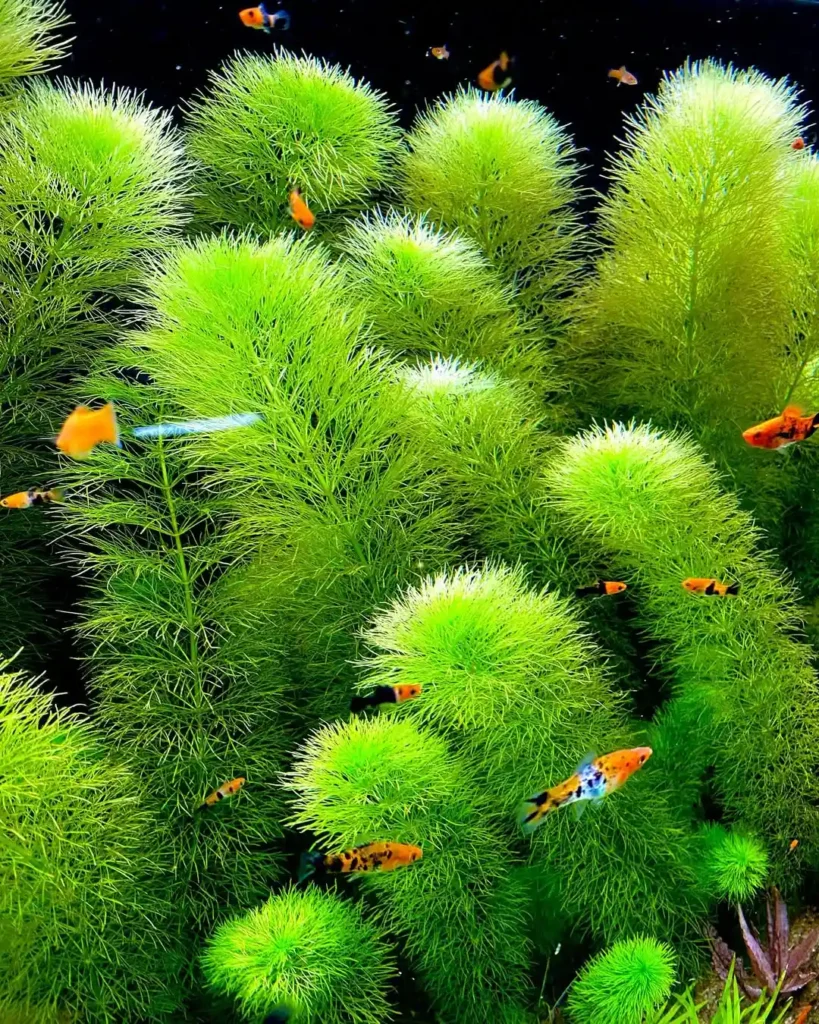
What Is Dwarf Ambulia?
Dwarf Ambulia is the common name for Limnophila sessiliflora, a fast-growing freshwater stem plant native to Southeast Asia. In the wild, it grows in slow-moving rivers, ponds, and flooded areas where light and water conditions change often.
Aquarium hobbyists love it for three main reasons:
- Fine, feathery leaves that add texture
- Bright green color that stands out in planted tanks
- Rapid growth that helps absorb excess nutrients
It’s also widely known as a stronger alternative to Cabomba, a plant with a similar look but far stricter care needs. Dwarf Ambulia handles lower light, unstable water, and beginner mistakes far better.
Dwarf Ambulia Quick Care Overview
| Care Factor | Recommendation |
|---|---|
| Difficulty | Easy to Moderate |
| Lighting | Low to Medium |
| CO₂ | Optional |
| Temperature | 22–28°C |
| pH Range | 6.0–8.0 |
| Growth Speed | Fast |
| Placement | Background (Midground in small tanks) |
Note: Because it grows quickly, Dwarf Ambulia is useful for nutrient control and can help limit algae in newly set-up aquariums.
Tank Requirements for Healthy Growth
Lighting Needs Explained Simply
Dwarf Ambulia is flexible when it comes to lighting, but light intensity changes how the plant looks.
- Low light: Taller, thinner stems with more space between leaves
- Medium light: Shorter internodes, bushier growth, fuller appearance
Strong light is not required. In fact, very intense lighting without enough nutrients can encourage algae to cling to its fine leaves.
A photoperiod of 7–9 hours per day works well for most tanks.
Water Parameters and Stability
This plant adapts well to a wide range of water conditions:
- pH between 6.0 and 8.0
- Soft to moderately hard water
- Tropical temperature range
Stability matters more than chasing perfect numbers. Sudden changes in temperature or chemistry are more likely to cause melting than slightly “off” parameters.
Is CO₂ Required?
No. Dwarf Ambulia grows perfectly fine in low-tech tanks without injected CO₂.
That said, adding CO₂ can:
- Increase growth speed
- Create denser, bushier stems
- Improve overall color
If you’re running a simple setup, liquid carbon or no carbon at all is still enough.
Substrate and Planting Method
Best Substrate Choices
Dwarf Ambulia feeds from both the water column and its roots. It can grow in:
- Sand
- Gravel
- Planted aquarium soil
If you’re using sand or gravel, adding root tabs near the stems helps maintain strong lower growth.
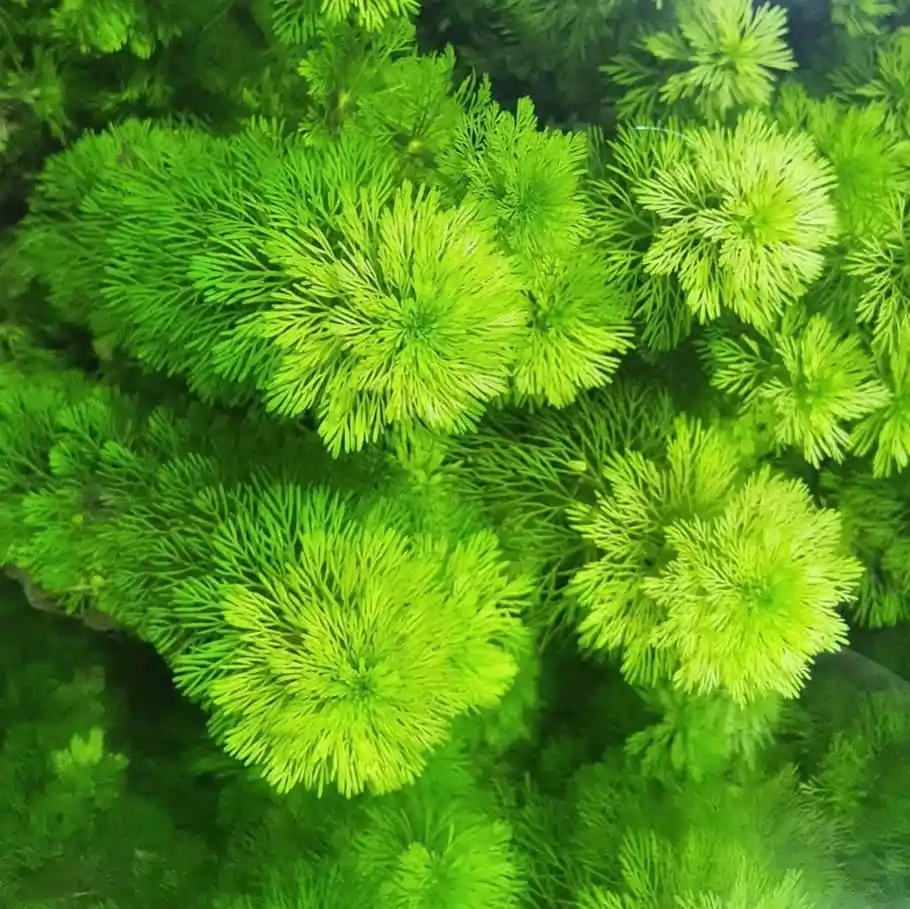
How to Plant Dwarf Ambulia Correctly
Proper planting makes a big difference in how healthy the plant stays.
- Separate bundled stems before planting
- Plant each stem individually
- Leave space between stems for water flow
- Avoid burying leaves only the bare stem should go into the substrate
Crowding stems too tightly often leads to lower leaves melting or rotting.
Can Dwarf Ambulia Be Floated?
Yes, it can grow as a floating plant.
Floating Dwarf Ambulia is useful for:
- Fry tanks
- Shrimp tanks
- Temporary nutrient control
However, it looks best and grows more evenly when rooted.
Growth Pattern and Maintenance
How Fast Does It Grow?
Under normal conditions, Dwarf Ambulia grows very fast. In established tanks, it often needs trimming every 1–2 weeks.
Its growth habit is vertical at first, but regular trimming encourages side shoots and bushier growth.
Trimming and Replanting
Trimming is simple:
- Cut the top portion of the stem
- Remove lower leaves from the cutting
- Replant the top directly into the substrate
The original stem will usually branch out, creating a thicker plant cluster over time.
Propagation Tips
Propagation is almost effortless. Every healthy cutting can become a new plant. With regular trimming, one stem can turn into an entire background section within a month.
Common Problems and Fixes
Melting After Planting
It’s common for Dwarf Ambulia to lose some leaves after being planted.
This usually happens because:
- The plant is adapting to new water
- It was grown emersed before sale
As long as new growth appears at the top, the plant is fine.
Yellow or Pale Leaves
Yellowing often points to nutrient issues, especially:
- Low iron
- Lack of potassium
A balanced liquid fertilizer usually fixes this within a couple of weeks.
Leggy Stems
If stems look tall and sparse:
- Light isn’t reaching the lower sections
- The plant may be shaded by other plants
Trimming and replanting tops usually solves the problem.
Algae Stuck in the Leaves
Because the leaves are very fine, hair algae can get tangled easily.
Helpful steps include:
- Improving water flow
- Reducing light duration
- Trimming affected sections promptly
Fast growth usually helps the plant outcompete algae over time.
Best Tank Mates for Dwarf Ambulia
Safe Fish
Dwarf Ambulia works well in peaceful community tanks with fish like:
- Tetras
- Rasboras
- Bettas
- Small livebearers
Shrimp and Snails
Shrimp love grazing on biofilm trapped in the fine leaves. The dense growth also provides excellent cover for baby shrimp.
Fish to Avoid
Avoid keeping Dwarf Ambulia with:
- Goldfish
- Large cichlids
- Known plant-eating species
These fish either uproot stems or chew the soft leaves.
Dwarf Ambulia vs Similar Aquarium Plants
PlantKey DifferenceCabombaSimilar look, much harder to keepHornwortFloats easily, less structuredWater WisteriaBroader leaves, slower vertical growth
Among these, Dwarf Ambulia offers the best balance of appearance and ease of care.
Is Dwarf Ambulia Right for Your Tank?
Dwarf Ambulia is a great choice if:
- You want fast plant growth
- You’re running a low-tech setup
- You need a background plant for small to medium tanks
It may not be ideal if you prefer very slow-growing plants or minimal trimming.
Final Thoughts
Dwarf Ambulia is one of the easiest ways to make an aquarium look full, green, and healthy without complicated equipment. Its fast growth, forgiving nature, and soft texture make it a solid choice for beginners and experienced hobbyists alike.
If you want a plant that grows quickly, helps control excess nutrients, and adds a natural jungle feel, Dwarf Ambulia is hard to beat.
