Community Aquarium Problems: Why Mixed Fish Tanks Fail for Beginners
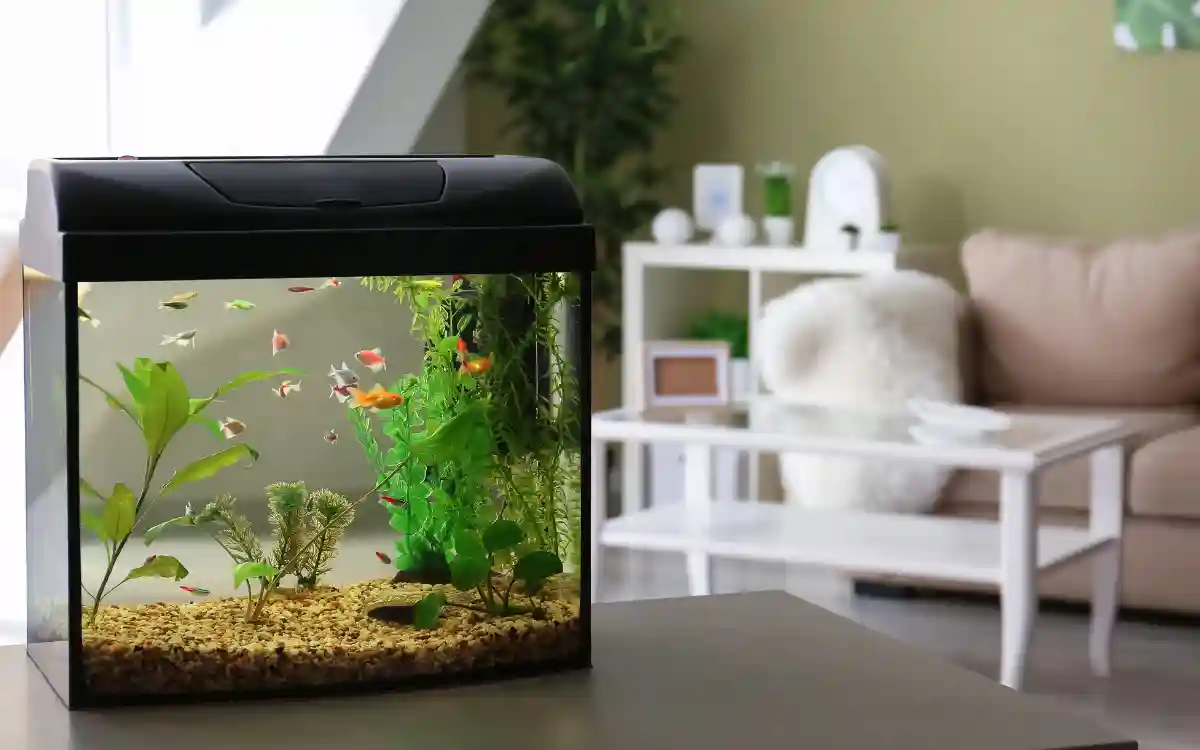
Community aquariums look like the perfect starting point. A mix of colorful fish, calm movement, and the promise of balance makes them feel beginner-friendly. Many new fish keepers picture a peaceful tank where everything simply works once the fish are added.
The reality is more complicated. Community aquariums fail quietly, not dramatically. Fish don’t always fight right away, water doesn’t always turn cloudy, and problems build slowly. This article is not meant to scare you away. It’s meant to help you decide if a community aquarium truly fits your experience level and expectations before mistakes become losses.
What Is a Community Aquarium?
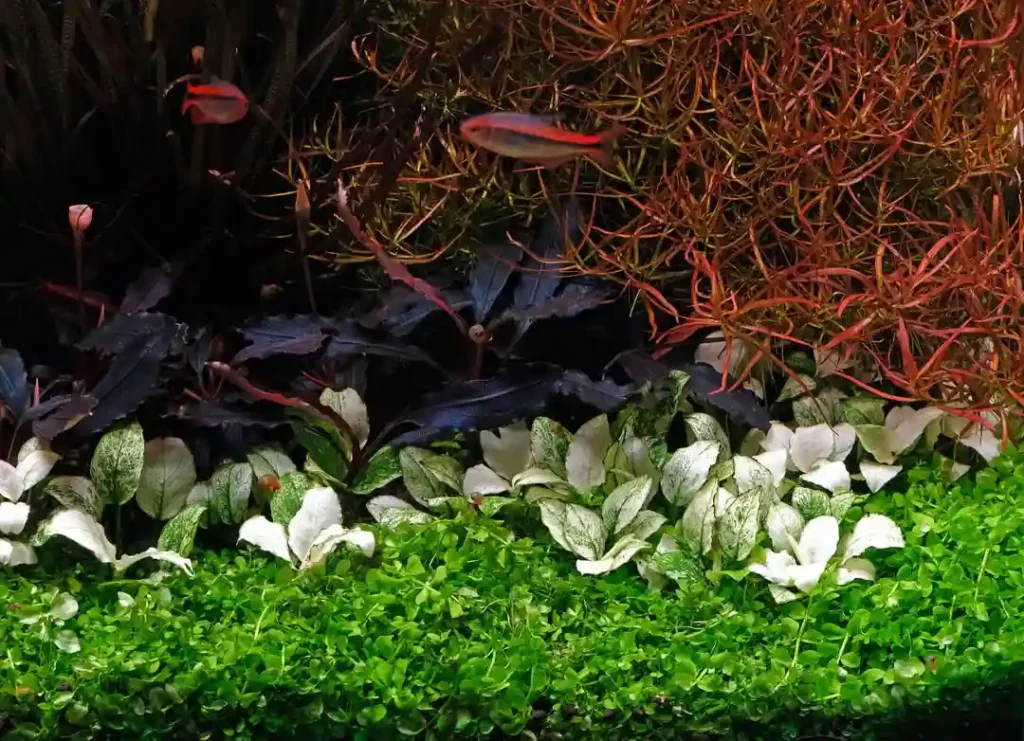
A community aquarium is a freshwater tank that holds multiple fish species together. These fish are usually labeled as “peaceful” and are chosen because they appear to share similar water needs and temperaments.
Beginners are drawn to community tanks for a few reasons. They offer variety instead of focusing on one species. Pet stores promote them heavily. Most guides make them sound flexible and forgiving. On the surface, they seem easier than species-only tanks because no single fish appears demanding.
For a foundation on commonly suggested fish, you can explore the Community Fish Guide to understand how community setups are usually presented.
Why Community Aquariums Look Easy (But Aren’t)
Pet store advice often simplifies things. Fish are grouped by size or labeled peaceful without explaining long-term behavior. New keepers are told that as long as fish are calm at the store, they will stay calm at home.
The biggest misunderstanding is the word “peaceful.” Peaceful does not mean inactive, predictable, or stress-free. It only means the fish is less aggressive under ideal conditions. Once stress, crowding, or poor compatibility enters the picture, behavior changes.
Most beginner tanks don’t fail overnight. Fish survive just long enough to give a false sense of success. Stress builds, immunity drops, and problems surface weeks or months later. That delay is why community aquariums feel easy at first and frustrating later.
Hidden Problems Beginners Face With Community Aquariums
Fish Compatibility Is More Complicated Than It Looks
Compatibility is not just about aggression. Fish change as they age, settle into territory, and compete for food. A fish that ignores tankmates in the first month may start nipping fins or chasing weaker fish later.
Some species are peaceful only in groups, while others become dominant when kept with slower fish. Beginners often rely on size alone, assuming small fish equal safe fish. That assumption causes long-term stress that rarely looks dramatic but steadily weakens fish.
A deeper breakdown of this issue is covered in the Fish Compatibility Guide, which explains why surface behavior can be misleading.
Different Fish Need Different Water Conditions
Many community fish can survive in overlapping temperature or pH ranges, but survival is not the same as comfort. One species may prefer warmer water while another tolerates it but becomes stressed over time.
Hardness and pH conflicts are common in mixed tanks. Beginners often aim for a middle ground that suits no fish perfectly. Stress from these compromises lowers immunity, slows growth, and shortens lifespan even when fish appear active.
This problem doesn’t show up quickly, which is why it’s often ignored until fish losses begin.
Overstocking Happens Fast
Community tanks fill up quickly. Beginners see small fish and assume space is not an issue. The “they’re small now” mindset leads to too many fish being added in a short time.
As fish grow, waste increases. Biological filtration struggles to keep up. Ammonia and nitrite spikes appear between water changes, stressing fish without obvious signs.
This is one of the most common beginner mistakes and is explained further in the Beginner Aquarium Checklist, which covers realistic stocking limits.
Feeding Becomes a Problem
In mixed tanks, feeding is rarely even. Fast swimmers dominate floating food. Shy or bottom-dwelling fish wait too long or miss meals entirely.
Different species need different food types and feeding speeds. When all fish receive the same food in the same way, some slowly weaken. Malnutrition doesn’t always look dramatic. Fish simply grow slowly, lose color, or become vulnerable to disease.
Feeding issues are one of the least discussed causes of long-term community tank failure.
Aggression Often Starts After the Tank Is Established
Many beginners believe aggression shows immediately. In reality, it often begins weeks later. Hormonal changes, maturity, and breeding instincts can turn calm fish into territorial ones.
Fish that behaved well during cycling or early stocking may claim space once they feel settled. When that happens in a small or crowded tank, weaker fish have nowhere to escape.
This delayed aggression is why community aquariums often collapse after an initial “successful” period.
Disease Spreads Faster in Community Tanks
In a mixed tank, one sick fish rarely stays isolated. Shared water allows parasites and bacteria to spread quickly, especially when fish are already stressed.
Beginners often skip quarantine because fish look healthy at purchase. Stress from transport and acclimation lowers immunity, allowing hidden illnesses to surface later.
Understanding tank stability timelines helps reduce this risk. The article How Long Does It Take for a New Fish Tank to Stabilize? explains why patience matters here.
Maintenance Is More Demanding Than Beginners Expect
Community tanks produce more waste and require closer observation. Different species show stress in different ways, making problems harder to detect.
Water testing becomes more important, not less. Feeding schedules need adjustment. Behavior needs daily observation. Beginners often underestimate this workload and fall behind before realizing it.
Community aquariums reward attention but punish neglect.
When a Community Aquarium Can Be a Good Idea
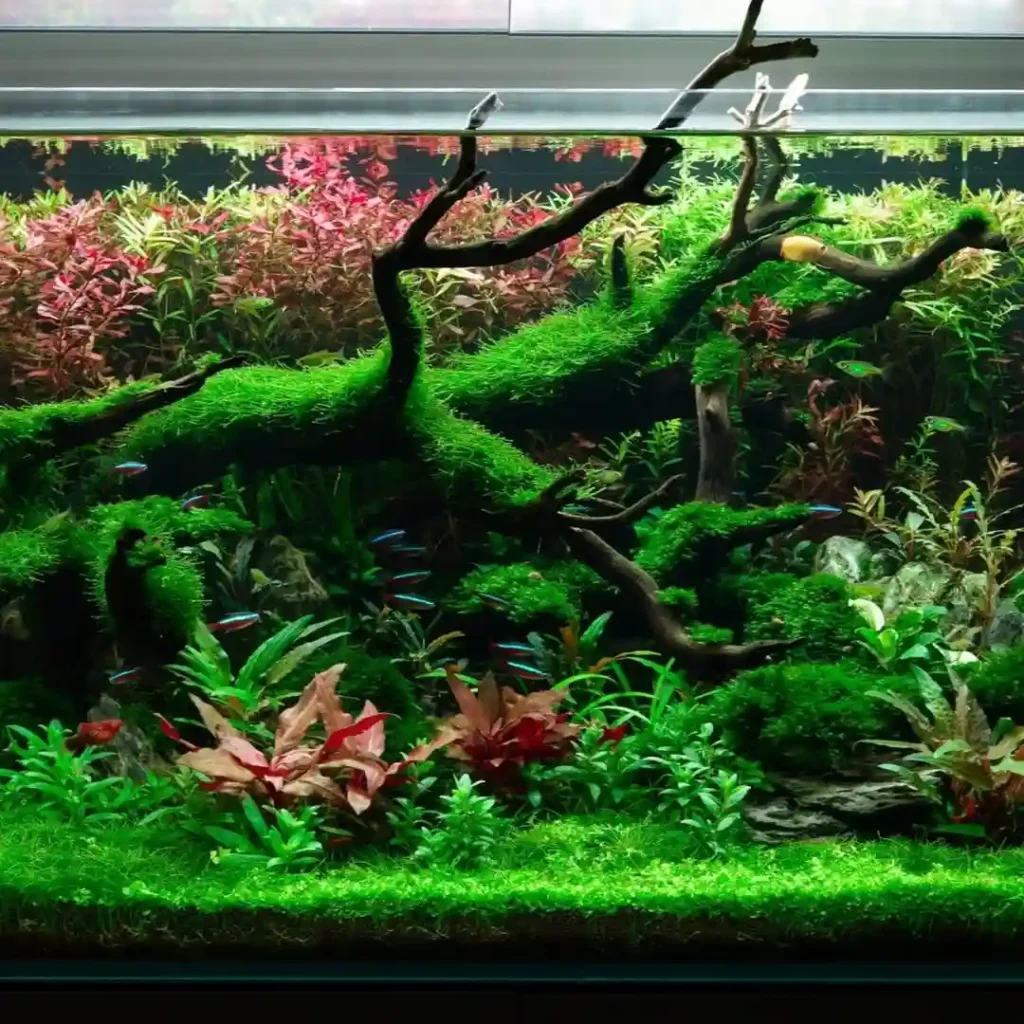
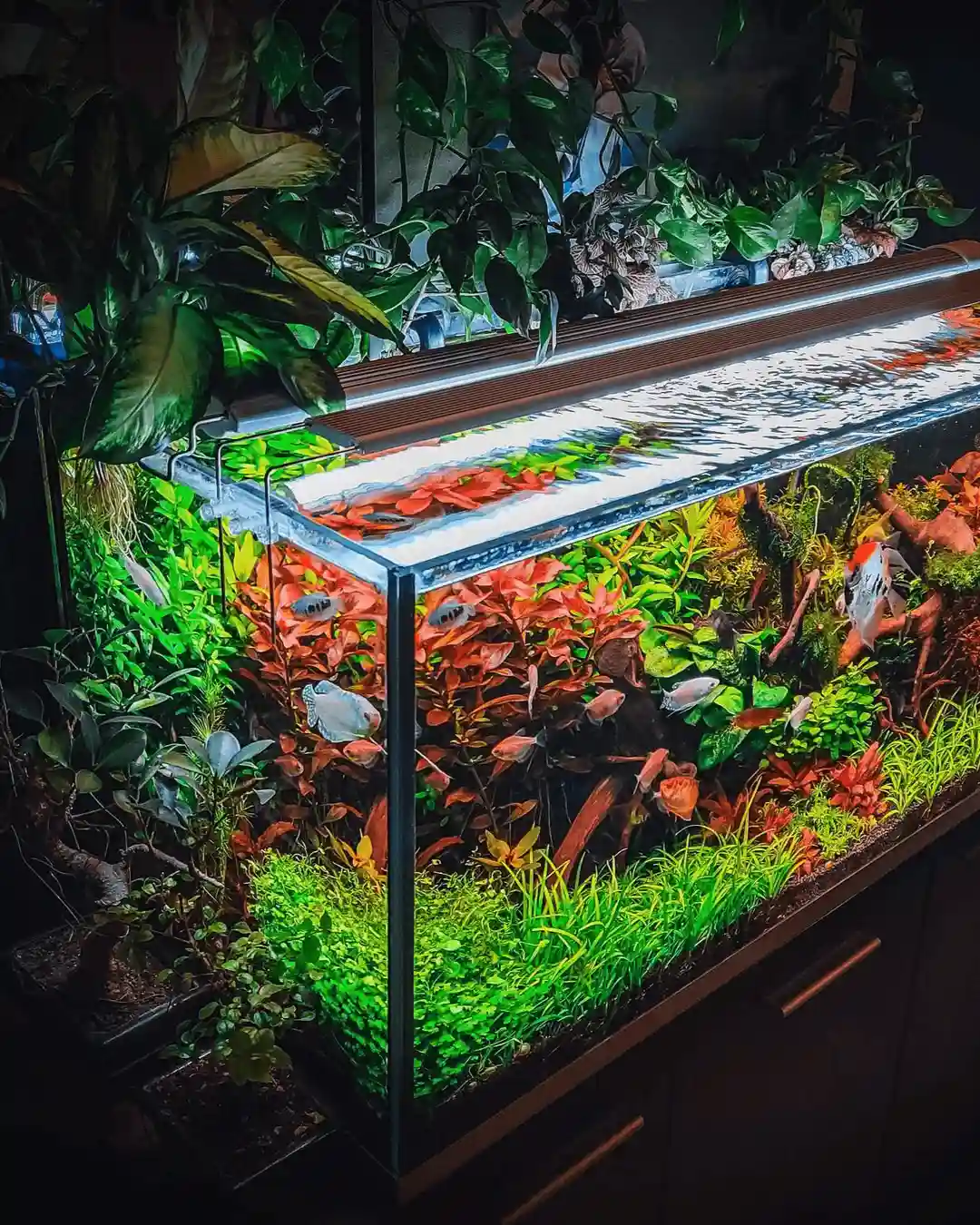
Community setups work best when conditions favor stability. Larger tanks provide space for territory and error correction. Careful fish selection prevents feeding and behavior conflicts.
Slow stocking allows the biological filter to adjust. Research prevents impulse buys. Patience reduces stress for both fish and keeper.
When done thoughtfully, community aquariums can be stable and rewarding. They just demand more planning than beginners expect.
Community Aquarium vs Species-Only Tank
Species-only tanks are often easier for beginners. Fish behavior is predictable. Feeding is simpler. Water conditions are easier to maintain.
Community tanks offer variety but add complexity. Behavior varies, feeding conflicts increase, and mistakes affect multiple species at once.
Beginner success rates are generally higher with species-only setups, especially in smaller tanks.
Beginner Mistakes That Cause Community Aquariums to Fail
Many failures come from rushing. Fish are added too quickly. Store advice is trusted without research. Cycling is skipped or shortened.
Mixing incompatible species creates silent stress that builds over time. These mistakes are avoidable, especially when beginners understand cycling methods. The difference between approaches is explained in Fishless Cycling vs Fish-In Cycling.
Should Beginners Start With a Community Aquarium?
Some beginners can succeed with community tanks if they start with larger aquariums, stock slowly, and research every species carefully.
Others are better served by simpler setups. If patience is limited or tank size is small, a community aquarium may create more frustration than enjoyment.
The safest approach is choosing a setup that matches experience, not ambition.
Better Alternatives for First-Time Fish Keepers
Species-only tanks reduce complexity and stress. Single betta setups, small schooling fish tanks, or shrimp-only aquariums are easier to manage.
Hardy beginner fish setups allow learning without constant adjustments. Guides like Betta Fish Care and beginner shrimp resources provide solid starting points with fewer variables.
Final Thoughts
Community aquariums can work, but they are not the easy option they appear to be. Success depends on planning, patience, and realistic expectations.
Beginners who understand the hidden challenges make better decisions and avoid impulse setups. Choosing the right tank style early prevents losses later and keeps the hobby enjoyable instead of stressful.