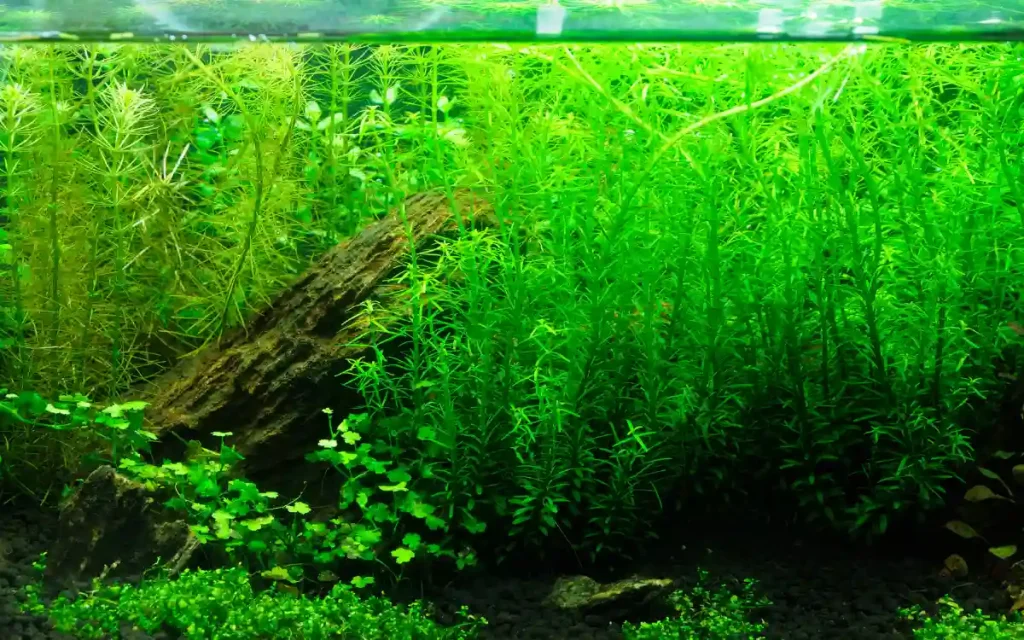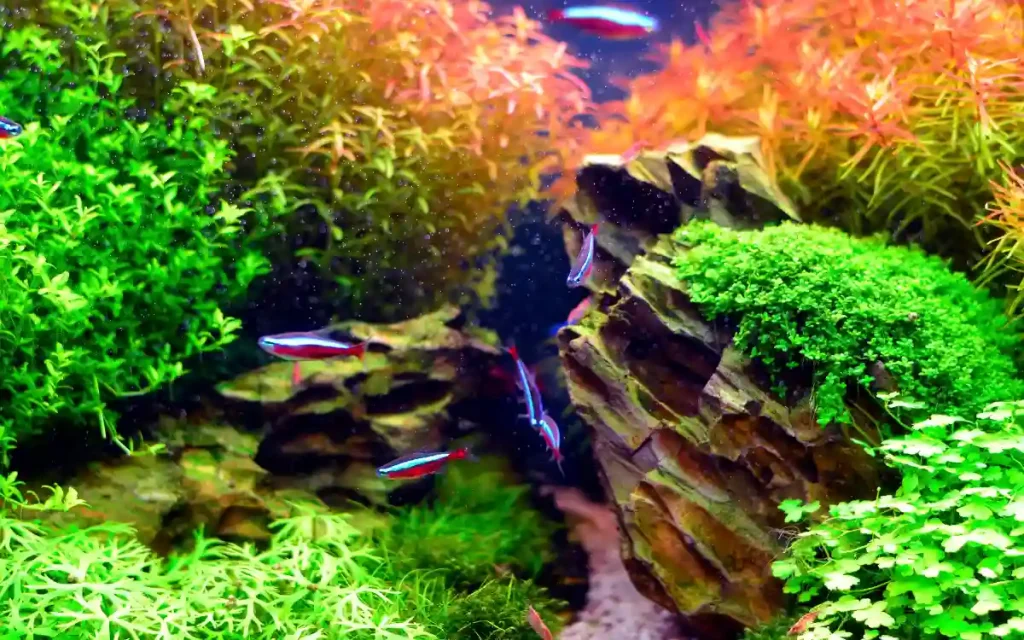
Anacharis is one of the most forgiving aquarium plants you can keep. It grows fast, tolerates mistakes, and survives in conditions that kill more delicate plants. Because of this, it’s often recommended for beginners, goldfish tanks, and low-tech setups.
You won’t grow Anacharis for looks alone. You grow it because it works.
This guide explains how to care for Anacharis properly, how to keep it healthy, and when it’s the right (or wrong) choice for your tank.
What Is Anacharis?
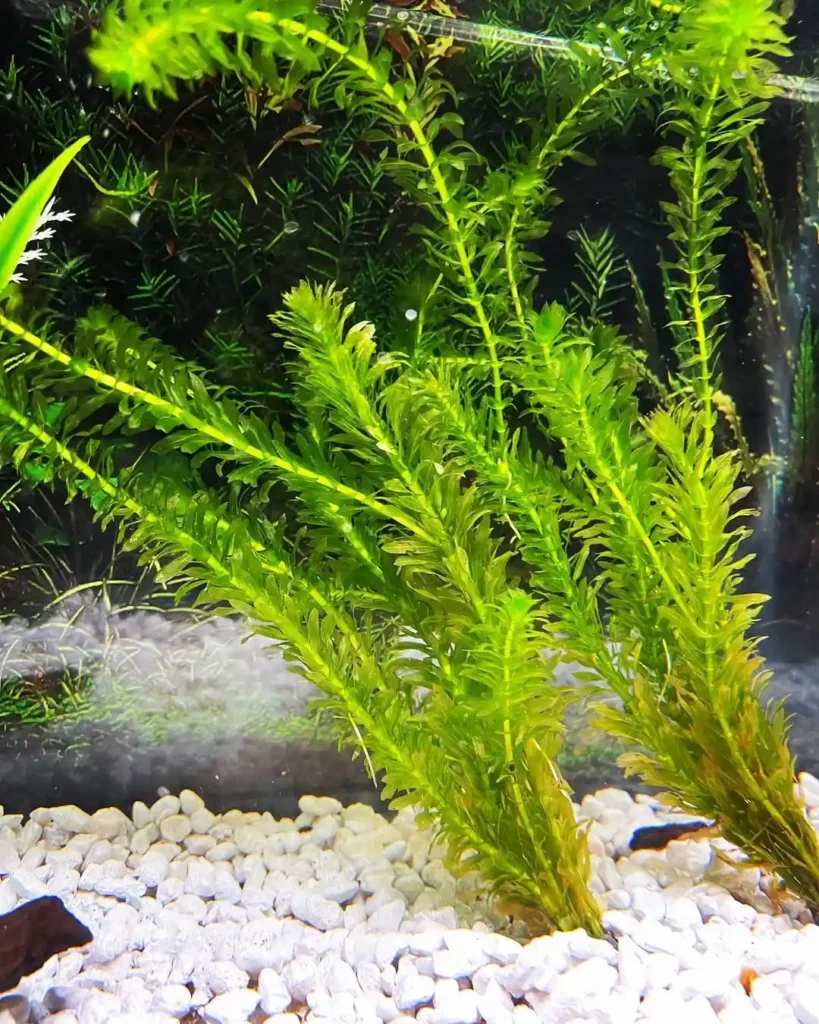
Anacharis is the common aquarium name for Egeria densa, a fast-growing freshwater stem plant native to South America. It’s sometimes sold as “Elodea,” though true Elodea is a different plant.
In aquariums, Anacharis is valued for:
- Fast growth
- Strong oxygen production
- Tolerance of cool and warm water
- Ability to grow rooted or floating
It’s commonly used in beginner tanks, breeding setups, and aquariums with messy fish.
Anacharis Quick Care Overview
| Care Factor | Recommendation |
|---|---|
| Difficulty | Very Easy |
| Lighting | Low to Medium |
| CO₂ | Not needed |
| Temperature | 18–26°C |
| pH Range | 6.0–8.0 |
| Growth Speed | Fast |
| Placement | Background or Floating |
| Best Tank Type | Beginner tanks, goldfish tanks, breeding tanks |
Note: Anacharis is also frequently listed among aquarium plants for beginners because it survives well in basic setups.
Tank Requirements for Healthy Growth
Lighting Needs
Anacharis grows under low to medium lighting.
- Low light: Slower growth, longer stems
- Medium light: Fuller, healthier appearance
Strong lighting is unnecessary and can cause algae to grow on the leaves.
A light duration of 7–9 hours per day is usually enough.
Water Parameters and Temperature
Anacharis prefers cooler water compared to many tropical plants.
It does well in:
- Soft to moderately hard water
- Neutral to slightly alkaline pH
- Temperatures below 26°C
This makes it suitable for:
- Goldfish tanks
- Unheated aquariums
- Temperate species
Very warm water often causes it to shed leaves or weaken.
Is CO₂ Required?
No. Anacharis grows well without CO₂ injection or liquid carbon.
In fact, liquid carbon products can sometimes damage Anacharis leaves, so it’s best avoided.
Planting and Placement
Rooted vs Floating Growth
Anacharis can grow in two ways:
Rooted:
- Plant stems in substrate
- Provides a cleaner look
- Slower spread
Floating:
- Simply drop stems into the tank
- Faster growth
- Excellent for fry and nutrient control
Floating growth is common in breeding and goldfish tanks.
How to Plant Anacharis Correctly
If planting in substrate:
- Separate bundled stems
- Insert only the bare stem into the substrate
- Leave space between stems
- Avoid burying leaves
Crowded planting leads to lower leaf loss.
Growth and Maintenance
Growth Speed
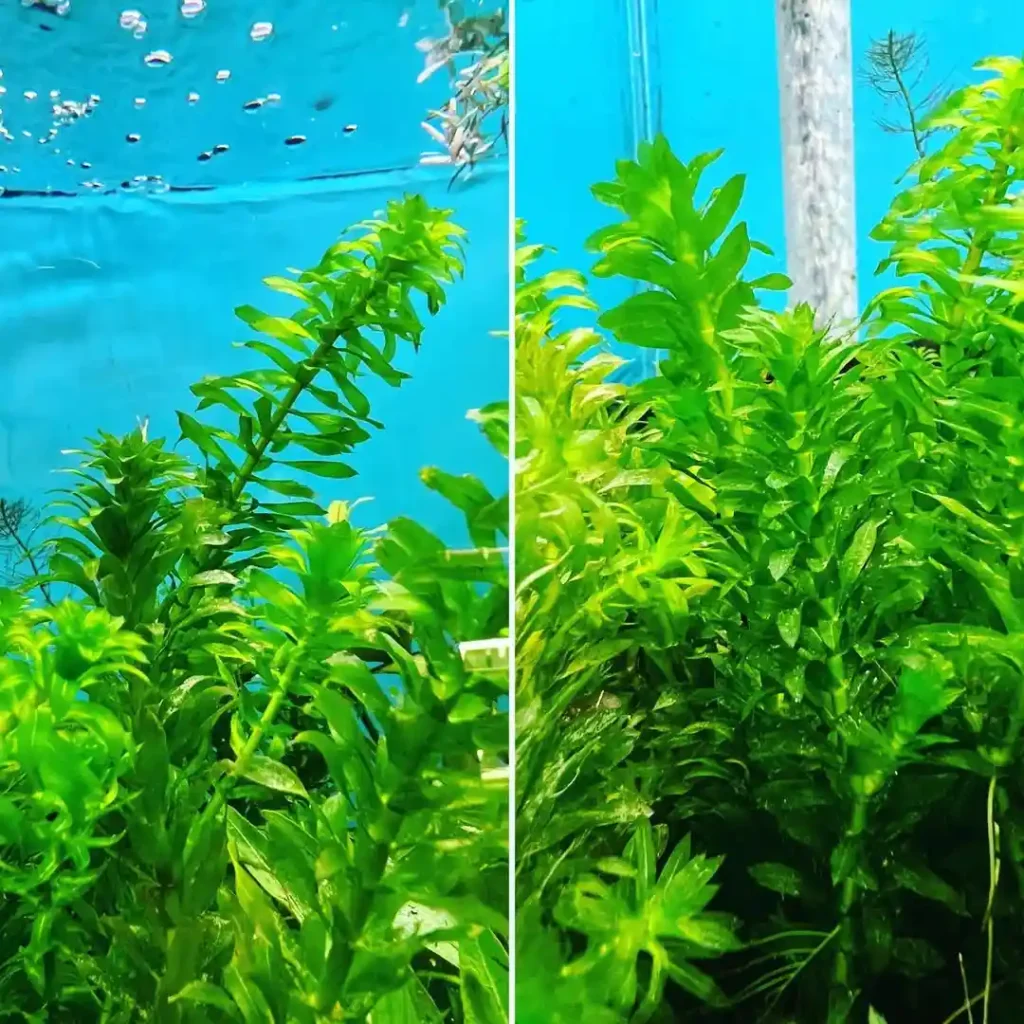
Anacharis grows quickly under stable conditions. In established tanks, trimming is usually needed every 1–2 weeks.
Its fast growth helps absorb excess nutrients, which can reduce algae problems.
Trimming and Shaping
To trim Anacharis:
- Cut the top section of the stem
- Remove damaged lower leaves
- Replant the healthy top if desired
Old lower sections can be removed if they look weak.
Propagation
Propagation is simple. Any healthy cutting can be replanted or floated to grow into a new plant.
Because of this, a small bunch can fill a tank quickly.
Common Problems and Fixes
Leaves Turning Brown or Transparent
This usually happens due to:
- Water that is too warm
- Sudden parameter changes
- Poor water quality
Lowering temperature and improving stability often fixes it.
Leaf Drop After Introduction
Anacharis often sheds older leaves when adjusting to a new tank. As long as new growth appears at the tips, the plant is recovering.
Algae on Leaves
Anacharis leaves can collect algae if lighting is too strong.
Solutions include:
- Reducing light duration
- Increasing water changes
- Adding algae-eating tank mates
Best Tank Mates for Anacharis
Compatible Fish
Anacharis works well with:
- Tetras
- Guppies
- Goldfish
- Livebearers
Its sturdy stems tolerate mild nibbling.
Shrimp and Snails
Shrimp use Anacharis as shelter and grazing space. Snails help keep algae under control without harming the plant.
Fish to Avoid
Large, aggressive plant eaters may shred Anacharis faster than it can regrow.
Anacharis vs Similar Aquarium Plants
PlantKey DifferenceHornwortFloats only, no true rootsElodeaSlower growth, cooler waterDwarf AmbuliaFiner leaves, tropicalGiant HygroLarger leaves, warmer water
Anacharis stands out for cold tolerance and simplicity.
Is Anacharis Right for Your Tank?
Anacharis is a good choice if:
- You want a low-effort plant
- Your tank runs cool
- You keep goldfish or livebearers
- You need fast nutrient absorption
It’s not ideal for high-heat tropical tanks or detailed aquascapes.
Final Thoughts
Anacharis isn’t flashy, but it’s dependable. It grows fast, survives beginner mistakes, and improves water quality by soaking up excess nutrients. For simple setups, breeding tanks, and goldfish aquariums, it remains one of the most practical plants available.
If you’re building a planted tank step by step, Anacharis fits naturally into a broader selection of freshwater aquarium plants.