The best tank mates for angelfish are peaceful, similarly sized fish that won’t nip fins or trigger aggression. Ideal companions include Corydoras catfish, Bristlenose Plecos, Rummy Nose Tetras, and German Blue Rams. These species share similar water parameters and swimming habits, making them safe choices for a calm and balanced community tank.
Can Angelfish Live With Other Fish?
Yes, angelfish can live with other fish, but tank mate selection needs to be thoughtful. Angelfish are generally peaceful but can show semi-aggressive behavior, especially during breeding or when kept in cramped spaces.
They are territorial cichlids with long fins, so tank mates must not be fin-nippers or overly energetic. It’s best to avoid small fish that might be mistaken for food, as well as aggressive or highly dominant species that may stress them out.
For a community setup, a minimum tank size of 30 gallons is recommended for a pair of angelfish. If you’re adding multiple tank mates, consider a 40 to 55-gallon aquarium or larger. This gives enough space to reduce territorial disputes and allows all fish to establish their zones comfortably.
Key Factors Before Choosing Angelfish Tank Mates
Choosing the right tank mates for angelfish goes beyond just picking peaceful fish. Here are the most important things to consider:
1. Tank Size Matters Angelfish need space to swim and establish territory. A minimum of 30 gallons is fine for a pair, but if you’re planning a community tank, aim for 40 to 55 gallons or more. This reduces stress and aggression between tank mates.
2. Temperament and Aggression Levels Angelfish are semi-aggressive—especially when breeding or establishing dominance. Choose calm, confident species that can hold their own without being aggressive in return.
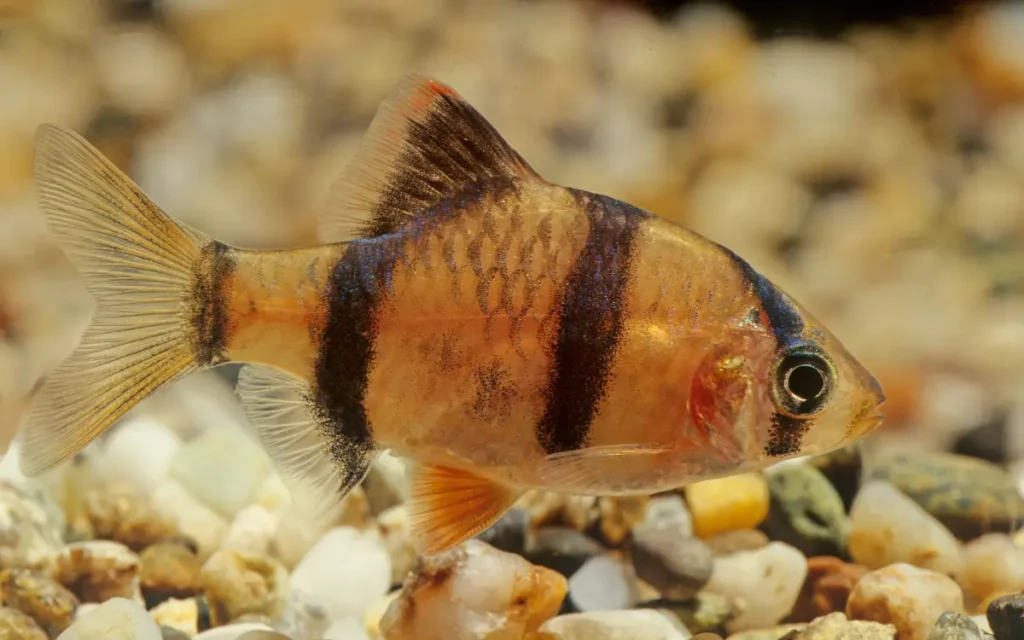
3. Avoid Fin-Nippers and Fragile Fish Because angelfish have long, flowing fins, they are easy targets for fin-nippers like Tiger Barbs or Serpae Tetras. Also avoid tiny or slow-moving fish that may be chased or bullied.
4. Match Water Parameters Angelfish prefer temperatures between 76–82°F and a pH range of 6.5–7.5. Always choose species with similar water requirements to avoid stress or health issues.
5. Consider Feeding Habits and Swimming Zones Angelfish feed mid-water, so it helps to choose tank mates that feed at different levels (like bottom-dwelling Corydoras or surface-feeding mollies). This reduces food competition and helps keep the tank peaceful.
Best Peaceful Tank Mates for Angelfish
Not all community fish are suitable for angelfish, but several peaceful species coexist beautifully when tank conditions are right. These tank mates tend to stay out of the angelfish’s way, don’t nip fins, and thrive in similar water parameters.
Here are some of the best peaceful tank mates to consider:
1. Corydoras Catfish (Corydoras spp.)
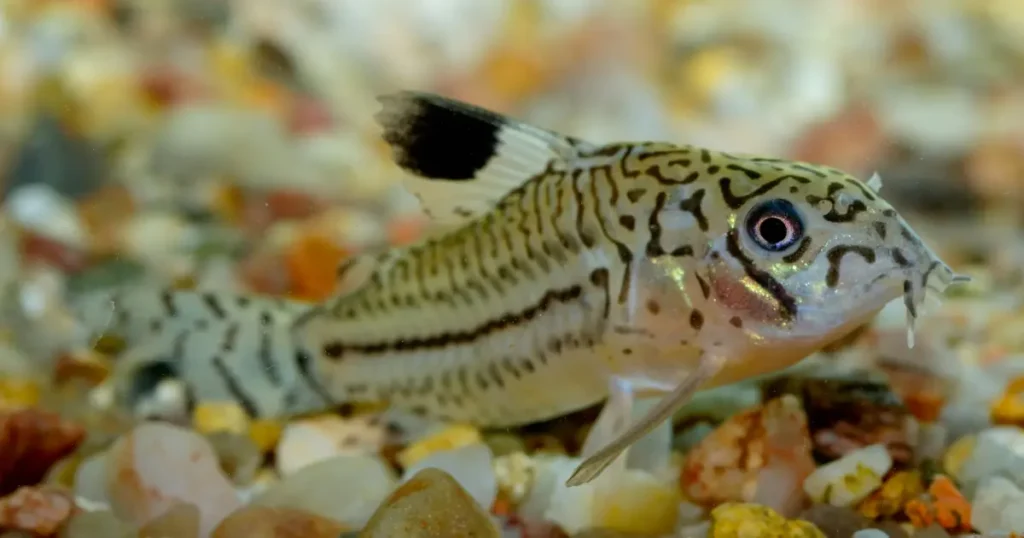
Size: 1.5–2.5 inches | Swimming Level: Bottom Corys are friendly bottom-dwellers that scavenge leftover food and stay out of angelfish territory. They do best in groups of 5 or more and add useful cleanup support to the tank.
2. Bristlenose Pleco (Ancistrus spp.)
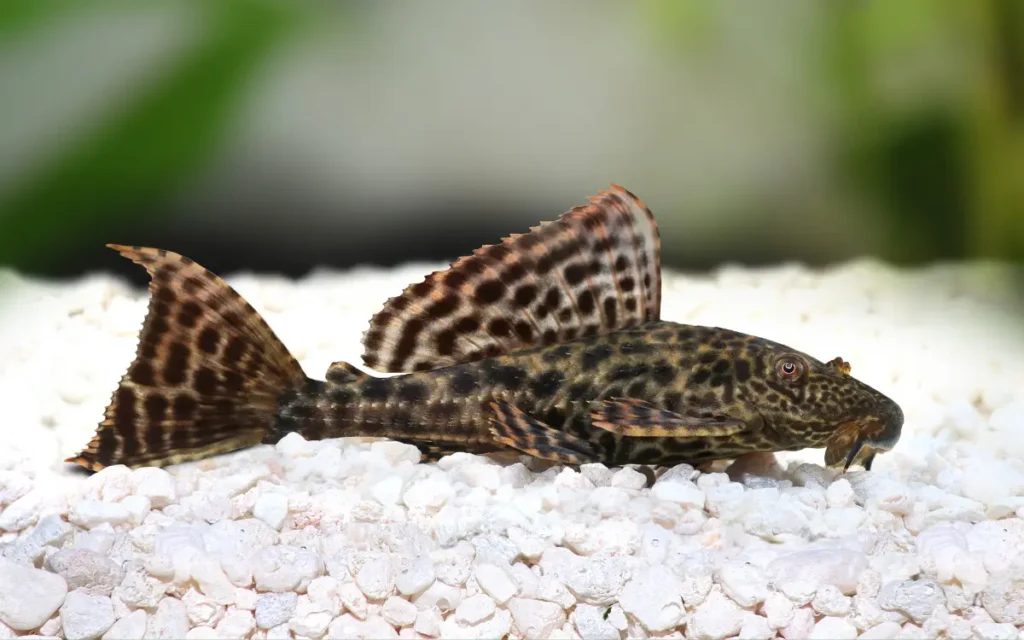
Size: 3–5 inches | Swimming Level: Bottom These calm algae-eaters are excellent tank mates for angelfish. They don’t invade midwater zones and won’t bother tank mates. Juveniles are especially ideal for smaller community setups.
3. Mystery Snails (Pomacea bridgesii)
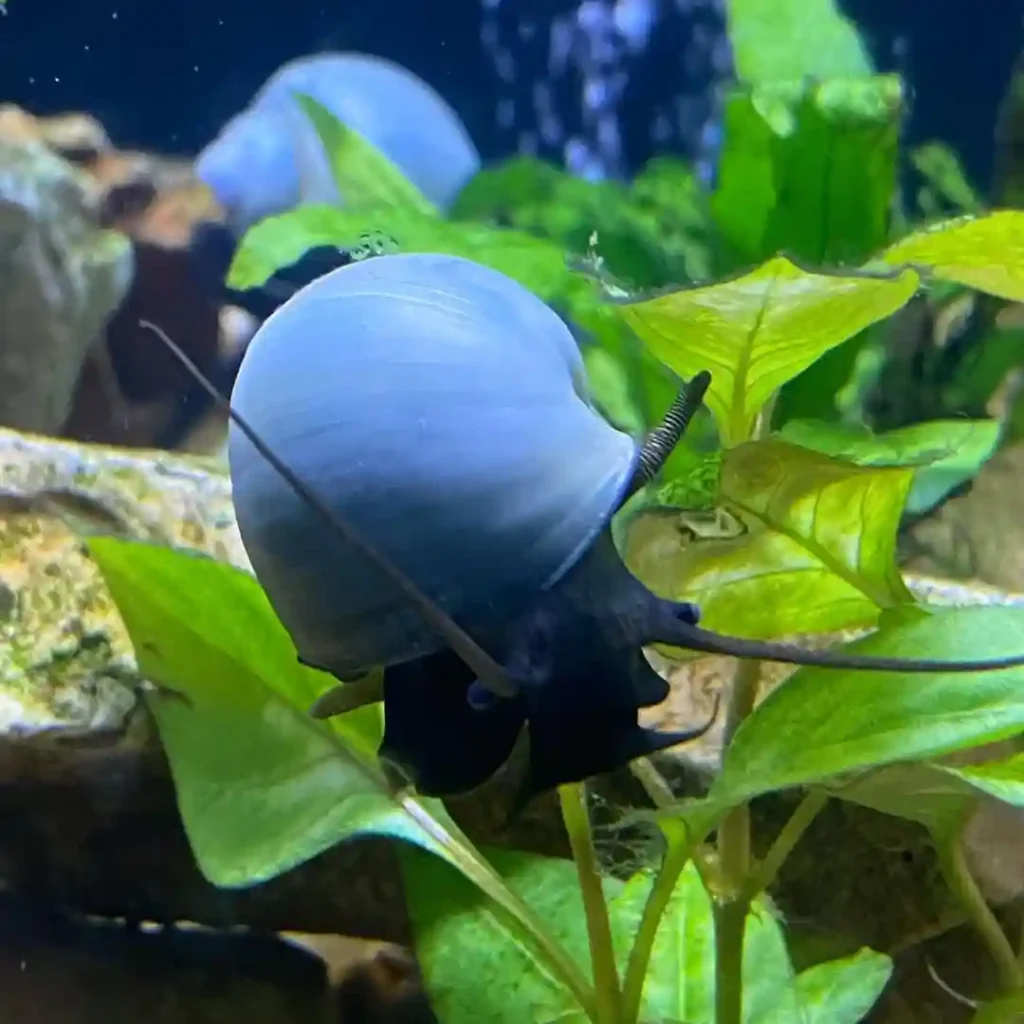
Size: 1–2 inches | Swimming Level: Bottom and glass Mystery snails are peaceful and helpful—they consume algae and leftover food, and they pose no threat to any fish. They also won’t overcrowd the tank like pest snails.
4. Kuhli Loaches (Pangio kuhlii)
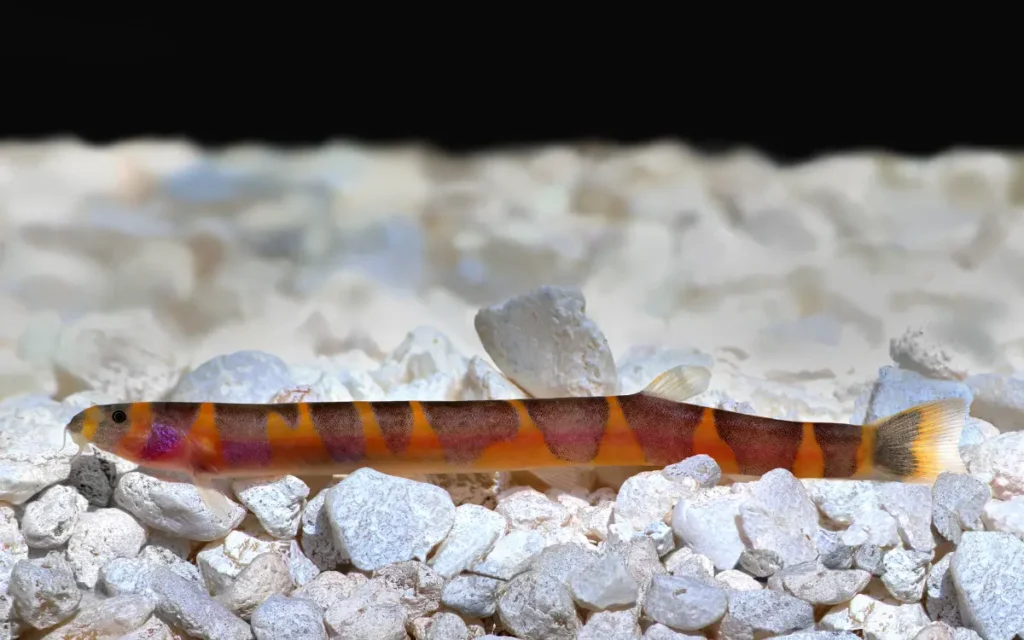
Size: 3–4 inches | Swimming Level: Bottom These eel-like fish are shy and nocturnal, often hiding during the day and becoming active at night. Their peaceful nature makes them excellent tank mates that won’t stress angelfish.
Best Mid-Level Swimmers That Get Along With Angelfish
When choosing mid-level swimmers for an angelfish tank, it’s important to find species that are not too aggressive or timid, and that won’t nip fins or compete with angelfish for territory. These fish are confident enough to share space but peaceful enough to avoid conflict.
5. Boesemani Rainbowfish (Melanotaenia boesemani)
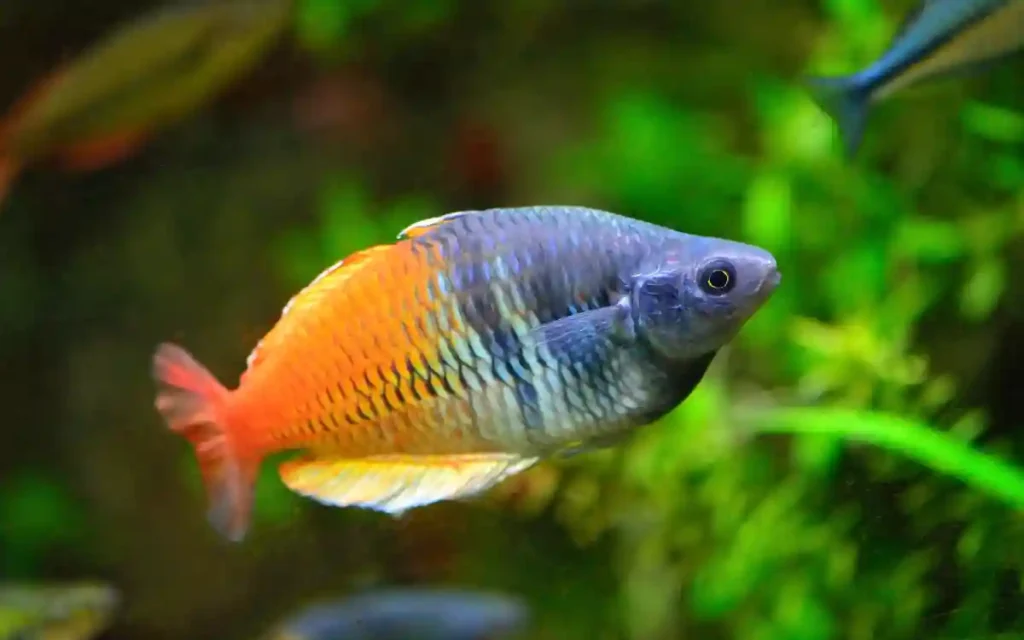
Size: 3–4 inches | Temperament: Peaceful These brightly colored rainbowfish are active and fast, making them excellent tank mates for angelfish. Their speed and confidence help them avoid territorial tension, and they thrive in the same water conditions.
6. Swordtails (Xiphophorus helleri)
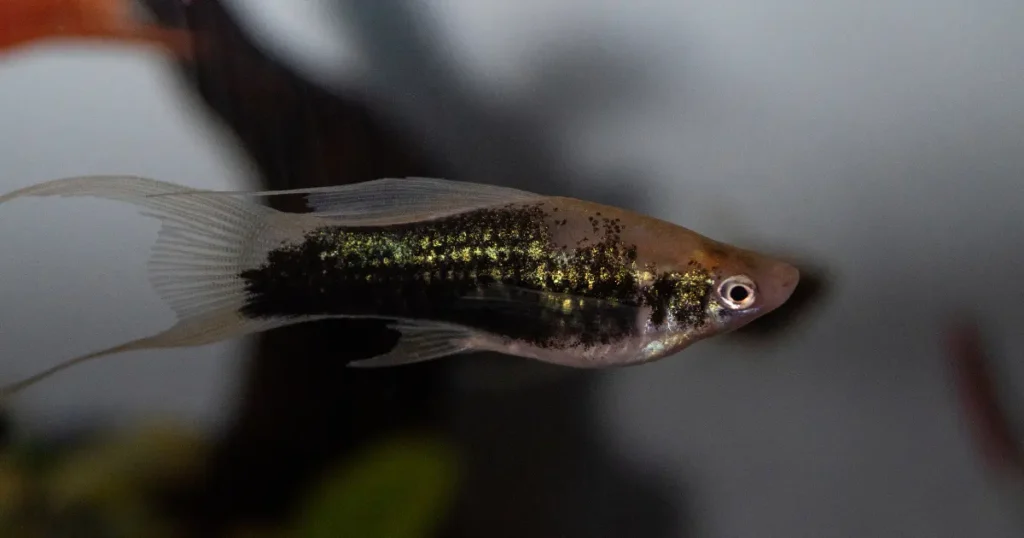
Size: 3–4 inches | Temperament: Peaceful Swordtails are active, colorful, and peaceful livebearers that do well with angelfish. They prefer swimming in the upper and middle zones and typically mind their own business.
7. Mollies (Poecilia sphenops)
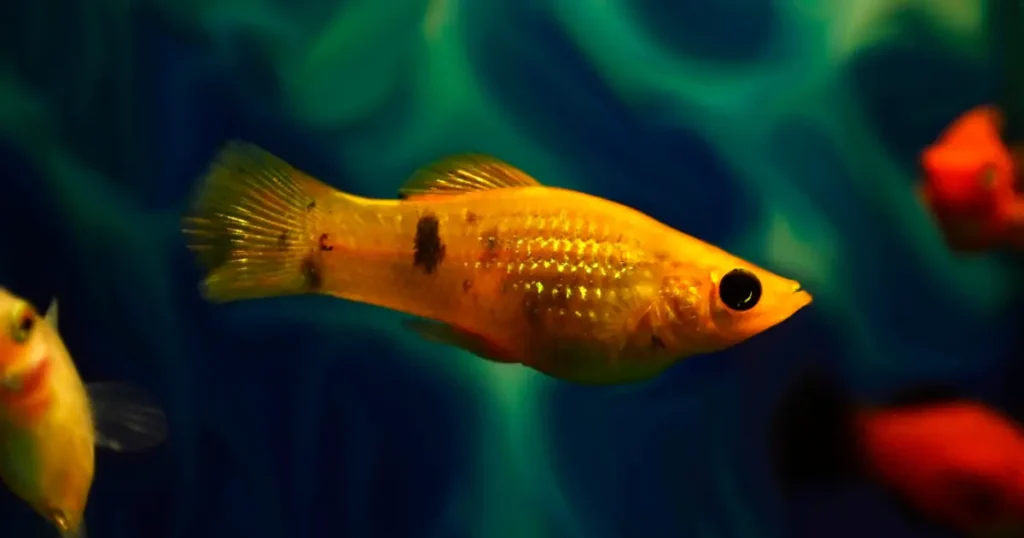
Size: 3–4 inches | Temperament: Peaceful Mollies are hardy and social fish that do best in slightly hard, warm water—conditions that also suit angelfish. Choose similar-sized mollies to prevent any size-related bullying.
8. Roseline Sharks (Sahyadria denisonii)

Size: 4–6 inches | Temperament: Peaceful These torpedo-shaped fish are fast and peaceful, best kept in groups of 5 or more. They do best in larger tanks (55+ gallons) and make excellent companions for angelfish in well-planted setups.
Schooling Fish That Can Coexist With Angelfish
Schooling fish can bring color and activity to an angelfish tank—but not all are suitable. The best choices are fast, peaceful, and too large to be seen as food. They should also be non-aggressive and comfortable in slightly warm, soft water—just like angelfish.
9. Rummy Nose Tetras (Hemigrammus bleheri)
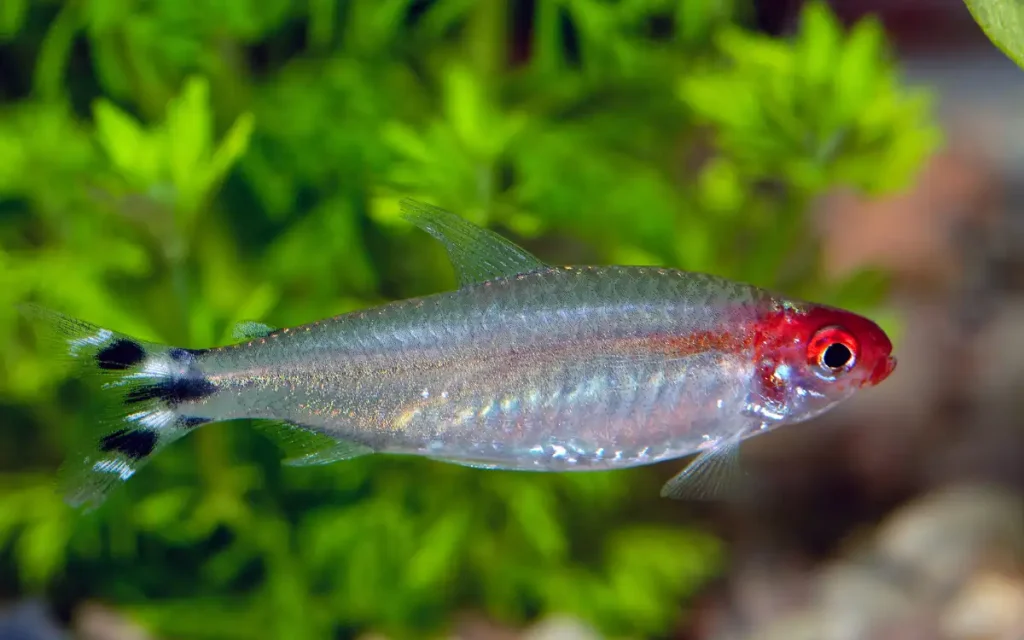
Size: 2 inches | Temperament: Peaceful Rummy Nose Tetras are fast swimmers and tight schoolers, which helps them avoid being singled out by angelfish. Their red noses also act as indicators of tank health.
10. Black Skirt Tetras (Gymnocorymbus ternetzi)
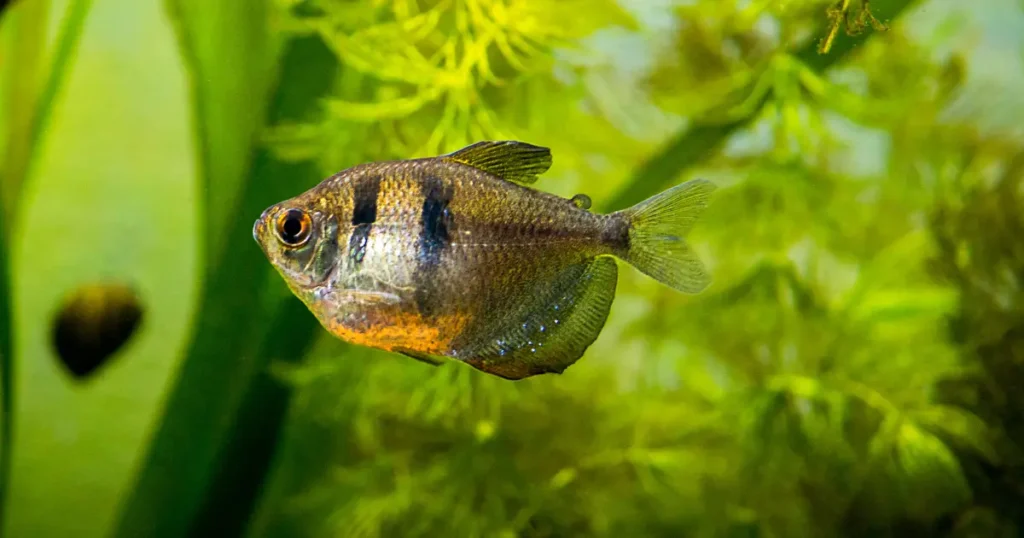
Size: 2–2.5 inches | Temperament: Semi-peaceful While some tetras nip fins, Black Skirts are typically peaceful in larger groups. Their body size and swimming speed make them good companions in spacious tanks.
11. Bleeding Heart Tetras (Hyphessobrycon erythrostigma)
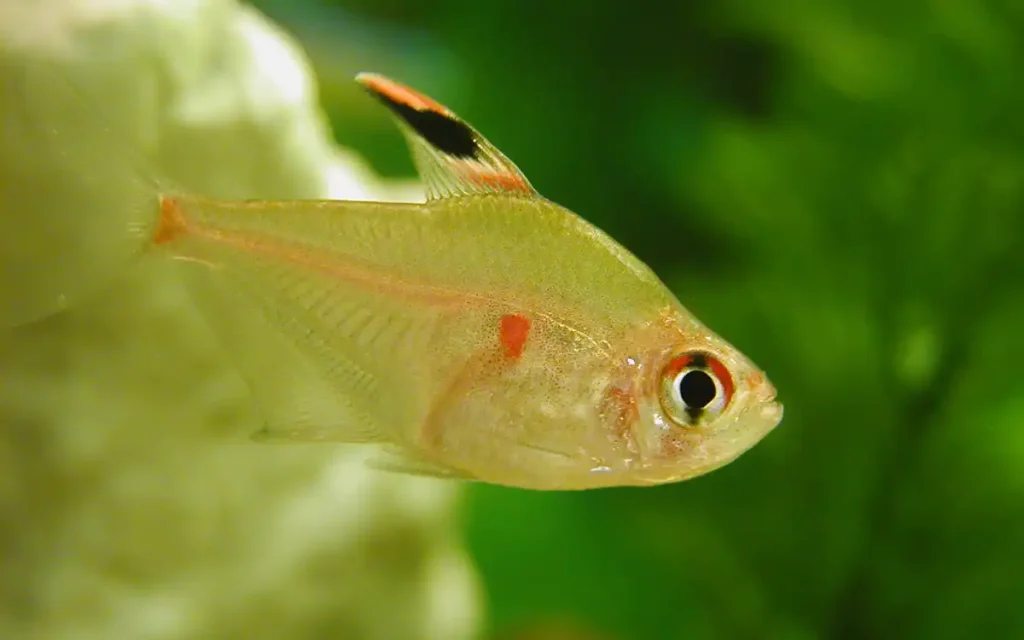
Size: 2.5–3 inches | Temperament: Peaceful These tetras are slightly bulkier and more slow-moving, but their calm nature and schooling behavior help them coexist peacefully with angelfish—especially in planted tanks.
12. Congo Tetras (Phenacogrammus interruptus)
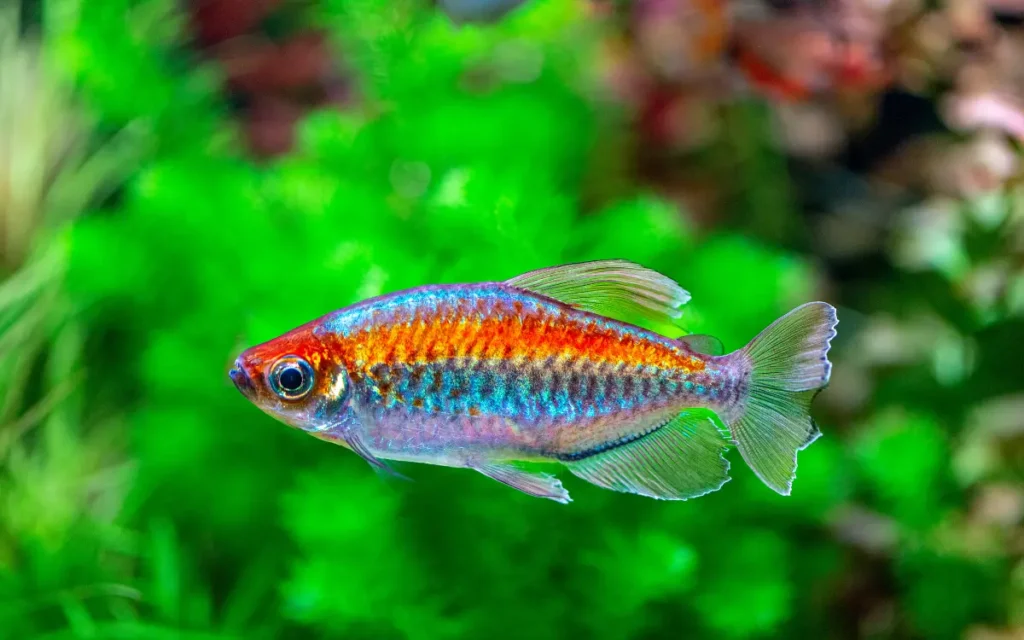
Size: 3–3.5 inches | Temperament: Peaceful Known for their shimmering fins and calm nature, Congo Tetras are a visually striking choice. They need a tank size of 55+ gallons and should be kept in groups of at least 6.
13. Lemon Tetras (Hyphessobrycon pulchripinnis)
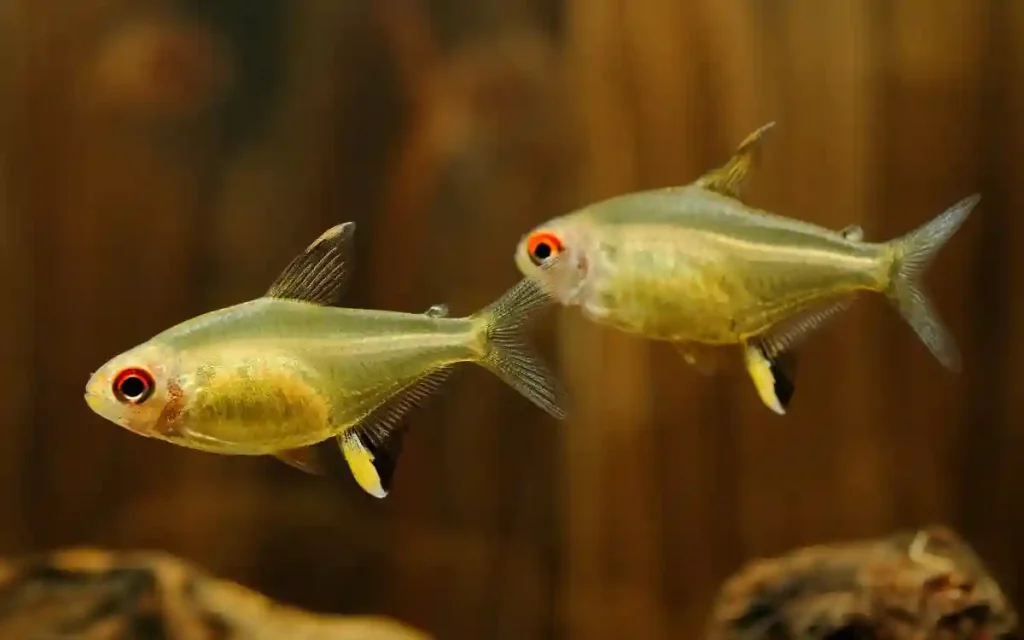
Size: 1.5–2 inches | Temperament: Peaceful These tetras are less likely to nip than Serpae or Black Phantom Tetras. Their yellow coloring and schooling nature add a pop of brightness to community aquariums.
Other Cichlids Compatible With Angelfish
Not all cichlids are aggressive. In fact, several smaller, peaceful cichlid species can thrive alongside angelfish—as long as there’s enough space, hiding spots, and compatible temperament. These species usually stay in the lower to mid areas of the tank and avoid direct confrontation with angelfish.
14. German Blue Rams (Mikrogeophagus ramirezi)
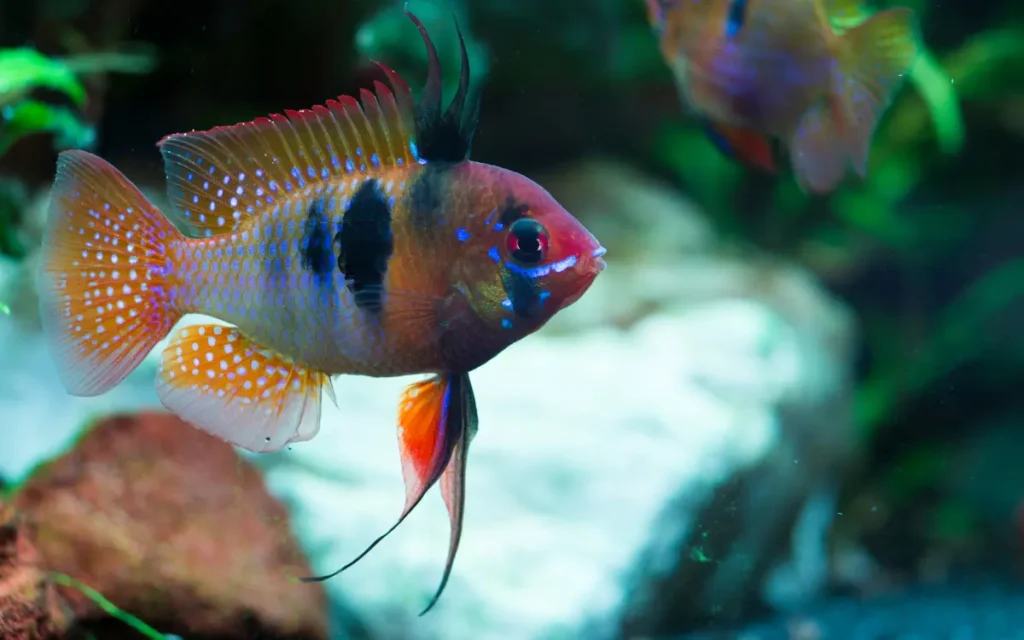
Size: 2–3 inches | Temperament: Peaceful German Blue Rams are one of the best cichlid options for angelfish tanks. They’re vibrant, shy, and prefer heavily planted environments. They do well in warm water but require stable, high-quality conditions.
15. Bolivian Rams (Mikrogeophagus altispinosus)
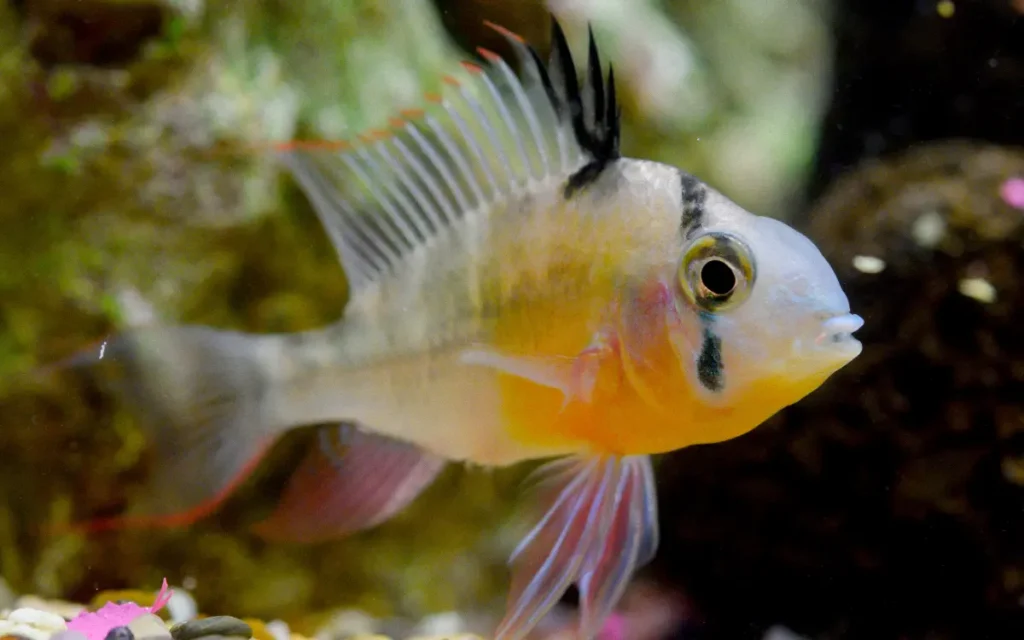
Size: 3–3.5 inches | Temperament: Peaceful A bit hardier than German Rams, Bolivians are calm and tend to occupy the lower parts of the tank. They are non-aggressive and enjoy similar pH and temperature ranges as angelfish.
16. Keyhole Cichlids (Cleithracara maronii)
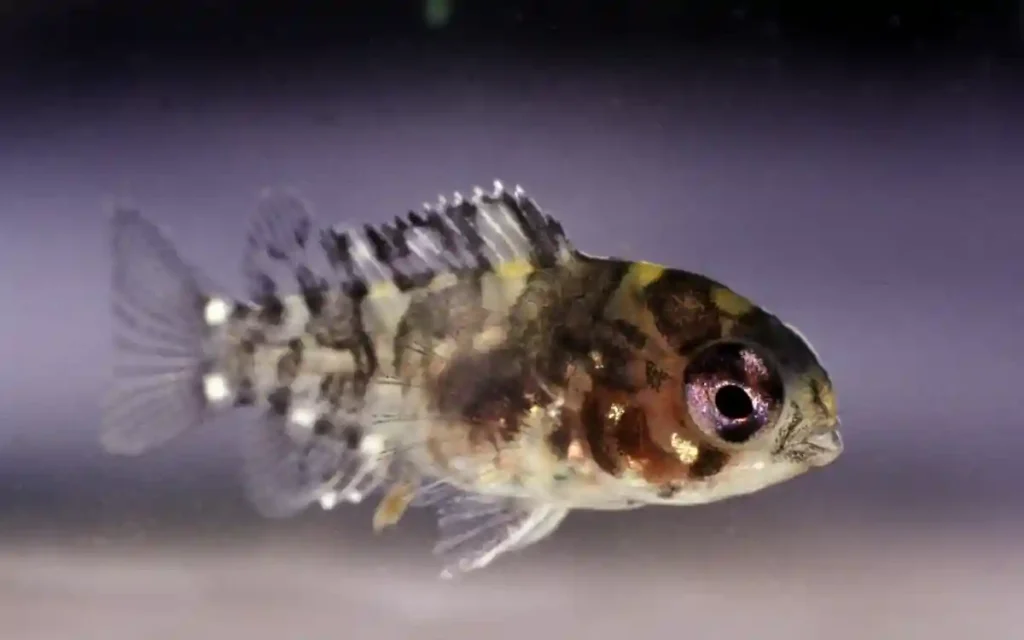
Size: 4 inches | Temperament: Very peaceful Keyhole Cichlids are shy and slow-moving. They’re unlikely to challenge angelfish and are perfect for peaceful community tanks with ample hiding places.
17. Kribensis Cichlids (Pelvicachromis pulcher)
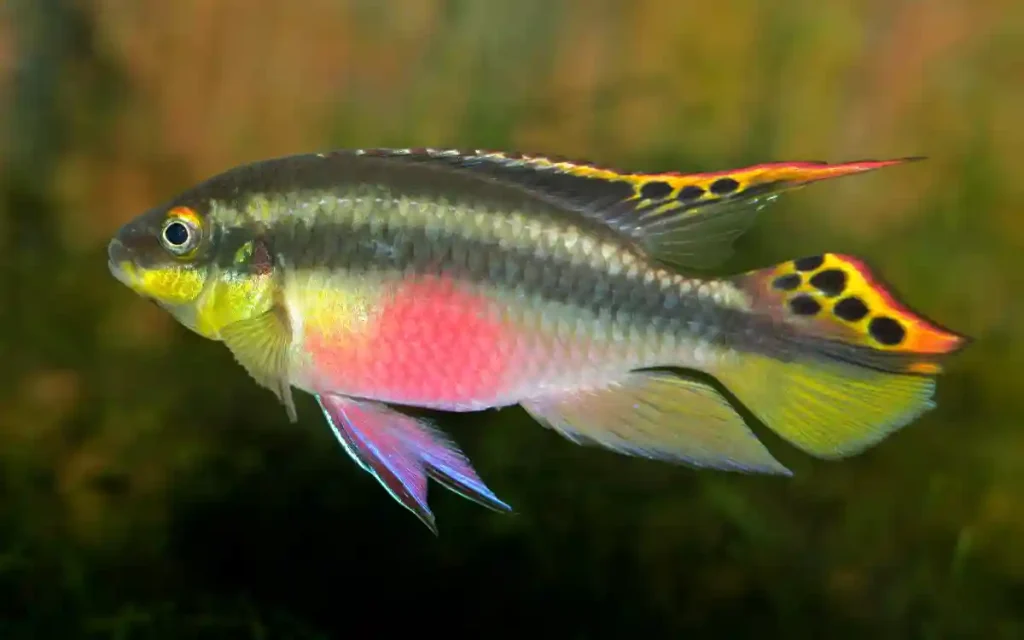
Size: 3–4 inches | Temperament: Peaceful (except during breeding) Kribs are colorful and curious, but they can become territorial while breeding. In well-aquascaped tanks with hiding spots, they’re generally great companions for angelfish.
Larger Community Fish That Are Angelfish-Safe
If you have a bigger tank (55+ gallons), you can consider some larger, peaceful community fish that pair well with angelfish. These fish won’t bully angelfish and are confident enough to hold their own without provoking aggression.
18. Pearl Gourami (Trichopodus leerii)
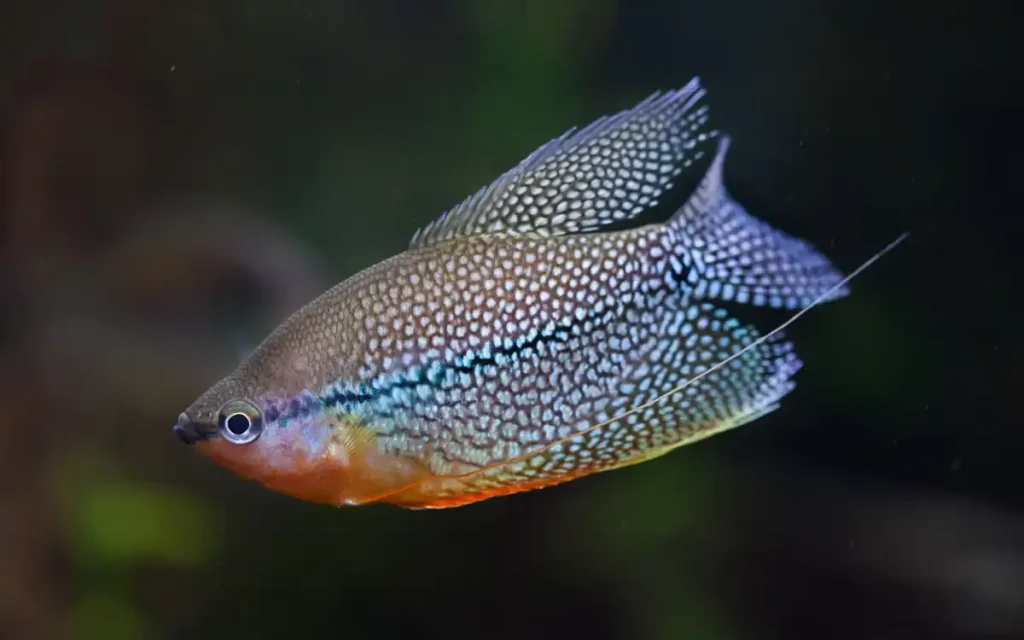
Size: 4–5 inches | Temperament: Generally peaceful Pearl Gouramis are calm and elegant fish that share similar water needs and swimming zones with angelfish. In well-planted tanks with enough space, they make excellent companions.
19. Blue Acara (Andinoacara pulcher)
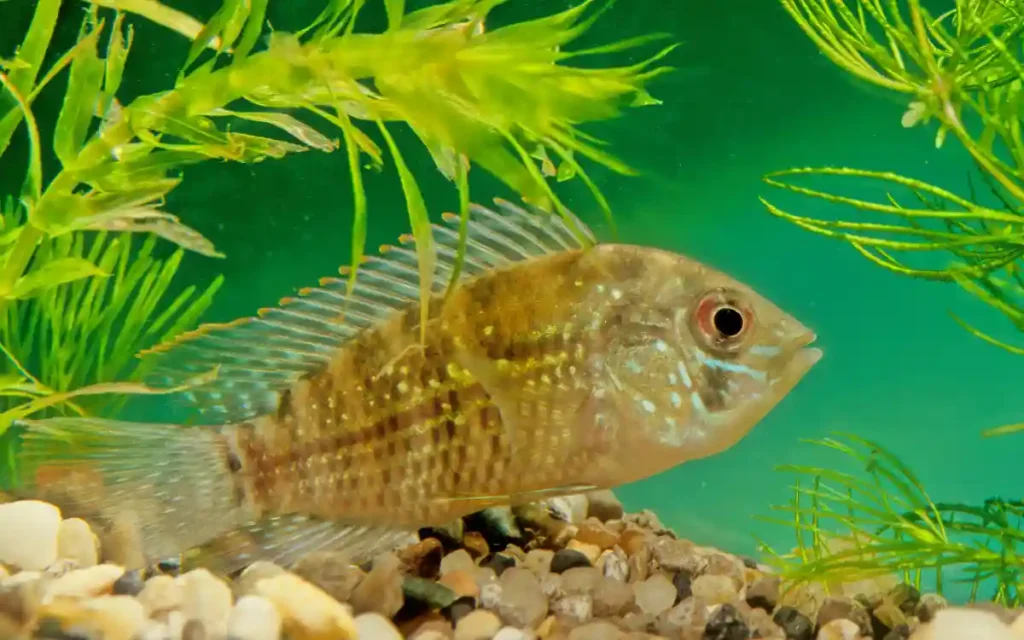
Size: 6–7 inches | Temperament: Mild for a cichlid Blue Acaras are peaceful for their size and typically ignore angelfish. They require a spacious tank with hiding spots and stable water quality to thrive in a community setup.
20. Silver Dollar Fish (Metynnis argenteus)
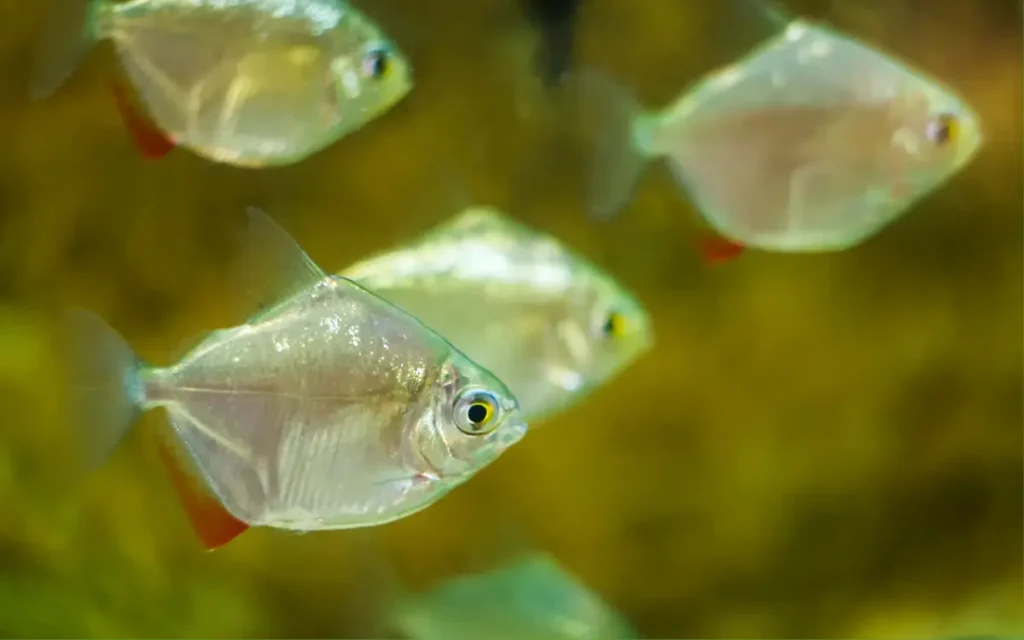
Size: 5–6 inches | Temperament: Peaceful, schooling Silver Dollars are fast-moving and plant-eating fish that do best in large groups. They are peaceful enough for angelfish tanks but need a big aquarium (75+ gallons) due to their size and activity level.
Fish to Avoid With Angelfish (Avoid Stress, Fights & Fin Damage)
Not every fish is a good match for angelfish. Some species are too aggressive, too small, or simply too fast. Adding the wrong tank mate can lead to fin-nipping, stress, and even fatal injuries. Here’s a breakdown of the types of fish you should avoid:
1. Fin-Nippers (Will Damage Angelfish Fins)
These fish can’t resist trailing fins—making angelfish a target:
- Tiger Barbs
- Serpae Tetras
- Black Skirt Tetras (when not in large schools)
- Skunk Botia Loaches
Why avoid them? Constant chasing and nipping causes stress, infection, and torn fins.
2. Tiny Fish That May Get Eaten
Angelfish are predators by nature and will snack on anything bite-sized:
- Neon Tetras
- Endler Fry
- Guppy Fry
- Dwarf Rasboras
Why avoid them? These small fish are seen as food—especially in underfed tanks.
3. Overly Aggressive or Territorial Cichlids
These fish are too bold or combative for peaceful angelfish tanks:
- Convict Cichlids
- Jack Dempsey
- Green Terrors
- Oscars
Why avoid them? They’ll likely outcompete or outright attack angelfish.
4. Slow Fancy Fish With Long Fins
These slow swimmers either attract aggression or get bullied:
- Male Bettas
- Fancy Guppies
- Goldfish
Why avoid them? They struggle to compete for food and may be picked on due to flashy fins.
5. Hyperactive or Fast-Swimming Schoolers
While not aggressive, their speed and energy can stress angelfish:
- Giant Danios
- Rainbow Shiners
- White Cloud Minnows
Why avoid them? Their constant darting around the tank can intimidate angelfish, especially in smaller tanks.
FAQs
Can angelfish live with shrimp?
Generally no. While adult Amano or Bamboo Shrimp might be safe, angelfish often eat small shrimp like Cherry or Ghost Shrimp.
Will angelfish eat smaller tetras?
Yes, they may eat very small tetras like Neon or Ember Tetras, especially as they grow. Stick to larger or thicker-bodied tetras.
How many angelfish should be kept together in a community tank?
It’s best to keep either a single angelfish or a mated pair. In larger groups, aggression can increase unless the tank is very large.
Can I keep angelfish in a planted tank with tank mates?
Yes! In fact, planted tanks with plenty of hiding spots help reduce aggression and make the environment more peaceful.
What bottom feeders go well with angelfish?
Great choices include Corydoras catfish, Bristlenose Plecos, Kuhli Loaches, and Otocinclus.