Aquarium Cycling for Beginners: Everything You Need to Know
Setting up a new aquarium is exciting. You add water, arrange decorations, install the filter, and imagine fish swimming happily inside. But for many beginners, problems start almost immediately. Fish become stressed, water turns cloudy, or fish die without any clear reason.
In most cases, the issue isn’t the filter, the food, or the fish. The real problem is simple: the aquarium was never properly cycled.
Aquarium cycling is the process that makes a fish tank safe. It prepares the water so fish waste can be handled naturally instead of turning toxic. This guide explains aquarium cycling in clear, beginner-friendly terms what it is, why it matters, how long it takes, common mistakes, and how to know when your tank is truly ready for fish.
What Aquarium Cycling Is
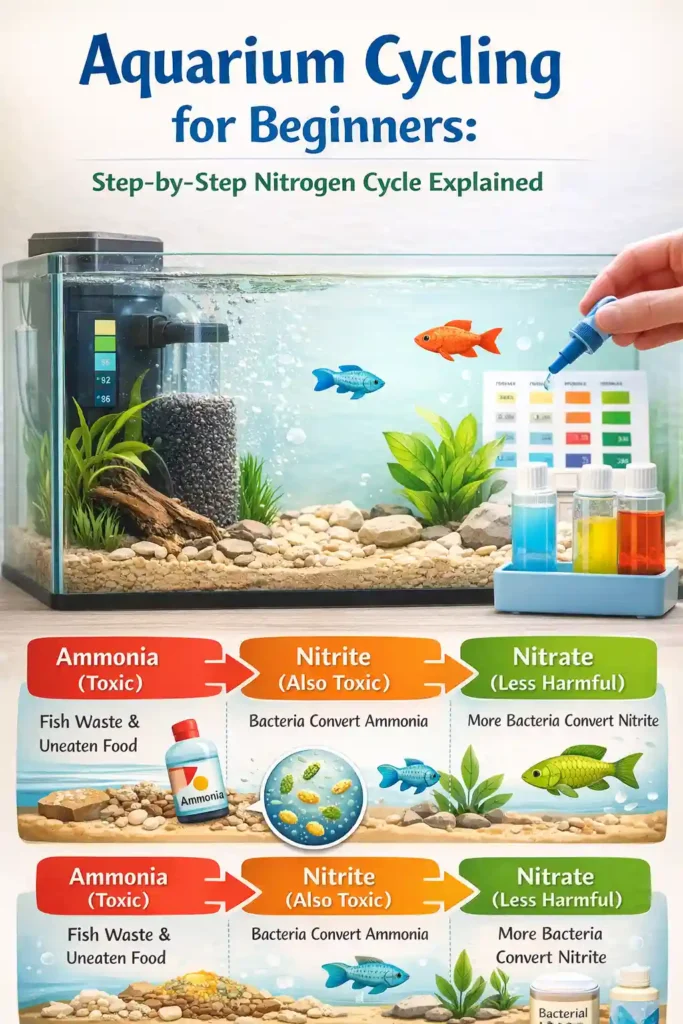
Aquarium cycling is the process of growing beneficial bacteria inside your aquarium, especially in the filter. These bacteria act as a natural waste-processing system. They break down harmful substances produced by fish and keep the water stable.
In a brand-new aquarium:
- There are no beneficial bacteria
- Waste builds up very quickly
- Water chemistry changes fast and unpredictably
Cycling allows beneficial bacteria to establish themselves before fish are fully stocked. Without this biological foundation, even a tank that looks clean can be dangerous.
Why New Aquariums Are Biologically Empty
Glass, water, gravel, and filters start out sterile. Beneficial bacteria do not appear instantly. They only grow when waste is present, and that growth takes time. Cycling is simply the process of allowing that bacterial colony to develop safely.
Why Aquarium Cycling Is Necessary
Fish constantly produce waste. Even a lightly stocked tank adds waste to the water through:
- Fish poop
- Breathing and gill activity
- Uneaten food
- Decaying plant matter
This waste turns into ammonia, which is extremely toxic. In an uncycled tank, ammonia builds up fast and damages fish gills, causes stress, weakens immune systems, and can lead to sudden death.
Cycling is necessary because it:
- Prevents toxic ammonia buildup
- Creates a stable, predictable environment
- Reduces fish stress
- Makes long-term tank care much easier
Skipping cycling is one of the most common beginner mistakes in fishkeeping.
The Nitrogen Cycle Explained (Simple Version)
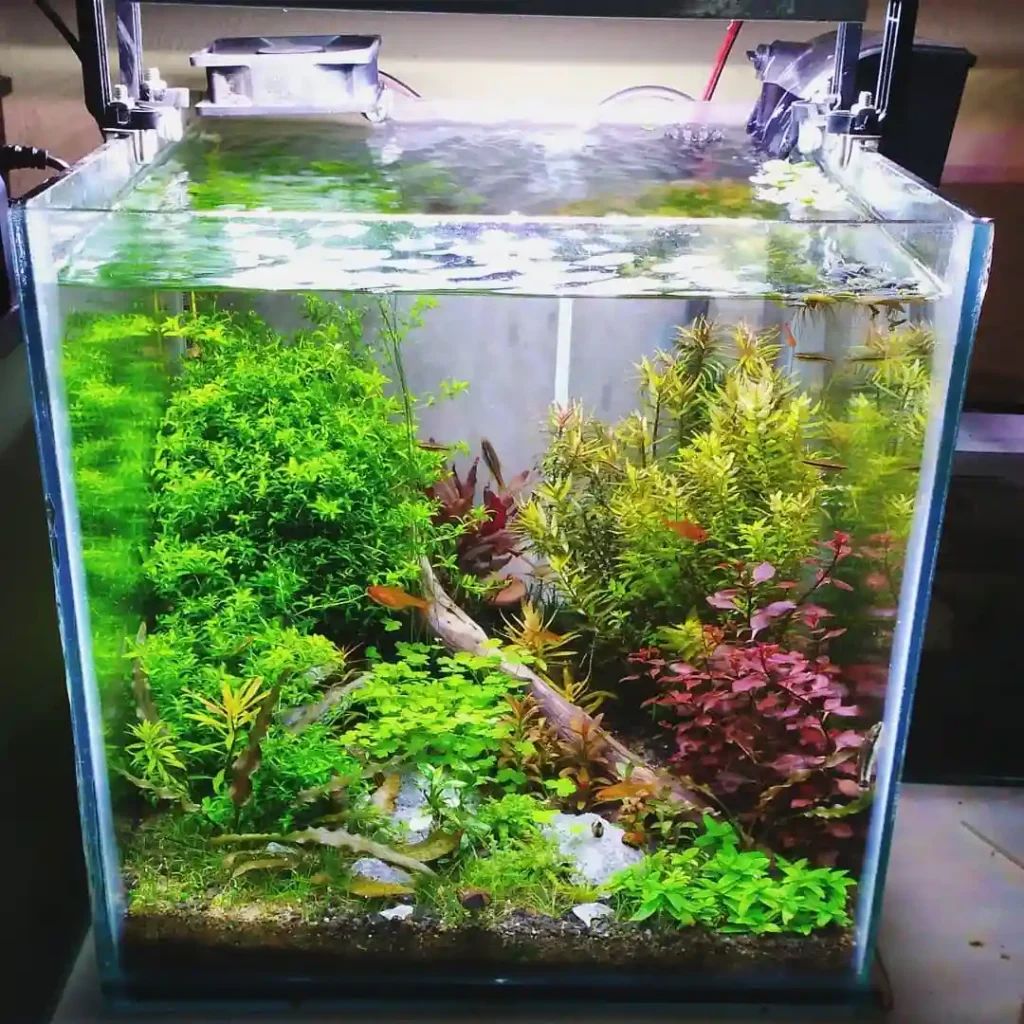
The nitrogen cycle is the natural process that removes toxic waste from aquarium water. It happens in three clear stages.
Ammonia Stage
Ammonia appears first. It comes from fish waste, leftover food, and decaying organic matter. Even small amounts of ammonia are dangerous to fish.
Nitrite Stage
Beneficial bacteria convert ammonia into nitrite. Nitrite is still toxic and interferes with a fish’s ability to absorb oxygen.
Nitrate Stage
A second group of beneficial bacteria converts nitrite into nitrate. Nitrate is much safer and is controlled through regular water changes.
Once your tank can consistently turn ammonia into nitrate, it is considered cycled.
Where Beneficial Bacteria Actually Live
Most beneficial bacteria live inside the filter media, not floating freely in the water. Smaller colonies also live on gravel, decorations, and tank surfaces. This is why cleaning filters incorrectly can disrupt cycling.
What Starts the Aquarium Cycling Process
Cycling does not begin automatically just because water is added. Beneficial bacteria only grow when a waste source exists.
Ammonia must be present for bacteria to develop. Without ammonia, there is nothing for the bacteria to consume, and the cycle cannot begin. This is why brand-new tanks with no waste remain biologically empty.
Understanding this point helps beginners avoid confusion and false expectations during cycling.
Fishless Cycling vs Fish-In Cycling (Overview Only)
There are two common ways to cycle an aquarium. This section provides a simple overview without step-by-step instructions.
Fishless Cycling
- No fish are added during cycling
- Ammonia is introduced using fish food or bottled ammonia
- Slower but far safer
- Strongly recommended for beginners
Fish-In Cycling
- Fish are present while the tank cycles
- Requires frequent water testing and water changes
- Higher risk if mistakes are made
For beginners, fishless cycling is generally safer and far less stressful for both fish and owner.
Related article: Fishless cycling vs fish-in cycling: which is safer for beginners
How Long Aquarium Cycling Takes
Aquarium cycling does not happen overnight. Most tanks take several weeks to fully cycle.
Typical timelines:
- Fishless cycling: about 3–6 weeks
- Fish-in cycling: often 4–8 weeks
- Bottled bacteria may help, but results vary
Cycling speed depends on:
- Water temperature
- Filter type and flow
- Amount of waste
- Bacteria source
Trying to rush the process often leads to unstable water and long-term problems.
Aquarium Cycling and Water Testing (Overview)
Water testing is the only reliable way to track cycling progress. You cannot see ammonia or nitrite, even when levels are dangerous.
During cycling, testing shows:
- When ammonia appears
- When nitrite spikes
- When nitrate begins to form
- When the tank stabilizes
Testing confirms progress, prevents guesswork, and helps protect fish.
Common Beginner Mistakes During Aquarium Cycling
Many cycling problems come from simple misunderstandings.
Adding Fish Too Early
Fish should not be added until the tank can safely process waste.
Not Testing the Water
Clear water does not mean safe water. Testing is essential.
Overfeeding
Extra food increases ammonia and slows the cycle.
Cleaning Filter Media Too Early
Washing filter media can remove beneficial bacteria and reset progress.
Confusing Cloudy Water With Cycling
Cloudy water does not indicate a cycled tank. Cycling is biological, not visual.
When an Aquarium Is Safe for Fish
A tank is considered safe for fish when:
- Ammonia reads 0 ppm
- Nitrite reads 0 ppm
- Nitrate is present
These readings should remain stable for several days. Even after cycling, fish should be added gradually so the bacteria can adjust to increased waste.
What Cycling Does NOT Do
Cycling is essential, but it does not solve every aquarium issue.
Cycling does not:
- Prevent all fish diseases
- Eliminate the need for water changes
- Make tanks maintenance-free
- Instantly stabilize poor stocking decisions
Understanding these limits helps set realistic expectations.
What to Do After Your Tank Is Cycled
After cycling:
- Add fish slowly
- Feed lightly at first
- Continue weekly testing
- Perform regular water changes
Cycling builds the foundation, but maintenance keeps the tank healthy long-term.
Aquarium Cycling Guides (Helpful Resources)
Use these guides for deeper learning:
- Fishless cycling vs fish-in cycling: which is safer for beginners
- Nitrogen cycle explained in detail
Each guide focuses on one topic without repeating this overview.
FAQs
Can I cycle an aquarium without fish?
Yes. Fishless cycling is one of the safest and most recommended methods.
Does cloudy water mean my tank is cycled?
No. Only water testing can confirm cycling.
Can plants help with cycling?
Plants absorb some waste but do not replace beneficial bacteria.
Is bottled bacteria required?
No, but it may help speed up the process in some cases.
Can cycling fail?
Yes. Beneficial bacteria can die due to chemicals, temperature swings, or lack of ammonia.
How many fish should I add after cycling?
After cycling, add fish slowly. Most beginners should start with 1–2 small fish or about 25–30% of the planned stock. This allows beneficial bacteria to adjust to increased waste without causing ammonia spikes.
How do I know when my aquarium is fully cycled?
An aquarium is fully cycled when ammonia and nitrite both read 0 ppm and nitrate is present. These readings should stay stable for several days, even after waste is introduced. Water testing is the only reliable way to confirm cycling.
Final Thoughts
Aquarium cycling is not optional it is the foundation of a healthy fish tank. Once you understand how cycling works, aquarium care becomes calmer, easier, and more predictable. Taking the time to cycle properly prevents fish loss and frustration later.