If you’re thinking about adding tank mates to a blue crayfish aquarium, you need to plan carefully. Blue crayfish look calm during the day, but they act very differently at night. They hunt, explore, and grab anything slow enough to catch.
Can they live with fish? Yes, sometimes. But only if you choose the right species and design the tank the right way. Let’s break this down clearly so you don’t lose fish.
Can Blue Crayfish Live With Other Fish?
Yes, but it’s risky.
Blue crayfish will eat fish if they can catch them. They do best with fast, mid-to-top swimmers in larger tanks (30–40 gallons minimum). Slow fish, bottom dwellers, shrimp, and snails usually become food.
If you want zero risk, keep them alone.
Blue Crayfish Behavior First
Before picking tank mates, you need to understand how they behave.
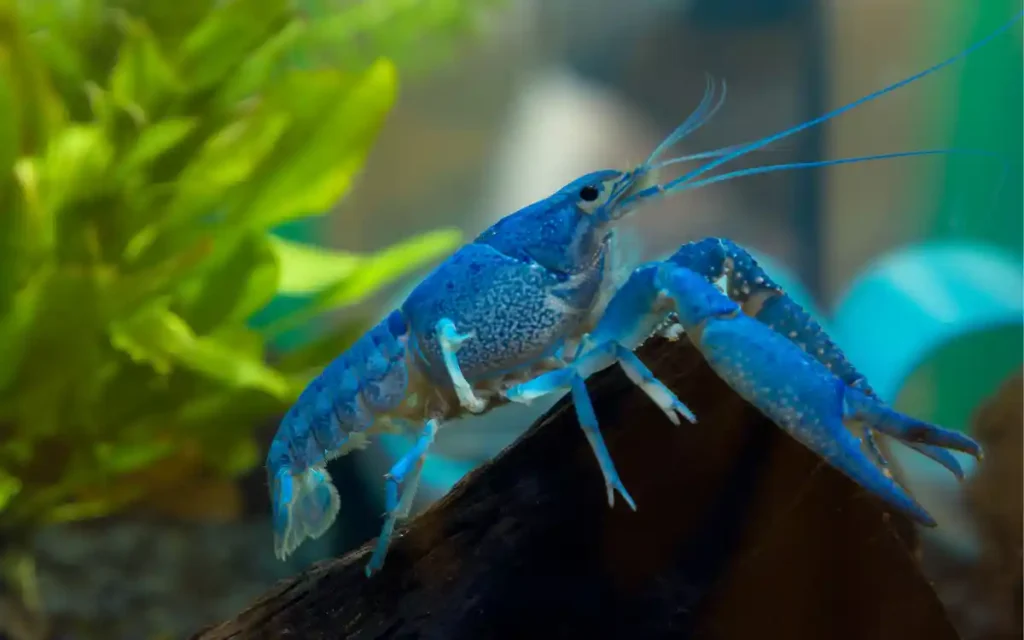
They Are Territorial
Blue crayfish claim the bottom of the tank. They defend caves, rocks, and shaded areas. If another fish hangs around their space, they snap at it.
During molting, they become even more sensitive. They hide and attack anything that comes too close.
They Hunt at Night
Many beginners miss this part. Blue crayfish stay more active after lights go off. While fish rest, crayfish move slowly across the bottom and grab sleeping fish.
That’s how most “mystery disappearances” happen.
Yes, They Eat Fish
They are opportunistic feeders. If a fish is sick, slow, or sleeping near the bottom, the crayfish will catch it.
This doesn’t mean they chase healthy fast fish all day. But if the chance appears, they take it.
If you want full behavior and care details, link readers to your Blue Crayfish Care Guide on OceanBitez.
Tank Setup That Reduces Aggression
You cannot control instinct, but you can control the setup.
Tank Size
Use at least:
- 30 gallons for one crayfish with fish
- 40+ gallons for better success
- 55+ gallons for advanced community setups
More space reduces conflict.
Create Clear Territories
Add:
- Rock caves
- PVC tunnels
- Driftwood
- Dense plants
Give the crayfish its own bottom zone. Keep open swimming space above.
Use Smart Layout Design
Place decor in a way that blocks direct sight lines. Break up the tank visually. This lowers stress and reduces attacks.
Sand works better than sharp gravel because crayfish like to dig.
Best Tank Mates for Blue Crayfish (Lower Risk Options)
No fish is 100% safe. But these work better than others.
Fast Mid-to-Top Swimmers
- Zebra Danios
- Giant Danios
- Buenos Aires Tetras
These fish move quickly and stay away from the bottom. Speed protects them.
Active Schooling Fish
- Larger Tetras
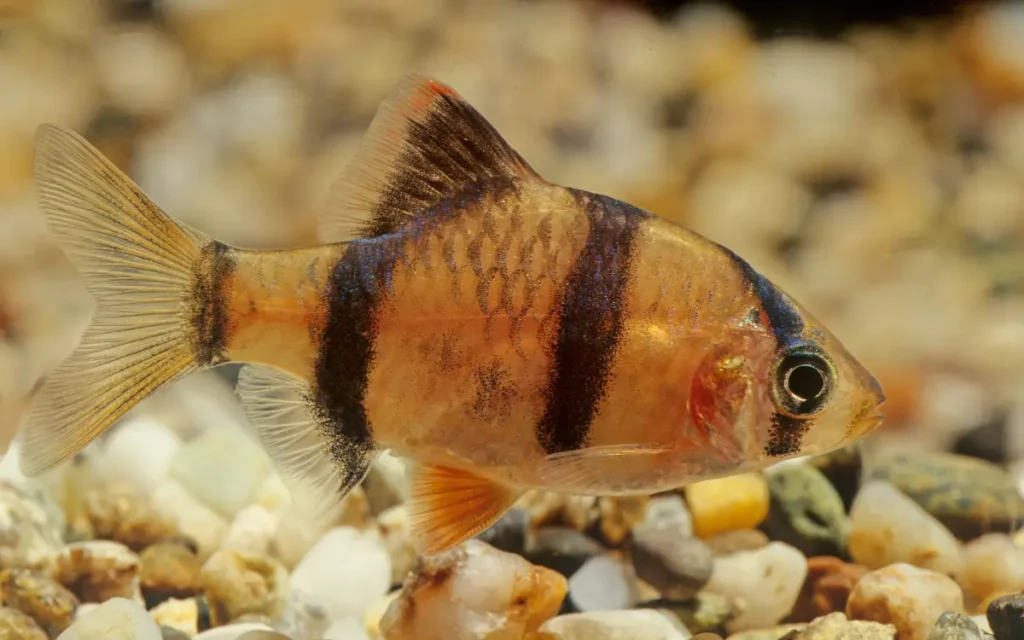
- Some Barbs
- Rainbowfish
They stay in groups and remain alert. Avoid long-finned varieties.
Fish That Rarely Rest on the Bottom
Choose species that sleep midwater or near the surface.
Here’s a quick comparison:
Fish TypeRisk LevelWhy It WorksTank SizeZebra DaniosLowFast swimmers30+ galRainbowfishMedium-LowMidwater activity40+ galBarbsMediumActive, alert40+ galCorydorasHighBottom dwellersNot recommendedGuppiesHighSlow, long finsNot recommended
You can link here to your Freshwater Aquarium Fish category for species details.
Tank Mates to Avoid (They Will Eat These)
Be realistic here.
Slow Fish
- Betta
- Angelfish
- Fancy Guppies
Long fins attract nipping. Slow swimming makes them easy targets.
Bottom Dwellers
- Corydoras
- Loaches
- Plecos
They share the same territory. Conflict happens quickly.
Shrimp and Snails
Blue crayfish eat shrimp. They crush snails. Don’t expect peaceful coexistence.
If you want shrimp, keep them in a separate tank.
Can You Keep Two Blue Crayfish Together?
You can, but only in large tanks.
Use:
- 55 gallons or more
- Multiple caves
- Strong filtration
Even then, fights can happen. Males especially clash over territory. Beginners should avoid keeping pairs.
What Do Blue Crayfish Eat?
Understanding diet helps reduce aggression.
Blue crayfish eat:
- Sinking pellets
- Algae wafers
- Blanched vegetables (zucchini, spinach)
- Fish flakes that fall to the bottom
- Dead fish (they are scavengers)
- Live fish if they catch them
- Shrimp and snails
Feed them regularly. A hungry crayfish hunts more aggressively.
Drop food near their cave in the evening. That keeps them occupied while fish settle.
You can internally link this section to a Fish Feeding Guide or Freshwater Invertebrate Diet post on OceanBitez.
Community Tank vs Species Tank
Let’s be honest.
If you want a peaceful display tank, choose a species-only setup.
If you enjoy experimenting and understand the risks, you can try a carefully planned community tank.
For beginners, I strongly recommend keeping one blue crayfish alone in a 30–40 gallon tank. You’ll avoid stress, missing fish, and frustration.
Frequently Asked Questions
Can blue crayfish live with guppies?
Not safely. Guppies swim slowly and have long fins. The crayfish will eventually catch them.
Are blue crayfish aggressive?
Yes, especially at night and during molting. They defend territory and grab food quickly.
Can crayfish live with cichlids?
Sometimes with fast, semi-aggressive cichlids in large tanks. But fights can happen from both sides.
Do blue crayfish eat plants?
Yes. They nibble soft plants. Use hardy species like Java fern or attach plants to wood.
What is the safest fish to keep with blue crayfish?
Fast danios in a large tank give the best chance of success.
Final Thoughts
Blue crayfish are fascinating and active. But they are not peaceful community pets. They eat what they can catch. They defend territory. They act differently at night.
If you plan carefully, choose fast fish, and provide enough space, you can reduce problems.
If you want zero stress, keep them alone.
For more freshwater fish and invertebrate guides, explore OceanBitez.com and plan your tank the smart way.