
CO2 for Planted Aquariums: Beginner Guide

Many aquarists eventually reach a point where they want faster plant growth, brighter colors, or a lush green carpet covering the substrate. That’s usually when they begin hearing about CO2 systems.
Unfortunately, CO2 can sound complicated. New hobbyists often see regulators, cylinders, diffusers, and drop checkers and assume planted aquariums require expensive equipment. The reality is much simpler.
Many aquarium plants grow perfectly well without injected CO2. However, certain plants perform dramatically better when extra carbon dioxide is available. Understanding when CO2 is useful and when it is unnecessary can save both money and frustration.
This guide explains everything beginners need to know about CO2 in planted aquariums.
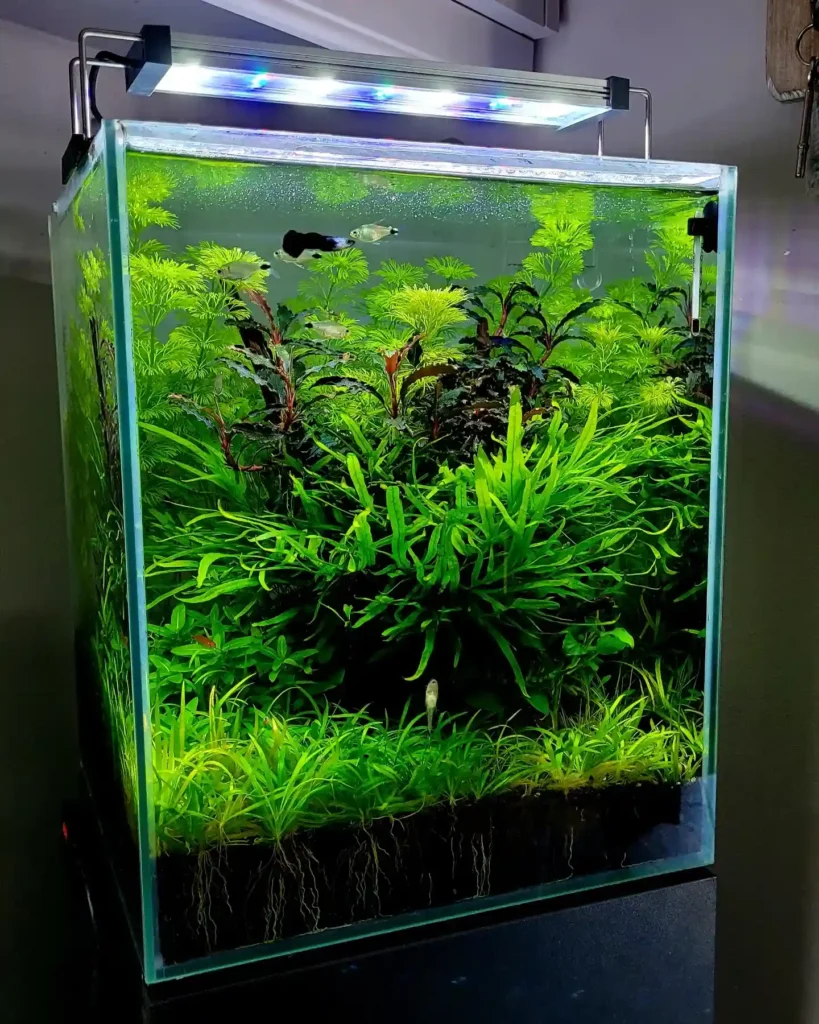
What Is CO2 in a Planted Aquarium?
CO2 stands for carbon dioxide, a gas naturally present in every aquarium.
Fish produce carbon dioxide through respiration. Beneficial bacteria and decaying organic matter also contribute small amounts. Aquarium plants use this carbon dioxide during photosynthesis to create energy and grow.
Think of plant growth as a simple equation.
Plants need:
- Light
- Nutrients
- Carbon dioxide
If one of these elements is missing, plant growth slows down regardless of how much of the other two are available.
In low-tech aquariums, naturally occurring CO2 is often enough for easy plants. In more demanding planted tanks, additional CO2 can significantly improve growth.
Do Aquarium Plants Need CO2?
All aquarium plants use carbon dioxide, but not all aquariums require injected CO2.
Many beginner-friendly plants grow successfully without any special equipment. Species such as Java Fern, Anubias, Java Moss, Hornwort, and Vallisneria can thrive in low-tech setups for years.
More demanding species often struggle without supplemental CO2. Plants like Monte Carlo, Dwarf Baby Tears, and many red stem plants generally grow better when additional carbon dioxide is available.
For example, a healthy Java Fern can grow in a basic community aquarium with no CO2 system at all. On the other hand, creating a dense Monte Carlo carpet becomes much easier when CO2 is added.
The type of plants you want to grow should determine whether you invest in CO2.
Low-Tech vs High-Tech Planted Tanks
One of the easiest ways to understand CO2 is by comparing low-tech and high-tech aquariums.
| Setup Type | CO2 Required | Suitable For |
| Low-Tech | No | Beginner plants |
| Medium-Tech | Optional | Mixed planted tanks |
| High-Tech | Yes | Carpets and advanced aquascapes |
Low-tech tanks focus on easy plants and simple maintenance.
High-tech aquariums use stronger lighting, nutrient dosing, and CO2 injection to maximize plant growth and coloration.
Neither approach is better. The right choice depends on your goals.
Benefits of Adding CO2
The biggest reason hobbyists add CO2 is improved plant growth.
When carbon dioxide becomes readily available, plants can photosynthesize more efficiently. This often leads to faster development, healthier leaves, and stronger root systems.
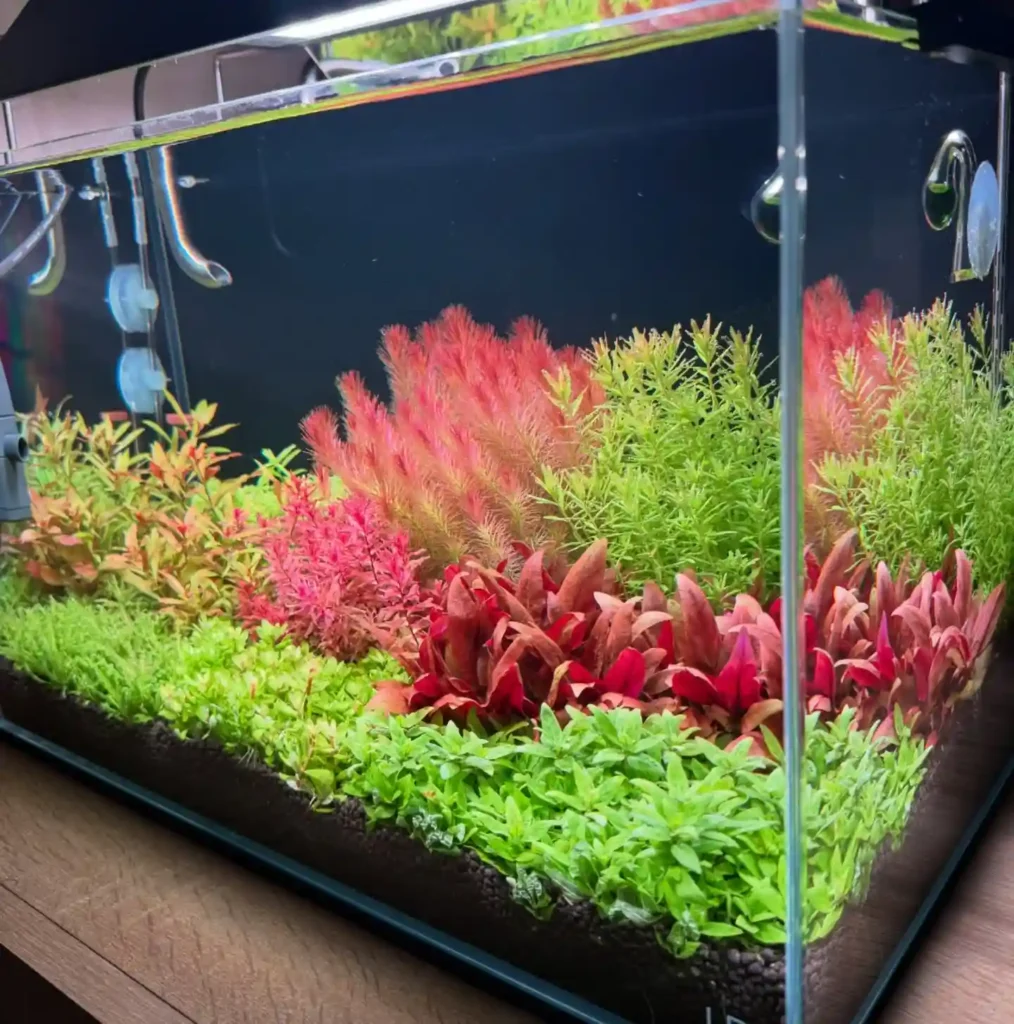
Many carpeting plants that struggle in low-tech setups spread much more aggressively when CO2 is present. Red plants often develop richer colors, and stem plants become fuller and bushier.
Another benefit is that healthy plant growth can help compete against algae. While CO2 does not directly kill algae, vigorous plants use nutrients more effectively and reduce opportunities for algae to take hold.
When You Should Skip CO2
Beginners sometimes assume they need CO2 immediately.
In reality, many aquariums do not require it.
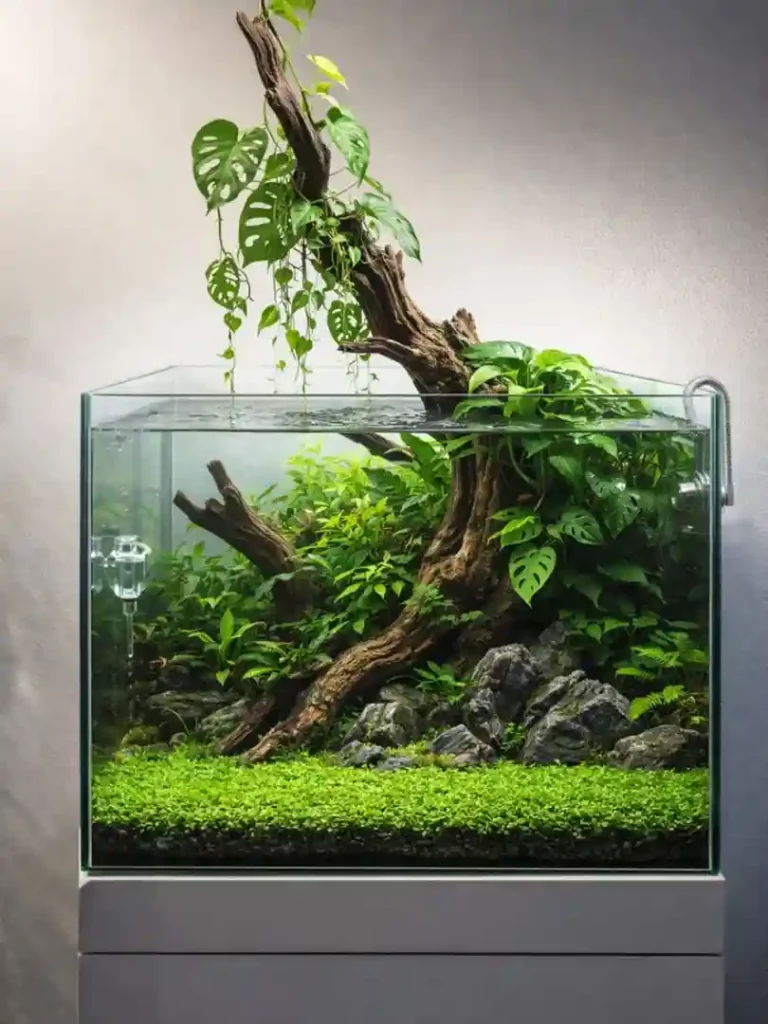
If your tank contains mainly beginner plants and you are happy with moderate growth, adding CO2 may not be necessary.
You should also avoid rushing into CO2 if:
- Your aquarium is newly set up.
- You do not regularly test water parameters.
- You struggle with basic maintenance.
- Your lighting and fertilization are inconsistent.
A healthy low-tech aquarium is often a better starting point than a poorly managed high-tech aquarium.
Types of Aquarium CO2 Systems
Several methods exist for adding carbon dioxide to an aquarium.
Pressurized CO2 Systems
This is the most reliable option.
A pressurized system uses a CO2 cylinder, regulator, tubing, and diffuser to deliver controlled amounts of carbon dioxide.
Although the initial cost is higher, most experienced aquarists consider it the best long-term solution.
DIY CO2 Systems
DIY systems typically use yeast and sugar to produce carbon dioxide.
They are inexpensive but often provide inconsistent results. Output can fluctuate significantly, making them difficult to manage in larger aquariums.
Liquid Carbon
Liquid carbon products are frequently marketed as CO2 alternatives.
While they may help some plants, they are not true replacements for a pressurized CO2 system. Hobbyists should view them as supplements rather than substitutes.
CO2 Equipment You’ll Need
A basic pressurized setup usually includes several components working together.
The cylinder stores carbon dioxide, while the regulator controls how much enters the aquarium. A diffuser breaks the gas into tiny bubbles that dissolve into the water.
Most systems also include a bubble counter, check valve, timer, and drop checker.
Each piece serves a specific purpose, but beginners do not need the most expensive equipment to get started successfully.
How Much CO2 Does a Planted Tank Need?
Most planted aquariums target around 20 to 30 ppm of dissolved CO2.
The exact number is less important than consistency.
Adding too little may not produce noticeable results. Adding too much can stress fish and shrimp.
Beginners should increase CO2 gradually while closely observing livestock behavior.
Fish are often the best indicators that something is wrong.
When Should CO2 Turn On and Off?
Plants do not use carbon dioxide when the lights are off.
For this reason, most aquarists run CO2 only during the photoperiod.
A common schedule is:
- CO2 on 1–2 hours before lights turn on
- CO2 off 1 hour before lights turn off
Using a timer makes this process automatic and prevents mistakes.
CO2, Lighting, and Fertilizers Must Work Together
One of the most important lessons in planted tank keeping is that CO2 does not work alone.
If you increase lighting without increasing CO2 and nutrients, algae often appear.
Likewise, adding CO2 without supplying adequate nutrients can limit plant growth.
Think of lighting, nutrients, and CO2 as a three-legged stool. If one leg is missing, the system becomes unstable.
Balance matters more than maximizing any single factor.
Signs of Too Much CO2
Excess carbon dioxide can stress aquarium inhabitants.
Fish often show warning signs before serious problems develop.
Watch for:
- Gasping at the surface
- Rapid breathing
- Unusual hiding behavior
- Shrimp becoming inactive
- Fish gathering near filter outlets
If these symptoms appear, increase surface agitation and reduce CO2 immediately.
Signs Your Plants Need More CO2
Plants often provide clues when carbon dioxide is insufficient.
Slow growth, poor coloration, and weak carpeting behavior can all indicate limited CO2 availability.
Many hobbyists first notice problems when carpeting plants begin growing upward instead of spreading horizontally.
Red plants may also lose color and become greener than expected.
Common CO2 Mistakes
Most beginner problems come from trying to make changes too quickly.
Starting with excessive CO2, using powerful lighting without enough nutrients, and failing to monitor livestock are among the most common errors.
Another frequent mistake is believing CO2 alone solves algae problems. Healthy planted aquariums depend on balance rather than any single piece of equipment.
Patience usually produces better results than aggressive adjustments.
Is CO2 Worth It for Beginners?
The answer depends on your goals.
If you want a simple aquarium filled with easy plants, CO2 is often unnecessary. Many beautiful tanks thrive without it.
However, if you dream of lush carpets, vibrant red plants, and advanced aquascapes, a CO2 system can make those goals much easier to achieve.
For many hobbyists, CO2 becomes the upgrade that transforms a planted tank from good to exceptional.
Best Plants for No-CO2 Aquariums
Several plants perform extremely well without injected CO2.
Java Fern, Anubias, Hornwort, Java Moss, Water Wisteria, and Vallisneria are excellent choices for low-tech aquariums.
These species remain popular because they are attractive, forgiving, and easy to maintain.
Best Plants for CO2 Aquariums
While many plants appreciate additional carbon dioxide, some benefit more than others.
Popular choices include Monte Carlo, Dwarf Baby Tears, Rotala, Ludwigia, Glossostigma, and Staurogyne Repens.
These plants often show faster growth, stronger colors, and denser coverage when CO2 is available.
Frequently Asked Questions
Do aquarium plants need CO2?
All plants use CO2, but many beginner-friendly species grow successfully without injected carbon dioxide.
Can too much CO2 kill fish?
Yes. Excessive CO2 can reduce available oxygen and stress or kill aquarium livestock.
Is liquid carbon the same as CO2 injection?
No. Liquid carbon products are not true replacements for pressurized CO2 systems.
Should CO2 run at night?
No. Most aquarists turn CO2 off before lights go out because plants stop using it in darkness.
Can I grow Monte Carlo without CO2?
Yes, but growth is usually slower and carpeting takes much longer to achieve.
Does CO2 prevent algae?
Not directly. Healthy plant growth supported by balanced CO2 can help reduce algae competition.
