
Can Guppies Live With Shrimp?

Keeping guppies with shrimp sounds easy at first. Both are small, colorful, and popular in beginner aquariums. Many fish stores even suggest them together.
But this mix is not always as simple as it looks.
Adult shrimp can often survive with guppies, but baby shrimp are at risk. Guppies are peaceful fish, but they are still curious feeders. If a tiny shrimp fits in a guppy’s mouth, there is a good chance the guppy will try to eat it.
This guide explains what works, what fails, and how to set up a guppy and shrimp tank with realistic expectations.
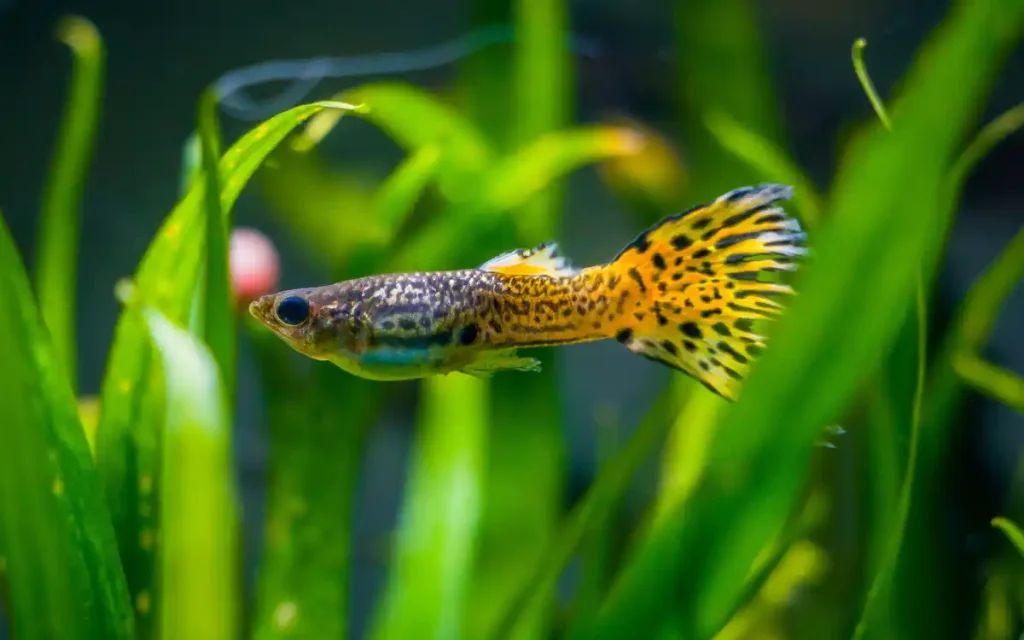
Quick Answer: Can Guppies Live With Shrimp?
Yes, guppies can live with adult shrimp, especially adult cherry shrimp and Amano shrimp. But baby shrimp are often eaten.
This setup works best in a planted tank of 15 gallons or larger, with moss, hiding places, and enough food for both guppies and shrimp.
If your goal is to breed shrimp and grow a large shrimp colony, guppies are not the best tank mates. A shrimp-only tank is much safer.
| Your Goal | Should You Keep Guppies With Shrimp? |
| Keep adult shrimp in a guppy tank | Yes, with cover |
| Breed lots of shrimp | No |
| Keep Amano shrimp for algae control | Yes |
| Use a tank under 10 gallons | No |
| Keep cherry shrimp in a planted 15+ gallon tank | Possible |
| Want a low-risk beginner setup | No |
| Want shrimp-only breeding | Use a shrimp-only tank |
Will Guppies Eat Shrimp?
Guppies usually do not eat healthy adult cherry shrimp or adult Amano shrimp, but they can eat baby shrimp.
A full-grown cherry shrimp is often too large for most guppies to swallow. Amano shrimp are even larger, so they are usually safer with guppies.
Baby shrimp are different. They are tiny, soft, and quick-moving. To a guppy, they look like food.
Even well-fed guppies may still chase or eat baby shrimp if they find them. This is normal fish behavior, not aggression.
The real question is not just “Will guppies eat shrimp?” The better question is: “Will enough shrimp survive in this setup?”
Why Guppies and Shrimp Can Be a Risky Mix
Guppies are active fish. They swim around all day, inspect plants, pick at surfaces, and investigate movement.
Shrimp are also active, but they spend more time grazing on surfaces and hiding around plants, moss, and hardscape. When the tank is open, shrimp have fewer safe places to escape guppy attention.
Problems usually happen for four reasons.
First, guppies eat baby shrimp. Shrimp fry are small enough to be eaten, and guppies will take the chance if they find them.
Second, guppies are fast feeders. They often reach food before shrimp do, especially in open tanks.
Third, beginners use tanks that are too small or too bare. In small tanks, shrimp and guppies are forced to interact constantly.
Fourth, people expect shrimp to breed normally in a guppy tank. That expectation usually leads to disappointment.
A guppy and shrimp tank can work, but it needs the right setup.
What Works: Guppies With Adult Cherry Shrimp
Adult cherry shrimp are the most common shrimp people try with guppies.
This can work if the shrimp are fully grown, the tank is planted, and the guppies are not overly aggressive. Most guppies will ignore adult cherry shrimp after the first few curious checks.
Cherry shrimp are hardy, colorful, and easy to find. They also adapt well to many beginner tanks.
The problem is breeding. Adult cherry shrimp may survive, but baby shrimp often disappear unless the tank has heavy plant cover.
So if you only want a few adult shrimp in the tank, cherry shrimp can work. If you want a growing shrimp colony, this setup is risky.
For more compatibility ideas, read our guide on guppy tank mates.
What Works Best: Guppies With Amano Shrimp
Amano shrimp are one of the safest shrimp choices for guppy tanks.
They are larger than cherry shrimp, strong, active, and too big for most guppies to eat. They also do a good job picking at algae and leftover food.
Amano shrimp are a good option if you want shrimp for cleanup and activity, not breeding.
The main downside is that Amano shrimp do not breed in normal freshwater aquariums. Their young need special conditions to survive, so you should not expect a growing colony.
They are also more expensive than cherry shrimp in many stores.
My opinion: if your goal is a guppy tank with shrimp that are likely to survive, Amano shrimp are the better choice. If your goal is a shrimp colony, keep shrimp without guppies.
What Works: Heavily Planted Tanks
Plant density is the biggest factor in whether guppies and shrimp work together.
In a bare tank, shrimp are exposed. Guppies can see them easily, follow them, and pick off baby shrimp.
In a planted tank, shrimp have escape routes. Plants break the line of sight and give shrimp places to graze, molt, and hide.
The best plants and cover include:
- Java Moss
- Guppy Grass
- Hornwort
- Water Sprite
- Floating plants with roots
- Driftwood
- Rock piles
- Shrimp caves
Moss is especially helpful because baby shrimp can hide inside it. Guppies may still catch some, but more babies have a chance to survive.
If you are building a planted guppy tank, our guide on plants for guppies can help you choose beginner-friendly plants.
What Works: Larger Tanks
Tank size matters more than many beginners think.
A 5-gallon tank with guppies and shrimp is usually too cramped. Guppies are active, shrimp need hiding space, and water quality can change quickly in small tanks.
Better results usually happen in tanks of 15 gallons or more.
A larger tank gives you room to create zones. Guppies can swim in open areas, while shrimp can stay near plants, moss, and hardscape.
A long tank is better than a tall tank because it gives more horizontal swimming room and more floor space for shrimp.
If you only have a nano tank, shrimp-only is usually the safer setup. You can read more in our guide to shrimp for nano tanks.
What Fails: Nano Tanks With Guppies and Shrimp
Nano tanks are one of the worst setups for mixing guppies and shrimp.
In a small tank, shrimp cannot get away from guppies. There is less space for plants, fewer hiding zones, and faster water quality swings.
This can lead to stress, failed shrimp molts, poor feeding, and baby shrimp losses.
A nano tank can be great for shrimp alone. It can also work for a carefully planned small fish setup. But mixing guppies and shrimp in a tiny tank is not the best beginner choice.
If your tank is under 10 gallons, I would choose shrimp-only or a better small-tank fish plan instead.
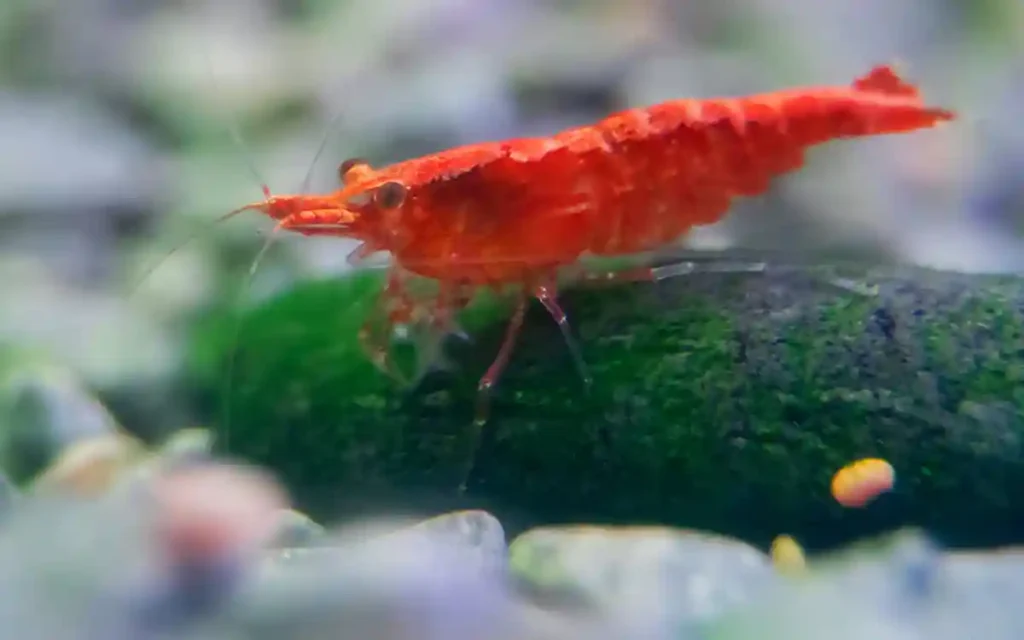
What Fails: Expecting Shrimp to Breed Freely
This is the most common mistake.
Many beginners add cherry shrimp to a guppy tank and expect the shrimp colony to grow. Then they wonder why they never see baby shrimp.
The reason is simple: guppies eat baby shrimp.
Some baby shrimp may survive in a heavily planted tank, but most will not. In a normal open tank, they are usually eaten quickly.
If you want shrimp breeding, do not use guppies as tank mates. Use a shrimp-only tank with moss, sponge filtration, stable water, and gentle feeding.
For shrimp-focused planning, read our cherry shrimp tank mates guide.
What Fails: Bare Tanks
Bare tanks are bad for shrimp when guppies are present.
A tank with open gravel, one decoration, and no plant cover gives shrimp nowhere to hide. Adult shrimp may survive, but they will stay stressed and exposed. Baby shrimp have almost no chance.
A mixed guppy and shrimp tank needs cover near the bottom. Floating plants help, but shrimp also need hiding places around the substrate and hardscape.
The safest layout has open swimming space for guppies and dense planted areas for shrimp.
What Fails: Poor Feeding Balance
Feeding is tricky in a guppy and shrimp tank.
If you feed too little, guppies usually get the food first and shrimp may not get enough.
If you feed too much, leftover food pollutes the water and can cause algae, ammonia problems, and shrimp stress.
The best approach is controlled feeding.
Feed guppies first in open water. Then place a small shrimp food piece under plants, near moss, or inside a shrimp-safe area. This gives shrimp time to eat without constant guppy competition.
Remove leftover food if it sits too long.
Best Shrimp for Guppy Tanks
Not all shrimp are equally safe with guppies.
Some shrimp are hardy and large enough to handle guppy tanks. Others are too small, too sensitive, or too likely to be stressed.
| Shrimp Type | Works With Guppies? | Notes |
| Amano Shrimp | Yes | Best for survival, does not breed in freshwater |
| Adult Cherry Shrimp | Possible | Adults often survive, babies are at risk |
| Ghost Shrimp | Risky | Quality varies, some may be weak or aggressive |
| Bee Shrimp | No | Too sensitive for most guppy community tanks |
| Baby Shrimp | No | Very likely to be eaten |
Cherry Shrimp With Guppies
Cherry shrimp can live with guppies, but this setup works best when you understand the trade-off.
Adult cherry shrimp are usually large enough to survive. Baby cherry shrimp are not.
If you add cherry shrimp to a guppy tank, start with adult shrimp instead of tiny juveniles. Add them to a mature, planted tank with moss and hiding places.
Do not expect the colony to grow quickly. In many guppy tanks, shrimp numbers stay the same or slowly decline over time.
This setup is best for display, not breeding.
Amano Shrimp With Guppies
Amano shrimp are usually the best shrimp for guppy tanks.
They are larger than cherry shrimp, strong enough to avoid most guppy attention, and useful for cleaning algae and leftover food.
Guppies may inspect them at first, but adult Amano shrimp are usually too large to be eaten.
The only downside is breeding. Amano shrimp do not create a freshwater colony like cherry shrimp. If you want baby shrimp, Amanos are not the right choice.
But if you want shrimp that can live safely with guppies, Amano shrimp are the strongest pick.
Shrimp to Avoid With Guppies
Avoid delicate shrimp species in guppy tanks.
Bee shrimp, crystal red shrimp, and other sensitive Caridina shrimp are not ideal. They usually need more stable water and calmer setups than an active guppy tank provides.
Very small shrimp are also risky because guppies may eat or harass them.
Ghost shrimp can be hit or miss. Some are fine, but many are sold in poor condition. Some larger ghost shrimp may also be pushy at feeding time.
For beginners, stick with adult cherry shrimp or Amano shrimp.
Best Tank Setup for Guppies and Shrimp
A good guppy and shrimp tank should have swimming space, hiding places, stable water, and gentle feeding zones.
Tank Size
Use at least 15 gallons if possible. A 20-gallon long tank is even better.
This gives guppies room to swim and shrimp space to hide.
Plants
Use dense planting near the bottom and sides of the tank.
Java Moss, Guppy Grass, Hornwort, Water Sprite, and floating plants can all help. Moss is one of the best choices for baby shrimp protection.
Filter
Use a sponge filter or cover the filter intake with a pre-filter sponge.
Shrimp, especially babies, can get pulled into uncovered filter intakes. Sponge filters are safer and also provide a grazing surface for shrimp.
Hardscape
Use driftwood, small caves, rock piles, or leaf litter-style hiding spots.
The goal is to create places where shrimp can move without being seen all the time.
Feeding Area
Feed shrimp in protected areas, not in the open middle of the tank.
This helps them eat without guppies stealing everything immediately.
How to Add Shrimp to a Guppy Tank
The safest method is to add shrimp before guppies.
When shrimp go in first, they can learn the tank, find hiding places, and settle before fish are added.
If guppies are already in the tank, add shrimp carefully. Choose adult shrimp, turn off bright lights, and place them near plants or hardscape.
Do not drop tiny shrimp into an open guppy tank and expect them to survive.
Also avoid adding shrimp right after a major water change or tank cleaning. Shrimp do better when the tank is stable.
Should Beginners Keep Guppies With Shrimp?
For most beginners, I would not recommend guppies with shrimp as a first setup.
It can work, but it is not the easiest mix. Beginners often expect shrimp to breed, then become frustrated when baby shrimp disappear.
It is also harder to balance feeding and plant cover when you are still learning water quality.
If you want guppies as the main focus, keep guppies with suitable fish or adult Amano shrimp.
If you want shrimp as the main focus, make a shrimp-only tank.
That is the cleaner choice.
When Guppies and Shrimp Make Sense Together
Guppies and shrimp can make sense if your expectations are realistic.
This mix can work if you accept that baby shrimp may not survive, you choose adult shrimp, and you have a planted tank with cover.
It also makes sense if you want Amano shrimp for algae control and are not trying to breed shrimp.
A guppy and shrimp tank should be treated as a mixed display tank, not a shrimp breeding project.
Guppies With Shrimp: What Works and What Fails
| Setup Choice | Result |
| Adult Amano shrimp with guppies | Usually works well |
| Adult cherry shrimp with guppies | Can work in planted tanks |
| Baby shrimp with guppies | Usually fails |
| Bare tank | High shrimp risk |
| Heavily planted tank | Better survival |
| Tank under 10 gallons | Not recommended |
| 15–20 gallon planted tank | Much better |
| Shrimp breeding goal | Use shrimp-only tank |
| Feeding shrimp in open water | Guppies steal food |
| Feeding shrimp near moss or caves | Better chance for shrimp |
Common Problems and Fixes
My Guppies Are Eating Baby Shrimp
This is normal. Add more moss and hiding places, but understand that some losses will still happen.
If breeding shrimp is your goal, move the shrimp to a shrimp-only tank.
My Shrimp Are Hiding All the Time
Shrimp hide when they feel exposed or stressed.
Add more plants, moss, driftwood, and shaded areas. Also make sure guppies are not constantly chasing them.
My Shrimp Are Not Getting Food
Guppies are faster feeders.
Feed guppies first, then target-feed shrimp under cover. Use small shrimp foods that sink into planted areas.
My Shrimp Colony Is Not Growing
In a guppy tank, baby shrimp are usually eaten.
This does not always mean your water is bad. It may simply mean the guppies are finding the babies before they grow.
My Guppies Keep Picking at Shrimp
Some picking is curiosity. Constant chasing is a problem.
Add more cover or move the shrimp. If one guppy is especially pushy, it may not be a good shrimp tank mate.
FAQs
Can guppies live with shrimp?
Yes, guppies can live with adult shrimp in the right setup. Adult cherry shrimp and Amano shrimp are the best options. Baby shrimp are at risk.
Will guppies eat adult shrimp?
Most guppies do not eat healthy adult cherry shrimp or Amano shrimp, but they may inspect, nip, or chase them.
Will guppies eat baby shrimp?
Yes, guppies will usually eat baby shrimp if they find them. Baby shrimp survival is low unless the tank is heavily planted.
What shrimp are best with guppies?
Amano shrimp are the safest choice because they are larger. Adult cherry shrimp can also work in planted tanks.
Can cherry shrimp breed with guppies in the tank?
Cherry shrimp may breed, but most baby shrimp are likely to be eaten. A shrimp-only tank is better for breeding.
Can Amano shrimp live with guppies?
Yes, Amano shrimp usually live well with guppies. They are large, active, and too big for most guppies to eat.
What tank size is best for guppies and shrimp?
A planted tank of 15 gallons or larger is best. A 20-gallon long tank gives better swimming space and hiding zones.
Should I add shrimp or guppies first?
Add shrimp first if possible. This gives them time to find hiding spots before guppies are introduced.
Are guppies aggressive toward shrimp?
Guppies are not usually aggressive, but they are curious and opportunistic feeders. They may chase or eat tiny shrimp.
Can guppies and shrimp live in a 5-gallon tank?
It is not recommended. A 5-gallon tank is too small for guppies and shrimp together. Shrimp-only is a safer choice.
