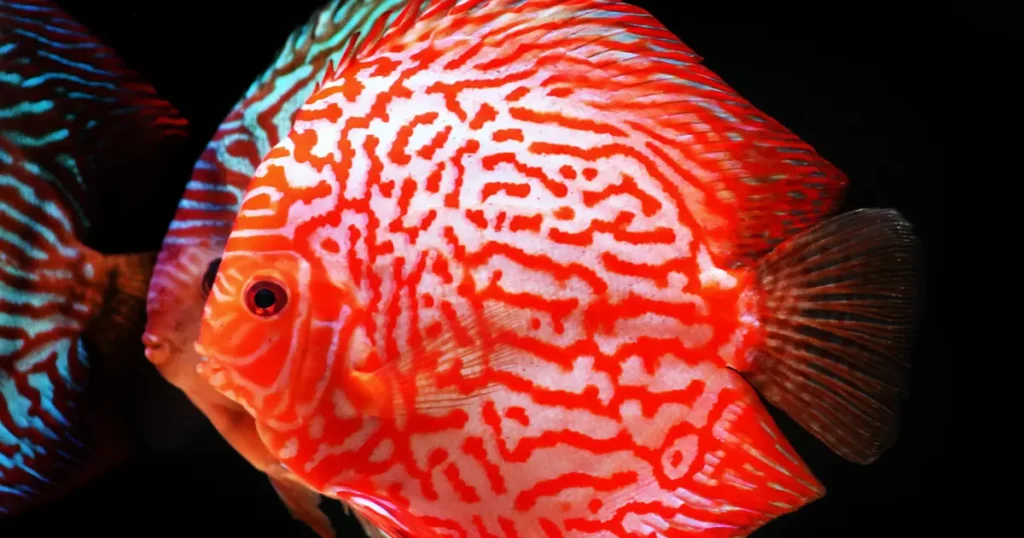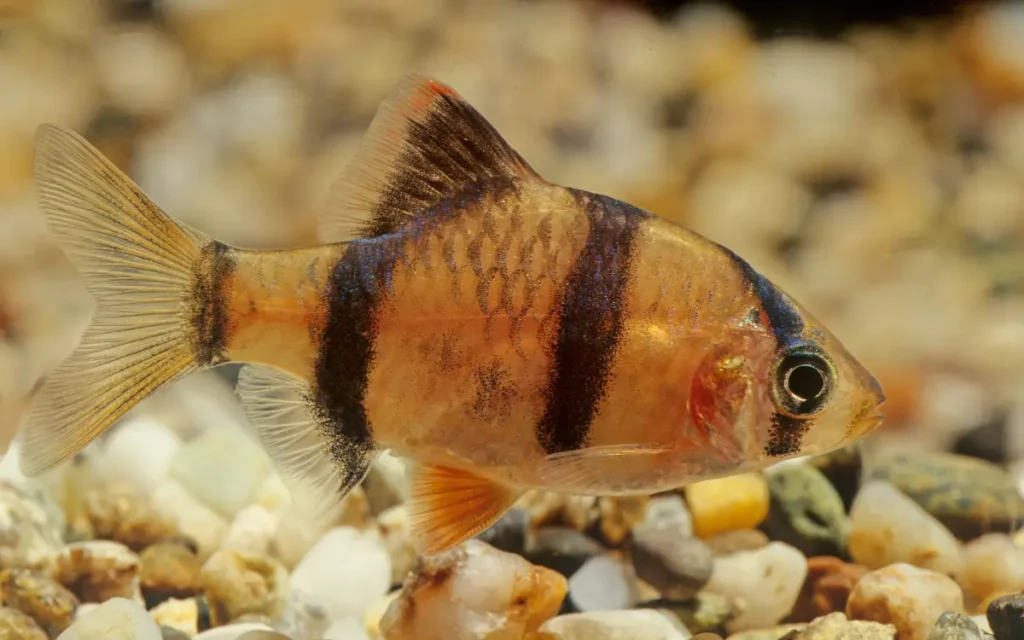
Firemouth Cichlids look calm at first. But once they mature, they defend territory aggressively especially during breeding. If you choose the wrong tank mates, you’ll see chasing, torn fins, and constant stress.
The key is balance. Firemouths are not as aggressive as some Central American cichlids, but they are not community fish either. They need tank mates that can hold their ground without escalating fights.
Before choosing companions, understand their basics:
- Adult size: 5–6 inches
- Temperament: Semi-aggressive
- Tank zone: Middle to bottom
- Territory: Strong during breeding
- Minimum tank size: 40 gallons (55+ recommended for community)
Now let’s go through fish that actually work.
1. Blue Acara
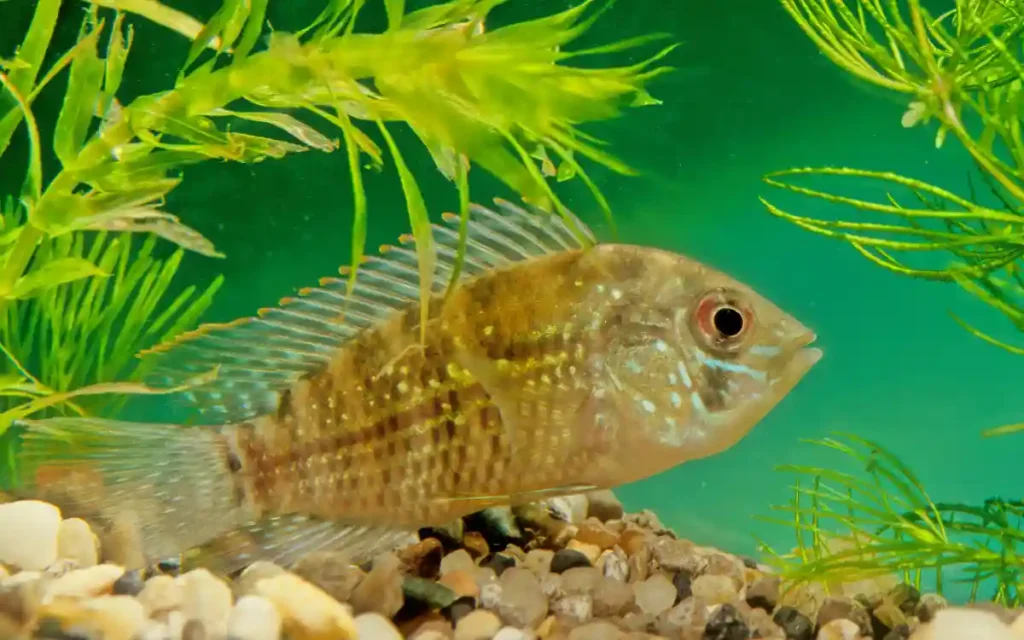
Blue Acaras are one of the safest and most balanced tank mates for Firemouth Cichlids. They grow to about 6–7 inches and display semi-aggressive behavior without constant hostility.
Unlike highly territorial Central American cichlids, Blue Acaras usually defend only a small space and spend much of their time swimming calmly in midwater. Firemouths, which grow to around 5–6 inches, recognize similar-sized fish and tend to show display behavior rather than nonstop chasing.
Both species prefer similar water parameters:
- Temperature: 75–82°F
- Slightly acidic to neutral pH
- Moderate water movement
This shared environment reduces stress and competition.
Why this pairing works well:
- Similar adult size prevents bullying
- Comparable temperament
- Both respond to territory displays instead of immediate fighting
- Compatible diet (pellets, frozen, protein-based foods)
Provide rock structures and visual barriers so each fish can claim separate areas.
Minimum tank size: 55 gallons Compatibility level: Very Good
2. Severum
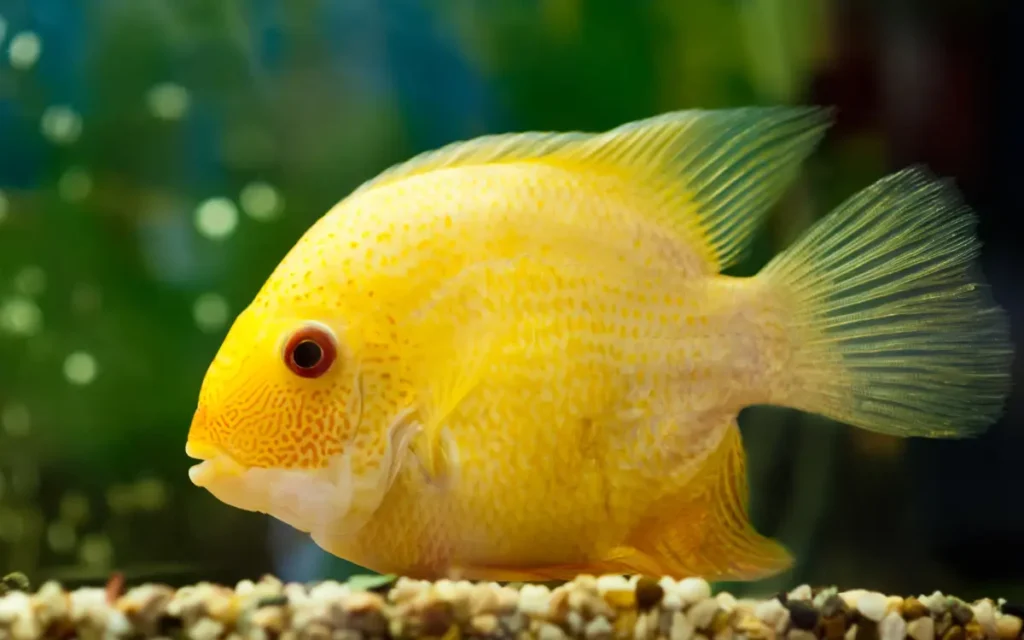
Severums grow larger than Firemouths, reaching 8 inches or more, but they remain calmer than many large cichlids. Their size gives them natural authority, which prevents Firemouths from attempting dominance.
Severums swim primarily in the middle and upper sections of the tank, while Firemouths spend more time near the bottom and rockwork. This vertical separation reduces constant interaction.
Severums rarely instigate aggression unless overcrowded. However, they require space to prevent stress.
Why this pairing works well:
- Larger body size discourages bullying
- Different swimming levels
- Moderate temperament
- Similar temperature and diet needs
Use large driftwood and rocks to break line of sight. Without territory separation, even calm Severums may react defensively.
Minimum tank size: 75 gallons Compatibility level: Good (requires space)
3. Silver Dollars
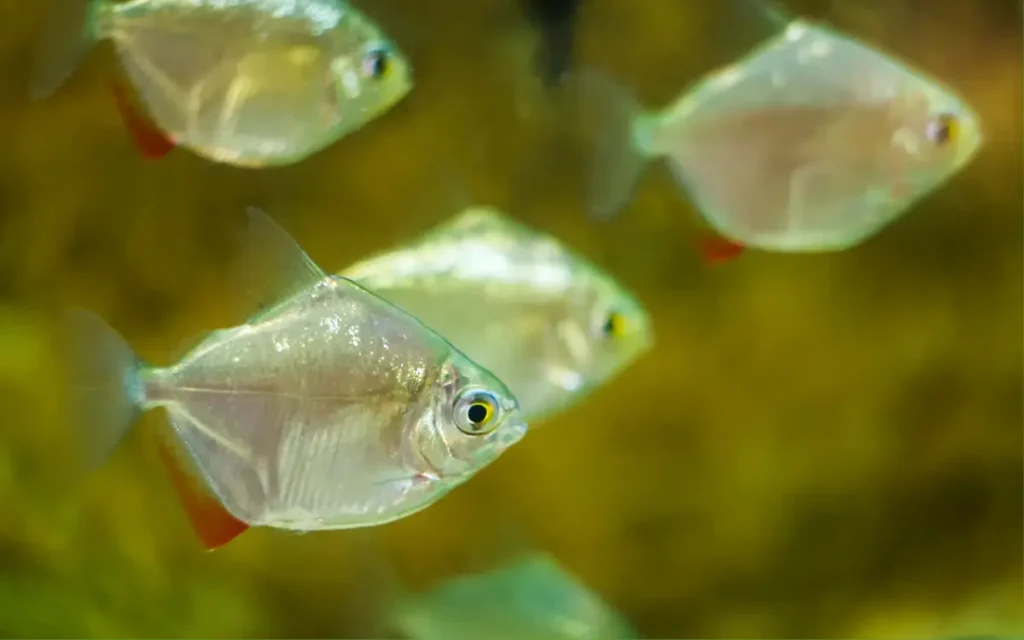
Silver Dollars function as “dither fish” in Firemouth tanks. They grow to about 6 inches and swim in active schools in open water.
Because they move constantly and stay in upper levels, Firemouths rarely manage to corner them. Their schooling behavior spreads attention and reduces territorial fixation.
Silver Dollars also grow large enough to avoid predation risk.
However, they need significant swimming space and prefer to live in groups of at least five.
Why this pairing works well:
- Fast swimming reduces conflict
- Upper tank zone occupation
- Schooling behavior distracts aggression
- Similar temperature range
Be aware that Silver Dollars may nibble soft plants.
Minimum tank size: 75 gallons (larger preferred)
Compatibility level: Very Good
4. Giant Danios
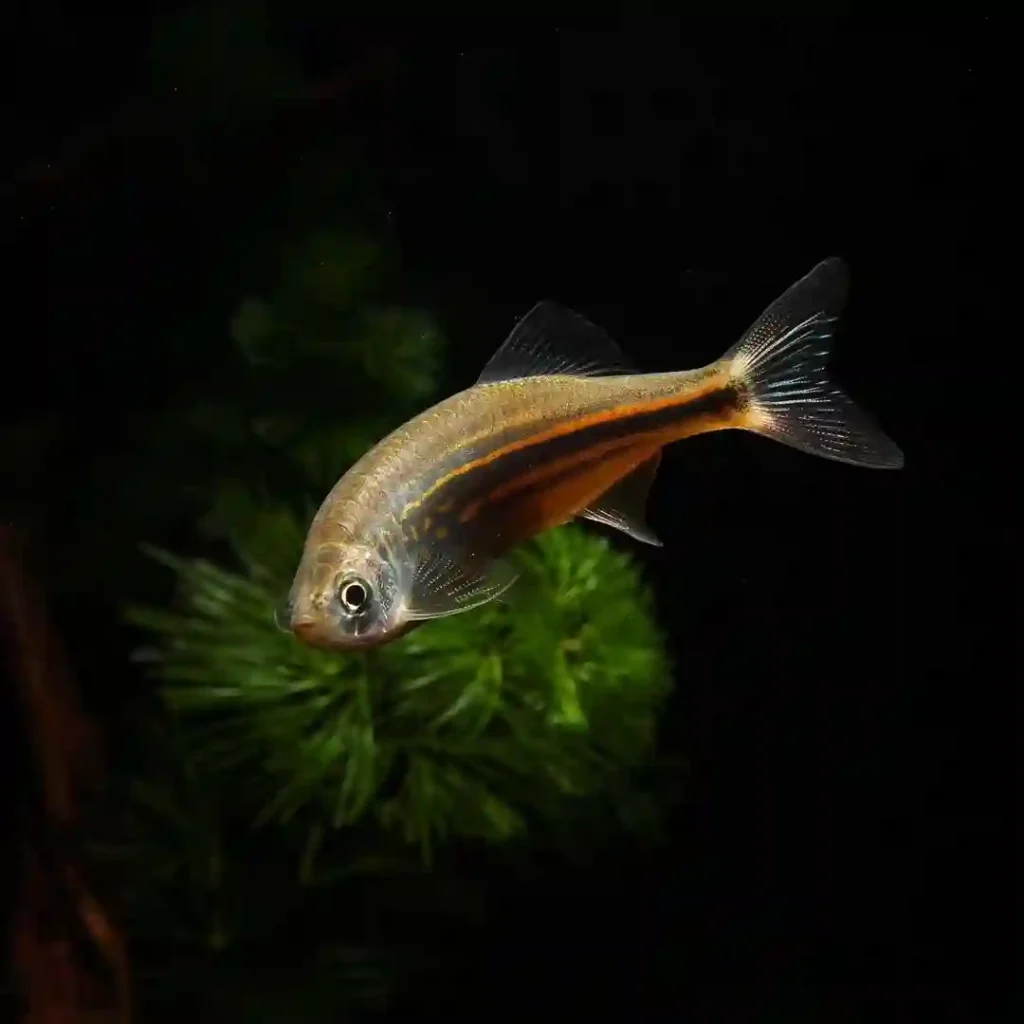
Giant Danios provide movement and energy in semi-aggressive cichlid tanks. They grow to around 4 inches and remain fast, agile swimmers.
Their speed prevents Firemouths from targeting them successfully. Since Giant Danios stay near the top of the tank, they avoid direct territory disputes at the bottom.
They also adapt well to similar temperature ranges as Firemouth Cichlids.
Why this pairing works well:
- Fast swimming speed
- Upper-level activity
- Durable and adaptable
- Rarely provoke aggression
Keep them in groups of at least six to reduce stress and internal chasing.
Minimum tank size: 55 gallons Compatibility level: Good
5. Bristlenose Pleco
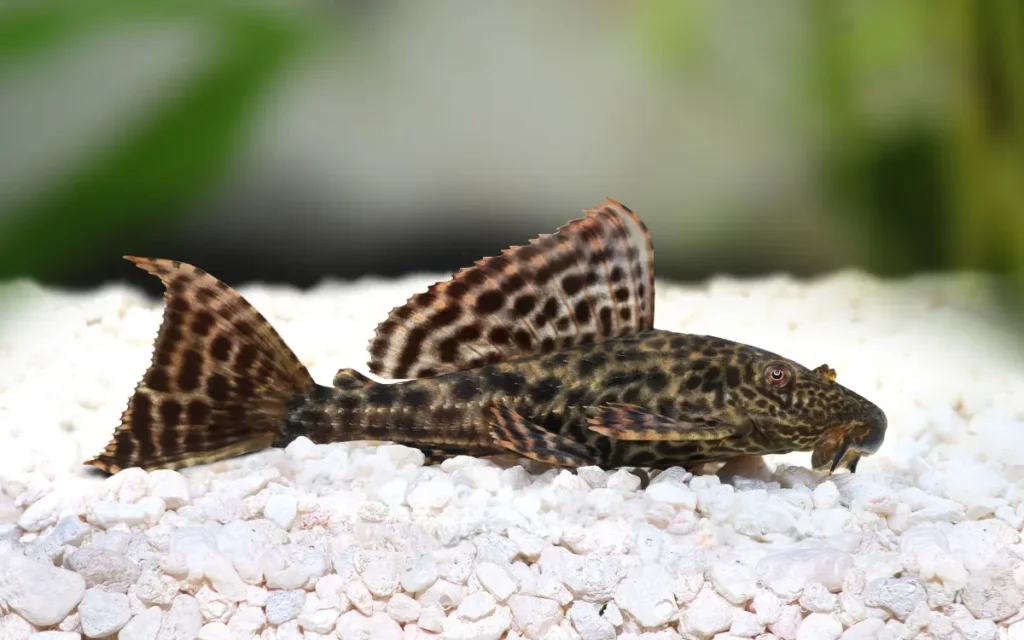
Bristlenose Plecos are one of the safest bottom-dwelling options in a Firemouth tank. They grow to about 4–5 inches and have armored bodies that discourage harassment.
Firemouths may flare or display toward them, but plecos rarely react. Their thick body structure protects them from injury.
Bristlenose Plecos stay focused on algae and driftwood rather than territorial disputes.
Why this pairing works well:
- Armored protection
- Bottom-focused scavenger behavior
- No competition for midwater territory
- Compatible water requirements
Provide caves and driftwood so the pleco has secure hiding areas.
Avoid small, delicate pleco species.
Minimum tank size: 55 gallons Compatibility level: Good
6. Rainbow Cichlid
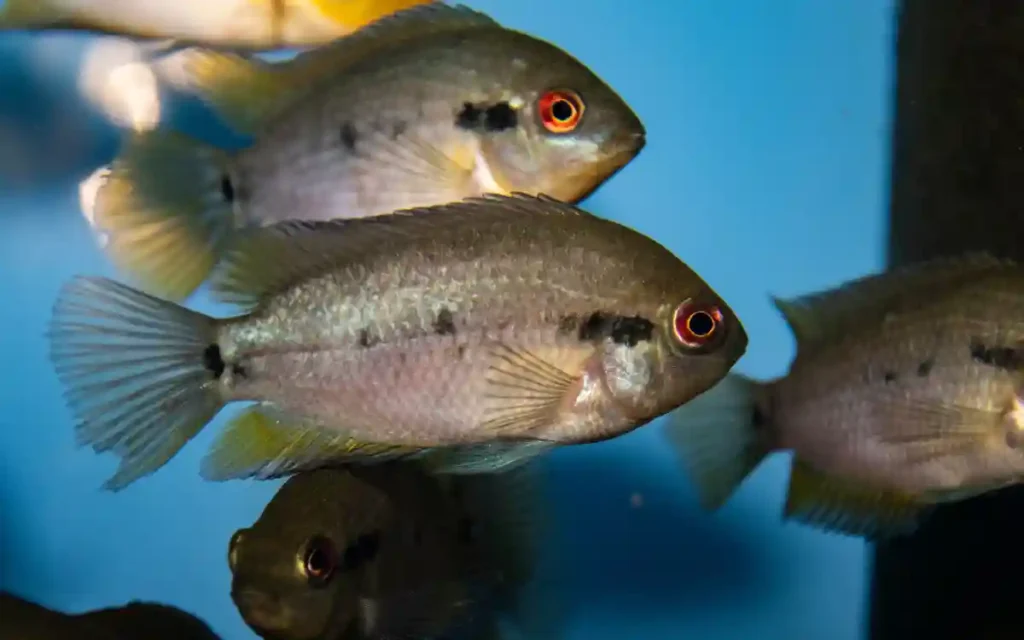
Rainbow Cichlids are one of the most balanced Central American species to pair with Firemouths. They grow to about 5–6 inches and display moderate aggression, but not constant hostility.
Unlike more extreme cichlids, Rainbow Cichlids tend to defend a small territory and avoid prolonged fights. Firemouths behave similarly. Both species rely on display behavior flaring gills, body posturing rather than immediate physical attacks.
Because their aggression levels match, neither fish dominates easily.
Why this pairing works well:
- Similar adult size
- Comparable semi-aggressive temperament
- Both rely on warning displays before fighting
- Share similar water preferences (75–82°F)
Heavy rockwork is essential. Provide multiple caves and break visual lines to reduce territorial overlap.
Minimum tank size: 55 gallons
Compatibility level: Very Good
7. Convict Cichlid (With Experience)
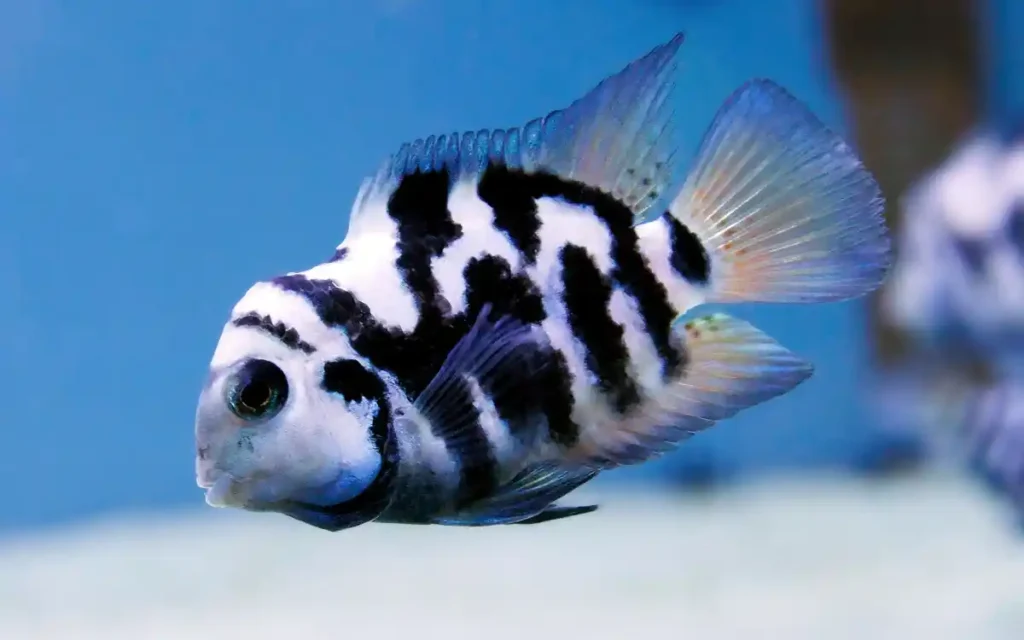
Convict Cichlids are tough, territorial fish that can coexist with Firemouths—but only in properly sized tanks.
They grow to about 4–5 inches and show strong defensive behavior, especially during breeding. Firemouths understand this cichlid-style communication, which can prevent constant harassment.
However, during breeding season, Convicts can become extremely aggressive and dominate large portions of the tank.
Why this pairing can work:
- Both species understand territorial displays
- Similar body size
- Can defend themselves
Major caution: Do not attempt this pairing in tanks under 75 gallons. Breeding pairs can turn highly aggressive.
Minimum tank size: 75+ gallons
Compatibility level: Moderate (advanced keepers)
8. Tinfoil Barb (Large Tanks Only)

Tinfoil Barbs grow large up to 10–12 inches and remain fast, schooling swimmers. Their size and speed prevent Firemouths from bullying them.
Because they swim constantly in upper and midwater zones, they avoid direct bottom territory conflict.
However, Tinfoil Barbs require large aquariums and should be kept in groups of at least five.
Why this pairing works well:
- Too large to intimidate
- Fast swimming behavior
- Schooling reduces focus on cichlids
- Prefer similar warm water
This pairing only works in spacious aquariums.
Minimum tank size: 125+ gallons
Compatibility level: Good (in very large tanks)
9. Swordtails (Large Adults Only)
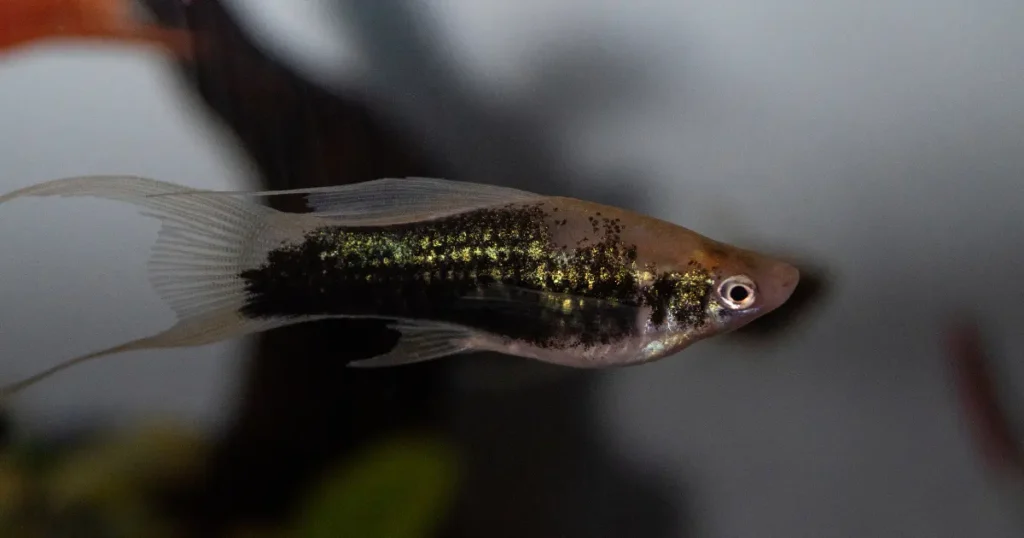
Adult Swordtails can sometimes work with Firemouths in larger setups. They grow to 4–5 inches and swim near the top.
However, smaller or juvenile Swordtails may become targets. Firemouths may chase them if space is limited.
If you attempt this pairing, ensure the tank provides strong swimming space and plant cover.
Why this pairing can work:
- Upper-level swimming reduces conflict
- Active movement discourages targeting
- Similar temperature requirements
Avoid mixing small livebearers or overcrowding.
Minimum tank size: 55+ gallons
Compatibility level: Moderate
10. Salvini Cichlid (High-Risk Pairing)
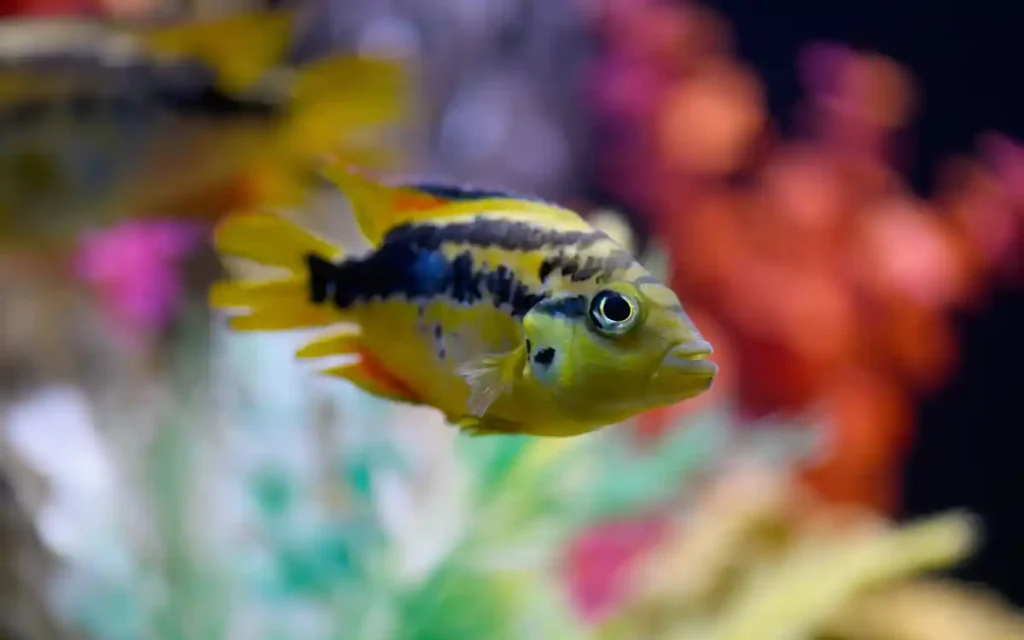
Salvini Cichlids are more aggressive than Firemouths. They grow to about 6–7 inches and defend territory aggressively.
This pairing only works in very large tanks where multiple territories can form.
In smaller aquariums, Salvini often dominate Firemouths or trigger constant conflict.
Why this pairing is risky:
- Higher aggression level
- Strong breeding territoriality
- Requires significant space
Only experienced keepers with large aquariums should attempt this combination.
Minimum tank size: 100+ gallons
Compatibility level: Risky
Firemouth Cichlid Compatibility Summary
Firemouths do best with:
- Similar-sized semi-aggressive cichlids
- Fast upper-level swimmers
- Armored bottom dwellers
They struggle with:
- Small peaceful fish
- Slow bottom dwellers
- Weak species that cannot defend territory
The real key is space and structure. Even compatible fish fight in cramped tanks.
Firemouth Cichlid Tank Mates to Avoid
Firemouth Cichlids are semi-aggressive and territorial, especially near the bottom of the tank and during breeding. Avoid fish that are too small, too peaceful, or overly aggressive.
Here’s what not to mix with them:
1. Small Peaceful Fish
- Neon Tetras
- Ember Tetras
- Guppies
- Small Mollies
Why avoid: Too small and easily stressed. Firemouths will chase and intimidate them.
2. Corydoras Catfish
Why avoid: Share bottom territory. Corydoras cannot defend themselves during breeding aggression.
3. Angelfish
Why avoid: Long fins attract nipping. Angelfish prefer calmer environments.
4. Dwarf Gouramis
Why avoid: Too sensitive and slow. Firemouth displays cause stress.
5. Shrimp & Small Invertebrates
- Cherry Shrimp
- Dwarf crayfish
Why avoid: Firemouths may eat them.
6. Highly Aggressive Cichlids (in small tanks)
- Red Devil
- Large African cichlids
Why avoid: Aggression imbalance leads to constant fighting.