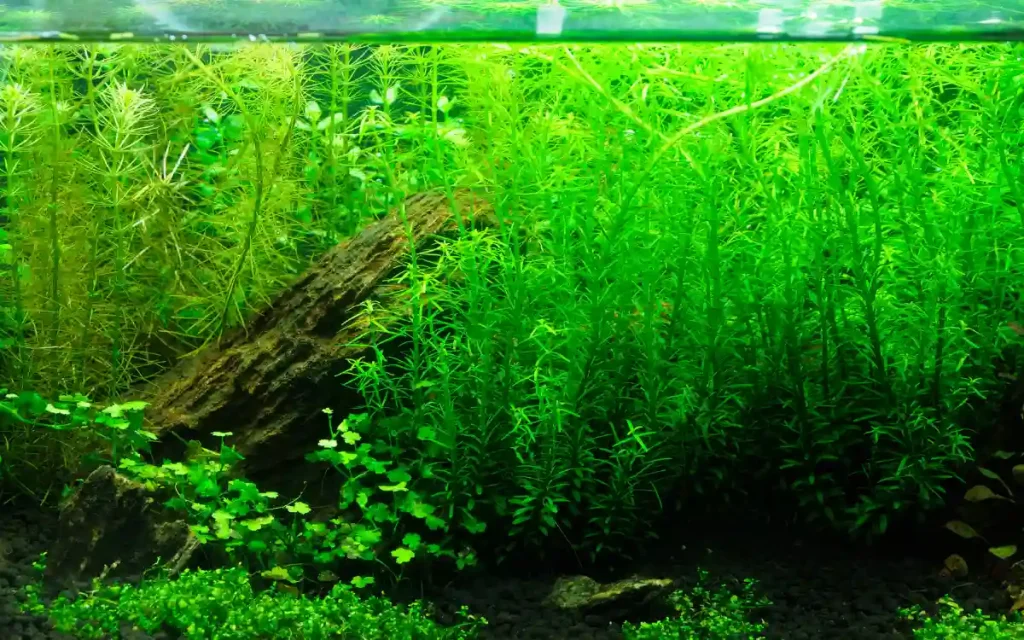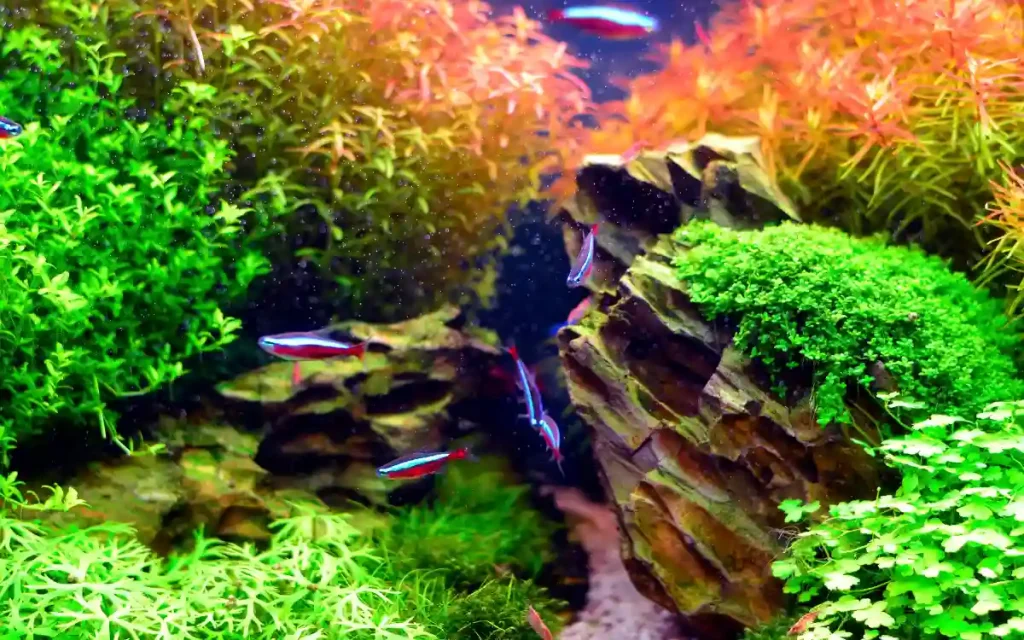
Giant Hygro is one of the most reliable background plants you can add to a freshwater aquarium. It grows fast, tolerates beginner mistakes, and fills empty space quickly with large, healthy leaves. While it doesn’t have the delicate look of fine-leaf plants, it brings balance, structure, and stability to planted tanks.
If you want a plant that actually grows instead of struggling, Giant Hygro is a smart choice.
This guide explains how to care for Giant Hygro properly, what it needs to thrive, and how to avoid the most common problems.
What Is Giant Hygro?
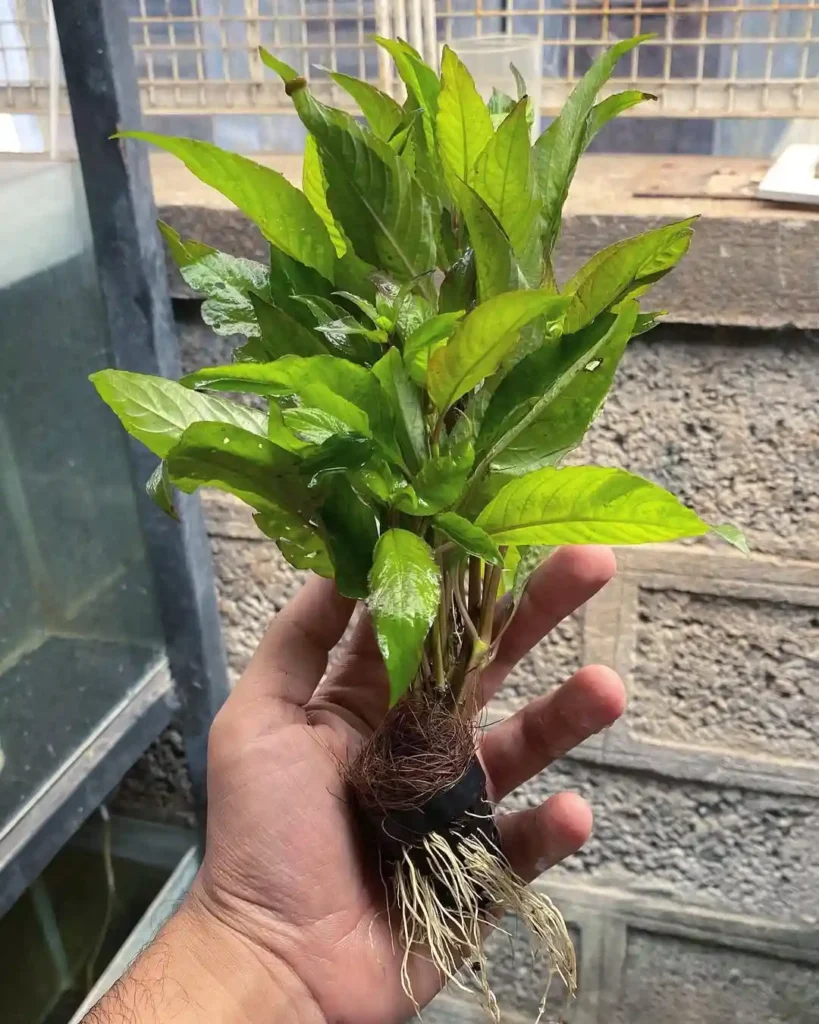
Giant Hygro is the common name for Hygrophila corymbosa, a fast-growing stem plant native to Southeast Asia. In nature, it grows along riverbanks and flooded areas, often switching between underwater and above-water growth depending on water levels.
Aquarists value Giant Hygro for a few clear reasons:
- Strong, broad leaves that hold their shape
- Rapid growth even in basic setups
- High nutrient uptake, which helps reduce algae
It’s often used in beginner tanks, large community aquariums, and low-tech planted setups where reliability matters more than delicate aesthetics.
Giant Hygro Quick Care Overview
| Care Factor | Recommendation |
|---|---|
| Difficulty | Easy |
| Lighting | Low to Medium |
| CO₂ | Optional |
| Temperature | 22–30°C |
| pH Range | 6.0–8.0 |
| Growth Speed | Fast |
| Placement | Background |
| Tank Size | Medium to Large |
Note: Because it grows tall and wide, Giant Hygro is best suited for tanks 20 gallons and up.
Tank Requirements for Healthy Growth
Lighting Needs
Giant Hygro adapts well to different lighting levels, but light intensity changes how it looks.
- Low light: Taller stems, larger gaps between leaves
- Medium light: Compact growth, thicker stems, fuller look
Strong lighting is not required, and excessive light without nutrients can cause algae issues on the leaves.
A daily light period of 7–9 hours works well for most tanks.
Water Parameters and Stability
Giant Hygro is very forgiving when it comes to water chemistry.
It tolerates:
- Soft to moderately hard water
- pH between 6.0 and 8.0
- Tropical temperature ranges
More important than exact numbers is consistency. Sudden changes in temperature or water chemistry are more likely to cause leaf drop than slightly imperfect conditions.
Is CO₂ Necessary?
CO₂ injection is not required for Giant Hygro.
Without CO₂:
- Growth is steady
- Leaves stay large and green
- Maintenance stays simple
With CO₂:
- Growth becomes faster
- Stems grow thicker
- Leaf density improves
For low-tech tanks, regular fertilization is enough.
Substrate and Planting
Best Substrate Options
Giant Hygro can grow in almost any substrate, including:
- Gravel
- Sand
- Planted aquarium soil
Because it has a strong root system, it benefits from root tabs when grown in inert substrates like sand or gravel.
How to Plant Giant Hygro Properly
Correct planting helps prevent stem rot and poor lower growth.
- Separate stems before planting
- Plant each stem individually
- Leave space between plants for water flow
- Insert only the bare stem into the substrate
Crowding stems together often causes lower leaves to die off.
Growth Pattern and Maintenance
How Fast Does Giant Hygro Grow?
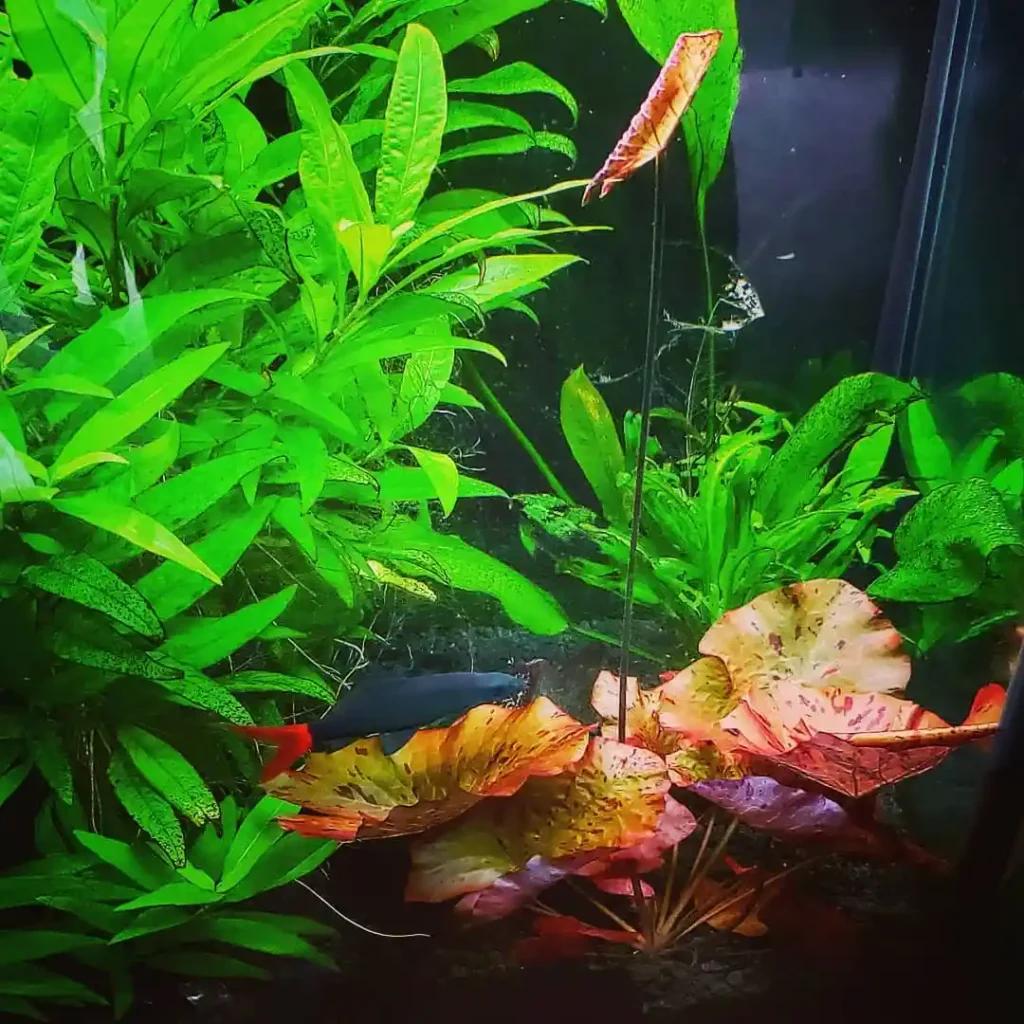
Under normal conditions, Giant Hygro grows very quickly. In established tanks, trimming is usually needed every 1–2 weeks.
Its growth is vertical at first, but regular trimming encourages side shoots and bushier growth.
Trimming and Shaping
Trimming is straightforward:
- Cut the stem at the desired height
- Remove lower leaves from the cutting
- Replant the healthy top portion
The original stem often produces new side shoots, creating a fuller background over time.
Propagation
Propagation is simple and reliable. Any healthy stem cutting can be replanted to grow a new plant. This makes Giant Hygro ideal for filling large tanks without buying many plants.
Common Problems and Solutions
Leaf Melt After Planting
Some leaf loss after planting is normal, especially if the plant was grown above water before purchase.
As long as new leaves appear at the top, the plant is adjusting and will recover.
Yellowing or Pale Leaves
This usually points to nutrient issues, most often:
- Low nitrogen
- Lack of potassium
A balanced liquid fertilizer typically resolves this.
Tall, Bare Stems
If the lower parts of the stems lose leaves:
- Light may not be reaching the bottom
- Plants may be spaced too closely
Trimming and replanting tops usually restores healthy growth.
Algae on Large Leaves
Broad leaves can collect algae if nutrients and light are out of balance.
Helpful steps include:
- Reducing light duration
- Improving water circulation
- Removing badly affected leaves
Fast growth helps the plant recover once conditions improve.
Best Tank Mates for Giant Hygro
Compatible Fish
Giant Hygro works well in peaceful community tanks with fish such as:
- Tetras
- Barbs
- Gouramis
- Angelfish
Its sturdy leaves hold up better than delicate plants.
Shrimp and Snails
Shrimp use the leaves as grazing surfaces, while snails help keep algae under control without damaging the plant.
Fish to Avoid
Avoid housing Giant Hygro with:
- Goldfish
- Large plant-eating cichlids
- Aggressive diggers
These fish may uproot or damage the stems.
Giant Hygro vs Similar Aquarium Plants
PlantKey DifferenceAmazon SwordRosette plant, slower growthWater WisteriaMore leaf variation, softer textureLudwigiaMore color, higher light needs
Giant Hygro stands out for reliability and ease of care rather than color.
Is Giant Hygro Right for Your Tank?
Giant Hygro is a good choice if:
- You want fast background coverage
- You’re running a low-tech or beginner setup
- You need a plant that handles mistakes well
It may not suit very small tanks or minimalist aquascapes due to its size.
Final Thoughts
Giant Hygro is a workhorse plant. It grows fast, stays healthy with basic care, and helps stabilize planted aquariums by absorbing excess nutrients. While it doesn’t demand attention, it rewards consistency with strong, vibrant growth.
If your goal is a full, healthy tank without complex equipment, Giant Hygro is one of the safest plants you can choose.