Longnose Hawkfish are hardy saltwater fish known for their long snouts and perch-like behavior. They need a tank of at least 30 gallons with lots of live rock, stable water conditions, and a covered lid to prevent jumping. Feed them meaty foods like mysis shrimp, and avoid keeping them with small shrimp or timid fish. Breeding is rare in home aquariums but possible in tall reef tanks.
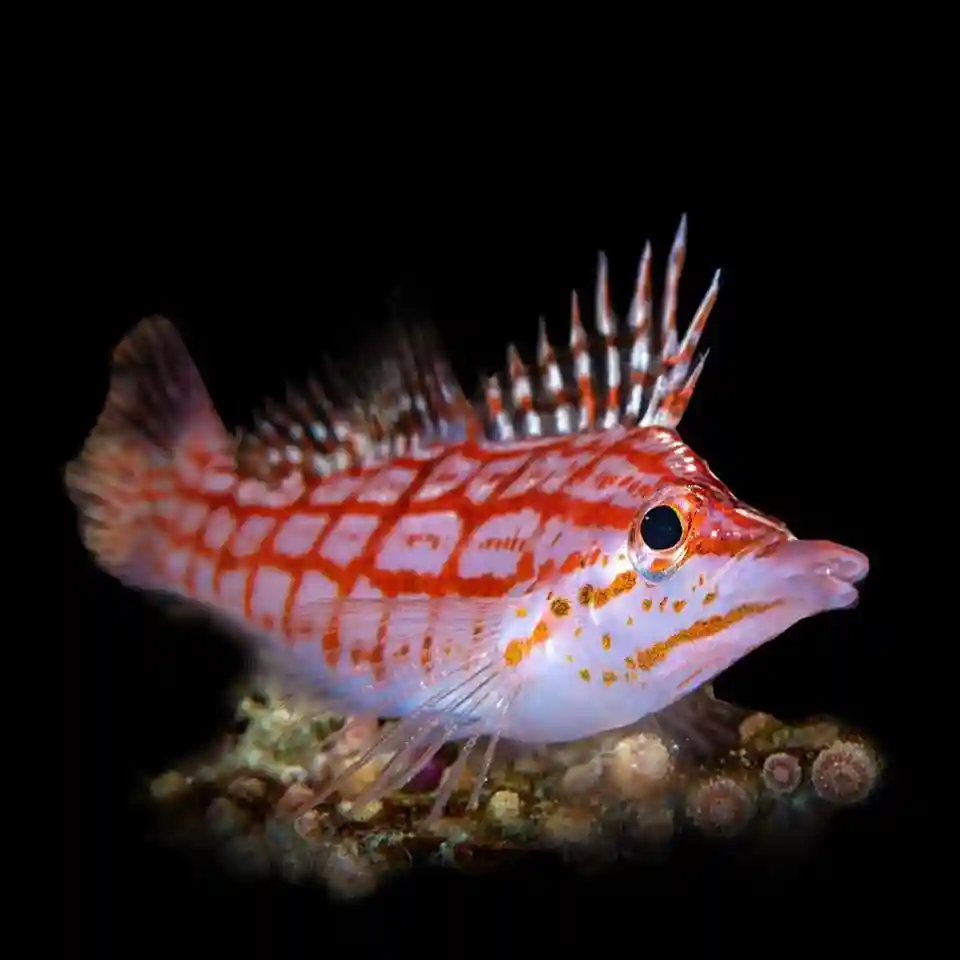
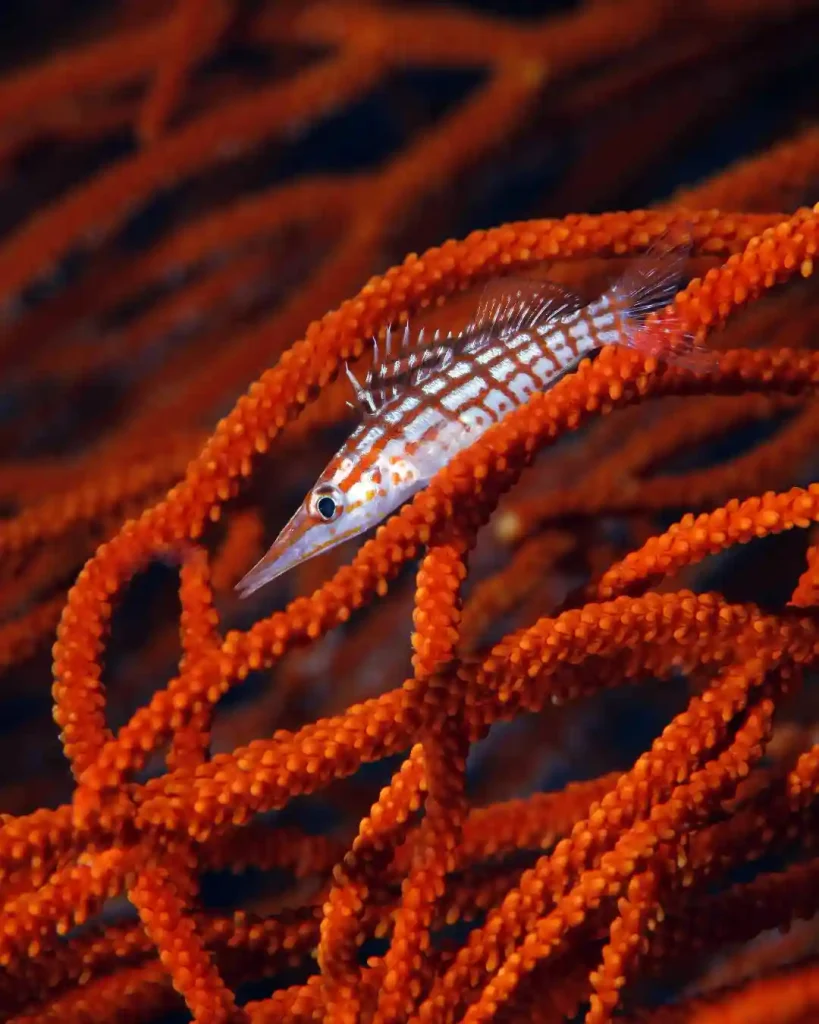
The Longnose Hawkfish (Oxycirrhites typus) is one of the most eye-catching marine fish, thanks to its bold red grid pattern and distinctive snout. Often seen perched on coral branches, it’s a favorite among saltwater aquarists looking for a hardy, personality-filled fish. Whether you’re upgrading a reef tank or adding a solo showstopper, this guide walks you through everything you need to keep your Longnose Hawkfish healthy and thriving.
Species Overview
| Feature | Details |
| Common Name | Longnose Hawkfish |
| Scientific Name | Oxycirrhites typus |
| Origin | Indo-Pacific reefs |
| Adult Size | Up to 5 inches |
| Lifespan | 5–7 years |
| Temperament | Semi-aggressive, territorial |
| Reef-Safe? | With caution (may eat shrimp) |
| Difficulty Level | Moderate |
The Longnose Hawkfish’s natural habitat includes rocky ledges and coral branches where it can perch and ambush prey. It’s well-suited to reef tanks with lots of vertical structure and open space.
Tank Setup for Longnose Hawkfish
Minimum Tank Size
Start with at least a 30-gallon tank, though a 40–50 gallon setup is better for water stability and territory.
Aquascape and Environment
- Use live rock with ledges and branching coral for perching.
- Provide open swimming space and secure all rocks.
- Always use a tight-fitting lid—Longnose Hawkfish are skilled jumpers.
Water Parameters
| Parameter | Ideal Range |
| Temperature | 72–78°F |
| Salinity | 1.020–1.025 SG |
| pH | 8.1–8.4 |
| Ammonia/Nitrite | 0 ppm |
| Nitrate | <20 ppm |
Perform regular water changes and monitor parameters to keep your fish stress-free.
Feeding and Diet
Longnose Hawkfish are carnivores and love meaty meals. In the wild, they hunt small crustaceans. In captivity, feed them:
- Mysis shrimp
- Brine shrimp
- Frozen marine carnivore mix
- Chopped squid or fish
- Live ghost shrimp (occasional treat)
Feed them once or twice a day. They may ignore dry flakes or pellets, especially at first, so start with frozen or live foods.
Tank Mates: Who Gets Along and Who Doesn’t
Best Tank Mates
- Clownfish
- Gobies (larger species)
- Tangs
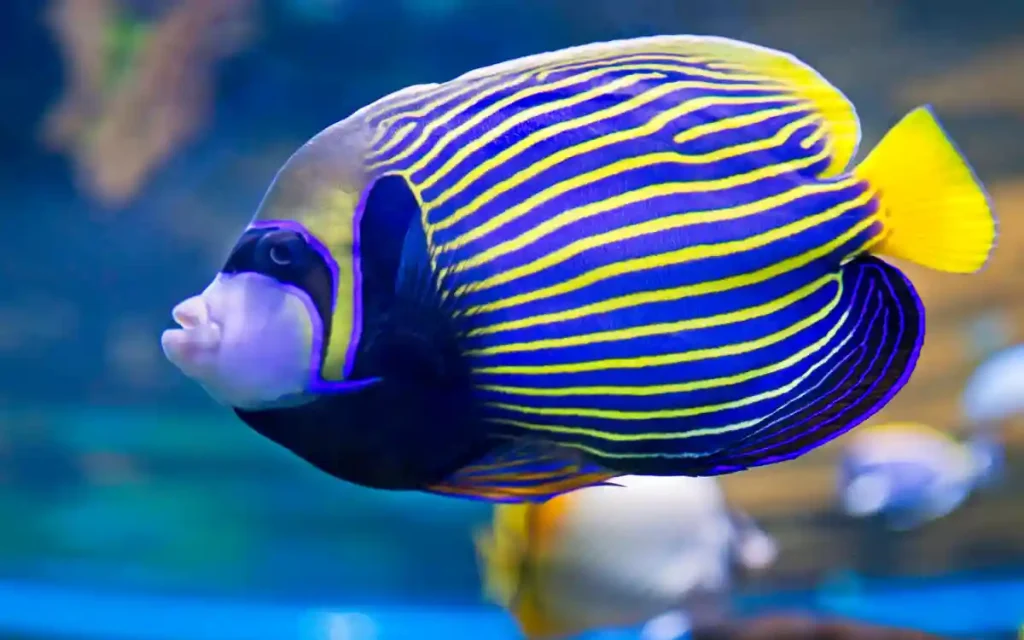
- Dwarf angelfish
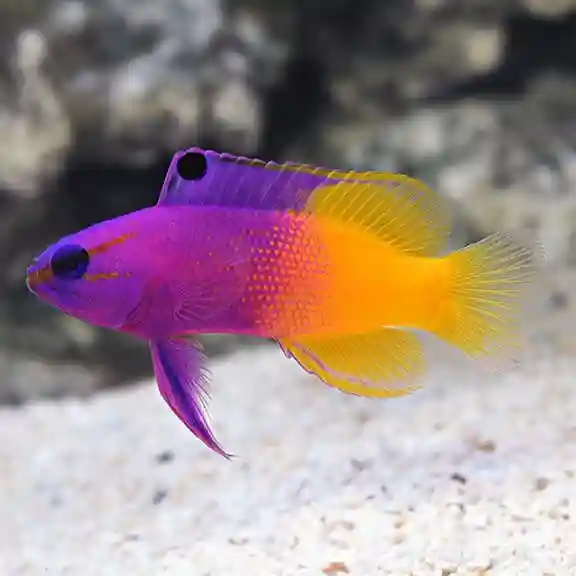
- Royal Gramma
These fish are peaceful but sturdy enough not to be bullied.
Avoid These
- Small shrimp (like sexy shrimp or cleaner shrimp)
- Tiny gobies or dartfish
- Slow-moving, timid fish
- Other hawkfish (unless paired in large tanks)
Longnose Hawkfish may eat shrimp and chase smaller fish, especially in tight quarters. If you want to keep ornamental shrimp, consider another fish.
Best Saltwater Tank Mates for Royal Gramma
Chalk Bass Care Guide: Diet, Tank Size, Mates & Breeding Tips
Christmas Wrasse 101: Care, Diet, Tank Mates, Jumping Risk & More
Breeding Longnose Hawkfish
Breeding in home aquariums is difficult but not impossible.
Breeding Behavior
- Longnose Hawkfish are known to form monogamous pairs.
- They perform upward swimming displays before releasing eggs and sperm near the water surface.
- Fertilized eggs drift in the current, and larvae remain planktonic for several weeks.
Breeding Conditions
- Tall tanks (over 18–20 inches) help simulate spawning behavior.
- Provide low-flow nighttime conditions.
- Specialized rearing tanks are needed for larvae survival, making it more feasible for expert breeders.
Most hobbyists don’t breed this species at home but enjoy observing their natural pair bonding behavior.
Common Health Issues and Tips
While fairly hardy, Longnose Hawkfish can face stress-related issues if conditions are off.
Signs of Trouble
- Loss of appetite
- Scratching against rocks
- Rapid gill movement
- Faded coloration
Prevention Tips
- Quarantine before adding to the main tank
- Maintain excellent water quality
- Don’t overcrowd or house with aggressive fish
- Avoid large swings in salinity or pH
Is the Longnose Hawkfish Right for You?
Longnose Hawkfish are perfect for aquarists with a bit of saltwater experience. They’re bold, active, and full of personality—but they come with quirks:
Pros:
- Hardy and adaptable
- Fun to watch as they perch and hunt
- Gorgeous coloration and unique body shape
Cons:
- May eat shrimp
- Can be territorial
- Not ideal for peaceful nano reefs
If you’re prepared to give them space, structure, and the right tank mates, they’re a rewarding addition.
Frequently Asked Questions
Do Longnose Hawkfish eat shrimp?
Yes, especially small shrimp like sexy shrimp or peppermint shrimp. Larger cleaner shrimp may survive, but there’s always risk.
Are they aggressive?
They can be semi-aggressive, especially toward other hawkfish or small fish that enter their space.
Can they be kept in pairs?
Yes, but only in large tanks (55+ gallons). Males and females often pair bond, but two males may fight.
Will they eat flakes or pellets?
Some may accept pellets over time, but most prefer frozen or live foods.
Are Longnose Hawkfish reef-safe?
With caution. They won’t harm corals but may eat small inverts.
Final Thoughts
Longnose Hawkfish bring a bold presence and quirky charm to saltwater tanks. With a bit of planning—solid rockwork, meaty food, and the right mates—they thrive in home aquariums. Just keep a lid on the tank and an eye on your shrimp!