If there’s one tang that deserves more love than it gets, it’s the Orange Shoulder Tang (Acanthurus olivaceus). Big, graceful, hardworking, and surprisingly chill this fish is the calm cousin in the tang family. It’s like the one friend who looks intimidating but turns out to be the nicest person in the room.
I remember seeing my first Orange Shoulder at a reef store, gliding like it owned the place. Sleek gray body, that bold orange streak, and this “I’ve seen things” kind of stare. I added one to my tank later that year and instantly understood why experienced hobbyists rave about them.
This guide breaks down everything you need to know about keeping this peaceful powerhouse happy, healthy, and looking sharp in your aquarium.
Meet the Orange Shoulder Tang
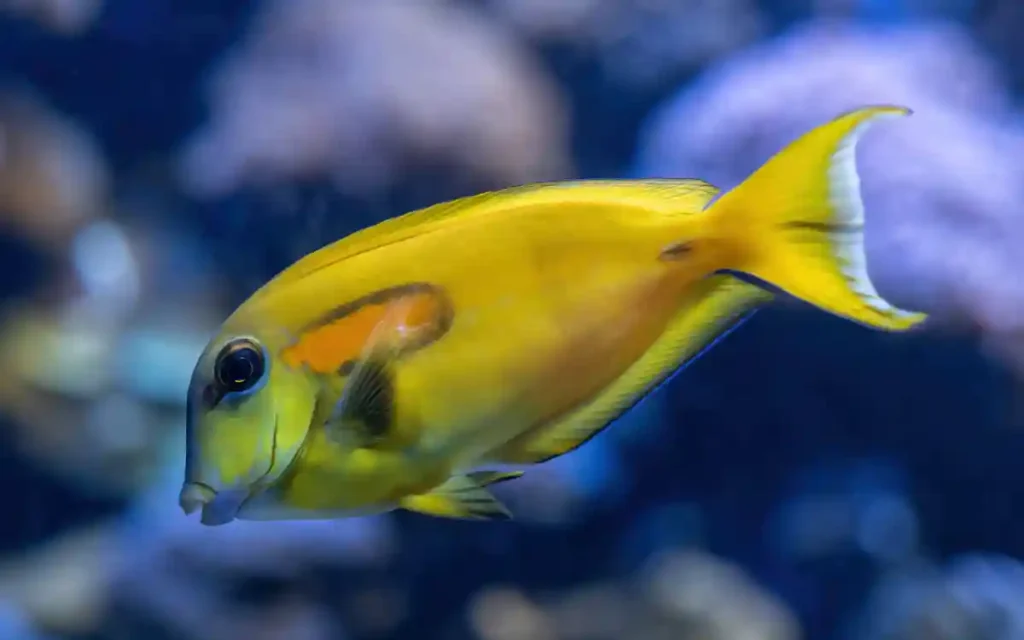
The Orange Shoulder Tang, also known as the Orangeband Surgeonfish, comes from the Indo-Pacific places like Fiji, Tahiti, and the Great Barrier Reef. They spend most of their day cruising coral reefs and sandy lagoons, grazing on algae like underwater lawnmowers.
Quick Species Facts
- Scientific Name: Acanthurus olivaceus
- Common Names: Orange Shoulder Tang, Orangeband Surgeonfish
- Size: Up to 12–14 inches
- Temperament: Peaceful to semi-aggressive
- Diet: Herbivore (algae-focused)
- Reef Safe: Yes
- Lifespan: 10–12 years (with great care)
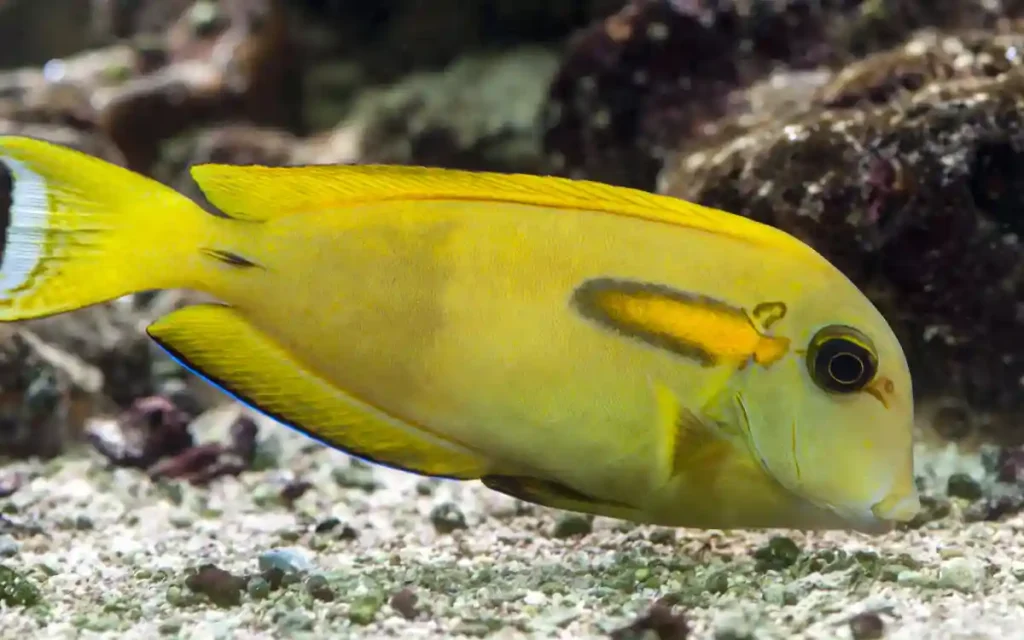
One of the coolest things about this species? It changes color as it grows. Juveniles are bright yellow-orange with a faint shoulder marking. Adults turn a bluish-gray with a bold orange patch near the pectoral fin. It’s like owning two fish in one.
Read also: Firefish Goby Care: Tank Setup, Feeding, and Tank Mates
Tank Setup: Room to Roam, Please
This fish isn’t shy, and it definitely isn’t small. You’ll need a large tank and I mean large. Orange Shoulder Tangs are active swimmers that love long laps across the reef.
Tank Size and Layout
- Minimum tank size: 180 gallons
- Ideal setup: Long tanks with open swimming space
- Aquascape: Live rock for grazing and hiding spots
- Substrate: Fine sand or crushed coral
- Tank cover: Not essential, but helps prevent jump scares during cleaning
They love tanks that balance open water and grazing zones. Stack your live rock in islands or along the sides so they can swim freely in the middle.
Water Parameters
| Parameter | Ideal Range |
| Temperature | 74–80°F |
| pH | 8.1–8.4 |
| Salinity | 1.023–1.025 |
| Ammonia/Nitrite | 0 ppm |
| Nitrate | <20 ppm |
These tangs are sturdy once established, but they hate dirty water. Keep your filtration strong and your nitrates low.
Lighting and Flow
- Lighting: Moderate to high encourages algae growth for grazing
- Flow: Moderate to strong they enjoy swimming against currents
You’ll find them most active during the day, gliding across your tank like underwater butterflies.
Feeding Your Orange Shoulder Tang
Let’s talk food, because this fish eats like a vacuum cleaner. Orange Shoulders are herbivores by nature, but they’ll appreciate the occasional meaty snack.
What They Eat
Their diet should be mostly plant-based:
- Dried seaweed (nori) their favorite food
- Spirulina-based pellets or flakes
- Blanched greens (spinach, lettuce, zucchini)
- Frozen mysis or brine shrimp (occasional treat)
Feed 2–3 times daily, alternating between nori and prepared algae foods. Use a veggie clip to attach seaweed sheets to rocks it encourages natural grazing behavior.
Feeding Tips
- Always provide variety to prevent nutrient deficiencies.
- Soak food in vitamin supplements like Selcon or VitaChem to enhance color and immunity.
- If they stop grazing or lose appetite, check for stress or parasites.
A well-fed Orange Shoulder Tang is active, brightly colored, and will spend most of the day nibbling around the tank like it’s inspecting your cleaning job.
Temperament and Tank Mates
Here’s the fun part the Orange Shoulder Tang is one of the most peaceful tangs you can own. Unlike Powder Blues or Sohals (who think every tank is their territory), Orange Shoulders are calm, social, and mind their business until another tang challenges them.
Compatible Tank Mates
They mix beautifully with:
- Clownfish
- Wrasses
- Gobies and blennies
- Chromis and anthias
- Reef-safe angels
- Cleaner shrimp and other inverts
Tank Mates to Avoid
Avoid housing them with:
- Other large Acanthurus tangs (e.g., Achilles, Mimic, or Powder Blue)
- Overly aggressive species like triggers or large wrasses
If you want multiple tangs, introduce them at the same time and make sure the tank is big enough (250+ gallons). Space is your best defense against aggression.
Behavior and Personality
This fish is calm, curious, and confident. It’ll recognize you after a few weeks, often swimming up to the glass to “check in” or beg for food.
They’re known for their peaceful temperament but can still defend their turf if pushed too far. The “shoulder” area that orange marking darkens when they’re stressed or trying to assert dominance. It’s basically their mood light.
They also act as natural algae control, constantly grazing on rocks and glass. If you’ve got unwanted film algae, this fish will happily handle it for you.
Health and Common Issues
Like most tangs, the Orange Shoulder is hardy but not invincible. Stress or poor diet can still lead to trouble.
Common Problems
- Marine Ich (White Spot Disease)
- Triggered by stress or sudden temperature swings.
- Always quarantine new fish before adding them.
- Head and Lateral Line Erosion (HLLE)
- Caused by poor diet, carbon dust, or lack of vitamins.
- Use vitamin-enriched foods and quality filtration.
- Nutritional Deficiency
- These fish need greens lack of algae causes fading and fin issues.
Regular water changes and a veggie-rich diet will prevent most problems.
Breeding the Orange Shoulder Tang
Here’s the deal you won’t be breeding these at home. Like most tangs, they’re pelagic spawners, releasing eggs and sperm into open water at night. The fry are nearly impossible to raise in aquariums without industrial-level plankton setups.
So yeah, enjoy them as stunning display fish instead of aspiring parents.
Why Color Changes Matter
This tang’s color shift from yellow-orange juvenile to gray-blue adult isn’t just pretty it’s fascinating biology. As they mature, they use color to communicate social status and readiness to mate.
If your adult starts looking washed out, it’s often a sign of stress, poor diet, or bad lighting. Fix those and their colors come roaring back.
Read also: Flame Hawkfish Care Guide: Feeding, Compatibility, Tank Tips & Behavior
Quick Care Summary
| Category | Requirement |
| Tank Size | 180+ gallons |
| Temperament | Peaceful to Semi-Aggressive |
| Diet | Herbivore (seaweed, greens, algae-based foods) |
| Lighting | Moderate to High |
| Reef Safe | Yes |
| Lifespan | 10–12 years |
| Difficulty | Intermediate |
| Max Size | 12–14 inches |
| Behavior | Active grazer, peaceful swimmer |
Pro Tips from Experience
- Add them last if you have other tangs. They’re peaceful, but others might bully them.
- Feed seaweed daily. These fish are grazing machines.
- Keep them active. Open space prevents obesity and stress.
- Soak food in vitamins. It keeps that bright orange patch glowing.
- Use strong filtration. They eat (and poop) a lot.
And IMO, this is one of the most rewarding tangs to own. It’s gorgeous, helpful, and surprisingly laid-back a true showpiece without the drama.
Common Mistakes to Avoid
- Keeping them in tanks under 150 gallons. They need room to swim, not pace.
- Underfeeding greens. Leads to color fading and sluggishness.
- Mixing tangs carelessly. They’ll fight for dominance if cramped.
- Neglecting water quality. They don’t tolerate dirty water well.
- Skipping vitamin supplements. HLLE prevention starts with good nutrition.
Follow these, and your Orange Shoulder will live a long, healthy life and keep your tank spotless in the process.
Why Hobbyists Love Orange Shoulder Tangs
They’re basically the golden retrievers of the tang world: friendly, loyal, beautiful, and always up for a swim.
They make excellent centerpiece fish in large tanks, offering both visual appeal and functional algae control. They’re also less aggressive than most other large tangs, making them a perfect choice for mixed communities.
And watching that color transformation? Honestly, it never gets old. Every few months, it’s like having a new fish.
Final Thoughts
The Orange Shoulder Tang is one of the best “big fish” choices for reef keepers who want something elegant but manageable. They’re peaceful, eye-catching, and a fantastic natural cleaner for large systems.
Give them space, a good diet, and a stable environment, and you’ll have a graceful swimmer that turns heads for years.
Just be prepared once you add one, you’ll start wishing your other tangs were this polite. 😉