The best tank mates for pea puffers are fast, peaceful species that can avoid nipping and don’t compete for territory. Ideal companions include Otocinclus Catfish, Amano Shrimp, Ember Tetras, and Kuhli Loaches. These fish thrive in similar water conditions and won’t provoke the puffer’s curious or aggressive behavior.
Are Pea Puffers Aggressive or Community-Friendly?
Pea puffers are small but bold. Known for their intelligence and curiosity, they often explore every inch of their tank but they also have a reputation for being nippy. While not outright aggressive like some larger puffers, they may bite fins or chase slow-moving or flashy fish out of instinct, not malice.
There’s a common myth that pea puffers must be kept alone. In reality, many aquarists keep them successfully in community tanks, or even in small groups of their own kind. The key is providing a spacious, heavily planted environment and choosing the right tank mates—ones that are fast, peaceful, and unlikely to provoke territorial behavior.
Aggression is most likely to appear in small tanks, during feeding time, or when housed with species that are slow, long-finned, or too small. A well-structured setup with line-of-sight breaks and enough space can make all the difference in keeping a pea puffer peaceful.
Things to Consider Before Adding Tank Mates for Pea Puffers
Before adding any companions to a pea puffer tank, you need to understand their unique needs. These puffers are not your average community fish. Their size may be small, but their personalities are big—and their care requires thoughtful planning. Here’s what to keep in mind:
1. Minimum Tank Size: 10–20 Gallons or More
A single pea puffer can live in a 10-gallon tank, but if you’re considering tank mates or multiple puffers, aim for 20 gallons or larger. The extra space helps reduce territorial aggression and gives other fish room to escape a curious or nippy puffer.
2. Water Parameters Must Align
Pea puffers prefer tropical conditions with temperatures between 74–82°F and a pH range of 6.5 to 7.5. Only choose tank mates that thrive in similar parameters to keep all species healthy and stress-free.
3. Plant Cover and Visual Barriers Are Essential
Pea puffers feel more secure—and behave better—when the tank is heavily planted. Use live plants, rocks, and driftwood to create hiding spots and break up lines of sight. This setup minimizes stress and reduces the chances of chasing or fin-nipping.
4. Feeding Differences Can Cause Conflict
Pea puffers are carnivores and need live or frozen foods like bloodworms, brine shrimp, or snails. Tank mates that eat similar diets may cause feeding competition, so make sure each species can access its own food.
5. Size and Speed Matter
Avoid slow or long-finned fish, which can become targets. Instead, pick tank mates that are fast, peaceful, and not flashy. Fish that occupy other tank levels or move quickly tend to avoid trouble with puffers.
Best Tank Mates for Pea Puffers (Tested & Trusted)
Finding tank mates for pea puffers is challenging—but not impossible. The key is choosing species that are peaceful, fast, and uninteresting to puffers. These proven companions can often coexist with pea puffers when kept in a well-planted, properly sized tank.
1. Amano Shrimp (Caridina multidentata)
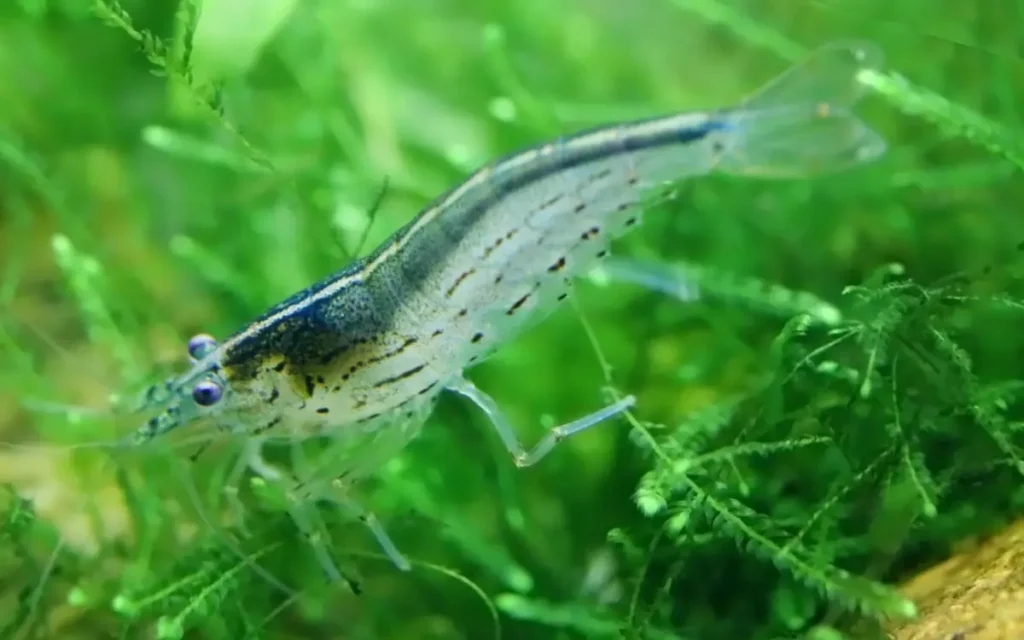
Amano Shrimp are one of the few shrimp species that can safely coexist with pea puffers. They’re larger than most freshwater shrimp and fast enough to avoid being harassed. As natural scavengers and algae eaters, they help maintain a clean tank while steering clear of trouble. Still, it’s best to introduce full-grown adults only and ensure ample hiding spots.
2. Otocinclus Catfish (Otocinclus spp.)
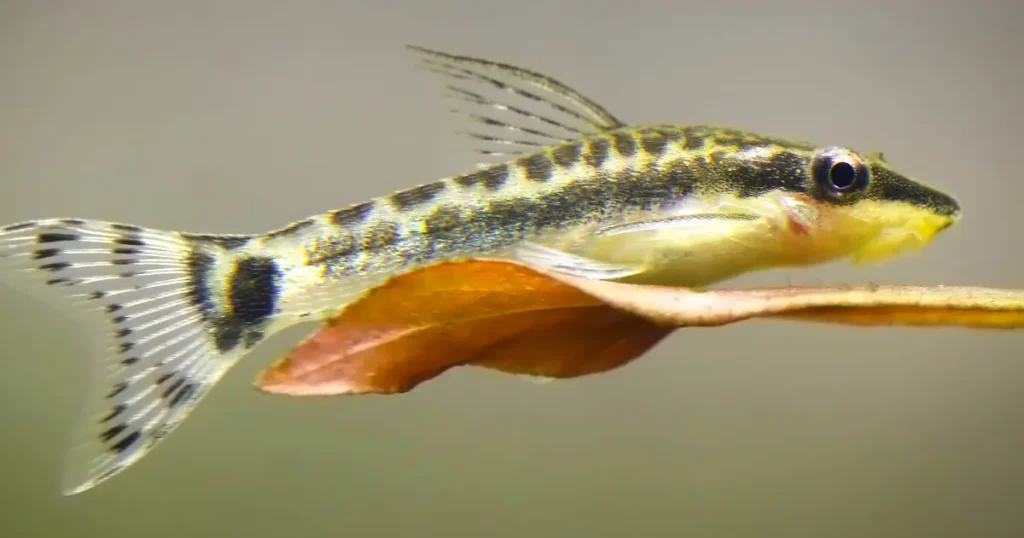
Otocinclus are small, peaceful algae-eating fish that stick to the glass and plant surfaces. They’re non-confrontational and usually go unnoticed by pea puffers. Keeping them in groups of 4–6 allows them to feel safe and stay active while maintaining tank cleanliness without competition.
3. Ember Tetras (Hyphessobrycon amandae)
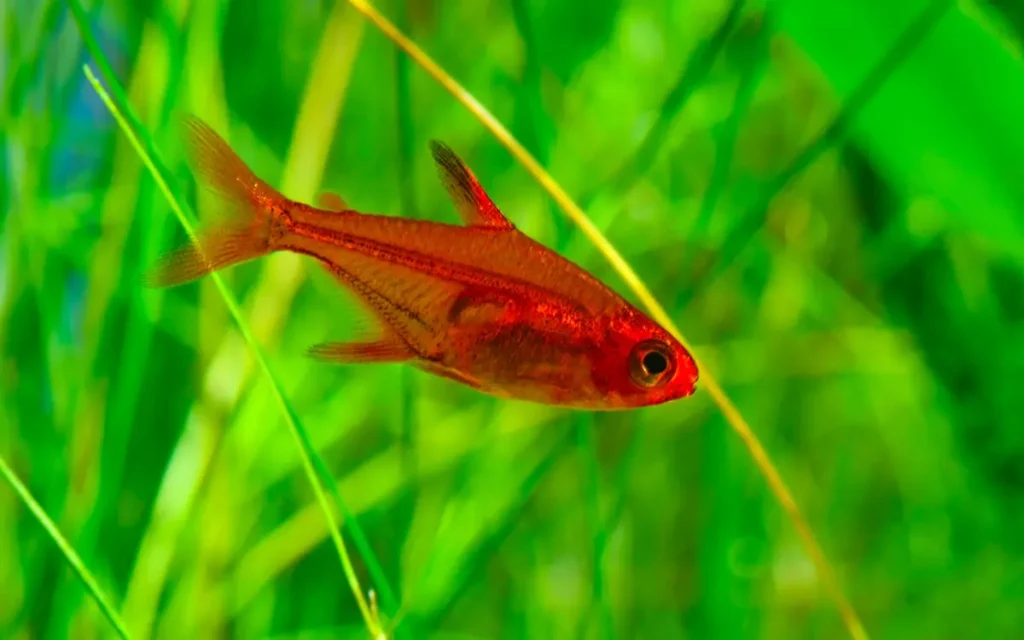
Ember Tetras are fast, calm schooling fish that generally stay mid-water and avoid confrontation. Their small size and subtle appearance make them less likely to attract attention from puffers. They thrive in soft, warm water—perfect for sharing space with a pea puffer in a well-planted tank.
4. Chili Rasboras (Boraras brigittae)
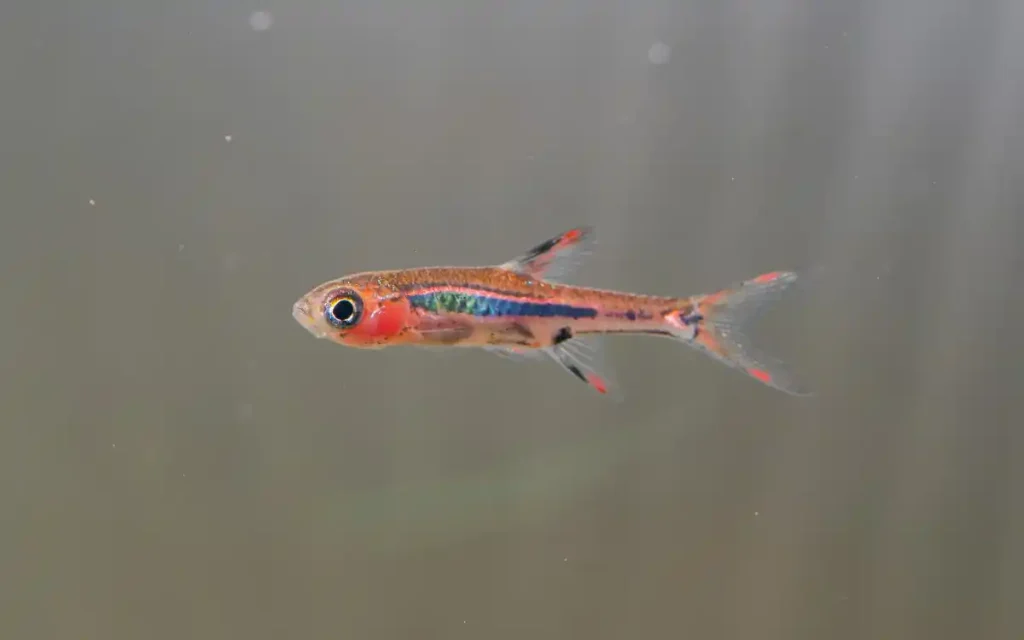
Chili Rasboras are another nano species that do well in soft, warm water. These peaceful, quick swimmers tend to keep to themselves, and their tiny size and schooling behavior reduce the chances of puffer aggression. Keep them in groups of at least 6 to build confidence and minimize stress.
5. Kuhli Loaches (Pangio kuhlii)
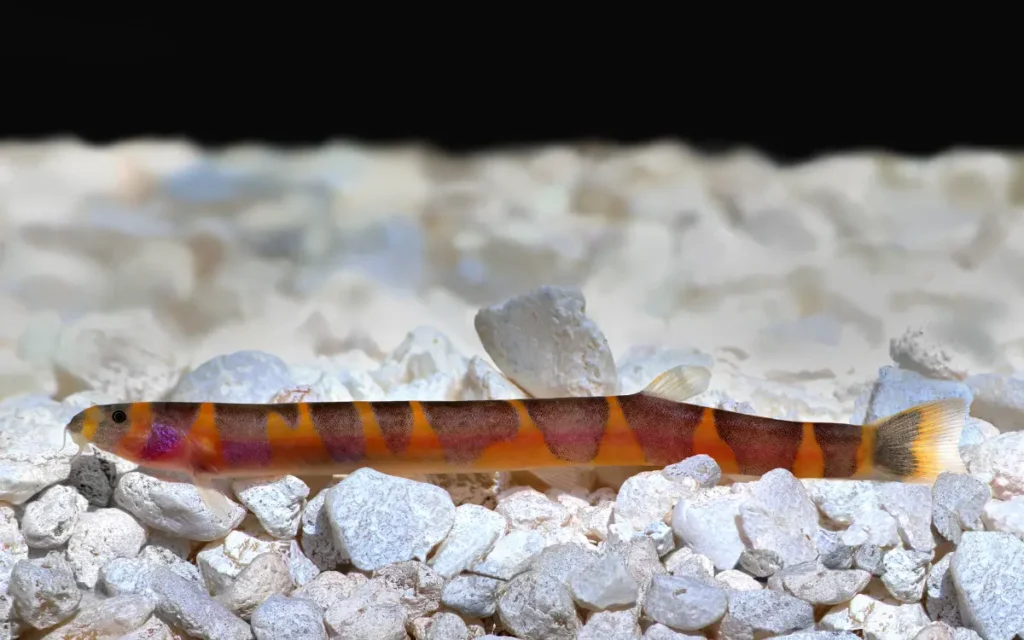
Kuhli Loaches are shy, bottom-dwelling scavengers that only emerge during feeding or at night. Their eel-like bodies and secretive habits make them poor targets for pea puffers. They’re active after lights out, which complements the puffer’s daytime curiosity without creating friction.
More Experimental (But Often Successful) Tank Mates
These tank mates aren’t guaranteed hits in every setup, but many aquarists have found success keeping them with pea puffers—especially in larger, heavily planted tanks. They’re small, quick, and peaceful enough to avoid conflict, but always monitor closely and be prepared to separate if needed.
6. Dwarf Corydoras (Corydoras habrosus)
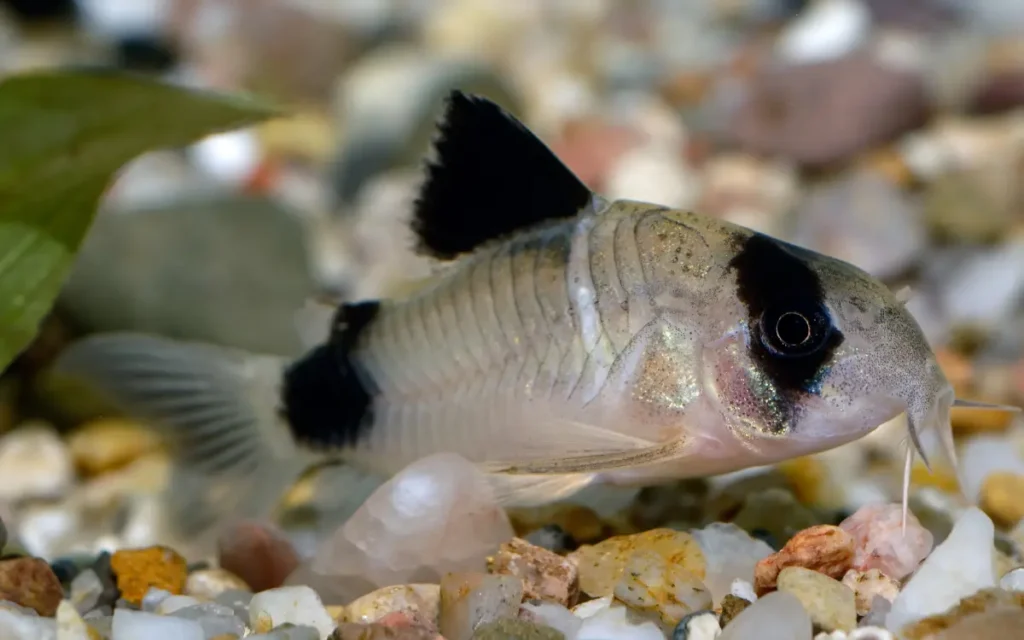
Dwarf Corys are armored, peaceful bottom feeders that are quick and unobtrusive. They tend to school near the substrate and are rarely seen as a threat or target by puffers. Because of their smaller size, they’re best kept in groups of 6+ and in tanks with plenty of cover.
7. Pygmy Corydoras (Corydoras pygmaeus)
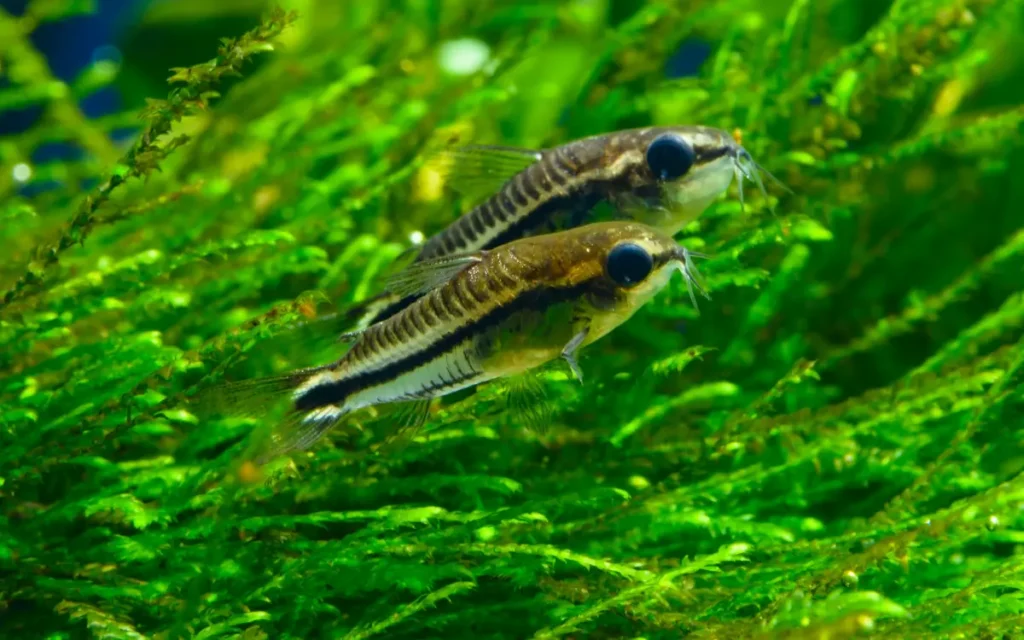
Pygmy Corys are slightly more active in the mid-water column than other Corydoras species, which can help them avoid attention. They’re tiny, fast, and social. In community tanks with calm puffers and dense plant cover, they often coexist successfully.
8. Nerite Snails (Neritina spp.)
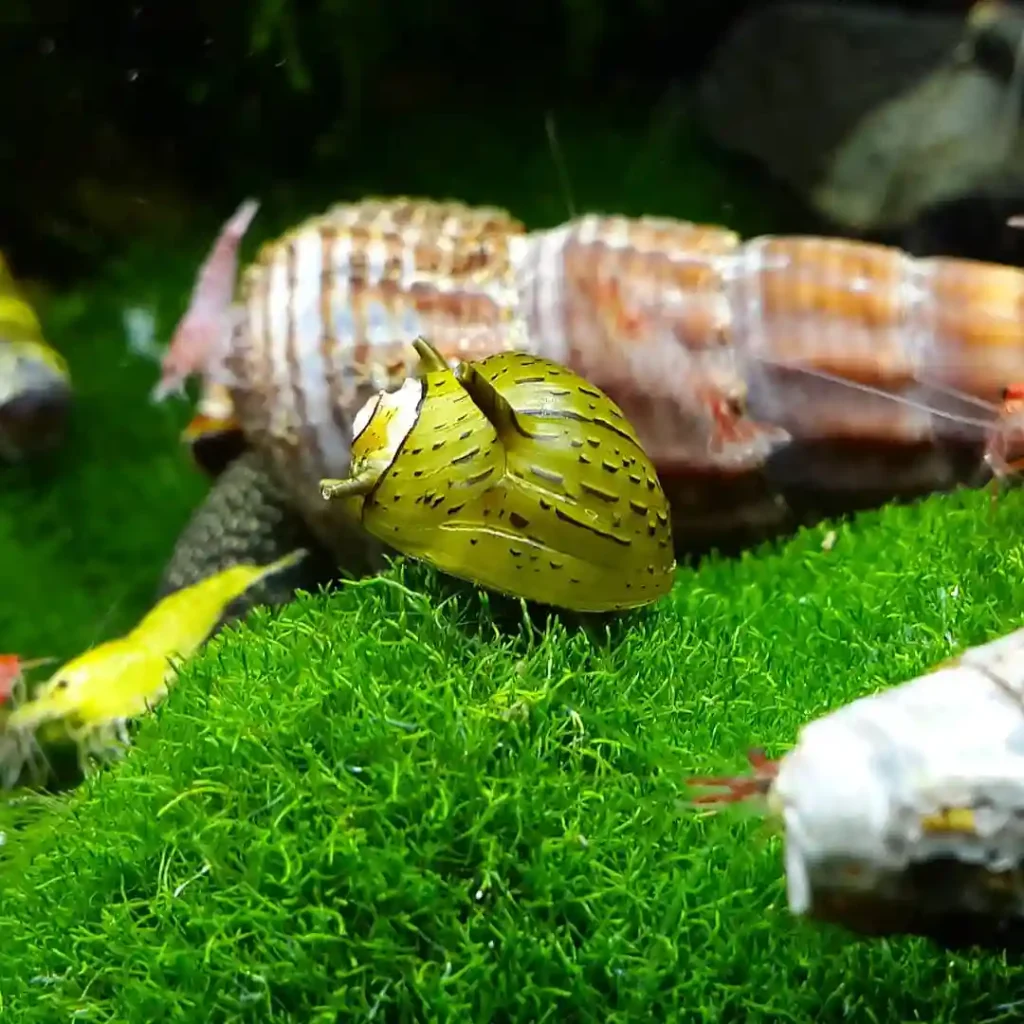
While many puffers are notorious snail hunters, Nerite Snails have hard, ridged shells that make them a tougher challenge. In some setups, especially with young or less aggressive puffers, Nerites are left alone. Still, results vary—observe closely, and avoid if you notice persistent nipping.
9. Adult Cherry Shrimp (Neocaridina davidi)
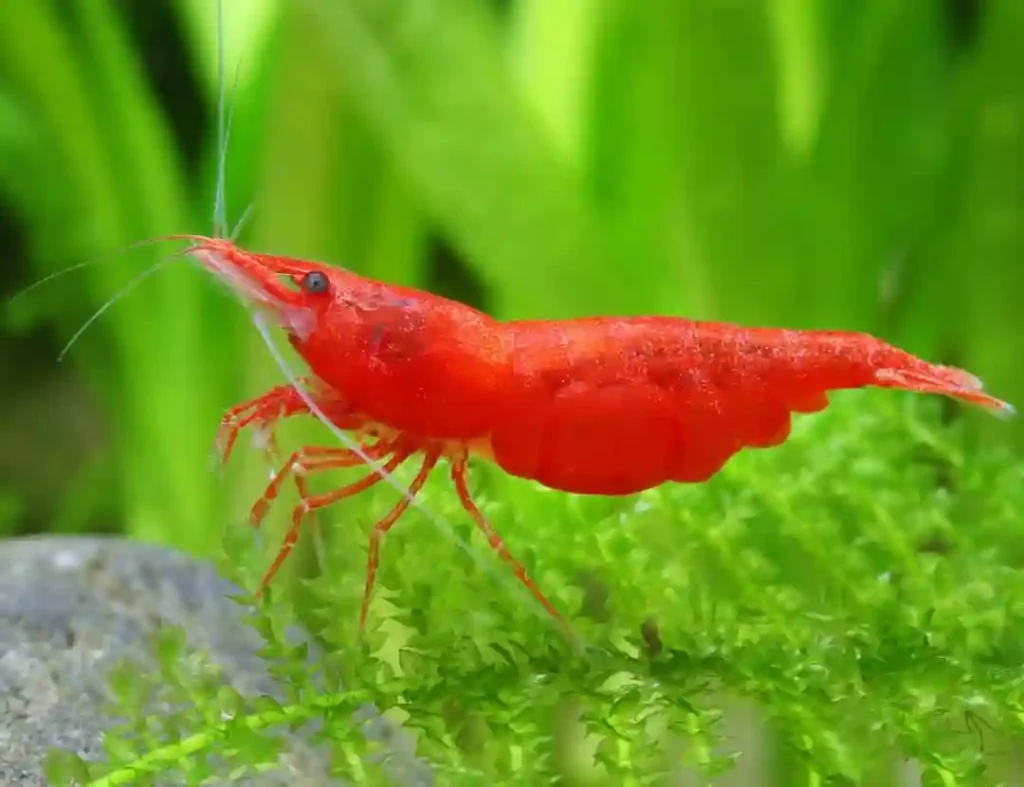
Cherry Shrimp are risky, but adults in heavily planted tanks with hiding spots can sometimes survive. Keep them only in well-established tanks with mature plants like Java moss or Anubias, and accept that baby shrimp may not make it.
Fish to Avoid With Pea Puffers
Despite their small size, pea puffers have a strong instinct to nip, chase, or harass fish that are too slow, flashy, or invade their space. Adding the wrong tank mates often leads to torn fins, stress, or even fatalities. Here are the species best left out of any puffer community setup:
1. Slow, Long-Finned Fish
Pea puffers are naturally drawn to slow, flowing fins—which they tend to nip. These species almost always become targets.
Avoid:
- Betta fish
- Guppies (especially males)
- Fancy Goldfish
- Angelfish
2. Tiny, Delicate Fish
Very small or slow fish may be seen as food or simply bullied to death.
Avoid:
- Neon Tetras
- Endler’s Livebearers
- Fry or juvenile fish of any species
3. Aggressive or Competitive Feeders
Avoid tank mates that will dominate feeding time or cause food-related aggression.
Avoid:
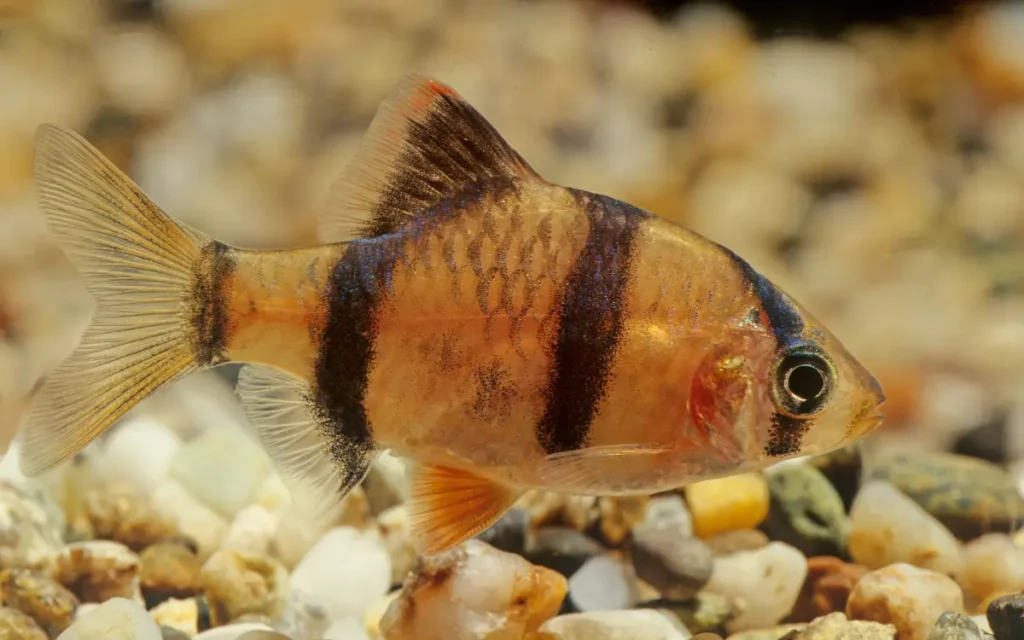
- Tiger Barbs
- Large Gouramis
- Danios (in smaller tanks)
4. Other Puffer Species
While multiple pea puffers can live together in carefully managed setups, mixing species of puffer—like green spotted or figure eight puffers—can lead to serious aggression or predation.
Can Pea Puffers Live Together?
Yes, pea puffers can live together, but it requires planning, space, and careful observation. Unlike larger puffers, pea puffers can be kept in groups when conditions are right—this includes adequate tank size, dense planting, and plenty of hiding spots.
Minimum Group Size
If you’re keeping more than one, aim for a group of 3 or more to help spread out aggression. A lone bully is less likely to target just one fish when there are multiple tank mates to interact with.
Tank Size Recommendations
- 1 pea puffer: 10 gallons
- 3 pea puffers: minimum 20 gallons
- Add 5 gallons for each additional puffer
More space means more territory, which is crucial to keeping the peace.
Provide Plenty of Visual Barriers
Live plants, rocks, driftwood, and caves help break up sight lines and allow submissive puffers to retreat. This reduces direct confrontations and mimics their natural environment.
Watch for Personality Conflicts
Even in ideal conditions, some puffers are more aggressive than others. Be ready to rehome or isolate a problematic individual if persistent bullying occurs.
FAQs
Can pea puffers live with shrimp?
Yes—but only with larger, fast-moving shrimp like Amano Shrimp. Smaller species like Cherry Shrimp may survive in well-planted tanks, but their babies are likely to be eaten. Always provide plenty of hiding spots.
Are snails safe with pea puffers?
Usually not. Pea puffers are known for hunting and nipping at snails, even larger ones. While Nerite Snails have hard shells and may survive in some setups, most puffers will still try to bite them.
What tank size do I need for pea puffers with other fish?
A minimum of 20 gallons is recommended for 3 puffers with carefully selected tank mates. For each additional puffer or group of tank mates, add at least 5 more gallons and ensure dense planting.
Do pea puffers eat other fish?
Not typically—but they will nip fins, harass slow fish, and eat small fry or very tiny species. While they don’t actively hunt larger fish, they can stress or injure them over time.
Can pea puffers live in a community tank?
Yes, but only with specific tank mates like Otocinclus, Amano Shrimp, Chili Rasboras, and Kuhli Loaches—and only in tanks with the right layout and plant cover. Choose species carefully and monitor their behavior closely.