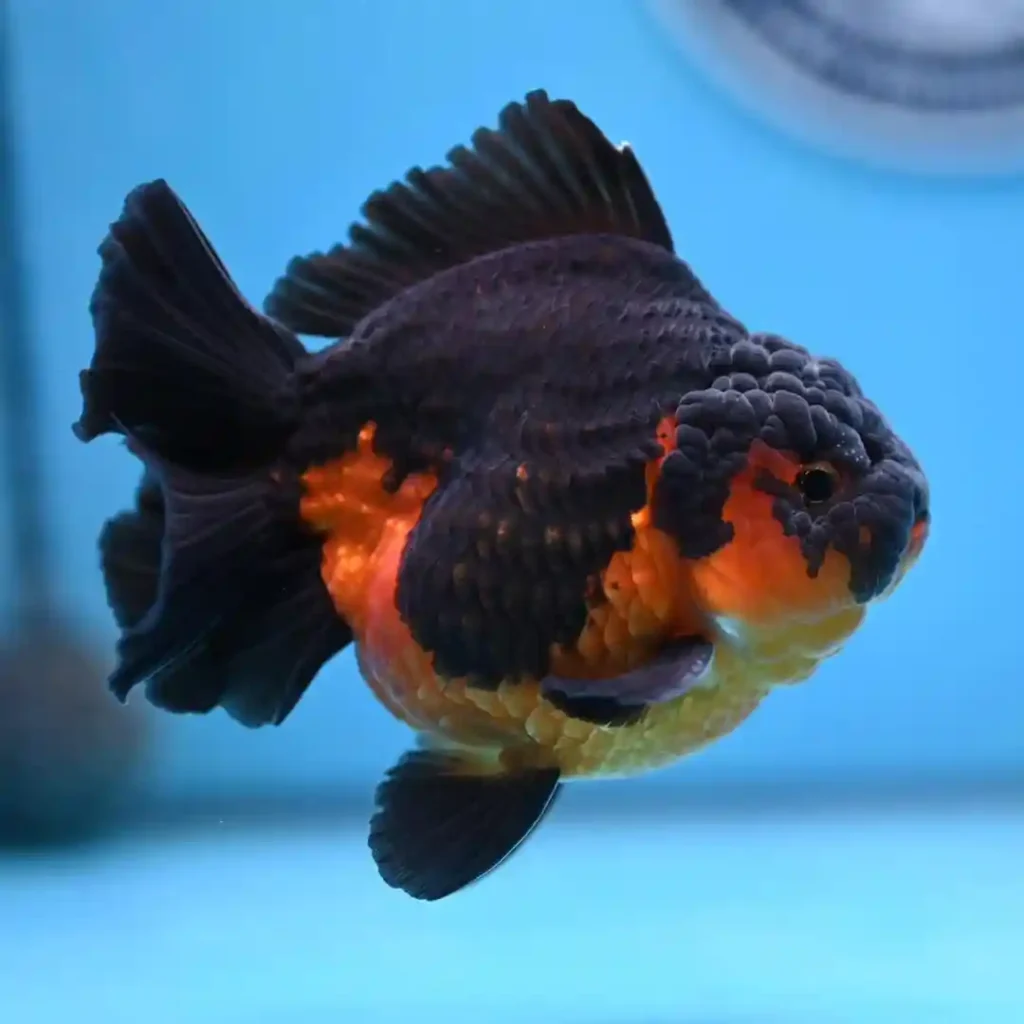
Ranchu goldfish are beloved for their rounded bodies, lack of a dorsal fin, and distinct head growth (wen). Often referred to as the “king of goldfish” in Japan, these peaceful and graceful swimmers require a specific care approach suited to their delicate build.
In this guide, you’ll learn everything you need to care for Ranchu goldfish, from tank size and feeding to water conditions and health considerations.
Quick Species Profile
| Feature | Details |
| Scientific Name | Carassius auratus (Ranchu) |
| Common Name | Ranchu Goldfish |
| Size | 5–8 inches |
| Lifespan | 10–15 years (up to 20 with care) |
| Origin | Japan (selectively bred) |
| Temperament | Peaceful, slow swimmer |
| Tank Size | 20+ gallons per fish |
| Temperature | 65–75°F |
| pH Range | 6.5–7.5 |
Appearance
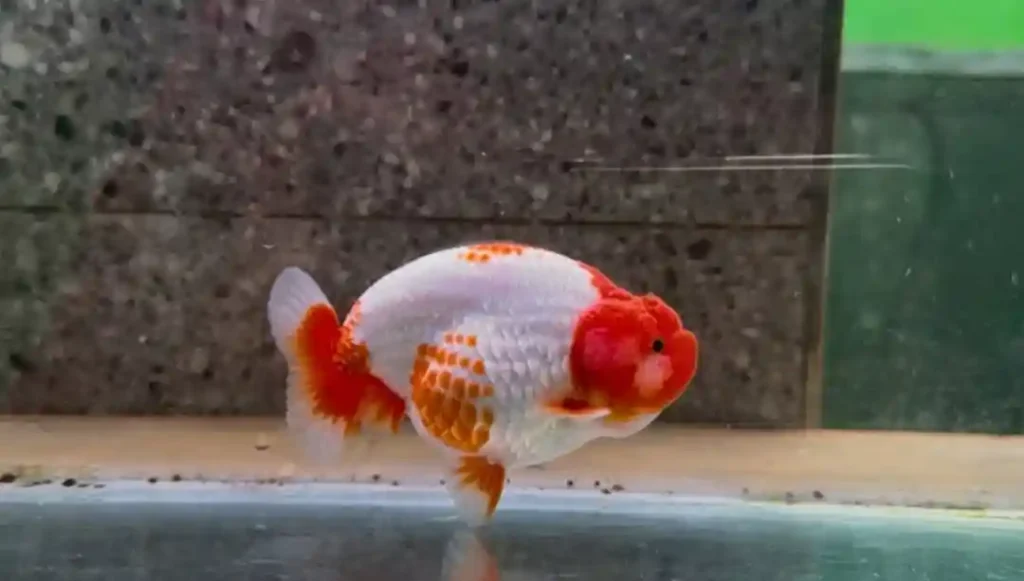
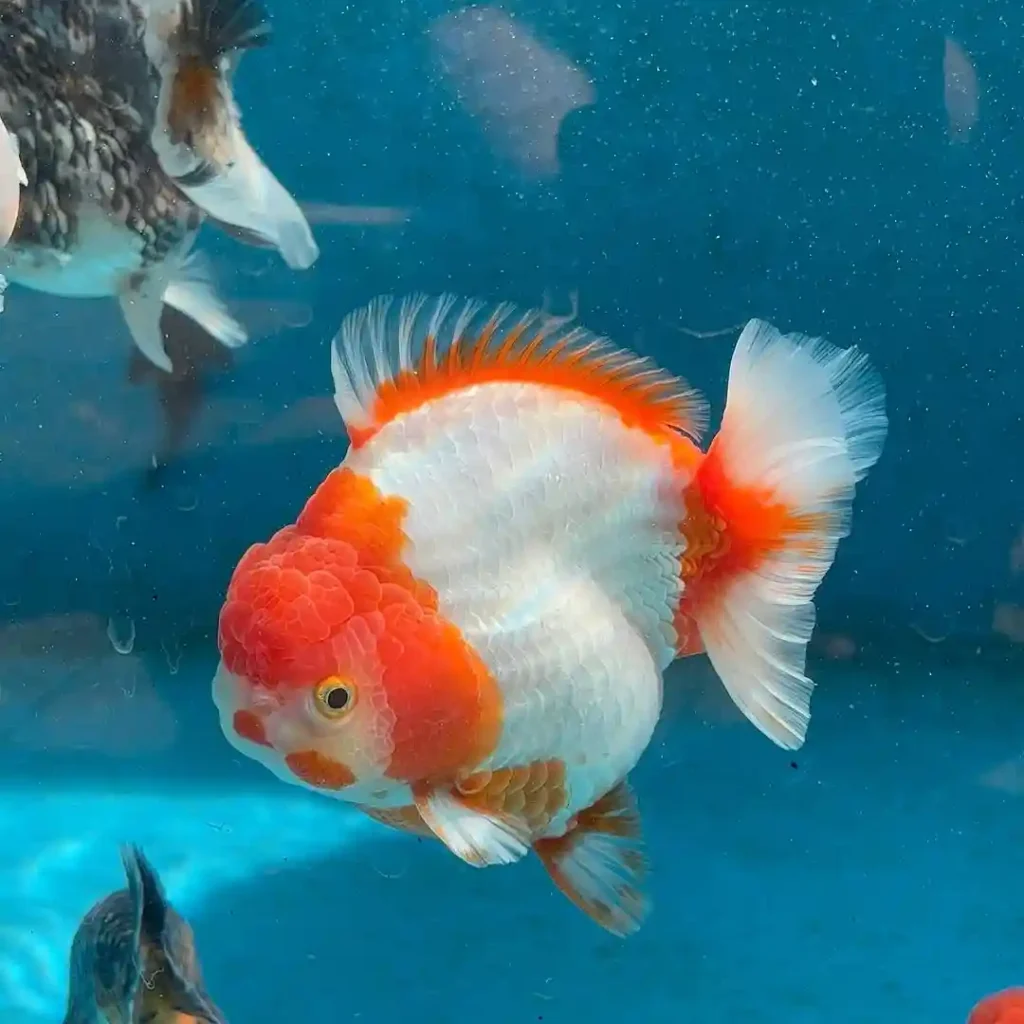
Ranchu goldfish are easily recognized by their lack of a dorsal fin, which gives them a smooth, arched back and a unique swimming style. Their prominent head growth (wen) develops as they mature, often covering the entire face. Colors range from orange, red, and white to calico and black.
Their body is compact and rounded, requiring smooth decorations and gentle filtration to avoid injury.
Lifespan
With proper care, Ranchus can live 10 to 15 years in aquariums, and up to 20 years in ideal conditions. Clean water, a stable diet, and a stress-free tank environment are essential to reach their full lifespan potential.
Ranchu Goldfish Size
Adult Ranchus typically grow between 5 and 8 inches. Their growth rate depends on tank size, diet, and water quality. Unlike slimmer goldfish types, they do not need as much swimming space but do need clean water and a low-flow tank.
Tank Size & Setup
Provide at least 20 gallons for one Ranchu, and add 10 gallons per additional fish. Ranchus are poor swimmers and do best in low-flow tanks with plenty of open swimming space.
Use sponge filters or gentle hang-on-back filters to keep the water clean without creating strong currents. Choose smooth substrate or go bare-bottom for easier maintenance.
Decorations should be soft or smooth, and hardy plants like anubias or java fern are ideal. Avoid sharp or abrasive objects that may damage their wen or body.
Water Parameters
Ranchus thrive in cool to moderate water temperatures (65–75°F) and stable water chemistry. Perform weekly water changes (25–50%) and test water frequently.
- Ammonia: 0 ppm
- Nitrite: 0 ppm
- Nitrate: <40 ppm
- pH: 6.5–7.5
Stable water conditions are more important than exact numbers.
Diet & Feeding
Ranchus require a balanced diet that supports slow, healthy growth and prevents swim bladder issues.
Feed high-quality sinking pellets or gel food formulated for fancy goldfish. Supplement with blanched veggies like peas, spinach, or zucchini. Occasionally offer treats like bloodworms or brine shrimp.
Feed once or twice daily and remove uneaten food within 2 minutes.
Behavior & Tank Mates
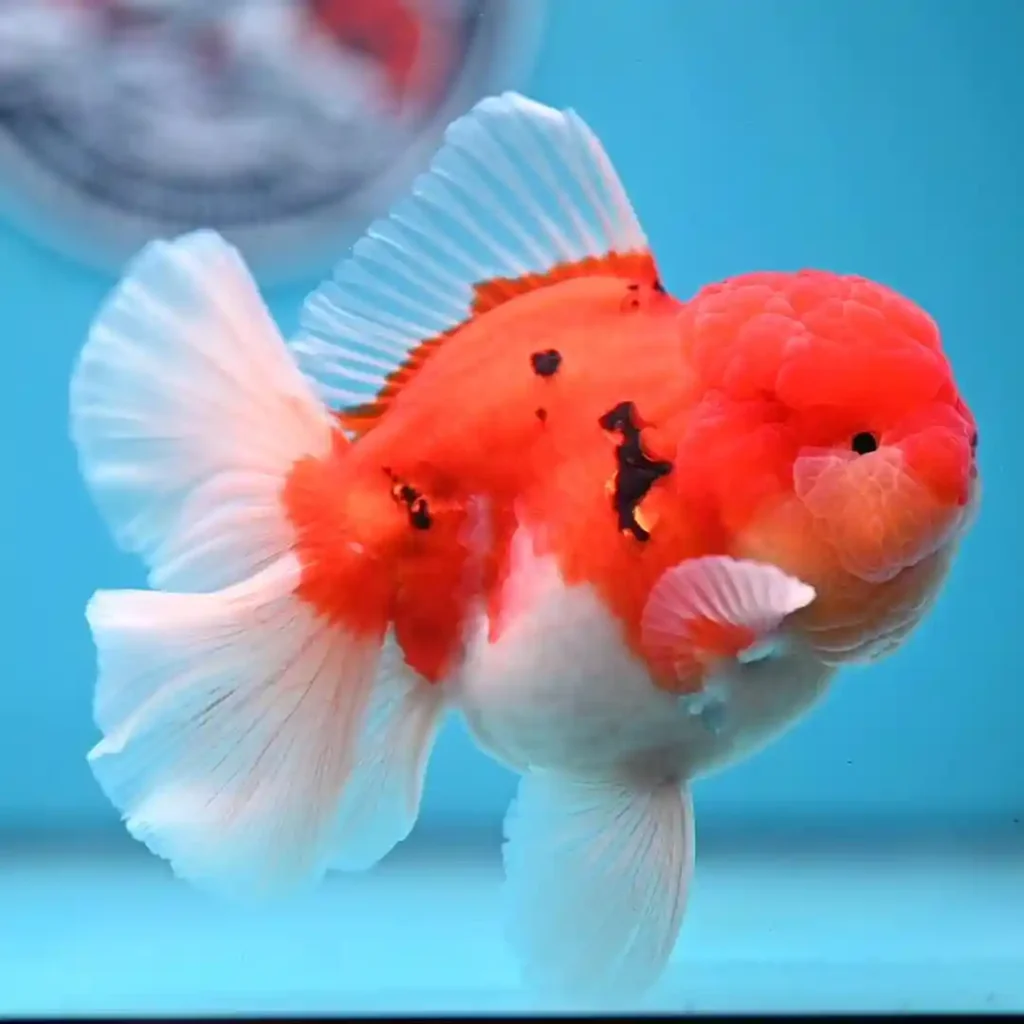
Ranchus are peaceful, slow swimmers that enjoy the company of similar fancy goldfish. Due to their poor swimming ability and delicate head growth, they should only be housed with other slow, gentle fish.
Compatible tank mates include:
- Oranda
- Lionhead
- Fantail
- Telescope
Avoid mixing with common or comet goldfish, or fast, competitive feeders.
Common Health Issues
The Ranchu’s wen and round body make them vulnerable to:
- Wen infections (bacterial/fungal)
- Swim bladder disorder
- Fin rot and ammonia burns
Keep the tank clean, perform regular water changes, and inspect the wen for discoloration or swelling. Quarantine new additions to prevent disease spread.
Breeding Ranchu Goldfish
Ranchus can breed in captivity. Males develop breeding tubercles during the season and chase females to trigger egg laying. Use soft spawning mops or fine-leaf plants.
Separate adults after spawning to prevent egg-eating. Feed fry with baby brine shrimp or infusoria until they are large enough for crushed pellets.
Final Thoughts
Ranchu goldfish are one of the most elegant and rewarding fancy goldfish to keep. Their gentle nature, unique look, and impressive head growth make them favorites among aquarists worldwide.
Provide clean water, soft surroundings, and a slow-flowing tank, and your Ranchu will thrive for years.
 **2. Platy** Platies are hardy and easygoing. They enjoy swimming in groups and come in a variety of bright colors. Great for peaceful community tanks. ➡️ [Platy Fish Guide →](#) **3. Zebra Danio** Known for their energy and toughness, zebra danios are perfect for cycling new tanks. They tolerate a wide range of conditions and like to dart around in groups. ➡️ [Zebra Danio Guide →](#) **4. Corydoras Catfish** Peaceful bottom-dwellers that help keep your tank clean. Keep them in groups of 3 or more and give them soft substrate. ➡️ [Cory Catfish Care →](#) **5. Molly** Adaptable to various water conditions (even brackish), mollies are lively and great for community aquariums. ➡️ [Molly Fish Care Guide →](#) **6. Swordtail** Easy to care for and great in peaceful groups. Males have a signature sword-like tail and love swimming space. ➡️ [Swordtail Fish Guide →](#) **7. Betta Fish** Low-maintenance and visually stunning. Best kept alone or with very peaceful tank mates like snails or Corydoras. ➡️ [Full Betta Fish Care Guide →](#) **8. Neon Tetra** Small and peaceful, neon tetras love to school and light up a planted tank. Keep them in groups of 6 or more. ➡️ [Neon Tetra Care Guide →](https://oceanbitez.com/neon-tetras/) **9. Harlequin Rasbora** A calm and schooling species that fits right into community setups. Easy to feed and care for. ➡️ [Harlequin Rasbora Guide →](#) **10. Dwarf Gourami** A gentle and colorful addition to a beginner’s tank. Likes planted environments and peaceful neighbors. ➡️ [Dwarf Gourami Guide →](#) **11. White Cloud Mountain Minnow** Can live in cooler temperatures and is perfect for unheated tanks. Small, peaceful, and easy to care for. ➡️ [White Cloud Minnow Guide →](#) **12. Cherry Barb** Peaceful and social, cherry barbs do well in planted tanks and enjoy being in small groups. ➡️ [Cherry Barb Care →](#) --- ### Sample Beginner Tank Combos **Combo 1: 10–15 Gallon Easy Starter** * 4–6 Guppies * 3 Corydoras Catfish * 1 Nerite Snail **Combo 2: 20 Gallon Planted Community** * 6 Harlequin Rasboras * 6 Neon Tetras * 1 Dwarf Gourami * 3 Otocinclus (optional if algae control is needed) --- ### Beginner Tips for a Successful Aquarium * Cycle your tank before adding fish (ammonia → nitrite → nitrate) * Start with hardy species before delicate ones * Feed small amounts once or twice daily * Do weekly partial water changes (20–30%) * Don’t mix aggressive or fin-nipping species * Use a heater for tropical fish (75–80°F) --- ### Final Thoughts These beginner fish are ideal for getting started in the hobby without frustration. They're low-maintenance, compatible, and fun to watch. Once you’re comfortable, you can explore more advanced species and community combinations. ➡️ Check out our full guide to [Freshwater Aquarium Fish →](https://oceanbitez.com/freshwater-fish/)](https://oceanbitez.com/wp-content/uploads/2024/06/Best-Freshwater-Fish-for-Your-Aquarium-1024x640.webp)