The Red Tail Shark is a popular freshwater fish known for its striking appearance. Its deep black body combined with a bright red tail creates a bold contrast that instantly draws attention in an aquarium. Because of this unique look, many aquarists choose Red Tail Sharks as a centerpiece fish in their tanks.
However, Red Tail Sharks are also known for their territorial behavior. They are not true sharks but a type of freshwater carp that can become aggressive toward certain fish, especially those that resemble them or occupy the same territory. Choosing the right tank mates is essential if you want to maintain a peaceful aquarium. In this guide, you’ll learn which fish work well with Red Tail Sharks, which ones should be avoided, and how to design a tank that minimizes aggression.
Red Tail Shark Behavior
Before choosing tank mates, it’s important to understand how Red Tail Sharks behave.
Territorial Nature
Red Tail Sharks are highly territorial fish. They often claim caves, plants, or decorations as their personal space. When other fish enter this area, the shark may chase them away.
Semi-Aggressive Personality
While not constantly aggressive, Red Tail Sharks can bully slow or bottom-dwelling fish. Their behavior often becomes more intense as they mature.
Active Bottom Swimmer
Red Tail Sharks spend most of their time swimming along the bottom of the tank. Because of this, they tend to compete with other bottom-dwelling fish.
What Makes a Good Tank Mate for Red Tail Sharks
To keep a peaceful aquarium, tank mates should share a few key traits.
Fast Swimming Fish
Fast swimmers are less likely to be bullied because they can quickly move away from territorial areas.
Fish That Occupy Upper Tank Levels
Fish that stay in the middle or top sections of the aquarium avoid competition for territory.
Medium-Sized Fish
Very small fish may become targets, while fish of similar size usually coexist better.
Semi-Active Species
Fish with moderate activity levels help maintain balance in the tank.
Best Red Tail Shark Tank Mates
These species are commonly kept with Red Tail Sharks when the aquarium is large enough.
Giant Danios
Giant Danios are fast swimmers that stay in the upper part of the aquarium. Their speed makes them difficult for Red Tail Sharks to chase.
Rainbowfish
Rainbowfish are active schooling fish that occupy the middle and upper levels of the tank. Their movement and size make them suitable companions.
Barbs (Certain Species)
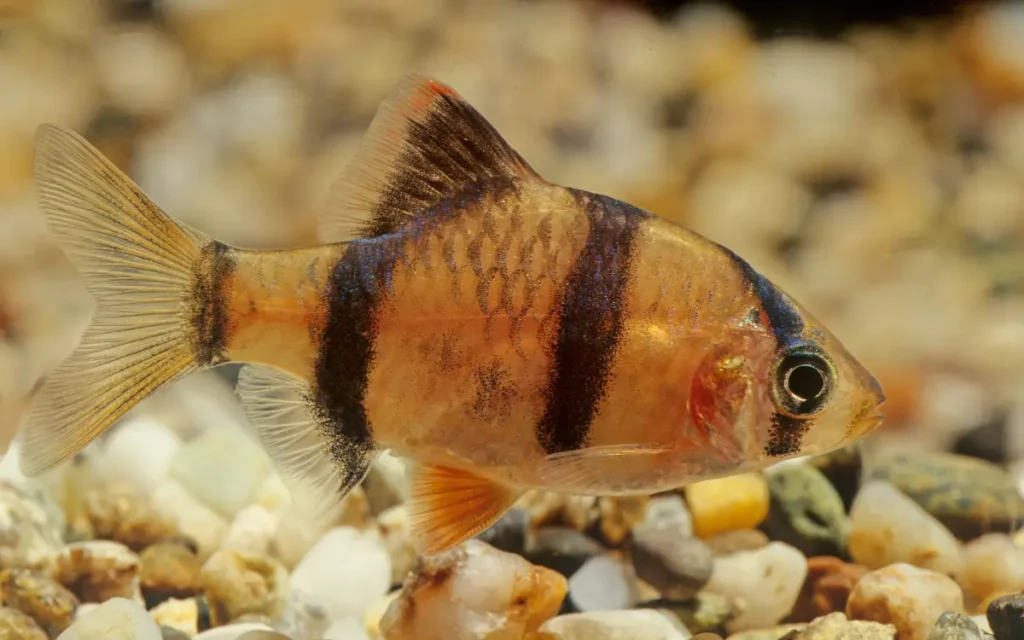
Some barbs, such as rosy barbs or tiger barbs, can coexist with Red Tail Sharks. They are active fish that usually ignore the shark’s territory.
Gouramis
Medium-sized gouramis often live peacefully with Red Tail Sharks because they prefer different areas of the tank.
Angelfish
Angelfish can sometimes coexist with Red Tail Sharks if the aquarium is spacious and well structured with plants and decorations.
Larger Tetras
Larger tetra species like black skirt tetras or diamond tetras can work as tank mates because they swim in groups and stay in the middle of the tank.
Tank Mates to Avoid With Red Tail Sharks
Some fish are poor companions for Red Tail Sharks and should generally be avoided.
Other Red Tail Sharks
Keeping multiple Red Tail Sharks in the same tank often leads to constant fighting unless the aquarium is extremely large.
Bala Sharks
Although they share the word “shark,” Bala Sharks are peaceful schooling fish that may become stressed by the territorial behavior of Red Tail Sharks.
Bottom-Dwelling Fish
Fish such as other territorial bottom dwellers may compete for space with Red Tail Sharks.
Very Small Fish
Tiny fish may become targets or stressed by the shark’s chasing behavior.
Shrimp and Snails
Red Tail Sharks may attack or eat small shrimp and snails.
Ideal Tank Setup for Red Tail Shark Community Tanks
A proper aquarium setup can reduce territorial conflicts.
Tank Size
A minimum of 55 gallons is recommended for keeping a Red Tail Shark with other fish. Larger tanks provide more territory and swimming space.
Hiding Spots
Rocks, caves, and driftwood help create separate territories and reduce aggression.
Plants and Decorations
Dense plants help break up sight lines and give fish places to hide.
Open Swimming Space
Red Tail Sharks are active swimmers, so leaving open areas in the tank is important.
Tips to Reduce Aggression
Keep Only One Red Tail Shark
This species is very territorial toward its own kind.
Rearrange Decorations Occasionally
Changing the layout of the aquarium can break established territories.
Add Fish Carefully
Introducing fish at the same time helps prevent one fish from dominating the tank.
Provide Plenty of Space
A larger tank almost always reduces aggression.
FAQs
Can Red Tail Sharks live with peaceful fish?
Yes, but the fish should be active and not too small. Slow or timid fish may become stressed.
Can Red Tail Sharks live with other sharks?
Generally no. Red Tail Sharks are territorial and often attack fish that resemble them.
How many Red Tail Sharks should be kept together?
Most aquarists keep only one Red Tail Shark per tank to prevent aggression.
What size tank does a Red Tail Shark need?
A 55-gallon tank or larger works best for keeping this fish with tank mates.
Are Red Tail Sharks aggressive?
They are considered semi-aggressive. With the right tank mates and setup, they can live in community aquariums.