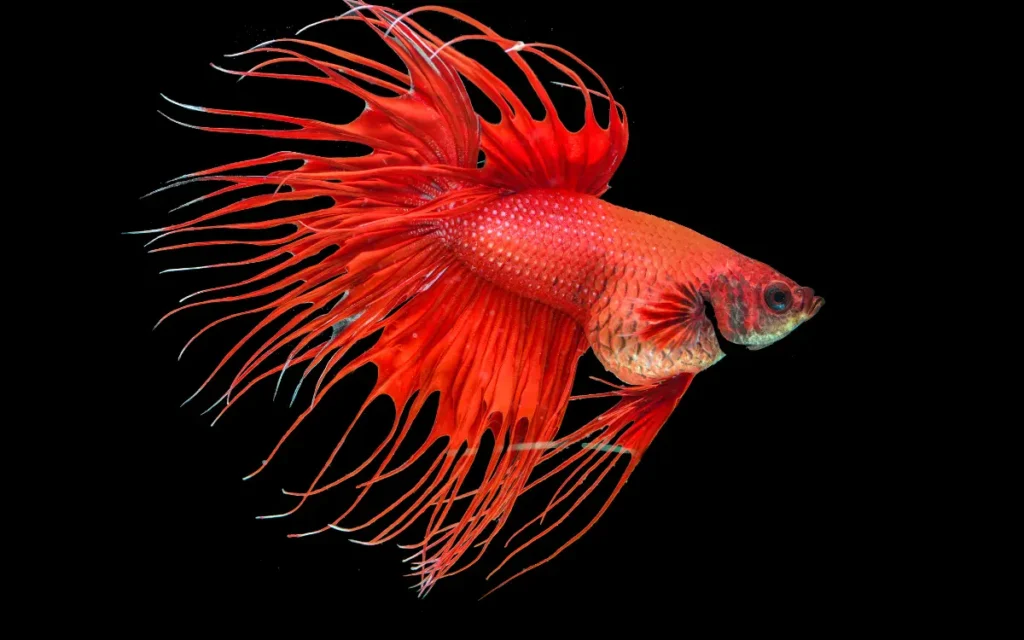
Veil Tail Bettas are the most common Betta fish variety, but “common” doesn’t mean boring. Their long, flowing fins and calm swimming style make them one of the most recognizable and beginner-friendly Bettas available. While newer Betta types often steal attention, Veil Tails remain a reliable choice for home aquariums because they are hardy, affordable, and adaptable.
This guide explains how to care for a Veil Tail Betta properly, including tank setup, feeding, behavior, compatible tank mates, and common health concerns. If you want a Betta that looks elegant and thrives in a simple setup, this is the variety to understand first.
What Is a Veil Tail Betta?
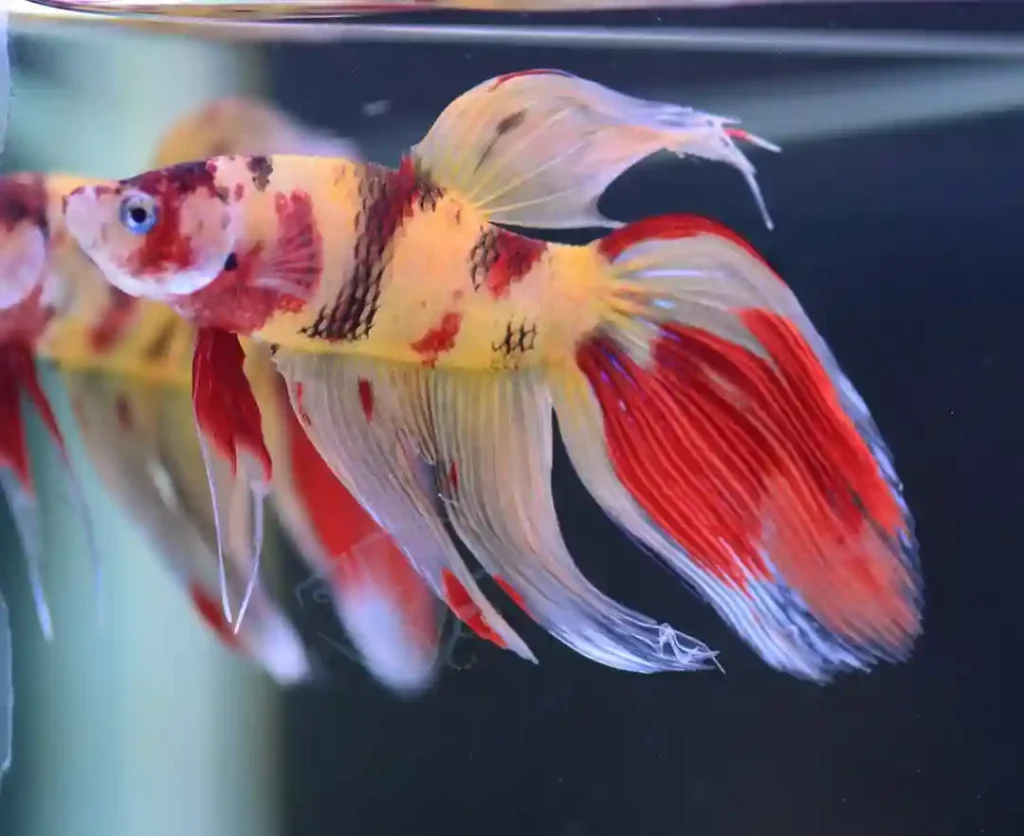
The Veil Tail Betta (Betta splendens) is a long-finned Betta variety with a tail that arches downward instead of spreading evenly. The fins flow behind the fish like fabric, which gives the Veil Tail its name.
Veil Tails have been mass-bred for decades and are widely available in pet stores. Because of this, they are often healthier and more forgiving of beginner mistakes than rare show-grade Bettas. While they are less common in Betta competitions today, they remain popular for everyday aquariums.
Veil Tail Bettas come in many colors, including red, blue, white, black, metallic shades, and bi-color patterns.
👉 You can compare Veil Tails with other Betta varieties in our Types of Betta Fish guide.
How to Identify a Veil Tail Betta
Veil Tails are easy to recognize once you know what to look for.
FeatureDescriptionTail ShapeLong tail that droops downward like a curtainFin StyleFlowing dorsal and anal finsColor RangeRed, blue, white, black, metallic, pastelMale vs FemaleMales have longer fins; females are shorter and stockier
Their fins are beautiful but delicate, which affects how their tank should be set up.
Veil Tail Betta Personality and Behavior
Veil Tail Bettas are usually calmer than short-finned types, but they are still territorial fish. Males may flare at reflections or other Bettas, especially in small tanks.
Typical behavior includes:
- Slow, graceful swimming
- Resting on plant leaves or décor
- Occasional flaring
- Bubble nest building in calm water
Because of their long fins, Veil Tails prefer gentle water flow. Strong currents can tire them quickly and lead to torn fins or stress.
Ideal Tank Setup for a Veil Tail Betta
A proper tank setup is the most important part of Veil Tail Betta care. Their fins are prone to damage, so safety and stability matter more than decoration.
Tank size: A minimum of 5 gallons is required. A 10-gallon tank provides better water stability and swimming space.
Filter: Use a sponge filter or low-flow filter. Strong filters often cause fin damage.
Substrate: Fine gravel or sand works best. Avoid sharp stones.
Plants: Live plants help reduce stress and improve water quality. Good options include:
- Anubias
- Java Fern
- Amazon Sword
- Floating plants like Water Sprite
Decor: Smooth caves, Betta logs, and silk plants provide hiding spots without tearing fins.
Lighting: Low to moderate lighting helps prevent stress and algae issues.
Lid: Always use a lid. Bettas can jump.
👉 For layout inspiration that actually works, see our Betta Fish Tank Ideas guide.
Compatible Tank Mates for Veil Tail Bettas
Veil Tail Bettas can live with other fish, but only in the right conditions. Their long fins make them vulnerable to fin-nipping species.
Good tank mates include:
- Nerite snails
- Mystery snails
- Corydoras catfish
- Ember tetras (in larger tanks)
- Kuhli loaches
Avoid:
- Tiger barbs and other fin nippers
- Aggressive or fast-moving fish
- Other male Bettas
👉 For a full breakdown, read our Best Betta Tank Mates guide.
Feeding and Nutrition
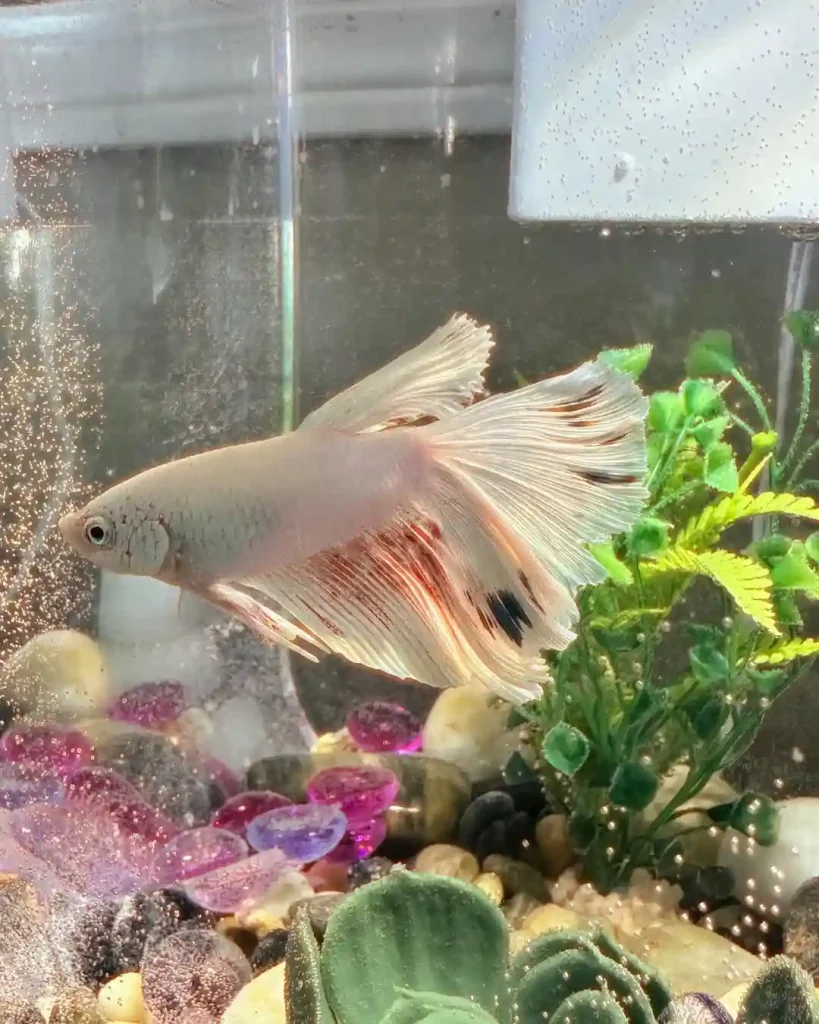
Veil Tail Bettas are carnivores and need a high-protein diet to maintain energy and fin health.
Best foods:
- High-quality Betta pellets
- Frozen bloodworms or brine shrimp
- Daphnia (helps digestion)
- Freeze-dried treats (occasionally)
Feed small portions once or twice daily. Overfeeding is one of the main causes of swim bladder issues and poor water quality.
Common Health Concerns in Veil Tail Bettas
Because of their long fins, Veil Tails are more prone to fin damage and infection.
IssueCommon CausePreventionFin RotPoor water qualityRegular water changesSwim Bladder IssuesOverfeedingPortion controlTorn FinsSharp décor or strong flowSmooth décor, gentle filter
Ideal water parameters:
- Temperature: 78–80°F
- pH: 6.5–7.5
- Ammonia & Nitrite: 0 ppm
- Nitrate: Below 20 ppm
Stable water prevents most Betta health problems.
Breeding Veil Tail Bettas (Optional)
Veil Tail Bettas can breed like other Betta varieties, but breeding requires a separate setup and experience. Without proper preparation, breeding attempts often lead to stress or injury.
Beginners are better off focusing on care before attempting breeding.
Where to Buy and Price Range
Veil Tail Bettas are widely available at pet stores and aquarium shops. They are one of the most affordable Betta types.
Typical price: $3–$8 Choose a fish with:
- Bright eyes
- Even, undamaged fins
- Active movement
Is a Veil Tail Betta Right for You?
Great choice if you want:
- A beginner-friendly Betta
- Flowing fins and classic looks
- A calm aquarium fish
Not ideal if you want:
- High-flow tanks
- Fin-nipping communities
- Rare or show-grade Bettas
For many aquarists, Veil Tail Bettas are the perfect balance of beauty, personality, and easy care.
 **2. Platy** Platies are hardy and easygoing. They enjoy swimming in groups and come in a variety of bright colors. Great for peaceful community tanks. ➡️ [Platy Fish Guide →](#) **3. Zebra Danio** Known for their energy and toughness, zebra danios are perfect for cycling new tanks. They tolerate a wide range of conditions and like to dart around in groups. ➡️ [Zebra Danio Guide →](#) **4. Corydoras Catfish** Peaceful bottom-dwellers that help keep your tank clean. Keep them in groups of 3 or more and give them soft substrate. ➡️ [Cory Catfish Care →](#) **5. Molly** Adaptable to various water conditions (even brackish), mollies are lively and great for community aquariums. ➡️ [Molly Fish Care Guide →](#) **6. Swordtail** Easy to care for and great in peaceful groups. Males have a signature sword-like tail and love swimming space. ➡️ [Swordtail Fish Guide →](#) **7. Betta Fish** Low-maintenance and visually stunning. Best kept alone or with very peaceful tank mates like snails or Corydoras. ➡️ [Full Betta Fish Care Guide →](#) **8. Neon Tetra** Small and peaceful, neon tetras love to school and light up a planted tank. Keep them in groups of 6 or more. ➡️ [Neon Tetra Care Guide →](https://oceanbitez.com/neon-tetras/) **9. Harlequin Rasbora** A calm and schooling species that fits right into community setups. Easy to feed and care for. ➡️ [Harlequin Rasbora Guide →](#) **10. Dwarf Gourami** A gentle and colorful addition to a beginner’s tank. Likes planted environments and peaceful neighbors. ➡️ [Dwarf Gourami Guide →](#) **11. White Cloud Mountain Minnow** Can live in cooler temperatures and is perfect for unheated tanks. Small, peaceful, and easy to care for. ➡️ [White Cloud Minnow Guide →](#) **12. Cherry Barb** Peaceful and social, cherry barbs do well in planted tanks and enjoy being in small groups. ➡️ [Cherry Barb Care →](#) --- ### Sample Beginner Tank Combos **Combo 1: 10–15 Gallon Easy Starter** * 4–6 Guppies * 3 Corydoras Catfish * 1 Nerite Snail **Combo 2: 20 Gallon Planted Community** * 6 Harlequin Rasboras * 6 Neon Tetras * 1 Dwarf Gourami * 3 Otocinclus (optional if algae control is needed) --- ### Beginner Tips for a Successful Aquarium * Cycle your tank before adding fish (ammonia → nitrite → nitrate) * Start with hardy species before delicate ones * Feed small amounts once or twice daily * Do weekly partial water changes (20–30%) * Don’t mix aggressive or fin-nipping species * Use a heater for tropical fish (75–80°F) --- ### Final Thoughts These beginner fish are ideal for getting started in the hobby without frustration. They're low-maintenance, compatible, and fun to watch. Once you’re comfortable, you can explore more advanced species and community combinations. ➡️ Check out our full guide to [Freshwater Aquarium Fish →](https://oceanbitez.com/freshwater-fish/)](https://oceanbitez.com/wp-content/uploads/2024/06/Best-Freshwater-Fish-for-Your-Aquarium-1024x640.webp)