

It’s normal for shrimp to stop moving after molting as they rest and let their new shell harden. This stillness can last several hours.
If your shrimp is lying on its side but its gills are moving and color looks normal, it’s likely recovering not dying.
Is It Normal for Shrimp to Stop Moving After a Molt?
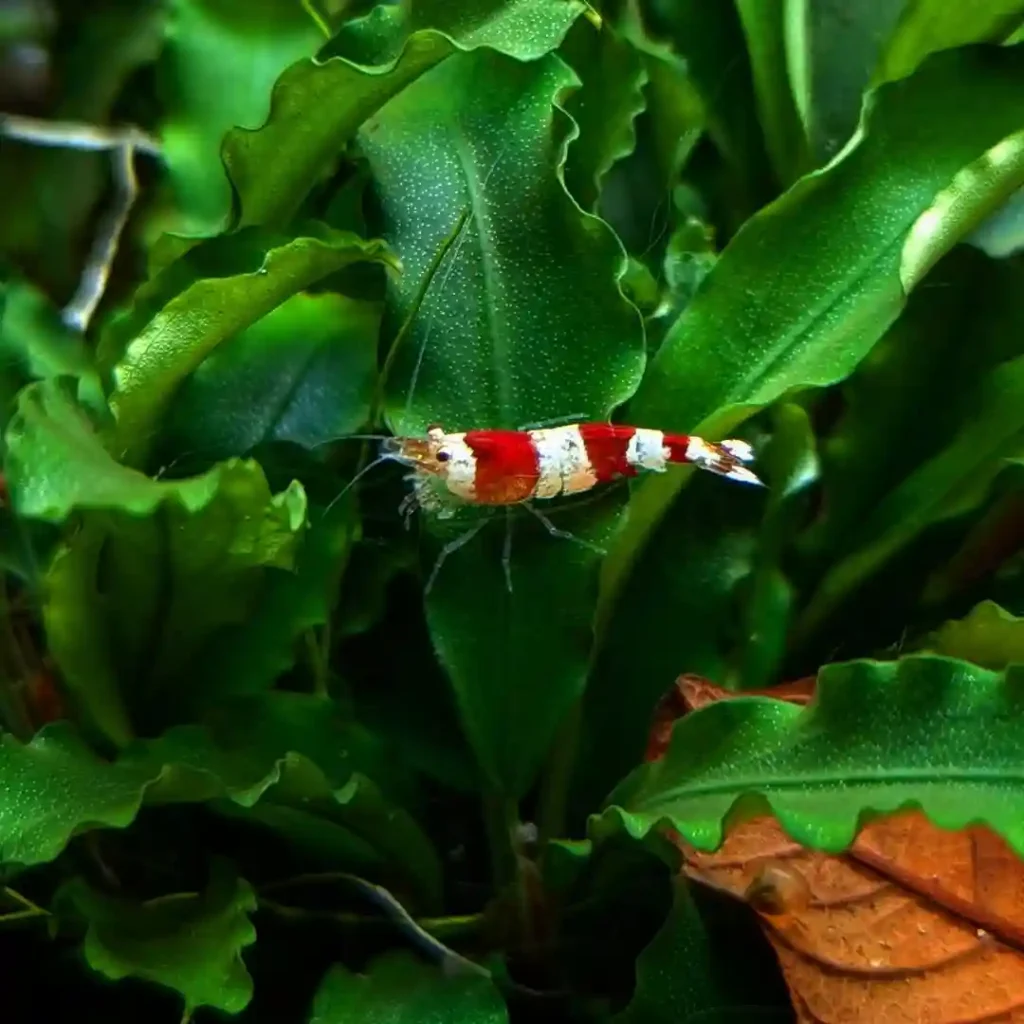
Yes, it’s completely normal for shrimp to become still right after molting. During this time, their new exoskeleton is soft and vulnerable. They stay motionless to avoid stress, injury, or attention from tankmates while their shell hardens.
Why Shrimp Stay Still After Shedding Their Shell
Molting is a stressful and energy-demanding process. Once they shed their old shell, shrimp need time to rest. The stillness you see helps:
- Reduce movement while their body is soft and delicate
- Conserve energy during recovery
- Lower risk of being seen by predators or aggressive fish
In shrimp-only tanks, this behavior is usually safe and short-lived.
How Long They Stay Still Post-Molt
Most shrimp stay still for a few hours to half a day after molting. During this time, they’ll hide under plants, behind rocks, or in shaded corners. It’s a natural self-protection instinct. In some cases—especially for larger species or older shrimp—it may take up to 24 hours to regain full activity.
Signs It’s a Healthy Rest vs. a Warning Sign
A resting shrimp after molting will:
- Breathe slowly through its gills
- Have bright or slightly translucent color
- Stay in a tucked, relaxed position
- Avoid food or movement, then gradually become active again
However, if your shrimp is curled, milky white, or not breathing, it may be in distress or already dead. We’ll cover how to tell the difference in an upcoming section.
Shrimp Molting Behavior by Species
While all shrimp molt, different species react a bit differently during the recovery phase. Knowing what’s normal for each type can help you worry less and act only when necessary.
Cherry Shrimp Not Moving After Molting
Cherry shrimp are small, soft-bodied, and often molt more frequently than larger species. After a molt, they usually hide and stay still for several hours, especially in heavily planted tanks. They prefer moss or shaded corners during this time and may not reappear until their shell is firm again.
As long as their color stays vibrant and their gills move, there’s usually nothing to worry about.
Amano Shrimp Still After Molt
Amano shrimp are larger and molt less often, but their recovery time tends to be longer. It’s not unusual for an Amano to lie motionless for up to 12–24 hours after a molt. Because of their size, the effort to molt is greater, and they need more rest.
Due to their pale color, Amano shrimp may look ghost-like or dead, but slow breathing and leg twitches are good signs they’re recovering.
Pregnant Shrimp Not Moving During or After Molting
Gravid (pregnant) shrimp usually don’t molt until after releasing their eggs. When they do, they may seem even more sluggish than usual. Hormonal changes and extra stress make their recovery longer.
It’s important not to disturb a shrimp that recently dropped eggs and molted—she’ll likely retreat and stay still to rebuild her strength.
White Shrimp or Glass Shrimp Motionless After Molt
Ghost shrimp or “white” shrimp have nearly transparent bodies, so spotting breathing or movement can be difficult. After molting, they may float in place or lie completely still.
Unless they turn milky or show signs of curling, it’s often just part of their normal molting behavior.
Shrimp Laying on Side After Molt — Is That OK?
Seeing a shrimp lying on its side right after a molt can be alarming, but in many cases, it’s nothing to worry about. It’s often part of the natural recovery process—unless other warning signs appear.
When It’s Normal (Soft Shell Recovery)
After molting, shrimp are extremely soft and fragile. Lying on their side helps reduce movement and pressure on their soft shell. It’s a defensive position that allows them to stay hidden while their body firms up.
As long as the shrimp is:
- Breathing (gills moving)
- Not curled tightly or upside down
- Not turning pale or milky
…it’s probably just resting. In well-planted tanks, this behavior is often missed because the shrimp hide while they recover.
When It’s Dangerous (White Ring of Death, Shock, or Weakness)
If your shrimp is on its side and showing any of the following signs, it may be in trouble:
- White ring across the back or neck (a sign of molting failure)
- No gill or leg movement after several hours
- Body curled under or twisted unnaturally
- Other shrimp acting the same way (could indicate water quality issues)
These signs suggest the shrimp is either stuck in the molt, in shock, or dying. In that case, test your water immediately and review your mineral levels—especially calcium and GH.
Is My Shrimp Dead or Just Molting?
It’s easy to mistake a freshly molted shrimp—or an empty molt—for a dead shrimp. Acting too quickly can cause unnecessary panic or even harm to a shrimp that’s simply resting. Here’s how to tell the difference.
How to Tell a Molt from a Motionless Shrimp
A molt looks like a fully formed shrimp shell but is:
- Completely hollow
- Extremely fragile and crumples easily
- Transparent or slightly foggy
- Often split near the neck or back
A motionless shrimp, on the other hand, will:
- Have visible body mass inside
- Show gill or leg movement if alive
- Lie in a relaxed or resting position, not floating
- Be slightly soft but not hollow
Look closely before assuming the worst. A molt will usually stay in one spot and may even be eaten by other shrimp within a day.
Key Differences in Appearance and Position
| Feature | Molt | Motionless Shrimp |
| Color | Transparent/hollow | Full color or pale |
| Gills | Absent | May still move slightly |
| Body mass | None (shell only) | Present |
| Behavior | Doesn’t respond at all | May twitch legs or antennae |
When to Wait and When to Remove It
If you’re unsure whether your shrimp is dead or just molting:
- Leave it alone for a few hours
- Observe for any signs of movement
- Avoid netting or touching it unless it starts to smell or cloud the water
In most cases, waiting a few hours gives you a clear answer. Removing a shrimp too soon can harm a molting individual that just needs time to recover.
Why Shrimp Die After Molting (and How to Prevent It)
While molting is a normal and necessary process for shrimp growth, it’s also the most dangerous time in their life cycle. Many shrimp deaths happen right after a molt—often due to preventable issues.
Causes: Lack of Minerals, Stress, or Poor Water Quality
Here are the most common reasons shrimp die after molting:
- Low calcium or GH (general hardness): Shrimp need minerals to form and harden their new shell. Soft water can lead to failed molts or weak recovery.
- Sudden water changes: Fast shifts in pH, temperature, or TDS (total dissolved solids) can trigger molting at the wrong time or prevent proper recovery.
- Stress from tankmates or handling: Even gentle cleaning or new fish can cause enough stress to interrupt the molting process.
- Dirty or unstable water: High ammonia, nitrites, or excessive nitrate can weaken shrimp, especially when they’re already vulnerable after shedding.
Read also: Ideal GH & KH for Shrimp Tanks: Full Water Guide
What Is the White Ring of Death?
The white ring of death is a visible white band between a shrimp’s head and body. It means the shrimp got stuck mid-molt—unable to fully break free of its old shell. This is almost always fatal.
It’s caused by:
- Incomplete molts
- Lack of minerals
- Poor hydration or internal stress
- Being forced to molt too quickly
Once you see the white ring, there’s little you can do—so prevention is the key.
Tips for Safe, Healthy Molts in Your Tank
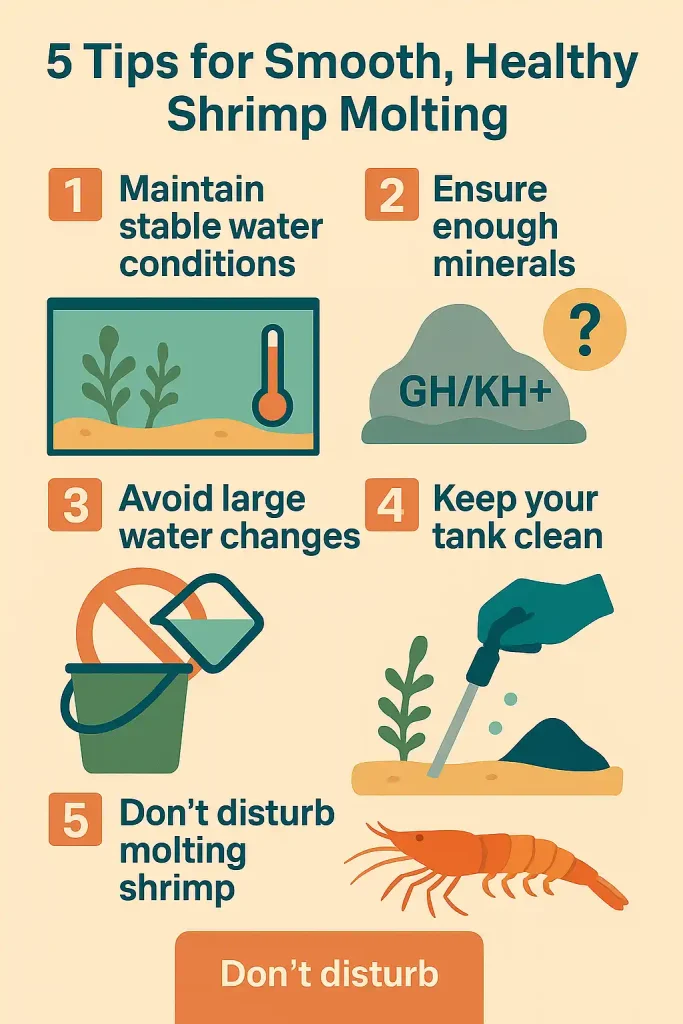
To give your shrimp the best chance at a safe molt:
- Maintain stable water parameters (especially GH: 6–8 for Neocaridina)
- Remineralize RO/DI water if used, using shrimp-safe products
- Add mineral supplements like shrimp-specific foods, Indian almond leaves, or cuttlebone
- Limit sudden changes in temperature, TDS, or pH
- Avoid overfeeding and keep your tank clean
With the right balance of water quality and nutrition, most shrimp will molt successfully and stay active in your tank for a long time.
Read also: Do Shrimp Need RO Water? (When It’s Necessary & How to Use It)
FAQ
Is it normal for shrimp to stop moving after they molt?
Yes, shrimp usually stay still for several hours after molting. Their new shell is soft, so they rest and hide until it hardens. As long as their gills move and they don’t appear curled or milky, it’s normal.
How long do shrimp rest after molting?
Most shrimp rest for 2 to 12 hours, sometimes up to 24. Larger species like Amano shrimp may stay still longer than small ones like cherry shrimp.
My shrimp is lying on its side after molting—should I be worried?
Not always. Lying on the side can be part of post-molt recovery. However, if the shrimp doesn’t move for 12+ hours, or shows signs like a white ring or pale color, check your water and mineral levels.
What is the white ring of death?
It’s a white band around the shrimp’s “neck” that means the shrimp got stuck while trying to molt. It’s usually fatal and caused by poor water conditions, low minerals, or molting stress.
Should I remove my shrimp if it’s not moving?
Only if you’re certain it’s dead. If gills are still moving, give it time. Removing it too soon might hurt a recovering shrimp or misidentify a harmless molt.
