
Ghost Shrimp Care Guide: Tank Setup, Feeding, Breeding & Tank Mates

Ghost shrimp (Palaemonetes paludosus) are small, transparent freshwater shrimp that make excellent cleaners and fascinating tank mates. Easy to care for and affordable, they thrive in peaceful aquariums with stable water conditions. This guide covers everything you need to know about ghost shrimp care from tank setup and feeding to lifespan, breeding, and ideal tank mates.
What Are Ghost Shrimp? (Palaemonetes paludosus Overview)
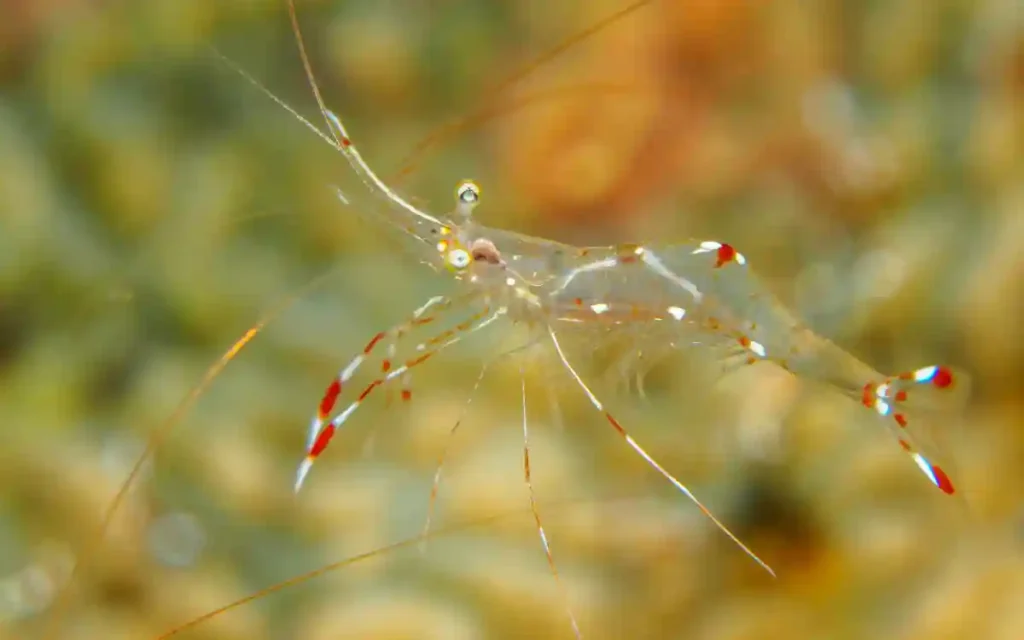
Ghost shrimp, also known as glass shrimp or Palaemonetes paludosus, are small, nearly transparent freshwater shrimp native to North America. Their see-through bodies make them both intriguing to watch and excellent at blending into planted tanks. Though often sold as feeder shrimp, they are also a popular choice for peaceful community aquariums.
These shrimp are active scavengers that spend their day picking at algae, leftover food, and debris. Their low cost, hardiness, and cleaning abilities make them ideal for beginners or anyone wanting to add a practical, low-maintenance invertebrate to their tank.
Key Facts:
- Scientific Name: Palaemonetes paludosus
- Common Names: Ghost shrimp, glass shrimp
- Size: Up to 1.5 inches
- Lifespan: Around 1 year
- Behavior: Peaceful, active foragers
- Use in Aquariums: Cleanup crew or live feeders
Ideal Tank Setup for Ghost Shrimp
While ghost shrimp are often sold as feeder shrimp, they deserve a proper setup when kept as pets. A clean, well-planted tank with stable water conditions helps them thrive, molt properly, and live out their full lifespan.
Tank Size and Layout
A minimum of 5 gallons is suitable for a small group of ghost shrimp, but a 10-gallon tank or larger provides better water stability and space for hiding. These shrimp enjoy grazing on hardscape, plants, and tank walls, so include features like:
- Fine gravel or sand substrate (easy to clean and safe for foraging)
- Live or silk plants for cover
- Driftwood, rocks, and moss for biofilm and shelter
Ghost shrimp are escape artists, so using a lid is recommended to prevent climbing out, especially after water changes.
Water Parameters
Ghost shrimp tolerate a wide range of water conditions, but they do best with consistency. Here’s what to aim for:
ParameterIdeal RangeTemperature72–82°F (22–28°C)pH6.5–8.0GH5–12 dGHKH3–10 dKHTDS150–300 ppm
Avoid rapid shifts in temperature or chemistry, especially around molting periods.
Filtration and Flow
Use a sponge filter or a gentle hang-on-back filter with a pre-filter sponge on the intake to avoid shrimp getting sucked in. Ghost shrimp appreciate oxygen-rich water and mild flow, but avoid setups with strong currents.
Heating
Depending on your climate, a heater may or may not be necessary. If your room temperature regularly drops below 70°F, a heater will help maintain stable conditions and reduce molting stress.
What to Feed Ghost Shrimp
Ghost shrimp are scavengers by nature and play an important role in keeping tanks clean. They spend most of their time foraging for algae, uneaten food, and organic debris. However, a well-balanced diet is still essential for their health, growth, and successful molting.
Natural Diet in the Aquarium
In established tanks, ghost shrimp will graze on:
- Algae growing on plants, glass, and decorations
- Biofilm
- Detritus and decaying plant matter
- Leftover fish food
While they can survive by scavenging, relying on this alone often leads to nutritional gaps—especially in cleaner or newer tanks.
Best Foods to Feed Ghost Shrimp
To ensure your ghost shrimp get enough nutrition, supplement their diet with:
- Algae wafers
- Sinking shrimp pellets or micro pellets
- Blanched vegetables (zucchini, spinach, cucumber)
- Crushed flake food
- Occasional protein treats like bloodworms or brine shrimp
Feed small amounts to prevent overfeeding and water pollution. Ghost shrimp have small appetites and may continue picking for hours.
Feeding Schedule and Tips
- Feed 2–3 times per week if your tank has enough natural food sources
- In bare or minimal tanks, feed more regularly
- Remove uneaten food after 2–3 hours to prevent ammonia spikes
- Use a feeding dish or drop food in the same area to monitor consumption
Providing a consistent diet helps support healthy molting and reduces aggression in mixed-species tanks.
Breeding Ghost Shrimp in Home Aquariums
Breeding ghost shrimp is possible in freshwater tanks, and unlike some shrimp species, they don’t require brackish water for their larvae to survive. However, their tiny young are delicate, and most won’t survive in community tanks unless precautions are taken.
Reproductive Behavior
Female ghost shrimp are larger and develop a green or yellowish saddle on their back when carrying eggs. Once fertilized, they carry the eggs under their abdomen (referred to as being “berried”) for about 2–3 weeks before releasing free-swimming larvae.
Breeding Conditions
Ghost shrimp don’t need much encouragement to breed. Clean water, a stable tank, and plenty of food will usually be enough. That said, survival rates of the offspring are very low in community tanks, as the tiny larvae are often eaten or sucked into filters.
To improve success:
- Use a separate breeding tank if possible
- Add moss, floating plants, or fine-leaved plants for hiding
- Reduce filtration flow or cover filter intakes with sponge
- Keep tank mates minimal or shrimp-only
Baby Shrimp Care
Newly hatched ghost shrimp larvae are almost invisible and float freely for the first few days. They require:
- Clean, stable water
- Very fine food like infusoria, powdered algae, or baby shrimp powder
- No predators or large water movement
Once the larvae grow legs and settle to the bottom (around 5–7 days), they begin to look and behave like miniature adults. At this stage, they can be fed crushed flakes or baby shrimp food.
Breeding ghost shrimp can be rewarding, but it requires patience, planning, and good timing to protect the fry.
Ghost Shrimp Lifespan and Growth

Ghost shrimp are short-lived compared to other freshwater shrimp species, but with proper care, they can still live a full and active life in your aquarium.
Average Lifespan
Ghost shrimp typically live for one year, though some may live slightly longer in ideal conditions. Because of their low cost and short lifespan, they are often sold as feeder shrimp, but they can thrive as pets with the right care.
Factors that influence lifespan include:
- Water quality
- Diet
- Stress from tank mates
- Stable temperature and parameters
Even though they don’t live long, ghost shrimp reproduce easily, allowing hobbyists to maintain self-sustaining populations in shrimp-only or peaceful tanks.
Growth and Molting
Ghost shrimp grow through molting, where they shed their exoskeleton to allow for size increase. Juveniles molt every few days, while adults molt every few weeks.
Signs of healthy molting:
- Increased hiding right before shedding
- Discovery of clear exoskeletons in the tank
- Return to normal behavior after molting
To support molting:
- Maintain proper GH and KH levels
- Offer a varied diet with calcium-rich foods
- Avoid sudden water changes or temperature drops
Unsuccessful molts—where shrimp get stuck or die mid-molt—are often signs of stress, low minerals, or unstable conditions.
Ghost Shrimp Tank Mates and Compatibility
Ghost shrimp are generally peaceful and get along well in community tanks, but their small size and transparent bodies make them vulnerable to predatory or aggressive tank mates. Choosing the right companions is key to keeping them safe and stress-free.
Best Tank Mates for Ghost Shrimp
Ghost shrimp can live peacefully with many small, non-aggressive species, including:
- Small tetras (like neon or ember tetras)
- Rasboras
- Corydoras catfish
- Otocinclus
- Snails (like Nerites or Mystery snails)
- Other non-aggressive shrimp (such as cherry shrimp)
Keep in mind that even peaceful fish may eat baby shrimp or newly molted adults if they’re small enough to fit in their mouths.
Tank Mates to Avoid
Avoid housing ghost shrimp with larger or semi-aggressive fish, including:
- Betta fish (temperament varies)
- Angelfish
- Gouramis
- Cichlids
- Larger barbs or danios
- Any known shrimp predators
These fish may nip, harass, or eat ghost shrimp, especially after they molt.
Shrimp-Only Tanks
For maximum activity, safety, and breeding success, many shrimp keepers choose to keep ghost shrimp in a shrimp-only tank. This allows them to forage openly without fear, show natural behaviors, and increase their chances of successful breeding.
Common Problems with Ghost Shrimp
While ghost shrimp are hardy and beginner-friendly, they can still experience issues—especially in unstable or overcrowded tanks. Recognizing early signs of stress or poor conditions can help prevent larger problems.
Sudden Deaths
One of the most common complaints is shrimp dying shortly after introduction. Causes include:
- Poor acclimation (shock from sudden temperature or pH change)
- Exposure to copper (often found in fish medications)
- Ammonia or nitrite spikes
- Inadequate oxygen or high temperatures
To reduce the risk, drip-acclimate new shrimp and test water regularly.
Failed Molts
Ghost shrimp need to molt to grow, but if the process fails, they can become stuck and die.
Common causes of molting issues:
- Low mineral content (GH/KH too low)
- Sudden water parameter swings
- Poor diet lacking calcium or protein
- Stress from aggressive tank mates
Support healthy molting with stable water, proper hardness, and a balanced diet.
Aggression and Cannibalism
Although generally peaceful, ghost shrimp can become aggressive toward each other in crowded tanks or if food is limited. This is especially true after molting, when shrimp are soft and vulnerable.
Prevent this by:
- Providing enough hiding spots
- Keeping shrimp density low
- Feeding consistently without overfeeding
Discoloration or Inactivity
Ghost shrimp may lose transparency or turn milky-white before death. If they stop moving or hide constantly, check for signs of poor water quality, temperature swings, or copper exposure.
FAQs
Are ghost shrimp good tank cleaners?
Yes. Ghost shrimp are excellent scavengers that feed on leftover food, algae, and biofilm. While they won’t eliminate all algae or waste, they contribute to overall tank cleanliness.
Can ghost shrimp live with cherry shrimp?
They can, but ghost shrimp are slightly more aggressive and opportunistic. In well-fed, planted tanks with hiding spots, they typically coexist without issues. Monitor for any bullying, especially after molting.
Do ghost shrimp need a filter?
Yes. Like all shrimp, ghost shrimp require stable, oxygenated water. A sponge filter is ideal, offering both mechanical filtration and a surface for biofilm to grow on.
Can you keep ghost shrimp alone?
Yes, but they are more active and display natural behaviors when kept in small groups. A group of 4–6 or more is ideal for a small aquarium.
How often do ghost shrimp molt?
Juvenile ghost shrimp molt every few days as they grow. Adults molt about every 3–4 weeks. Successful molting depends on water stability and mineral content.
Can ghost shrimp live without a heater?
They can in room temperatures that stay above 70°F, but a heater is recommended in colder climates or to maintain stability, especially during seasonal changes.
