Choosing the right substrate is a key decision when setting up a new aquarium. It shapes how the tank looks, how your fish behave, and how stable the water stays over time. Many beginners think substrate is just decoration, but it influences everything from filtration to comfort to pH.
This guide gives you a clear explanation of each substrate type, how to choose the right one, and how to set it up without problems. Whether you keep community fish, shrimp, cichlids, bottom feeders, or a few live plants, you will understand exactly what works and why.
What Is Aquarium Substrate
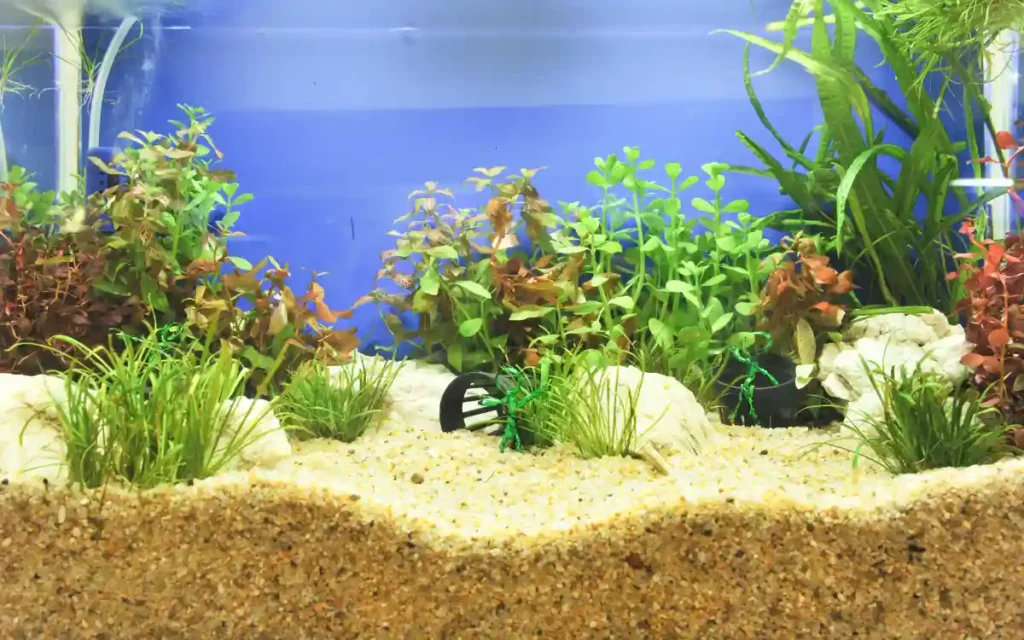
Substrate is the material that covers the bottom of your tank. It forms the base of your aquascape and provides a surface for bacteria, plant roots, and natural fish behavior.
The Basic Role of Substrate
A large part of your tank’s beneficial bacteria lives in the substrate. These bacteria help break down waste and keep water conditions stable. Substrate also helps anchor plants and décor so the tank layout stays in place.
Does Every Aquarium Need Substrate
Not always. Some setups work better without it.Bare-bottom tanks are common for breeding, treating sick fish, and raising young fish because they are easier to clean.
For most regular tanks, a good substrate makes the aquarium look more natural and supports healthy behavior.
Benefits of Using Substrate in a Freshwater Tank
1.Helps Stability and Filtration
Substrate offers a wide area for bacteria to grow. This helps the tank cycle properly and handle waste more smoothly.
2.Improves Fish Behavior
Many fish depend on the bottom surface. Corydoras, loaches, kuhli eels, plecos, and many cichlids interact with the substrate as part of their natural habits. The right material supports these behaviors without causing injury.
3.Better Aesthetics
Substrate sets the visual tone of the tank. Dark grains highlight fish colors while lighter grains create an open, bright look.
pH Influence of Different Substrates
Some substrates change your water chemistry. Neutral substrates keep your pH steady, while certain materials raise or lower it.
Here is a simple overview:
Neutral or safe for all fish
- Gravel
- Sand
- Baked clay
Lowers pH
- Active planted-tank soils
- Some shrimp soils
Raises pH
- Crushed coral
- Aragonite
- Specialty cichlid substrates
If you keep fish that need specific water conditions, match your substrate with your stocking plan.
Types of Aquarium Substrates
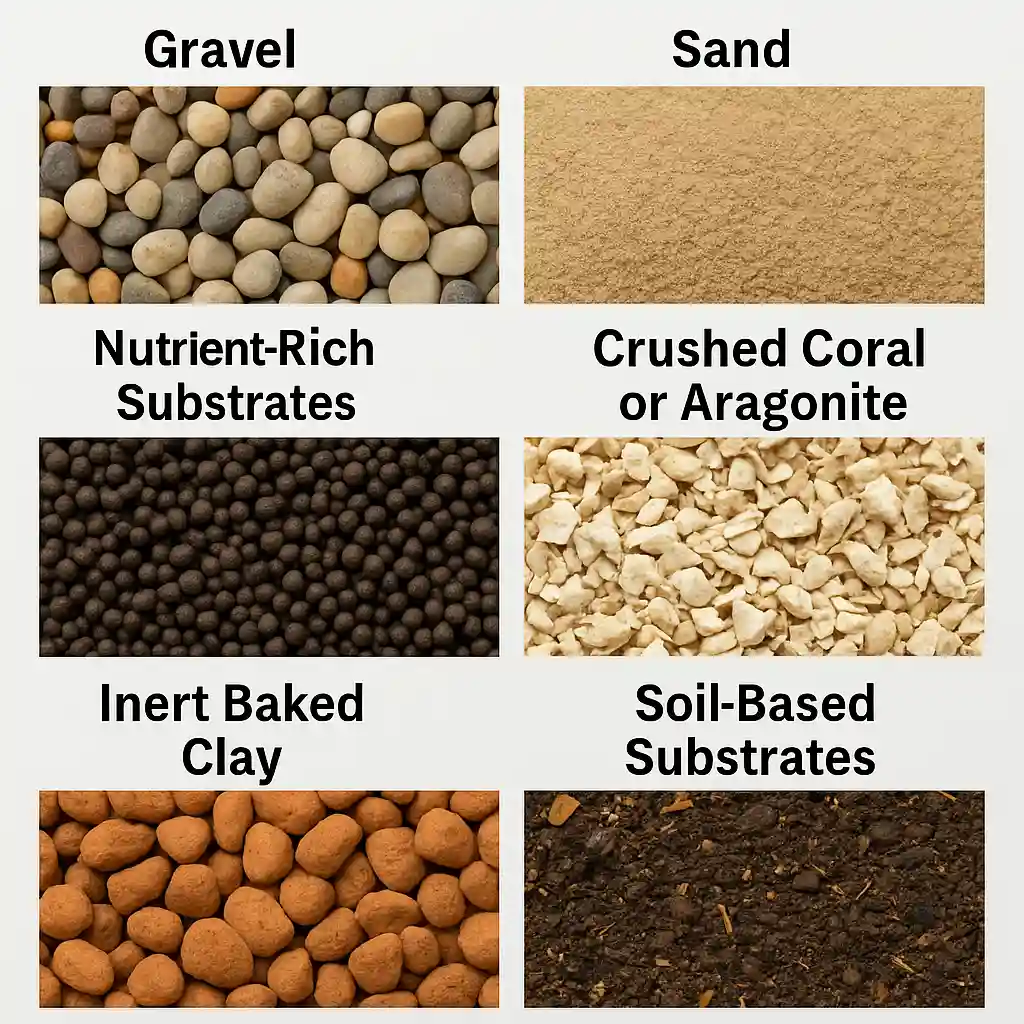
Gravel
Gravel is one of the most beginner-friendly options.
It is simple to rinse, easy to vacuum, and comes in many shapes and colors. Medium gravel works well for community tanks and allows water to move through it, which helps prevent debris build-up.
Sand
Sand creates a clean, natural look. It is ideal for bottom feeders because fine grains do not damage their sensitive mouth parts. Sand may need light surface stirring to avoid compact areas, but overall it is easy to maintain once you learn how it behaves.
Nutrient-Rich Substrates
These substrates release nutrients slowly and are created for planted tanks. They support strong root growth but can lower pH. They are best used when you plan to keep many live plants or soft-water shrimp.
Inert Baked Clay
Baked clay substrates are light and packed with pores that support bacteria. They are suitable for light to moderate planting and are safe for community fish and shrimp. Since they are inert, they do not affect your water chemistry.
Crushed Coral or Aragonite
These materials slowly dissolve and raise pH and hardness. They work well for African cichlids, livebearers, and other fish that prefer harder water. They should not be used with fish that need soft, neutral water.
Soil-Based Substrates
Some aquarists use regular soil under a sand or gravel cap. Soil gives strong plant growth but needs careful setup. If not capped well, it can cloud the water or escape into the filter.
Read also: How to Set Up a Freshwater Planted Tank (Beginner’s Step-by-Step Guide)
Simple Comparison Table
This table helps readers quickly compare the most common choices.
| Substrate Type | Cost | Ease of Use | Good For | Avoid When |
| Gravel | Low to medium | Very easy | Community tanks | Sensitive bottom feeders |
| Sand | Low | Easy with practice | Bottom feeders, natural scapes | Tanks with strong flow |
| Active Soil | Medium to high | Easy to moderate | Planted tanks, shrimp | Hard-water fish |
| Baked Clay | Medium | Easy | Planted and community tanks | Fish needing high pH |
| Crushed Coral | Medium | Easy | Cichlids, livebearers | Soft-water fish |
| Soil (capped) | Low | Hard | Advanced planted tanks | Beginners |
Expert Insight
Aquascaper Perspective:
“A substrate should match the tank’s purpose. Focus less on what looks pretty in the bag and more on how it supports the behavior of your fish and the stability of your system. A stable substrate choice helps your tank settle faster and stay balanced for the long run.”
How to Choose the Best Substrate for Your Tank
Choose Based on Fish Type
Bottom feeders need soft sand. Goldfish need smooth grains that will not get stuck in their mouths.
Cichlids do well on substrates that support digging and match their natural water chemistry.
Shrimp tanks benefit from darker, fine-grain soils.
Choose Based on Tank Purpose
Community tanks are flexible. Breeding tanks may stay bare. Shrimp tanks may need buffering soils.
Display tanks often focus on color and layout.
Choose Based on Plant Needs
Heavily planted tanks do better with nutrient-rich substrates or baked clay. Lightly planted tanks can use gravel with root tabs.
Choose Based on Water Chemistry
Check if your chosen substrate raises or lowers pH before adding fish.
How Much Substrate Do You Need
Most tanks work well with around two inches of substrate. Sand can be slightly thinner. Planted tanks may need deeper areas in the back for tall plants.
Simple Depth Diagram
Front of tank
1 inch
Middle
1.5 to 2 inches
Back
2 to 3 inches for planted areas
This sloped layout improves viewing and supports plant growth.
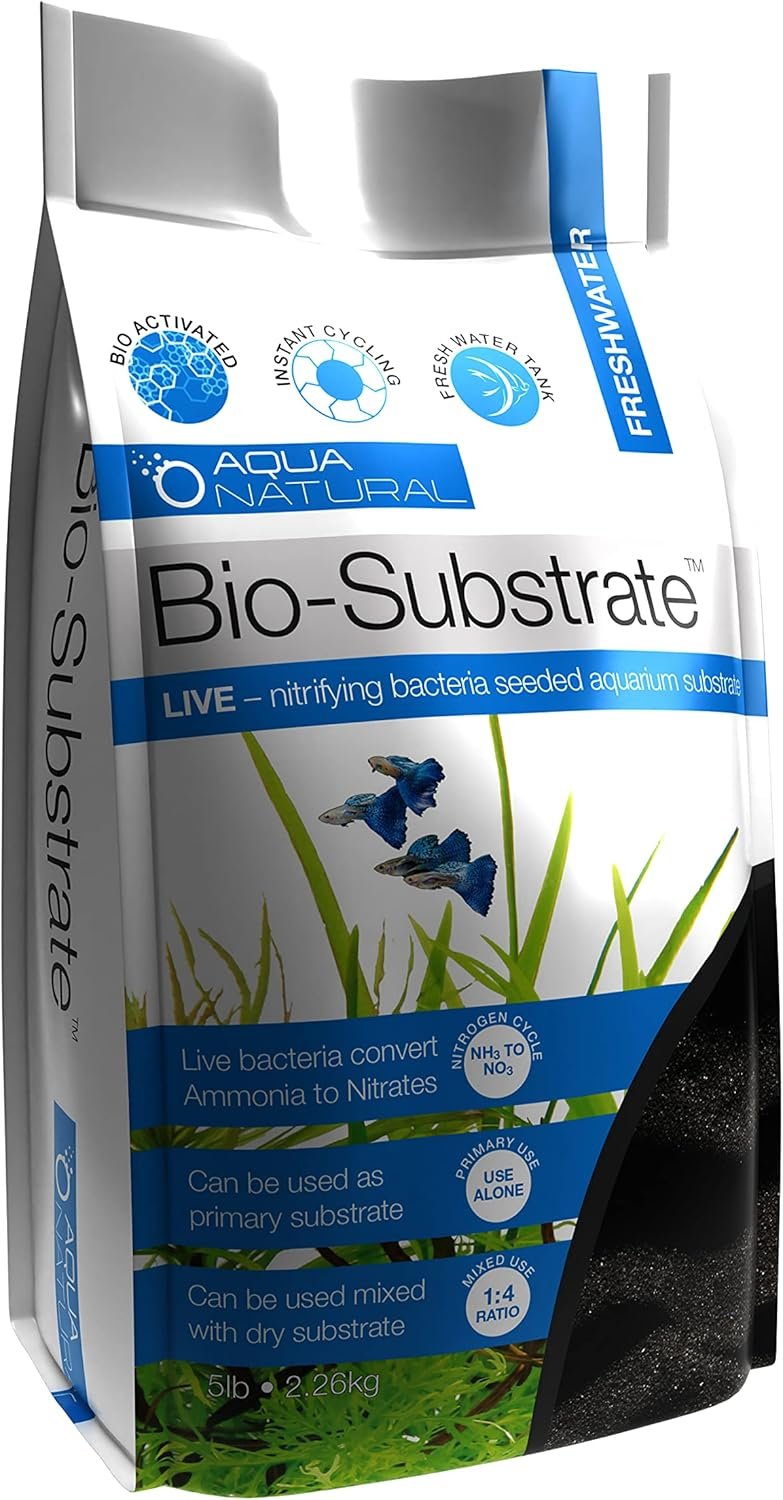
Bio-active sand seeded with nitrifying bacteria to help jump-start the nitrogen cycle in new aquariums.
Fine, smooth grains are safe for fish and bottom dwellers, making it suitable for freshwater community tanks.
Helps reduce ammonia spikes during setup by supporting beneficial bacteria from day one.
Natural dark color enhances plant and fish colors without artificial coatings or dyes.
Easy to use—no rinsing required, ideal for beginner aquarium setups.
How to Set Up Aquarium Substrate
Step 1: Prepare the Substrate
Rinse gravel and sand until the water is mostly clear.
Do not rinse active soils because they are designed to go into the tank as they are.
Step 2: Add the Substrate
Pour it gently and shape it into a slight slope.
This gives better viewing and helps debris settle in the front.
Step 3: Fill the Tank Carefully
Place a bowl or plastic bag at the bottom and pour water over it.
This keeps the substrate from being disturbed and reduces cloudiness.
Step 4: First Week After Setup
Some cloudiness is normal.
Let the filter clear it naturally.
Avoid adding fish until the tank is stable.
Best Substrate Choices by Tank Type
Community Tanks
Smooth gravel or sand works well.
Both offer a natural look and simple maintenance.
Bottom Feeders
Fine, soft sand is ideal to protect their sensitive mouth parts.
Cichlids
Many cichlid species prefer hard water. Crushed coral or aragonite works well, especially in African cichlid tanks.
Shrimp Tanks
Shrimp show better color on dark substrate. Some species, especially Caridina, do well on active soil.
Fish That Dig
Loaches, eartheaters, and many cichlids benefit from sand they can move around.
Looking for best plant that goes with this substrate check out this article:-
12 Fast Growing Aquatic Plants
10 Best Low Light Aquarium Plants for Beginners: Easy Care Guide
10 Best Foreground Aquarium Plants for Carpets & Aquascapes
10 Aquarium carpet plants for beginners
Substrate Maintenance
How to Clean Sand
Hold the siphon above the surface and let debris rise into the tube.
Avoid digging deep into planted areas.
How to Clean Gravel
Use a gravel vacuum to lift and drop the stones.
This removes trapped waste without disturbing the entire base.
Replacing Substrate
Most substrates last a long time.
Active soils lose strength after a few years and can be replaced in sections to keep bacteria safe.
Read also: Why Are My Aquarium Plants Dying?
Common Substrate Mistakes
- Using rough gravel with bottom feeders
- Choosing active soil for fish that need hard water
- Using too little substrate
- Rinsing active soil
- Mixing too many materials
FAQs
Can a tank run without substrate?
Yes. Bare tanks work well for specific uses like breeding and quarantine.
What is the easiest substrate for beginners?
Smooth gravel is simple and reliable.
Can sand and gravel be mixed?
They can be, but sand will sink over time.
Does substrate affect pH?
Some types do. Crushed coral raises pH, active soil lowers it.
How often should substrate be cleaned?
Light cleaning during water changes is enough for most tanks.