
Bee Shrimp Care Guide

Bee shrimp are small freshwater shrimp known for their striped bodies and beautiful color patterns. They fit easily into nano aquariums, but they are more sensitive than cherry shrimp and several other beginner-friendly species.
Clean water alone isn’t enough. Bee shrimp need soft, slightly acidic water that remains stable from one week to the next. Sudden changes in temperature, pH, hardness, or TDS can cause stress, failed molts, and unexplained deaths.
A mature aquarium, active substrate, gentle filtration, and plenty of biofilm give them the best chance of settling in. This guide explains how to set up their tank, prepare the water, feed them, choose tank mates, and raise baby bee shrimp.
Key Takeaways
- Bee shrimp need a mature aquarium with soft, slightly acidic water.
- A 10-gallon shrimp-only tank is safer and easier to manage than a very small tank.
- Aim for 68–74°F, pH 6.0–6.8, GH 3–6 dGH, and KH 0–2 dKH.
- Remineralized RO water usually provides better control than hard tap water.
- Feed lightly because leftover food can quickly lower water quality.
Bee Shrimp Care at a Glance
| Care requirement | Recommended conditions |
| Scientific name | Caridina logemanni |
| Adult size | Around 1–1.25 inches |
| Care level | Intermediate |
| Recommended tank size | 10 gallons |
| Temperature | 68–74°F (20–23°C) |
| pH | 6.0–6.8 |
| GH | 3–6 dGH |
| KH | 0–2 dKH |
| TDS | Approximately 100–150 ppm |
| Ammonia | 0 ppm |
| Nitrite | 0 ppm |
| Nitrate | Preferably below 10 ppm |
| Temperament | Peaceful |
| Diet | Biofilm, algae, shrimp food, and plant matter |
| Lifespan | Around 1–2 years |
| Best setup | Mature shrimp-only aquarium |
These ranges work for most captive bee shrimp. However, breeding lines may be raised under slightly different conditions. Ask the seller about their water before bringing the shrimp home.
What Are Bee Shrimp?
Bee shrimp are small freshwater shrimp originally found in streams in southern China. Their natural habitats contain cool, clean water with relatively low mineral content.
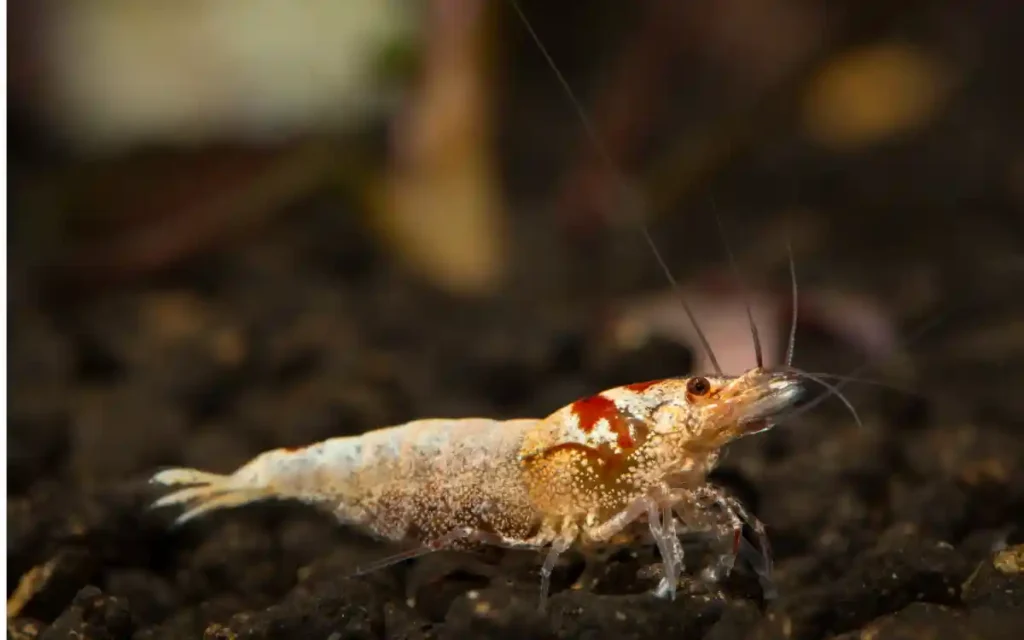
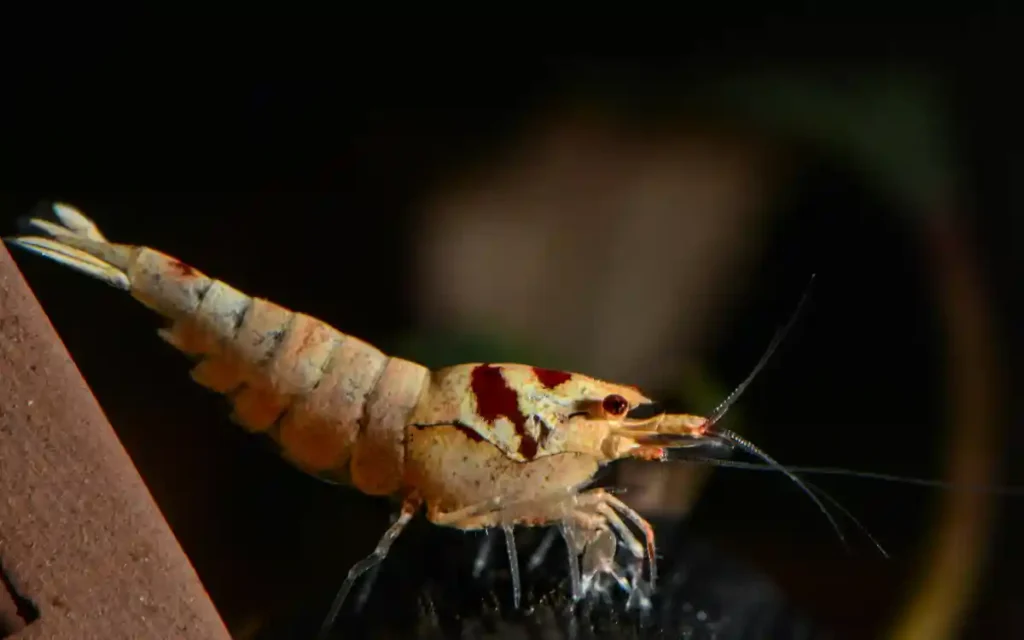
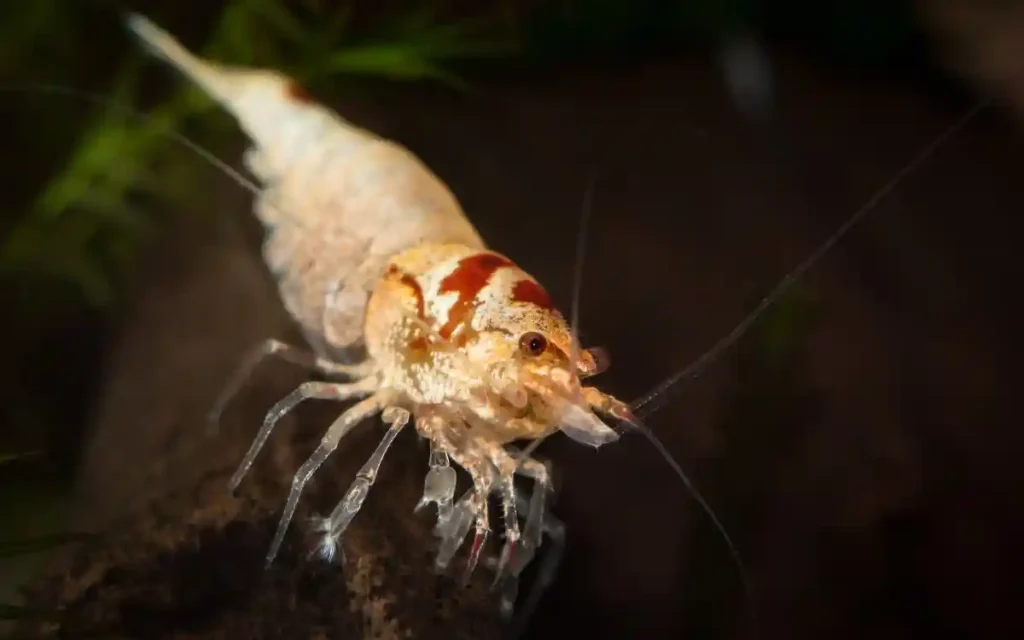
Their name comes from the dark and pale bands running across their bodies. Wild bee shrimp tend to have brown, black, or translucent markings. Selective breeding has produced much brighter red, black, and white varieties.
Older aquarium references may call them Caridina cantonensis. However, Caridina logemanni is now commonly used for the bee shrimp found in the aquarium trade.
Popular varieties associated with bee shrimp breeding lines include:
- Black Bee Shrimp
- Crystal Black Shrimp
- Crystal Red Shrimp
- Golden Bee Shrimp
- Snow White Bee Shrimp
- Taiwan Bee varieties
Patterns and grades may change their price, but they don’t remove the need for soft and stable water. Our Crystal Red Shrimp care guide covers one of the best-known selectively bred varieties.
You can also compare bee shrimp with other options in our guide to the different types of aquarium shrimp.
Bee Shrimp Size and Appearance
Adult bee shrimp usually measure between 1 and 1.25 inches. Females are often larger and have a deeper abdomen, while males are generally smaller and slimmer.
Their exact colors depend mainly on genetics. Some have clear sections between dark bands, while higher-grade varieties may display more solid white coloration.
Color can temporarily look weaker after shipping or molting. Substrate color, diet, stress, and aquarium lighting may also change how bright a shrimp appears.
Young bee shrimp hatch as miniature versions of the adults. Their patterns become easier to judge as they grow, although genetics determine the final quality and arrangement of their markings.
Are Bee Shrimp Good for Beginners?
Bee shrimp aren’t the best shrimp for a completely new aquarium keeper. They have less tolerance for unstable conditions than cherry shrimp, Amano shrimp, and many common Neocaridina varieties.
Ammonia and nitrite can kill them even at low levels. Sudden changes in pH, GH, KH, temperature, or TDS may also cause stress when the final reading looks acceptable.
A newly cycled aquarium presents another problem. It may contain enough bacteria to process waste without having the mature biofilm that grazing shrimp need.
Bee shrimp become much more manageable once you understand aquarium cycling, water testing, and remineralization. If you want a more forgiving first species, read our Cherry Shrimp care guide.
Bee Shrimp Water Parameters
Bee shrimp need soft, slightly acidic water. Maintaining consistent readings is more helpful than repeatedly adjusting the tank to reach one exact number.
Keep the temperature around 68–74°F. A pH between 6.0 and 6.8 works for most colonies, while GH should remain around 3–6 dGH and KH around 0–2 dKH.
Many keepers maintain a TDS of approximately 100–150 ppm. This range isn’t a universal rule because the substances contributing to TDS matter as much as the final number.
Ammonia and nitrite must remain at zero. Keep nitrate below 10 ppm when possible.
Why Stability Matters
A stable pH of 6.7 is generally safer than water that repeatedly moves between 6.1 and 6.7. The same principle applies to temperature and mineral content.
Avoid pouring untested replacement water directly into the aquarium. Prepare it separately and match its temperature, GH, and TDS to the tank before beginning the water change.
Don’t use chemical pH adjusters to chase small differences. These products can cause quick rises or drops without correcting the underlying water chemistry.
Understanding GH, KH, and TDS
GH measures calcium and magnesium in the water. Shrimp need these minerals when building a new exoskeleton, but both very low and excessively high GH can contribute to molting trouble.
KH measures carbonate hardness and affects how strongly the water resists pH movement. Bee shrimp are normally kept with very little KH because they prefer acidic conditions.
TDS measures the total amount of dissolved material but doesn’t identify what that material contains. A TDS meter is useful for checking consistency, but it cannot replace GH and KH tests.
Our guide to GH and KH levels for shrimp explains how both readings affect molting and overall shrimp health.
Tap Water or Remineralized RO Water?
Soft tap water may work if its chemistry remains suitable throughout the year. Hard tap water with high KH is usually much harder to manage.
Active substrate may initially lower the pH of hard water, but every water change adds more minerals and carbonates. This uses the substrate’s buffering capacity faster and may eventually lead to changing readings.
Many bee shrimp keepers start with RO or RO/DI water. They then add a GH-only remineralizer made for soft-water Caridina shrimp.
Never use pure RO water without adding minerals. Shrimp still need calcium and magnesium to grow and molt.
Prepare the water in a separate container. Add the measured remineralizer, mix it thoroughly, and test the GH and TDS. Record the amount used so you can repeat the same mixture during future water changes.
Different Caridina species don’t all need the same conditions. For example, the much warmer and more alkaline requirements described in our Sulawesi Shrimp water parameters guide would be unsuitable for bee shrimp.
Bee Shrimp Tank Setup
The aquarium should be completely cycled and given time to mature before the shrimp arrive. Preparing the correct setup beforehand is much safer than trying to change unsuitable conditions around an established colony.
Recommended Tank Size
Bee shrimp can live in a five-gallon aquarium, but a 10-gallon tank is a better starting point.
The additional water volume slows down changes in temperature and mineral concentration. It also provides more grazing space and gives you more room to correct small feeding mistakes.
A long tank is usually more useful than a tall one. Shrimp spend most of their time walking across the substrate, plants, wood, rocks, and filter surfaces.
Although bee shrimp can fit in very small tanks, that doesn’t mean every nano aquarium is easy to manage. See our guide to shrimp for nano tanks before choosing a tiny setup.
Cycle and Mature the Tank
Cycling establishes bacteria that process ammonia into nitrite and then nitrate. A mature aquarium also contains biofilm, microorganisms, and light natural algae growing across its surfaces.
This natural growth matters because bee shrimp graze throughout the day. It becomes even more useful when baby shrimp hatch and cannot travel far to find food.
Confirm that ammonia and nitrite remain at zero before adding shrimp. Light algae on the glass, biofilm on wood, and mature growth around moss are good signs, provided the water readings remain safe.
A cycled tank isn’t automatically mature. Giving the aquarium additional time after the cycle finishes can greatly improve the shrimp’s food supply.
Best Substrate
Active buffering substrate is the most practical choice for many bee shrimp tanks. It helps keep the water slightly acidic and supports a low KH.
Choose an active soil made for shrimp or planted aquariums. Avoid coral sand, limestone, aragonite, and other materials that raise hardness.
Active substrate eventually loses some of its buffering ability. Its lifespan depends on the product, tank conditions, and the hardness of the water added during maintenance.
Inert sand or gravel can work when the source water is already suitable. However, active substrate paired with remineralized RO water normally makes the desired conditions easier to maintain.
Filtration and Water Flow
A sponge filter is one of the safest choices for bee shrimp. It provides biological filtration, creates gentle water movement, and offers another surface where shrimp can graze.
Hang-on-back and canister filters can also work, but their intakes must be covered with a fine sponge. Newly hatched shrimp are small enough to be pulled into an unprotected filter.
Maintain gentle circulation without creating a strong current. Some surface movement is necessary for gas exchange, particularly during warm weather.
Plants and Hiding Places
Moss works especially well because its fine growth traps tiny food particles and supports biofilm. Java moss, Christmas moss, Subwassertang, and other fine plants can all provide useful grazing areas.
Driftwood, dried leaves, shrimp tubes, and small gaps between rocks give freshly molted shrimp places to hide while their new shells harden.
Avoid cleaning every surface until it looks spotless. A thin layer of natural growth is useful food rather than a sign of neglect.
How to Acclimate Bee Shrimp
Bee shrimp should be introduced slowly because the seller’s water may have a different pH, temperature, GH, and TDS from your aquarium.
Turn off the aquarium light and place the shrimp with their transport water in a clean container. When possible, compare the bag water with the aquarium before beginning.
Run airline tubing from the tank to the container and use a valve or loose knot to produce a slow drip. Gradually increase the amount of water in the container over approximately one to two hours.
The exact time should depend on the difference between the two water sources. A large difference calls for a slower adjustment, but leaving shrimp in polluted transport water for many hours can also cause trouble.
Move the shrimp into the tank with a net or small shrimp-safe cup. Discard the transport water instead of pouring it into the aquarium. Keep the light low for the rest of the day.
What Do Bee Shrimp Eat?
Biofilm, microorganisms, soft algae, and decaying plant material make up much of a bee shrimp’s natural diet. A mature tank lets them find small amounts of food throughout the day.
Supplement this natural food with a quality shrimp pellet or algae-based wafer. A small portion of protein-rich shrimp food can be offered occasionally.
Dried Indian almond, mulberry, or pesticide-free oak leaves provide food and grazing space as they soften. Blanched vegetables can also be used, but remove uneaten pieces before they begin to spoil.
Baby shrimp can eat finely powdered food. Use only a tiny amount because the powder spreads through the aquarium and is difficult to remove.
How Often Should You Feed Them?
A small group in a mature planted tank may need prepared food once a day or every other day. The correct schedule depends on colony size and how much natural food is available.
Start with a portion the shrimp can finish within a few hours. Reduce the next serving if food is repeatedly left behind.
Overfeeding can produce cloudy water, bacterial growth, rising nitrate, planaria, and low oxygen. More food doesn’t always mean faster growth.
Bee Shrimp Behavior
Healthy bee shrimp spend much of the day grazing across the substrate, plants, moss, wood, and filter sponge.
They may hide before and after molting. Their new shell remains soft for a short period, so staying out of sight is normal.
Male shrimp may suddenly begin swimming around the aquarium when a female molts and releases signals that she is ready to mate. This brief activity shouldn’t be confused with water-quality stress.
Repeated attempts to leave the water, twitching, lying on the side, or gathering near the surface need attention. Test the water and check oxygen, temperature, and recent aquarium changes.
Suitable Tank Mates
A shrimp-only aquarium is the safest choice, particularly when you want the colony to breed.
Small peaceful snails are generally suitable. Other bee shrimp varieties can also share the aquarium because they need similar water conditions.
However, related bee shrimp varieties may breed with one another. Their offspring might not retain the original colors or patterns, so keep breeding lines separate when appearance matters.
Can Bee Shrimp Live With Fish?
Adult bee shrimp can sometimes live with tiny peaceful fish, but almost any fish may eat newborn shrimp if they fit inside its mouth.
Dense moss and leaf litter give babies more hiding places, but they cannot guarantee their safety. Fish also add waste and compete with shrimp for food.
A fish-free aquarium gives a breeding colony the highest baby survival rate. The same issue is covered in more detail in our guide to whether shrimp can breed in a community tank.
Molting and Mineral Needs
Bee shrimp must shed their old exoskeleton to grow. Before a molt, a shrimp may stop eating and hide among plants or decorations.
The empty shell may initially look like a dead shrimp. A healthy molt is hollow and normally splits behind the head. Leave it in the tank because shrimp often eat it and recover some of its minerals.
Failed molts may result from unsuitable GH, sudden TDS movement, large water changes, temperature swings, poor nutrition, or transport stress.
Don’t automatically add calcium blocks or mineral powder. Test the water first. Adding more minerals to water that is already too hard could make the problem worse.
Breeding Bee Shrimp
Bee shrimp often begin breeding without special treatment once the tank is mature and the adults are healthy.
Females usually have a larger body and a curved abdomen. Males are typically smaller with a straighter underside, although sexing young shrimp can be difficult.
After a female molts, she releases chemical signals that attract males. Following mating, she carries fertilized eggs beneath her abdomen and moves her swimmerets to keep water flowing around them.
The eggs generally hatch after three to four weeks. Temperature may change the development time, but raising the heat simply to make eggs hatch faster can stress the colony.
The babies emerge as miniature shrimp. They don’t have a free-swimming larval stage and don’t require brackish water.
Caring for Baby Bee Shrimp
Baby shrimp need abundant biofilm within easy reach. Moss, leaf litter, driftwood, mature substrate, and sponge filters provide useful feeding surfaces.
A small amount of powdered food may help when natural biofilm is limited. Avoid heavy feeding because newly hatched shrimp consume very little.
Cover every filter intake and avoid deep cleaning while babies are present. Small, carefully matched water changes are safer than suddenly replacing a large amount.
Our guide on how to raise baby shrimp explains feeding, filter safety, growth, and water maintenance in greater detail.
Cleaning and Water Changes
Bee shrimp need clean water, but aggressive cleaning can remove food and change the aquarium too quickly.
Remove leftover food and gently siphon loose waste from exposed areas. Don’t disturb the full substrate or scrub every decoration during one maintenance session.
A water change of around 10–15% works for many established colonies. Use nitrate, feeding, colony size, and filter performance to decide how frequently it is needed.
Prepare the replacement water before starting. Match its temperature, GH, and TDS, then add it slowly.
Larger water changes may still be necessary during emergencies involving ammonia, nitrite, pesticides, soap, or another contaminant. Removing the immediate danger comes first in those cases.
Common Bee Shrimp Problems
Failed Molts
A shrimp trapped in its shell may die during or shortly after molting. A pale break between the head and abdomen can sometimes appear before death.
Check GH, TDS, temperature, and recent water changes. Review the remineralizer and amount used instead of adding another mineral product without testing.
Sudden Deaths
When several shrimp die within a short period, test ammonia, nitrite, nitrate, temperature, GH, KH, and TDS. Compare the results with your normal readings.
Look for anything recently added or changed. New plants, rocks, fertilizers, medications, cleaning sprays, contaminated tools, or a poorly matched water change may explain the losses.
Copper can harm shrimp at high enough concentrations. Always check medications and aquarium products before using them.
Our guide on why aquarium shrimp are dying provides a step-by-step troubleshooting checklist.
Inactive Shrimp
One shrimp hiding before a molt isn’t necessarily sick. New arrivals may also remain quiet after transport.
If the entire colony stops grazing, check ammonia, nitrite, oxygen, and temperature. Shrimp gathering around the filter output or water surface may be reacting to low oxygen.
Faded Color
Shipping, stress, molting, bright substrate, and poor conditions can make bee shrimp appear paler. Genetics remain the largest factor controlling permanent color quality.
Sudden fading across the colony is more concerning when accompanied by unusual swimming or inactivity.
Planaria and Hydra
Planaria and hydra may enter on plants, substrate, or shared aquarium equipment. Overfeeding can make pest populations grow quickly.
Identify the pest before treating the aquarium. Some products may be unsafe for shrimp or snails even when they are sold for freshwater tanks.
Bee Shrimp vs. Cherry Shrimp
| Feature | Bee shrimp | Cherry shrimp |
| Genus | Caridina | Neocaridina |
| Care level | Intermediate | Beginner-friendly |
| Preferred water | Soft and slightly acidic | Moderately hard and adaptable |
| Common substrate | Active buffering soil | Active or inert substrate |
| Tolerance for change | Low | Higher |
| Breeding difficulty | Easy under suitable conditions | Usually easy |
| Beginner suitability | Limited | Good |
Bee shrimp and cherry shrimp can sometimes survive together, but their ideal water conditions don’t match well.
Water prepared for bee shrimp may be too soft for a strong cherry shrimp colony. Water selected for cherry shrimp may contain more GH and KH than bee shrimp prefer.
Choose one species and prepare the aquarium around its requirements instead of keeping both at the edges of their preferred ranges. You can also compare two hardier choices in our Amano Shrimp vs. Cherry Shrimp guide.
Bee Shrimp Care Mistakes to Avoid
Adding bee shrimp to a newly cycled aquarium is one of the most common mistakes. The tank may process ammonia but still lack enough biofilm.
Another mistake is adjusting the water without testing. Randomly adding pH chemicals, calcium blocks, mineral stones, or extra remineralizer can create larger changes.
Avoid overfeeding and cleaning too much at once. Replacing a large amount of water, disturbing the substrate, washing the filter, and scrubbing every surface on the same day places unnecessary pressure on the colony.
Frequently Asked Questions
Are bee shrimp difficult to keep?
Bee shrimp are moderately difficult. Their care becomes manageable when you can maintain soft, clean water without sudden changes in temperature or mineral content.
How many bee shrimp should I start with?
A starting group of 8–10 shrimp gives you a reasonable chance of receiving both males and females. It can also help the colony establish faster than beginning with only two or three.
Can bee shrimp live in tap water?
They can live in naturally soft tap water when its chemistry remains suitable and stable. Hard water with high KH is usually a poor choice. Remineralized RO water provides more control.
Do bee shrimp need active substrate?
Active substrate isn’t strictly required, but it helps maintain the soft, acidic conditions they prefer. It works best when paired with suitable replacement water.
Can bee shrimp live with cherry shrimp?
They may survive together under carefully selected conditions, but their preferred water ranges differ. Keeping separate colonies generally produces better health and breeding results.
Do bee shrimp eat algae?
Bee shrimp eat soft algae and the biofilm growing around it. They won’t remove all forms of algae or replace normal tank maintenance.
How often should bee shrimp be fed?
Feed once daily or every other day, depending on colony size and available biofilm. Reduce the portion when food remains after several hours.
Why are my bee shrimp dying after water changes?
The replacement water may have a different temperature, pH, GH, or TDS. Chlorine, chloramine, contamination, and overly large or rapid water changes are other possible causes.
Do bee shrimp need a heater?
A heater isn’t necessary when room temperature remains within their preferred range. Use an adjustable heater if the room experiences large temperature drops. Excess heat is usually a greater concern.
How long do bee shrimp live?
Most bee shrimp live for around one to two years. Genetics, temperature, diet, transport stress, and water stability can change their lifespan.
