Many fish sold in pet stores are labeled as “easy” or “beginner-friendly,” but that label is often misleading. Some fish grow too large, produce excessive waste, become aggressive, or require stable conditions that beginners struggle to maintain.
This guide explains which fish beginners should avoid, not because they’re bad fish, but because they’re poor matches for new aquariums. Understanding these mistakes early can save money, time, and fish lives.
Why Some Fish Are Bad for Beginners
Beginner tanks usually struggle with:
- unstable water parameters
- small tank sizes
- limited experience spotting early problems
Fish that require space, pristine water, or strict social structures tend to suffer in these conditions. Many beginner failures happen not because of poor effort, but because of poor fish choices.
Goldfish (One of the Biggest Beginner Mistakes)
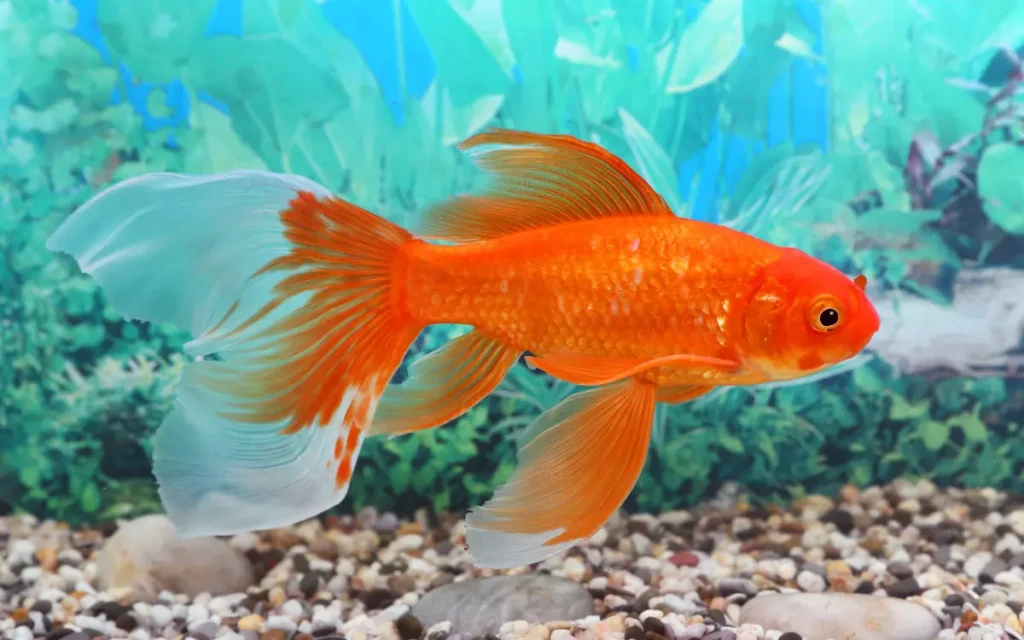
Goldfish are often sold as starter pets, but they are one of the worst choices for beginners.
Why to avoid:
- grow much larger than expected
- produce heavy waste
- require large tanks and strong filtration
Even fancy goldfish need more space than most beginners plan for. Small tanks lead to stunted growth and poor health.
Better alternatives:
- a single betta fish
- small community fish in a 10-gallon tank
Common Plecostomus (Gets Too Big)
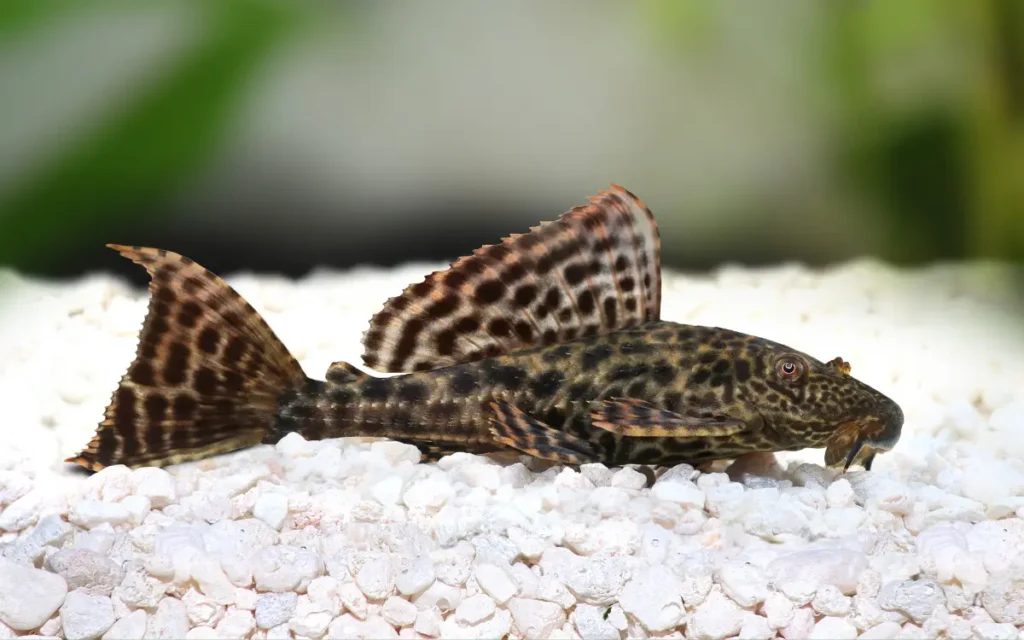
Plecos are often marketed as algae cleaners, but most species sold in stores grow very large.
Why to avoid:
- can exceed 12 inches
- produce significant waste
- outgrow beginner tanks quickly
While smaller pleco species exist, identifying them correctly requires experience.
Better alternatives:
- shrimp for algae control
- snails in planted tanks
Neon Tetras (Require Groups and Space)
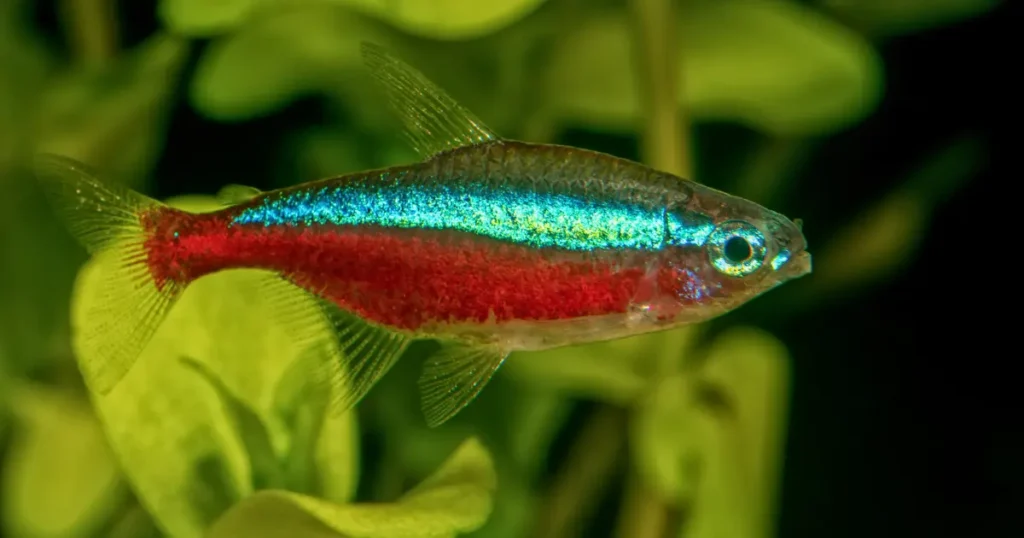
Neon tetras are peaceful and beautiful, but they are not ideal for beginners.
Why to avoid:
- need groups of 6 or more
- sensitive to water quality
- stress easily in small or new tanks
Beginners often keep too few neons in tanks that are too small.
Better alternatives:
- hardier rasbora species
- a single centerpiece fish
Tiger Barbs (Too Aggressive)
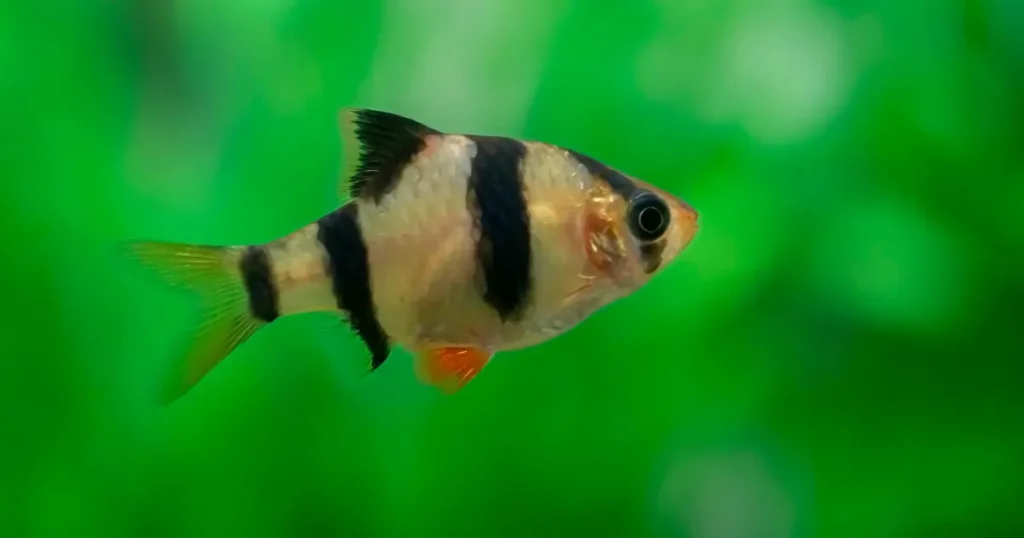
Tiger barbs are active schooling fish with a reputation for fin-nipping.
Why to avoid:
- aggressive behavior toward tank mates
- require large groups to reduce aggression
- need bigger tanks than beginners expect
They often cause stress and injuries in community aquariums.
Bala Sharks (Grow Very Large)
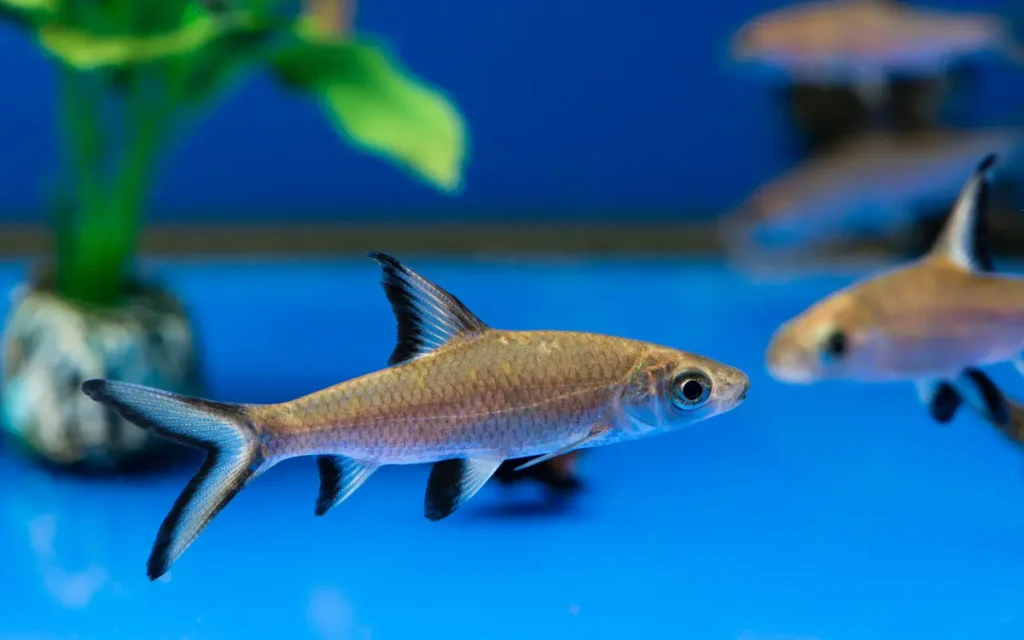
Bala sharks are frequently mistaken for small community fish when young.
Why to avoid:
- grow over a foot long
- need large tanks and swimming space
- schooling fish that require groups
They are unsuitable for beginner setups.
Discus Fish (Very Sensitive)
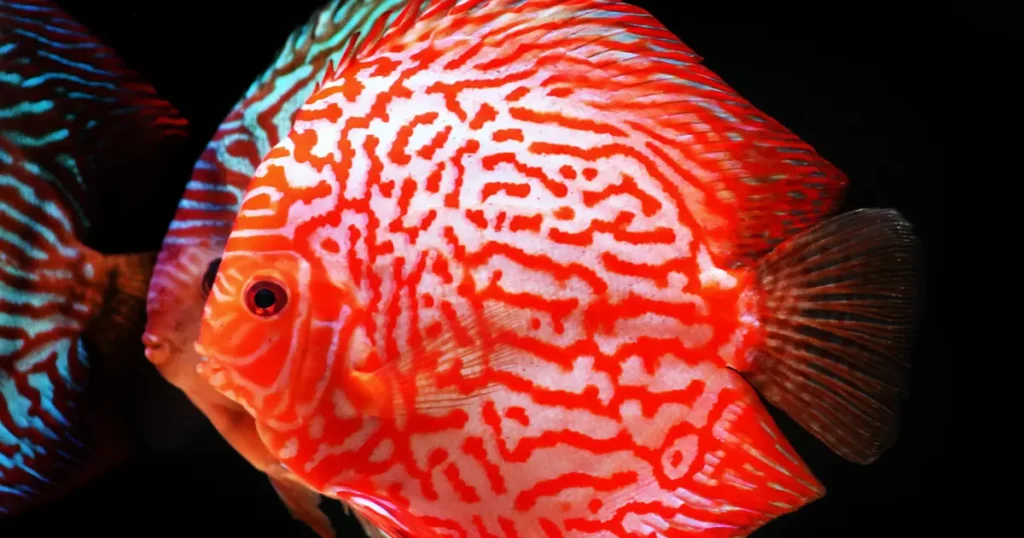
Discus fish are stunning, but they are not beginner fish.
Why to avoid:
- require very stable water parameters
- sensitive to temperature and cleanliness
- demanding feeding and maintenance
They are best left to experienced aquarists.
Guppies (Not as Easy as They Seem)
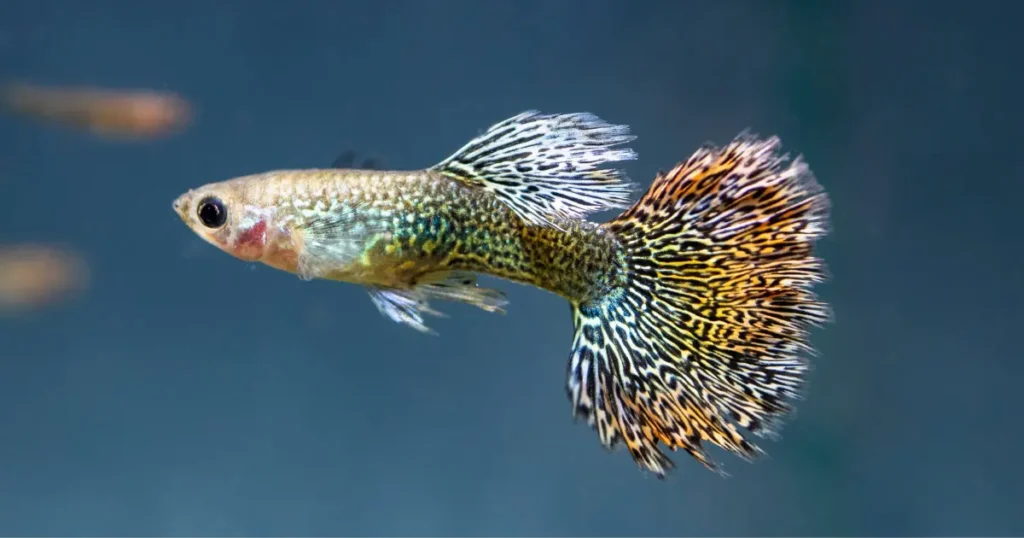
Guppies are often recommended for beginners, but they come with hidden challenges.
Why to avoid:
- breed rapidly
- overcrowd tanks quickly
- waste increases faster than expected
Without careful planning, guppy tanks become unstable fast.
Better alternatives:
- single-sex groups
- shrimp-focused setups
Corydoras Catfish (Need Groups and Space)
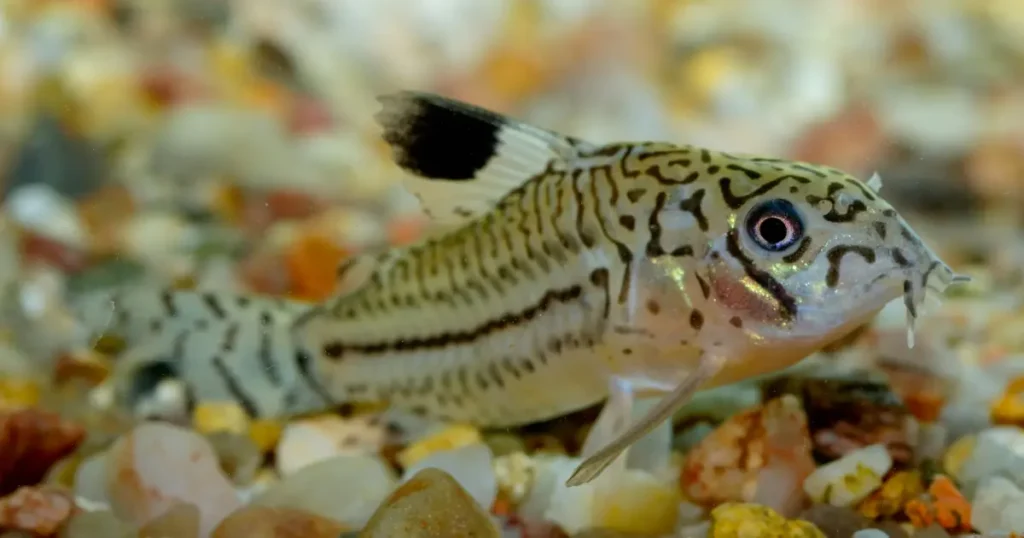
Corydoras are peaceful bottom dwellers, but they require:
- groups of 6 or more
- floor space
- stable water conditions
Small beginner tanks often can’t support them properly.
Fish Labeled “Algae Eaters” (Misleading Category)
Many beginners buy fish expecting them to clean the tank.
Why this fails:
- most algae eaters still need food
- many grow large
- algae control depends more on maintenance than fish
No fish replaces proper tank care.
Fish That Need Brackish or Special Water
Some fish sold in freshwater stores actually need:
- brackish water
- specific mineral levels
Examples include certain puffers and mollies.
Beginners often unknowingly keep them in the wrong conditions.
Better Fish Choices for Beginners
Instead of risky fish, beginners should focus on:
- hardy species
- low aggression
- simple care needs
Good beginner-friendly options include:
- betta fish (single)
- small rasboras in proper tanks
- shrimp and snails in planted setups
For safer choices, see:
- beginner freshwater fish
- fish for a 5 gallon tank
- fish for a 10 gallon tank
Common Beginner Mistakes to Avoid
- choosing fish based on looks alone
- trusting pet store labels blindly
- overstocking small tanks
- skipping water testing
Learning which fish to avoid is just as important as knowing which fish to buy.
Final Thoughts
Many beginner fish failures come down to misleading advice, not lack of effort. Avoiding problematic fish early makes aquarium keeping far more enjoyable and sustainable.
Start slow, choose fish that match your tank size and experience level, and don’t be afraid to keep things simple. A stable aquarium with fewer fish is always better than a crowded tank full of problems.