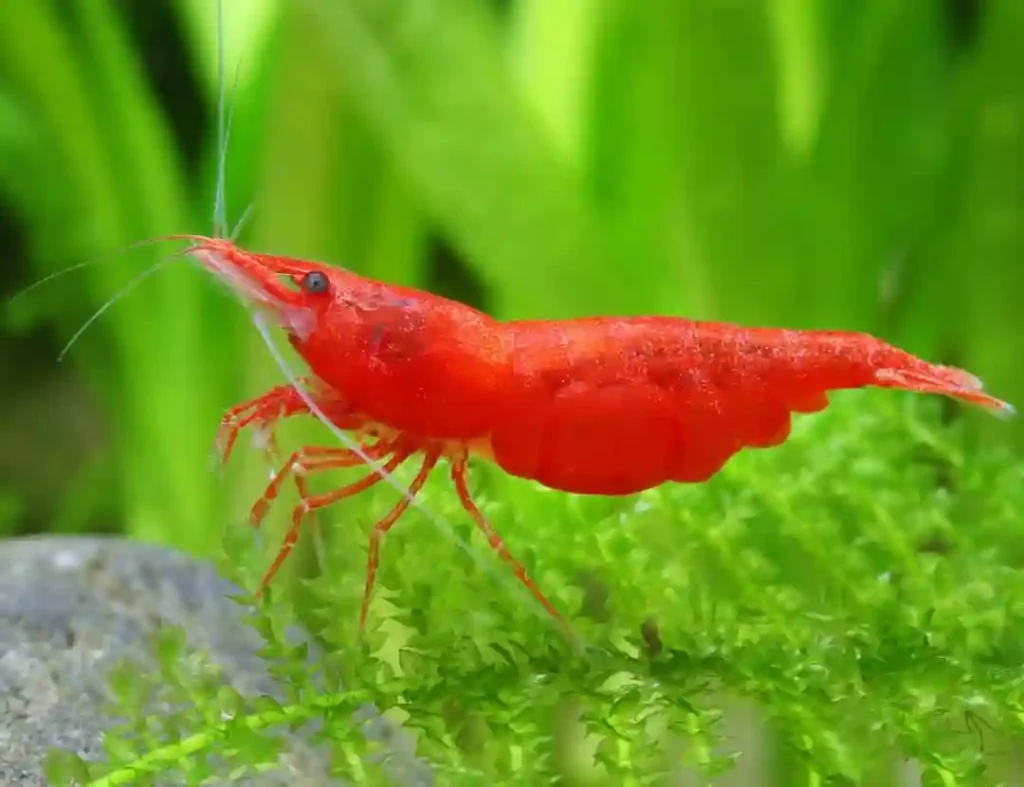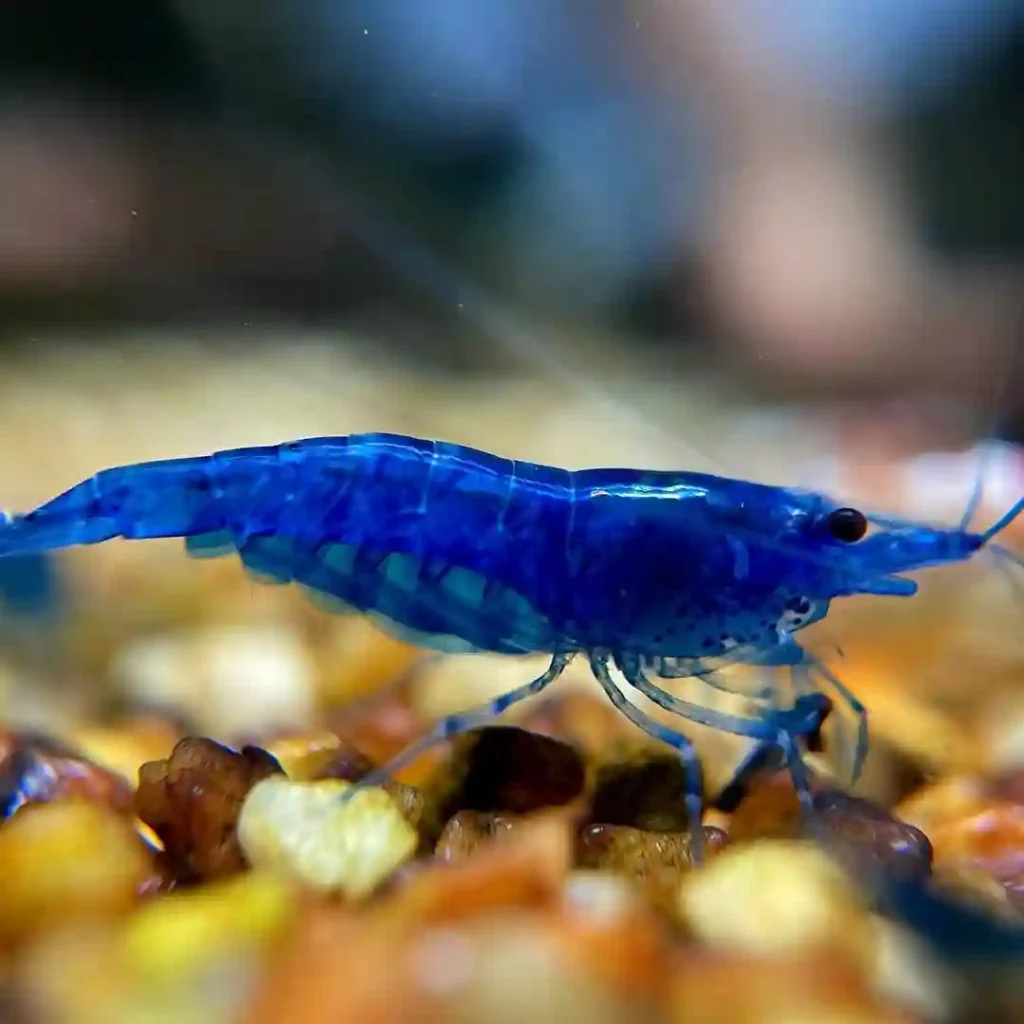
Creating the perfect home for your shrimp isn’t just about aesthetics it’s about giving these fascinating creatures the environment they need to thrive. As tiny as they may be, shrimp have specific requirements when it comes to their living space, and tank size plays a crucial role in their health, behavior, and overall well-being.
Whether you’re a beginner aquarist looking to start your first shrimp tank or an experienced hobbyist wanting to optimize your setup, understanding the importance of tank size will help you create a thriving underwater community. Let’s explore why tank size matters for shrimp and how to choose the right one for your aquatic friends.
The Science Behind Tank Size for Shrimp
Water Stability: The Biggest Factor
One of the most important reasons tank size matters for shrimp is water stability. Shrimp are highly sensitive to changes in water parameters, much more so than many fish species. In smaller tanks, these changes happen quickly and dramatically:
- Temperature fluctuations occur faster in smaller volumes of water
- pH shifts can be sudden and stress your shrimp
- Ammonia, nitrite, and nitrate build up more quickly in limited water volumes
A larger tank provides what aquarists call a “buffer”—essentially, more water means parameters change more slowly, giving you time to correct issues before they harm your shrimp.
The Nitrogen Cycle and Tank Size
The nitrogen cycle is the natural process where beneficial bacteria convert toxic ammonia (from waste) into less harmful compounds. In smaller tanks:
- The cycle can be more unstable
- Bacteria colonies have less surface area to colonize
- Waste concentration rises faster between water changes
This is why many shrimp keepers have found that larger tanks are actually easier to maintain despite requiring more water for changes—they’re more forgiving of small mistakes in care.
Recommended Minimum Tank Sizes
For Beginners: 5-10 Gallons
If you’re new to keeping shrimp, start with at least a 5-gallon tank. While this is still considered small in the aquarium world, it offers:
- Enough water volume to buffer against rapid parameter changes
- Space for a small colony of 10-15 dwarf shrimp like Cherry or Crystal shrimp
- Room for some plants and hiding places
A 10-gallon tank is even better for beginners, as it provides more stability and forgiveness while you learn the ropes of shrimp keeping.
For Established Colonies: 20+ Gallons
For those looking to maintain larger colonies or multiple species, tanks of 20 gallons or more offer significant advantages:
- Support for colonies of 50+ shrimp without overcrowding
- Better dilution of breeding hormones, encouraging healthier reproduction
- Space for more complex aquascaping with various plants and hardscape
- Lower maintenance requirements (less frequent water changes)
Special Cases: Nano Tanks (2-3 Gallons)
Can you keep shrimp in tanks smaller than 5 gallons? Yes, but with important caveats:
- Only recommended for experienced shrimp keepers
- Requires very frequent monitoring of water parameters
- Benefits from automated equipment like small filters and heaters
- Limits colony size to just a few specimens
- Demands rigorous maintenance schedules
Tank Size Impact on Different Shrimp Species
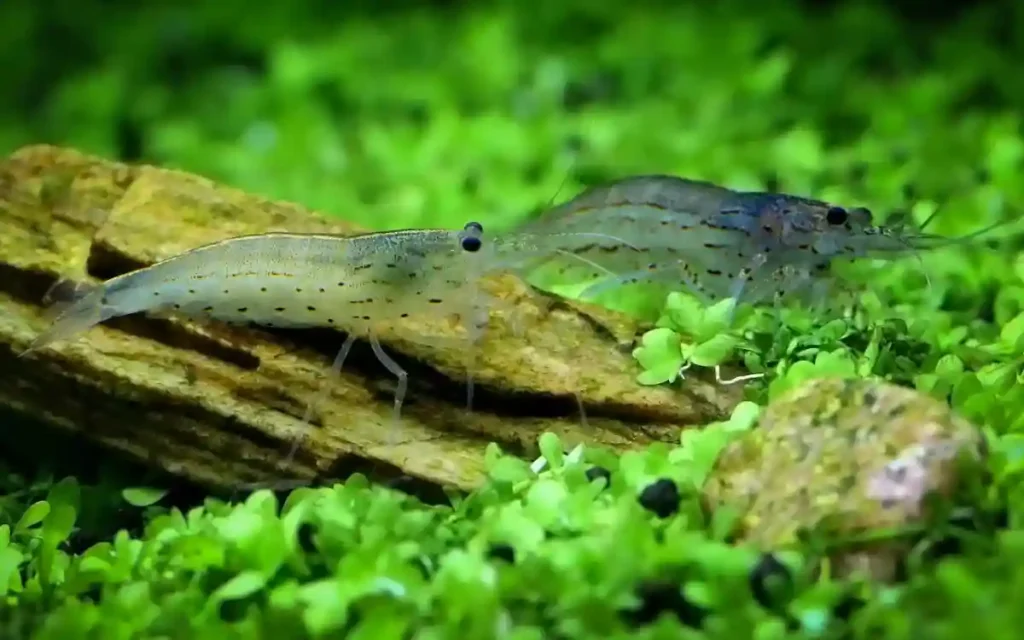
Not all shrimp have identical space requirements. Here’s a quick breakdown:
| Shrimp Species | Minimum Tank Size | Ideal Tank Size | Notes |
| Cherry Shrimp (Neocaridina) | 5 gallons | 10+ gallons | Hardy, good for beginners |
| Crystal Shrimp (Caridina) | 5 gallons | 10+ gallons | More sensitive to water parameters |
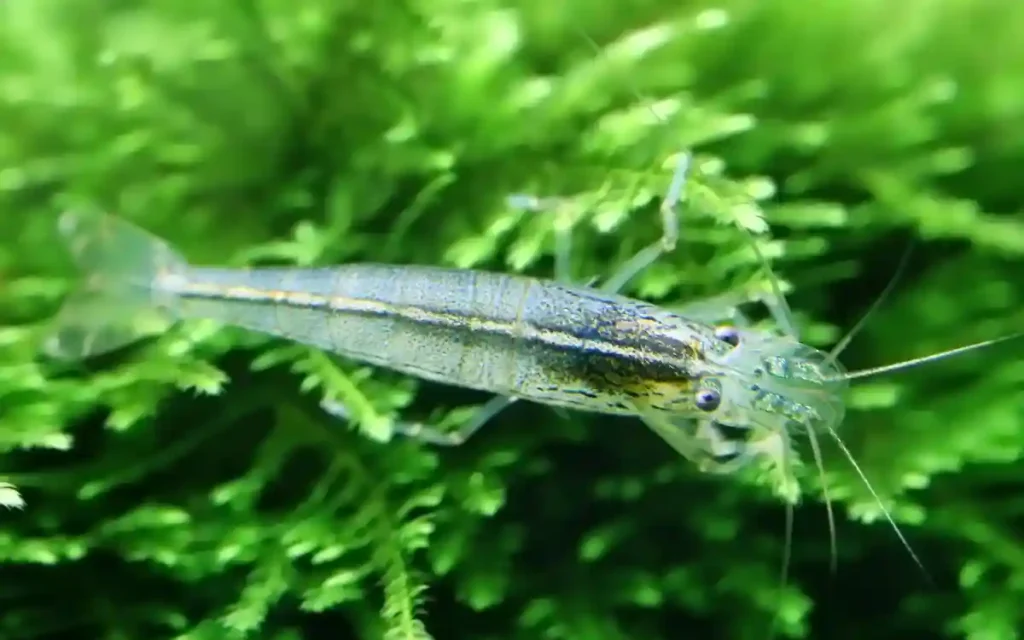
| Amano Shrimp | 5 gallons | 10+ gallons | Larger individuals, need more space |
| Ghost Shrimp | 5 gallons | 10+ gallons | Can be slightly aggressive, benefit from space |
| Bamboo/Vampire Shrimp | 10 gallons | 20+ gallons | Larger filter feeders need more water flow |
| Thai Micro Crab | 5 gallons | 10+ gallons | Not truly shrimp but kept similarly |
Read also: 10 Types of Shrimp for Aquariums
Tank Shape Matters Too
Beyond just volume, the shape of your tank significantly impacts shrimp health and behavior:
Surface Area vs. Height
Shrimp benefit more from tanks with greater surface area rather than height. A long, shallow tank is generally better than a tall, narrow one of the same volume because:
- More bottom area for foraging (shrimp spend most time on surfaces)
- Better gas exchange at the water surface
- Easier access to the surface for molting shrimp
- More area for biofilm to grow (a natural food source)
This is why many experienced shrimp keepers prefer “shallow” or “breeder” style tanks that maximize floor space.
Practical Benefits of Larger Tanks
Easier Maintenance
Contrary to what you might expect, larger tanks often require less frequent maintenance:
- Weekly water changes of 10-20% for larger tanks vs. twice-weekly changes for nano tanks
- More stable parameters mean less emergency intervention
- Greater margin for error when adding supplements or treatments
Better Breeding Results
Shrimp breed more readily and successfully in appropriately sized tanks:
- Females carrying eggs (berried) experience less stress
- Shrimplets have more hiding places to escape predation
- Genetic diversity improves with larger colony size
- More consistent breeding cycle due to stable parameters
Room for Tank Mates
With sufficient space, you can consider carefully selected tank mates:
- Small peaceful fish like Otocinclus or tiny rasboras
- Other invertebrates like snails or small crayfish species
- Various shrimp species that occupy different ecological niches
Common Tank Size Mistakes
Overcrowding
One of the most common mistakes is putting too many shrimp in a small tank. While shrimp have a small bioload individually, their waste adds up quickly in a colony.
Rule of thumb: For neo-caridina shrimp, aim for no more than 10 shrimp per gallon in a well-established, heavily planted tank. For sensitive caridina species, halve that number.
Understocking
On the flip side, having too few shrimp can limit social behaviors. Shrimp are generally more active and display more natural behaviors in groups of at least 10 individuals.
Improper Filtration for Tank Size
Always match your filtration to your tank size:
- Smaller tanks need gentle filtration to avoid creating strong currents
- Larger tanks need sufficient biological filtration to process waste
- Sponge filters are ideal for most shrimp tanks regardless of size
how many shrimp per gallon
5-Gallon Setup
A 5-gallon tank works well for:
- A starter colony of 10-15 cherry shrimp
- Simple planted setup with moss and easy plants
- Limited hardscape with small driftwood or rocks
Equipment needed:
- Small sponge filter
- Basic LED light
- Possibly a small heater (depending on species)
10-Gallon Setup
The “sweet spot” for many hobbyists:
- Houses 20-30 dwarf shrimp comfortably
- Allows for more complex aquascaping
- Supports more plant varieties
- More stable parameters for sensitive species
20+ Gallon Setup
The luxury option for serious shrimp keepers:
- Supports 50+ shrimp colonies
- Allows for creating multiple microhabitats
- Can incorporate various hardscape elements
- Potential for multiple species with careful planning
Making the Most of Limited Space
If you’re constrained by space or budget, here are tips to maximize smaller tanks:
- Plant heavily to improve water quality and provide hiding spots
- Use floating plants to reduce light intensity and absorb nitrates
- Create vertical space with tall hardscape that doesn’t take up much footprint
- Implement a strict maintenance schedule to compensate for smaller water volume
- Consider automated dosing for fertilizers or supplements
The Economic Perspective
While larger tanks cost more upfront, they often save money in the long run:
- Fewer emergency replacements due to crashes or parameter swings
- More successful breeding means you can sell or trade excess shrimp
- Less need for chemical interventions and treatments
- More enjoyment from your investment in the hobby
Final Recommendations
For most shrimp keepers, here are my evidence-based recommendations:
- Absolute minimum: 5 gallons for a small colony of hardy species
- Best for beginners: 10 gallons for a balance of stability and space efficiency
- Ideal for enthusiasts: 20+ gallons for serious breeding or keeping sensitive species
Remember that bigger is usually better when it comes to shrimp tanks, but proper maintenance and water quality are ultimately more important than size alone.
Conclusion
Choosing the right tank size for your shrimp is a foundational decision that affects every aspect of the hobby, from maintenance requirements to breeding success. While shrimp can survive in smaller setups with proper care, they truly thrive when given appropriate space.
Whether you opt for a modest 5-gallon starter tank or invest in a larger setup, understanding how tank size impacts your shrimp will help you create an environment where these fascinating creatures can display their natural behaviors and brighten your home with their activity.
What tank size has worked best for your shrimp? Have you noticed differences in behavior or breeding success in different sized setups? Share your experiences in the comments below!