Betta fish are often sold as “easy pets,” but that idea causes more problems than anything else. Most Betta health issues don’t come from the fish itself they come from small tanks, unstable water, and outdated care advice. When those basics are wrong, Bettas become stressed, stop eating, or develop fin damage and infections.
This guide explains Betta fish care in a practical way, without myths or shortcuts. You’ll learn what Bettas actually need to stay healthy, how to set up a tank that works long term, and which beginner mistakes shorten their lifespan. Whether this is your first Betta or you’re trying to fix ongoing problems, this page covers the essentials that matter.
What Is a Betta Fish? (What Beginners Should Know First)
The Betta fish, also known as Betta splendens, is a freshwater fish native to slow-moving waters in Southeast Asia. In the wild, they live in shallow streams, rice paddies, and calm ponds not tiny containers with dirty water.
One important feature of Bettas is their labyrinth organ. This allows them to breathe air from the surface in addition to using gills. Many people misunderstand this and assume Bettas can survive in poor water conditions. In reality, the labyrinth organ helps them handle low-oxygen water, not toxic water.
Bettas are intelligent and highly aware of their surroundings. They recognize movement outside the tank, respond to routines, and often swim up to the glass during feeding time. When kept in a stable environment, they are active, curious fish. When stressed, their behavior changes quickly.
If you want a deeper look at Betta traits, behavior patterns, and natural instincts, see our detailed breakdown here: Betta fish facts
Betta Fish Tank Size Explained (Bowls vs Tanks)
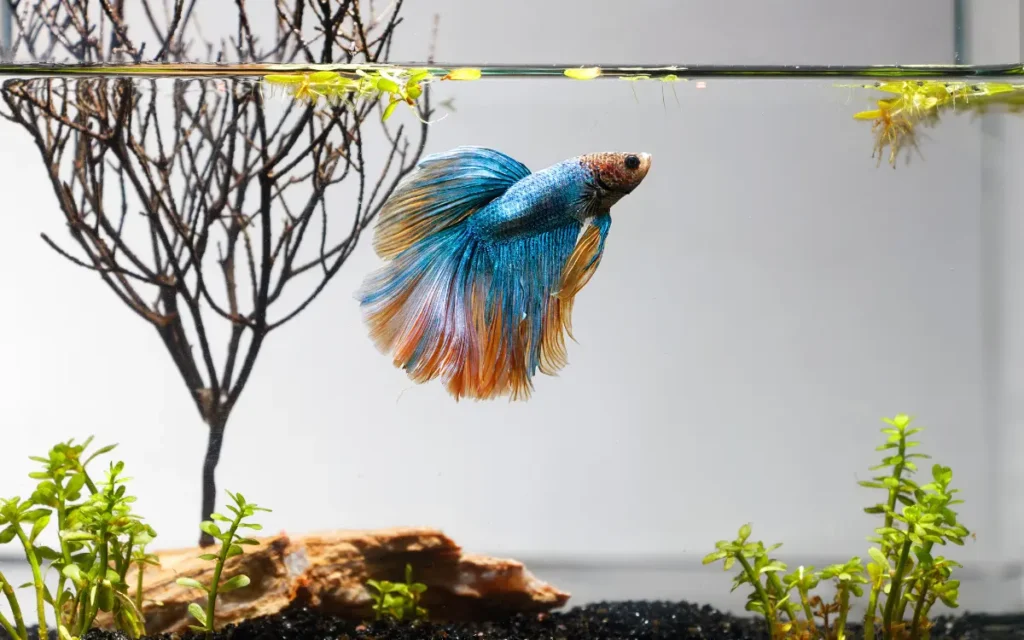
One of the biggest reasons Bettas fail to thrive is improper tank size. Bowls and very small tanks create unstable conditions that are hard to control, even with frequent water changes.
Why Betta Fish Bowls Cause Problems
Small bowls heat up and cool down quickly, which puts constant stress on a Betta’s body. Waste also builds up fast, leading to ammonia spikes that burn gills and fins. Even if the water looks clean, harmful toxins can rise within hours.
This stress often shows up as:
- Clamped fins
- Lethargy
- Loss of appetite
- Frequent illness like fin rot
A bowl limits swimming space as well. Bettas are not inactive fish they explore, patrol territory, and rest throughout the day. When movement is restricted, behavior problems increase.
Minimum vs Ideal Betta Tank Size
A 5-gallon tank is the recommended minimum for a single Betta fish. At this size, water temperature stays stable, waste is easier to manage, and the fish has room to move naturally.
A 10-gallon tank offers even more stability and allows for better filtration, more plants, and potential tank mates if chosen carefully. Smaller tanks under 5 gallons require constant maintenance and still fail to provide consistent conditions.
Many decorative Betta setups look attractive but ignore these basics. If you want layouts that balance appearance with fish health, these Betta tank ideas focus on setups that actually work: Betta fish tank ideas
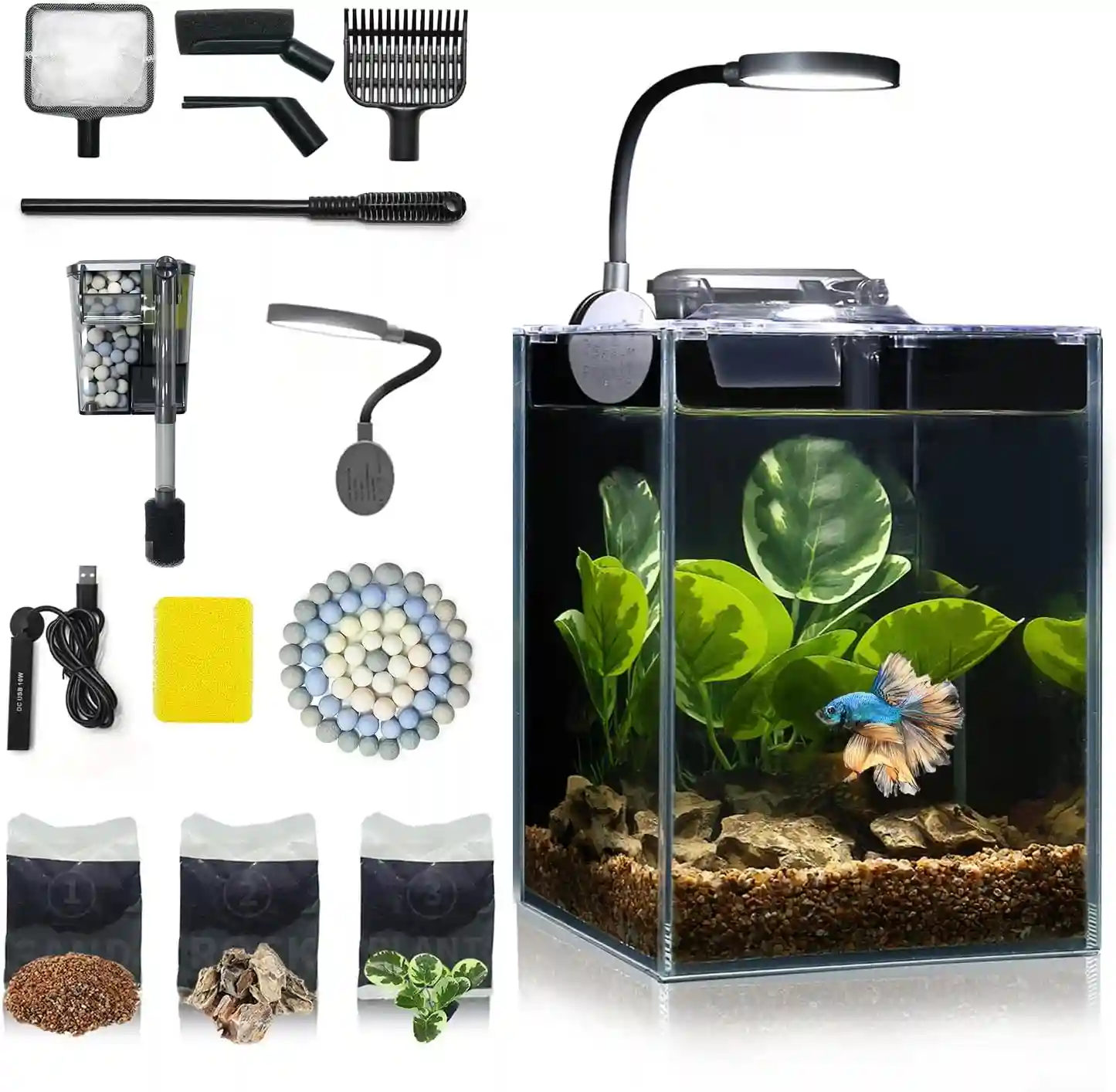
Complete 1.25-gallon desktop aquarium kit with rimless glass tank, LED light, filter, pump, decor, and cleaning tools for easy setup.
Built-in mechanical and biological filtration helps keep water clear while improving oxygen circulation.
Crystal-clear 4mm HD glass design provides a clean, distortion-free view and a modern look for desks or small spaces.
Compact, space-saving size fits desktops, counters, and nightstands while adding a calm visual display.
Beginner-friendly starter tank suitable for shrimp, snails, and carefully stocked nano setups.
How to Set Up a Betta Fish Tank the Right Way
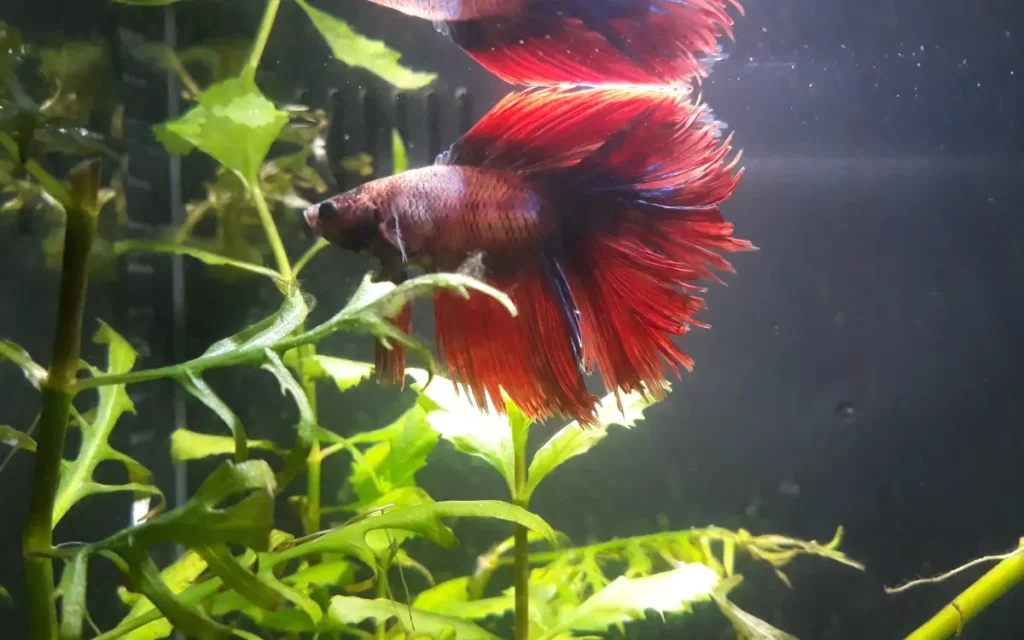
A proper Betta tank setup isn’t about decoration first it’s about creating stable conditions that prevent stress and illness. When the setup is correct, Bettas become more active, eat better, and live longer.
Heater: Why Warm Water Is Non-Negotiable
Bettas are tropical fish. Water that stays below 76°F (24°C) slows their metabolism and weakens their immune system. Cold water is one of the most common causes of lethargy and loss of appetite in Bettas.
A small, adjustable heater keeps the temperature stable between 76–82°F (24–28°C). Stability matters more than hitting an exact number.
Filter: Gentle Flow Is Key
Bettas are not strong swimmers. Filters with high flow can push them around the tank, causing exhaustion and fin damage. Choose a gentle filter or use a sponge filter that provides biological filtration without strong currents.
Clean water reduces ammonia and nitrite buildup the root cause of most Betta health issues.
Substrate, Decor, and Hiding Spots
Use smooth gravel or sand to protect delicate fins. Sharp decorations or plastic plants often tear fins without owners noticing.
Bettas feel safer when they can rest and hide. Include:
- Caves or tunnels
- Driftwood with smooth edges
- Broad-leaf plants near the surface
These features reduce stress and support natural behavior.
Best Plants for a Betta Fish Tank (Live vs Fake)
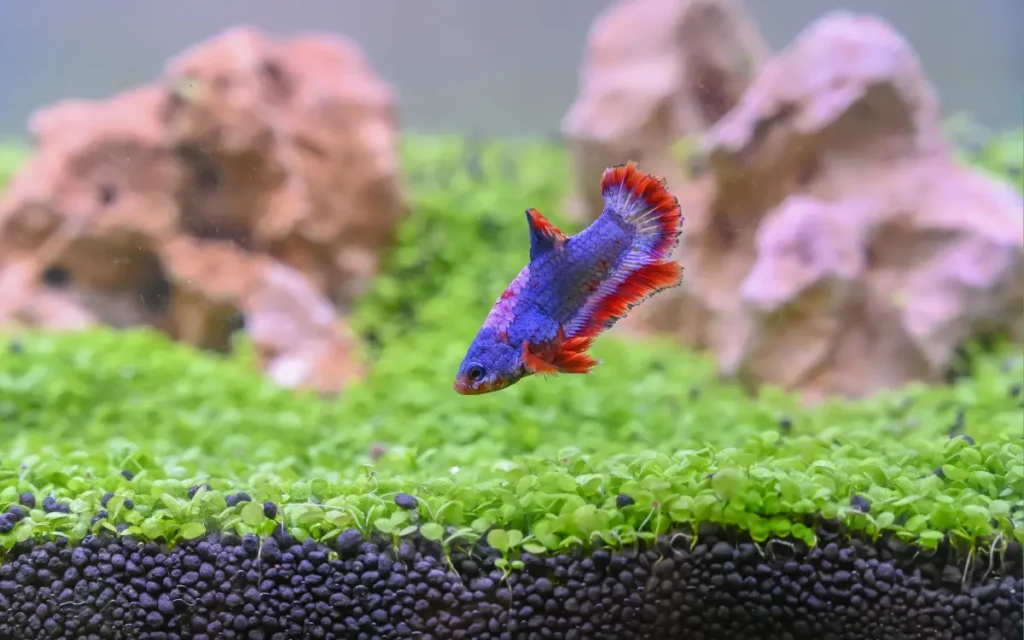
Plants are not optional decoration for Bettas they directly affect behavior and comfort.
Why Bettas Do Better With Live Plants
Live plants absorb waste, improve water quality, and create shaded resting areas. Bettas often sleep or rest on plant leaves, especially near the surface.
Tanks with live plants tend to have:
- Less stress-related behavior
- More stable water conditions
- Reduced boredom
Beginner-Safe Plants for Bettas
Some plants thrive in low light and don’t require advanced care:
- Anubias – Slow-growing and very hardy
- Java Fern – Doesn’t need to be planted in substrate
- Floating plants – Provide cover and surface resting spots
For a full breakdown of safe plant choices and care tips, see: Plant for your betta fish
Feeding Your Betta Fish the Right Way
Feeding mistakes are one of the fastest ways to cause health problems in Bettas. Overfeeding and poor-quality food often lead to bloating, swim bladder issues, and water pollution.
What Bettas Should Eat
Bettas are carnivorous. Their diet should be high in protein. Best options include:
- High-quality Betta pellets
- Frozen or freeze-dried foods like bloodworms or brine shrimp
- Occasional live food if available
Avoid using generic tropical flakes as a main food source.
How Often to Feed a Betta
Feed once or twice daily, only what your Betta can eat in about 2 minutes. Extra food sinks, decays, and raises ammonia levels.
Skipping feeding one day per week helps prevent digestive problems and mimics natural feeding patterns.
Betta Fish Water Parameters (Simple but Critical)
Healthy Bettas don’t need perfect numbers they need stable numbers.
ParameterIdeal RangeTemperature76–82°F (24–28°C)pH6.5–7.5Ammonia0 ppmNitrite0 ppmNitrateBelow 20 ppm
Test water weekly and perform 25–30% water changes every week. Always treat tap water with a dechlorinator before adding it to the tank.
Most Betta illnesses start with poor water quality, not disease.
Understanding Betta Fish Behavior (Normal vs Warning Signs)
Bettas communicate through behavior. Changes often signal stress or water problems.
Normal Betta Behaviors
- Flaring at reflections
- Building bubble nests (males)
- Resting on leaves or decor
- Swimming up during feeding time
These are signs of a comfortable fish.
Warning Signs to Watch For
- Clamped fins
- Constant hiding
- Loss of appetite
- Darting or rubbing against objects
When behavior changes, always check water conditions first.
Common Betta Fish Problems and How to Fix Them
Betta Not Eating
Often caused by cold water, stress, or overfeeding. Fix: Check temperature, improve water quality, and offer a frozen food option.
Betta Lying at the Bottom
Resting can be normal, but constant bottom sitting may signal ammonia exposure or swim bladder problems. Fix: Test water, perform a partial water change, and reduce feeding.
Fin Rot
This bacterial infection causes frayed or blackened fins. Fix: Improve tank cleanliness and treat early. Fin rot almost always starts in poor water.
Can Betta Fish Live With Other Fish?
Bettas can live with tank mates, but only under the right conditions.
When Tank Mates Can Work
- Tank size of 10 gallons or larger
- Peaceful, non-fin-nipping species
- Plenty of hiding spaces
Tank Mates to Avoid
- Long-finned fish
- Aggressive or fast-moving species
- Other male Bettas
For safe and unsafe combinations, see: Betta fish tank mates
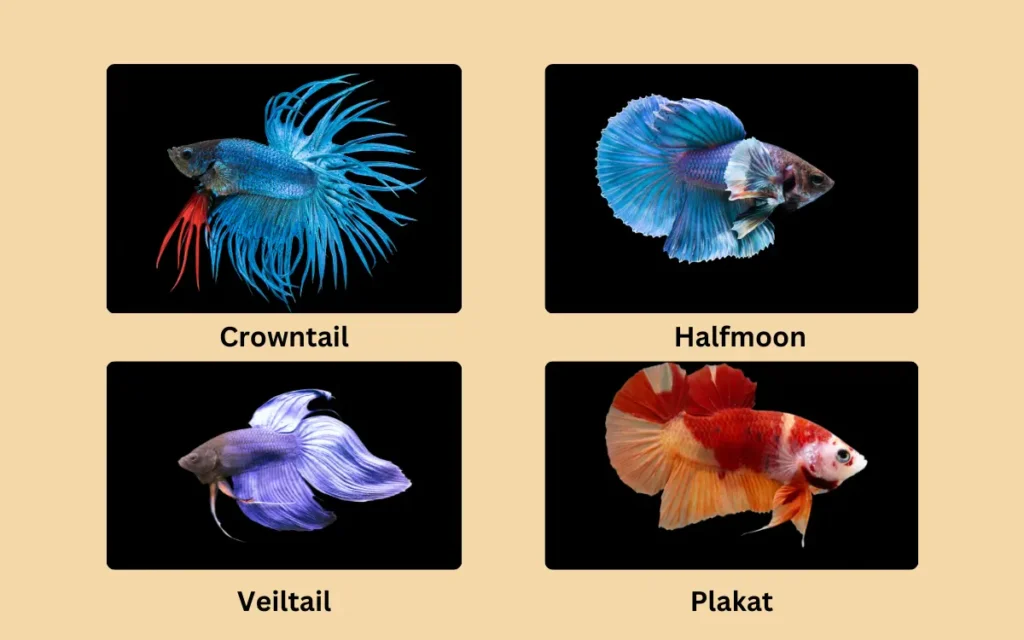
Types of Betta Fish (Tail Shapes and Temperament)
Different Betta types vary in activity level and fin care needs.
Popular varieties include:
- Veiltail Bettas – Flowing fins, slower swimmers
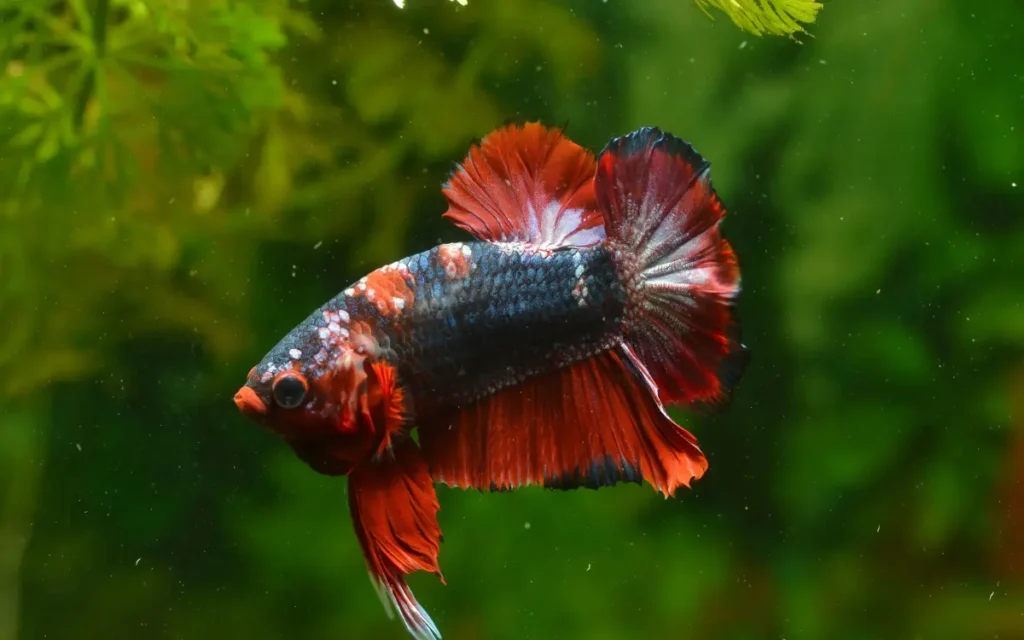
- Plakat Bettas – Short fins, more active
- Crowntail Bettas – Dramatic fin edges, prone to damage
Some Bettas are more curious or aggressive than others, which is why choosing the right setup matters.
If you’re choosing a name based on color or personality, explore: Betta fish names
Beginner Mistakes That Shorten a Betta’s Lifespan
Most Betta deaths come from avoidable mistakes:
- Keeping Bettas in bowls
- Cold or unstable water
- Overfeeding
- Skipping water testing
- Copying decorative tanks without function
Fixing these basics dramatically improves health and lifespan.
How Long Do Betta Fish Live With Proper Care?
With correct care, Bettas typically live 3–5 years, sometimes longer. Warm water, clean conditions, proper feeding, and low stress make the biggest difference not expensive equipment.
Keeping Your Betta Healthy Long-Term
A healthy Betta tank is simple, not complicated. Focus on stable water, enough space, gentle filtration, and a consistent routine. When these needs are met, Bettas become hardy, active fish with strong color and personality.
Use this guide as your foundation, then explore our Betta tank ideas, plants, tank mates, and care guides to fine-tune your setup over time.
 **2. Platy** Platies are hardy and easygoing. They enjoy swimming in groups and come in a variety of bright colors. Great for peaceful community tanks. ➡️ [Platy Fish Guide →](#) **3. Zebra Danio** Known for their energy and toughness, zebra danios are perfect for cycling new tanks. They tolerate a wide range of conditions and like to dart around in groups. ➡️ [Zebra Danio Guide →](#) **4. Corydoras Catfish** Peaceful bottom-dwellers that help keep your tank clean. Keep them in groups of 3 or more and give them soft substrate. ➡️ [Cory Catfish Care →](#) **5. Molly** Adaptable to various water conditions (even brackish), mollies are lively and great for community aquariums. ➡️ [Molly Fish Care Guide →](#) **6. Swordtail** Easy to care for and great in peaceful groups. Males have a signature sword-like tail and love swimming space. ➡️ [Swordtail Fish Guide →](#) **7. Betta Fish** Low-maintenance and visually stunning. Best kept alone or with very peaceful tank mates like snails or Corydoras. ➡️ [Full Betta Fish Care Guide →](#) **8. Neon Tetra** Small and peaceful, neon tetras love to school and light up a planted tank. Keep them in groups of 6 or more. ➡️ [Neon Tetra Care Guide →](https://oceanbitez.com/neon-tetras/) **9. Harlequin Rasbora** A calm and schooling species that fits right into community setups. Easy to feed and care for. ➡️ [Harlequin Rasbora Guide →](#) **10. Dwarf Gourami** A gentle and colorful addition to a beginner’s tank. Likes planted environments and peaceful neighbors. ➡️ [Dwarf Gourami Guide →](#) **11. White Cloud Mountain Minnow** Can live in cooler temperatures and is perfect for unheated tanks. Small, peaceful, and easy to care for. ➡️ [White Cloud Minnow Guide →](#) **12. Cherry Barb** Peaceful and social, cherry barbs do well in planted tanks and enjoy being in small groups. ➡️ [Cherry Barb Care →](#) --- ### Sample Beginner Tank Combos **Combo 1: 10–15 Gallon Easy Starter** * 4–6 Guppies * 3 Corydoras Catfish * 1 Nerite Snail **Combo 2: 20 Gallon Planted Community** * 6 Harlequin Rasboras * 6 Neon Tetras * 1 Dwarf Gourami * 3 Otocinclus (optional if algae control is needed) --- ### Beginner Tips for a Successful Aquarium * Cycle your tank before adding fish (ammonia → nitrite → nitrate) * Start with hardy species before delicate ones * Feed small amounts once or twice daily * Do weekly partial water changes (20–30%) * Don’t mix aggressive or fin-nipping species * Use a heater for tropical fish (75–80°F) --- ### Final Thoughts These beginner fish are ideal for getting started in the hobby without frustration. They're low-maintenance, compatible, and fun to watch. Once you’re comfortable, you can explore more advanced species and community combinations. ➡️ Check out our full guide to [Freshwater Aquarium Fish →](https://oceanbitez.com/freshwater-fish/)](https://oceanbitez.com/wp-content/uploads/2024/06/Best-Freshwater-Fish-for-Your-Aquarium-1024x640.webp)