Fishless Cycling vs Fish-In Cycling: Which Is Safer for Beginners?
Setting up a new aquarium is exciting, but this is also where many beginners make their first serious mistakeadding fish before the tank is ready. The result is usually cloudy water, stressed fish, and sometimes losses that could have been avoided with a bit of patience and the right method.
Aquarium cycling is not an optional step. It is the process that prepares your tank to safely handle fish waste. Without it, harmful toxins build up fast, even in clean-looking water. The confusion starts when beginners hear two different methods: fishless cycling and fish-in cycling. Both are talked about online and in pet stores, but they are not equal, especially for someone new to the hobby.
This guide breaks down both methods in simple terms and gives you a clear answer on which one is safer if you are just starting out.
What Aquarium Cycling Really Means (Beginner Explanation)
Aquarium cycling is the process of growing beneficial bacteria in your filter and substrate. These bacteria are what keep your fish alive long-term.
When fish eat and produce waste, that waste turns into ammonia. Ammonia is highly toxic. In a cycled tank, bacteria convert ammonia into nitrite, which is also toxic. A second group of bacteria then converts nitrite into nitrate, which is much safer and removed through water changes.
This process is known as the nitrogen cycle. It does not happen instantly. It takes time for those bacteria colonies to grow, and until they do, the tank is unstable.
This is why a brand-new tank with no bacteria cannot safely support fish, even if the water looks clear.
What Is Fishless Cycling?
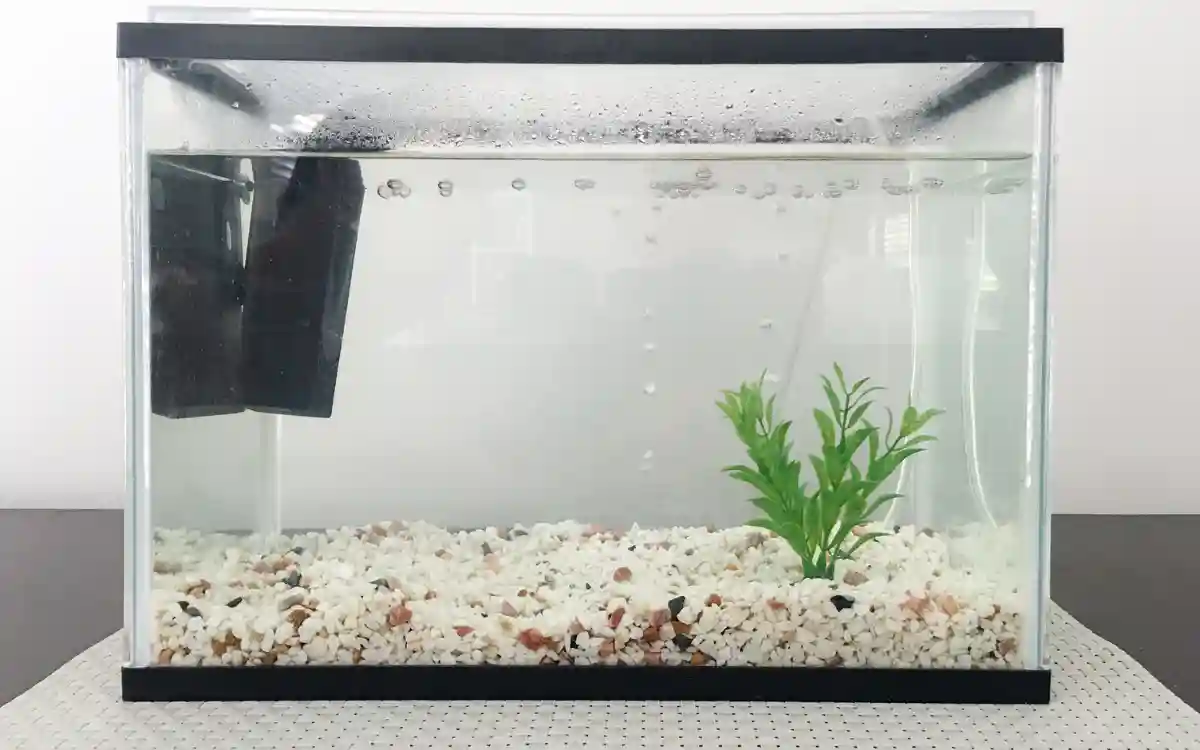
Fishless cycling means setting up and cycling your aquarium without any fish inside. Instead of fish waste, you add a controlled ammonia source to feed beneficial bacteria while the tank runs empty.
This method focuses on building a stable biological filter first, then adding fish only after the tank can safely process waste.
How Fishless Cycling Works
The tank is fully set up with a filter, heater (if needed), and substrate. An ammonia source is addedeither pure liquid ammonia or a small amount of fish food. The filter runs continuously, and the water is tested regularly.
At first, ammonia rises. Then nitrite appears. Over time, both drop to zero, and nitrate shows up. When ammonia and nitrite can be processed within 24 hours, the tank is cycled and ready for fish.
No fish are exposed to toxins during this process.
Why Fishless Cycling Is Beginner-Friendly
Fishless cycling gives beginners room to learn without consequences. Mistakes do not harm live animals. Water testing becomes less stressful, and adjustments can be made calmly.
It also creates a stronger bacterial colony, which helps the tank stay stable once fish are added. This is especially helpful for beginners who are still learning feeding habits and maintenance routines.
What Is Fish-In Cycling?
Fish-in cycling means adding fish to a brand-new tank and allowing the nitrogen cycle to develop while the fish are already inside.
This method relies on frequent water changes to dilute toxins while bacteria slowly grow in the filter.
How Fish-In Cycling Works
Hardy fish are added to an uncycled tank. As they produce waste, ammonia builds up. The aquarist must test water daily and perform partial water changes whenever ammonia or nitrite rises.
The goal is to keep toxin levels low enough that fish survive while bacteria establish themselves.
Why Fish-In Cycling Is Risky for Beginners
Fish-in cycling leaves very little margin for error. Missing a water change or misreading a test kit can quickly lead to stressed or dying fish.
Beginners often underestimate how fast ammonia spikes. Fish may survive, but long-term damage such as weakened immune systems and shortened lifespan is common.
This method also puts emotional pressure on new hobbyists, who feel responsible every time water parameters fluctuate.
Fishless Cycling vs Fish-In Cycling (Clear Comparison)
FactorFishless CyclingFish-In CyclingFish safetyNo riskHigh riskStress level for beginnersLowHighMargin for mistakesLargeVery smallLearning curveSmoothOverwhelmingEthical concernsNoneSignificant
Which Method Is Safer for Beginners?
Fishless cycling is the safer choice for beginners.
There is no practical reason for a new hobbyist to risk fish health when a safer option exists. Fishless cycling allows you to learn water testing, understand your filter, and build a stable tank without harming animals.
Fish-in cycling is often recommended by pet stores because it is faster and leads to immediate fish sales. It is not recommended because it is safer or better for beginners.
Waiting a few weeks before adding fish is far easier than dealing with stress, losses, and frustration later.
When Fish-In Cycling Happens by Accident
Many beginners end up fish-in cycling without realizing it. This usually happens when fish are purchased on the same day as the tank.
If this happens, the focus should shift to damage control:
- Daily water testing
- Frequent partial water changes
- Light feeding
- No new fish until the tank stabilizes
Fish-in cycling should be treated as a recovery situation, not a preferred method.
Common Beginner Mistakes With Both Methods
One of the biggest mistakes is assuming clear water means safe water. Ammonia and nitrite are invisible.
Another common issue is cleaning filter media too aggressively. Beneficial bacteria live there, and washing it under tap water can reset the cycle.
Overfeeding during cycling also causes unnecessary ammonia spikes and slows progress.
How Long Does Cycling Take?
Both methods usually take several weeks. Fishless cycling often takes 3–6 weeks. Fish-in cycling can take just as long, but with far more stress involved.
Any guide promising instant or one-week cycling is unrealistic for beginners.
Supplies Beginners Actually Need
You do not need advanced equipment. A basic test kit, a reliable filter, and patience matter more than anything else. For tropical tanks, a heater helps bacteria work consistently.
Skipping testing is not an option. It is the only way to know what is happening in your tank.
A stable aquarium starts before the fish ever arrive. If you want a calmer start, healthier fish, and fewer problems down the road, fishless cycling gives beginners the strongest foundation.