Keeping guppies with shrimp sounds simple. Both are small, colorful, and common in beginner aquariums. Many stores even suggest them together. In reality, this mix can succeed or fail depending on how the tank is set up, what shrimp species you choose, and what expectations you have.
This guide explains what actually works and what fails when keeping guppies with shrimp. It is written to help beginners avoid losses and understand the risks before combining these two popular aquarium animals.
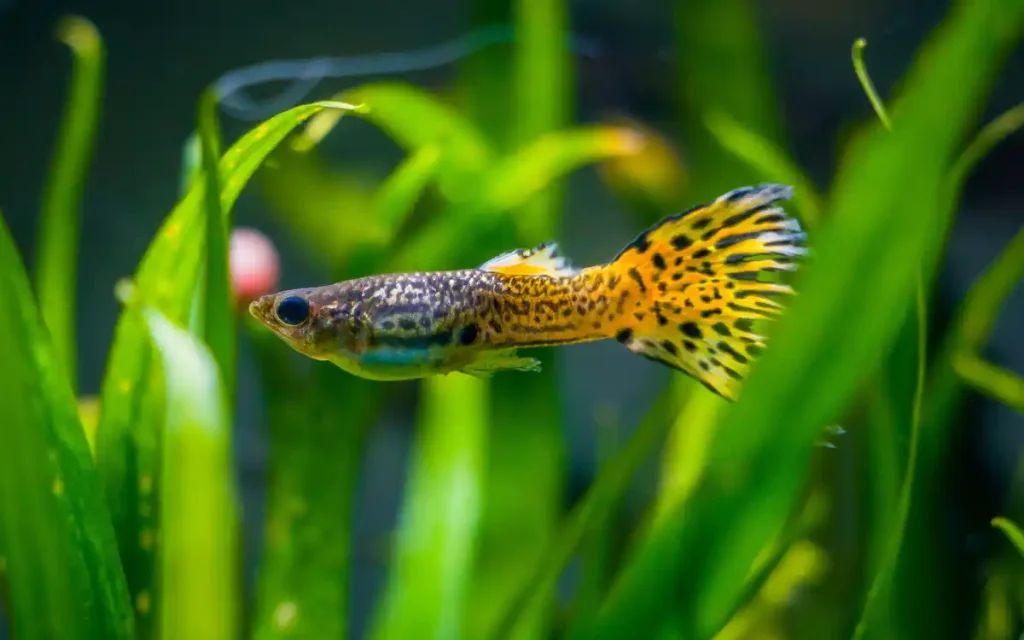
Can Guppies and Shrimp Live Together?
Yes, guppies and shrimp can live together, but not without compromise. Adult shrimp often survive, while baby shrimp are at risk. Guppies are peaceful fish, but they are still opportunistic feeders.
The key question is not “Will guppies eat shrimp?”
It is “Which shrimp will survive, and under what conditions?”
Why Guppies and Shrimp Are a Risky Mix
Guppies are curious, active fish. They constantly explore the tank and investigate anything that moves. Shrimp, especially babies, trigger that curiosity.
Problems usually happen because:
- Guppies will eat shrimp fry if they can fit them in their mouths
- Guppies outcompete shrimp for food
- Open tanks lack hiding places
- Beginners underestimate guppy behavior
Even well-fed guppies may still pick at baby shrimp.
What Actually Works: Guppies With Shrimp
Some setups can work reasonably well, especially if your goal is keeping shrimp alive rather than breeding large colonies.
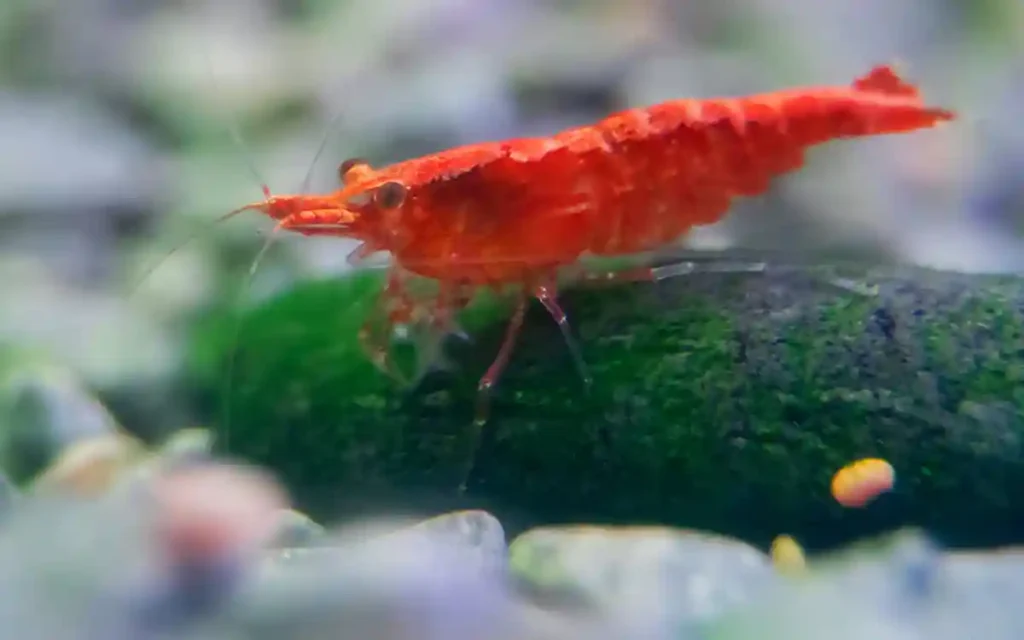
Adult Cherry Shrimp With Guppies
Adult cherry shrimp are the most commonly kept shrimp with guppies. Fully grown shrimp are usually too large for guppies to eat.
What works:
- Adult shrimp often survive long term
- Guppies mostly ignore large shrimp
- Stable tanks reduce stress
What does not:
- Shrimp babies rarely survive without heavy plant cover
- Shrimp numbers often decline over time
For compatible shrimp species and fish combinations, this guide is helpful: Guppy tank mates
Heavily Planted Tanks
Plant density is the biggest factor that determines success.
Tanks that work have:
- Thick moss (especially Java Moss)
- Dense plants near the substrate
- Floating plants with long roots
- Hardscape like driftwood or rocks
Plants break lines of sight and give shrimp places to hide. Without them, shrimp losses are almost guaranteed.
Larger Tank Sizes
Tank size matters more than people expect.
Better outcomes happen in:
- 15 gallons or larger
- Tanks with horizontal swimming space
- Layouts with separate zones
Small tanks force constant interaction, which increases shrimp stress and losses.
What Fails: Common Guppy and Shrimp Mistakes
Many mixed tanks fail for predictable reasons. These setups almost always lead to shrimp losses.
Nano Tanks With Guppies and Shrimp
Nano tanks are one of the worst choices for mixing guppies and shrimp.
Why they fail:
- No safe hiding zones
- Constant guppy attention
- Faster water quality swings
- Shrimp cannot escape fish
If your tank is under 10 gallons, shrimp-only setups are safer. You can explore shrimp better suited for small tanks here: Shrimp for nono tank
Expecting Shrimp to Breed With Guppies Present
This is the most common unrealistic expectation.
In most guppy tanks:
- Baby shrimp are eaten within days
- Only a few survive by chance
- Colonies do not grow
If breeding shrimp is your goal, guppies are the wrong tank mates.
Underfeeding or Overfeeding
Both cause problems.
Underfeeding:
- Shrimp starve while guppies eat everything
Overfeeding:
- Pollutes water
- Causes algae swings
- Leads to shrimp stress
Target feeding shrimp helps, but it does not eliminate predation.
Best Shrimp Choices for Guppy Tanks
Not all shrimp are equal when it comes to living with guppies.
Cherry Shrimp (Neocaridina)
Cherry shrimp are the best option if you want to try this mix.
Why they work better:
- Hardy and adaptable
- Adults are large enough to survive
- Tolerate beginner tanks
Even so, baby survival is low.
For a full breakdown of shrimp compatibility, see this guide: Cherry shrimp tank mates
Amano Shrimp
Amano shrimp work very well with guppies.
Advantages:
- Too large for guppies to eat
- Strong and fast
- Excellent algae eaters
Disadvantages:
- Do not breed in freshwater
- More expensive
Amano shrimp are ideal if you want shrimp presence without worrying about breeding losses.
Shrimp to Avoid With Guppies
Avoid these shrimp in guppy tanks:
- Ghost shrimp (often weak or aggressive)
- Bee shrimp (too sensitive)
- Very small or delicate species
Sensitive shrimp struggle in active community tanks.
Tank Setup Tips That Improve Success
If you decide to keep guppies and shrimp together, setup matters more than species choice.
Use Dense Planting
Plants should cover:
- The substrate
- Corners of the tank
- Hardscape edges
Mosses are especially important for shrimp survival.
Provide Visual Barriers
Break up open swimming areas with:
- Driftwood
- Rock piles
- Tall plants
This reduces constant guppy attention.
Feed Shrimp Separately
Use shrimp-specific foods and place them:
- Under plants
- Inside shrimp caves
- Away from open water
This helps shrimp eat without competition.
Should Beginners Mix Guppies and Shrimp?
For most beginners, the honest answer is no.
Why beginners struggle:
- Hard to balance feeding
- Hard to judge shrimp losses
- Disappointing breeding results
Separate tanks are simpler and more rewarding early on.
If you want shrimp as the focus, shrimp-only tanks are easier to manage and more successful.
When Guppies and Shrimp Make Sense Together
This mix can make sense if:
- You accept that baby shrimp may not survive
- You want shrimp for cleanup, not breeding
- You have a planted tank with space
- You are comfortable with some losses
Clear expectations prevent frustration.
Frequently Asked Questions
Will guppies eat adult shrimp?
Most guppies do not eat adult cherry shrimp or Amano shrimp, but they may nip or harass them.
Will guppies eat baby shrimp?
Yes. In most tanks, guppies eat baby shrimp whenever they find them.
Can shrimp hide from guppies?
Only in heavily planted tanks with dense cover. Open tanks offer little protection.
Is it better to add shrimp or guppies first?
Adding shrimp first allows them to establish hiding spots and reduces stress.
Are guppies aggressive toward shrimp?
Guppies are not aggressive, but they are curious and opportunistic feeders.
Final Thoughts
Guppies and shrimp can live together, but this combination is not as beginner-friendly as it appears. Adult shrimp often survive, but baby shrimp usually do not unless the tank is heavily planted and carefully managed.
If your goal is shrimp breeding or stress-free care, a shrimp-only tank works far better. If you simply want a mixed display and accept the risks, a planted tank with adult shrimp and guppies can work.
Understanding what fails is just as important as knowing what works. With realistic expectations and the right setup, you can decide whether this mix fits your aquarium goals.
 **2. Platy** Platies are hardy and easygoing. They enjoy swimming in groups and come in a variety of bright colors. Great for peaceful community tanks. ➡️ [Platy Fish Guide →](#) **3. Zebra Danio** Known for their energy and toughness, zebra danios are perfect for cycling new tanks. They tolerate a wide range of conditions and like to dart around in groups. ➡️ [Zebra Danio Guide →](#) **4. Corydoras Catfish** Peaceful bottom-dwellers that help keep your tank clean. Keep them in groups of 3 or more and give them soft substrate. ➡️ [Cory Catfish Care →](#) **5. Molly** Adaptable to various water conditions (even brackish), mollies are lively and great for community aquariums. ➡️ [Molly Fish Care Guide →](#) **6. Swordtail** Easy to care for and great in peaceful groups. Males have a signature sword-like tail and love swimming space. ➡️ [Swordtail Fish Guide →](#) **7. Betta Fish** Low-maintenance and visually stunning. Best kept alone or with very peaceful tank mates like snails or Corydoras. ➡️ [Full Betta Fish Care Guide →](#) **8. Neon Tetra** Small and peaceful, neon tetras love to school and light up a planted tank. Keep them in groups of 6 or more. ➡️ [Neon Tetra Care Guide →](https://oceanbitez.com/neon-tetras/) **9. Harlequin Rasbora** A calm and schooling species that fits right into community setups. Easy to feed and care for. ➡️ [Harlequin Rasbora Guide →](#) **10. Dwarf Gourami** A gentle and colorful addition to a beginner’s tank. Likes planted environments and peaceful neighbors. ➡️ [Dwarf Gourami Guide →](#) **11. White Cloud Mountain Minnow** Can live in cooler temperatures and is perfect for unheated tanks. Small, peaceful, and easy to care for. ➡️ [White Cloud Minnow Guide →](#) **12. Cherry Barb** Peaceful and social, cherry barbs do well in planted tanks and enjoy being in small groups. ➡️ [Cherry Barb Care →](#) --- ### Sample Beginner Tank Combos **Combo 1: 10–15 Gallon Easy Starter** * 4–6 Guppies * 3 Corydoras Catfish * 1 Nerite Snail **Combo 2: 20 Gallon Planted Community** * 6 Harlequin Rasboras * 6 Neon Tetras * 1 Dwarf Gourami * 3 Otocinclus (optional if algae control is needed) --- ### Beginner Tips for a Successful Aquarium * Cycle your tank before adding fish (ammonia → nitrite → nitrate) * Start with hardy species before delicate ones * Feed small amounts once or twice daily * Do weekly partial water changes (20–30%) * Don’t mix aggressive or fin-nipping species * Use a heater for tropical fish (75–80°F) --- ### Final Thoughts These beginner fish are ideal for getting started in the hobby without frustration. They're low-maintenance, compatible, and fun to watch. Once you’re comfortable, you can explore more advanced species and community combinations. ➡️ Check out our full guide to [Freshwater Aquarium Fish →](https://oceanbitez.com/freshwater-fish/)](https://oceanbitez.com/wp-content/uploads/2024/06/Best-Freshwater-Fish-for-Your-Aquarium-1024x640.webp)