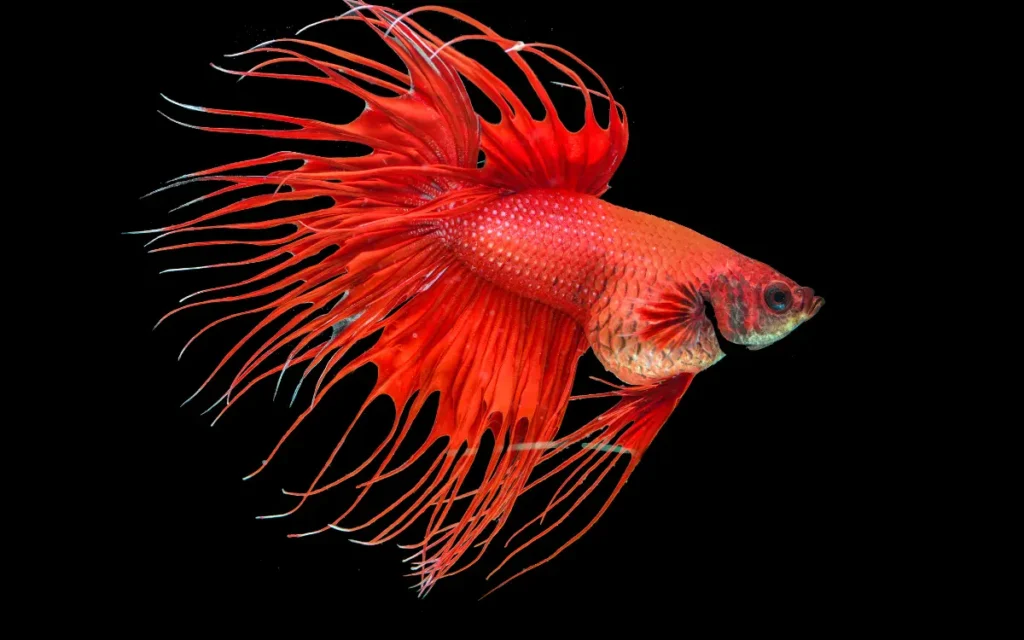
Guppies need at least a 10-gallon tank, where you can keep around 5–6 adult fish safely. Smaller tanks like 5 gallons can hold 2–3 guppies, but they are harder to maintain and not ideal long-term. Tank size affects water quality, fish health, and breeding, so choosing the right size is important for keeping guppies active and stress-free.
How Many Guppies Per Tank (Quick Answer)
You can keep guppies based on tank size:
- 5 gallon → 2–3 guppies (not ideal long-term)
- 10 gallon → 5–6 guppies
- 20 gallon → 10–12 guppies
- 30 gallon → 15+ guppies
Guppies need space to swim and stable water conditions. Overstocking leads to stress, poor water quality, and disease.
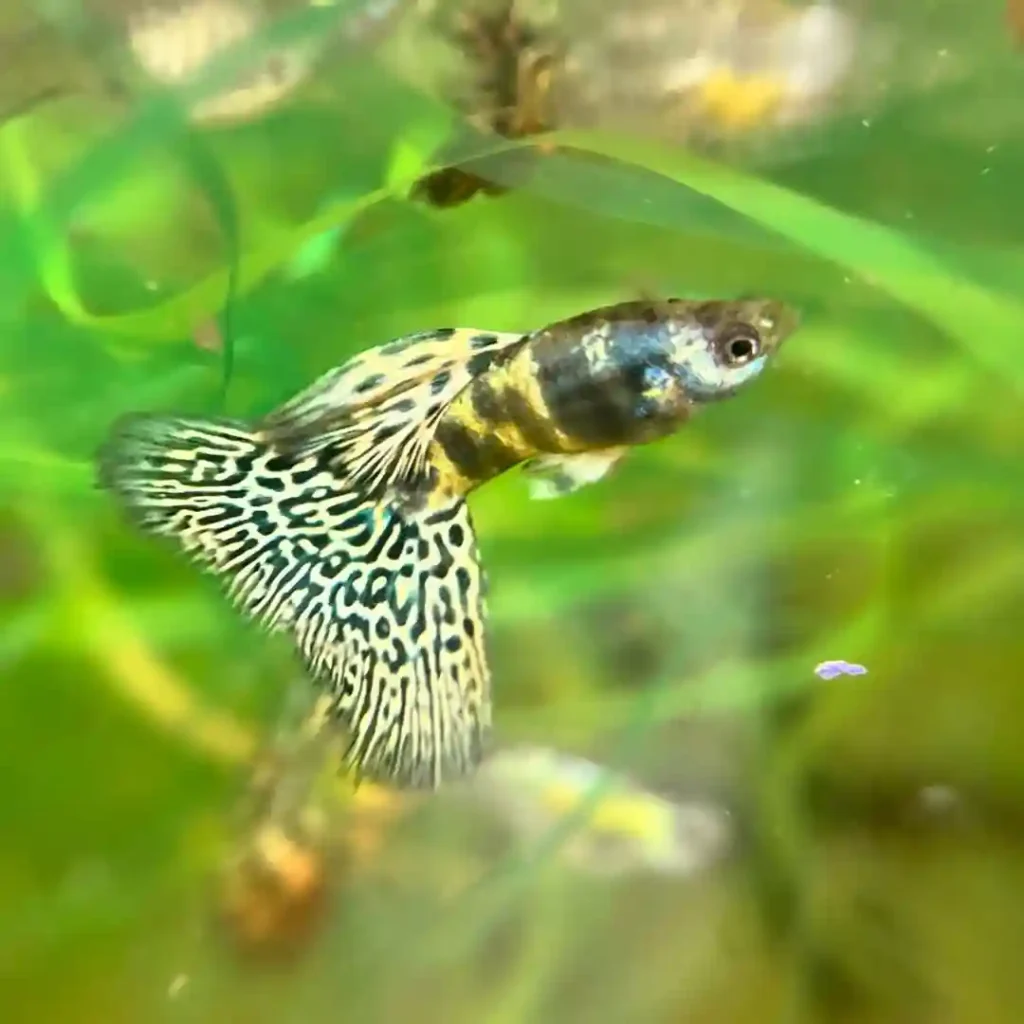
Minimum Tank Size for Guppies
The absolute minimum tank size for guppies is 5 gallons, but this is only suitable for a small group and short-term setups.
A 10-gallon tank is recommended for beginners because it provides:
- more stable water parameters
- better swimming space
- easier maintenance
Larger tanks are always better for guppies because they reduce stress and allow natural behavior.
For full care requirements, see: Guppy fish care
Guppy Stocking Rule Explained
A common guideline is the “1 inch of fish per gallon” rule. Since guppies grow to about 1.5–2 inches, this helps estimate stocking levels.
However, this rule is not exact. Tank size depends on:
- filtration quality
- presence of live plants
- maintenance routine
- breeding activity
Guppies reproduce quickly, so even a properly stocked tank can become overcrowded if not managed.
Tank Size Based on Guppy Group Type
Male Only Tank
Male guppies do not reproduce, so population stays stable. You can keep slightly more fish compared to mixed groups.
Mixed Tank (Male + Female)
Mixed tanks lead to frequent breeding. A small group can quickly turn into dozens of guppies, so a larger tank is necessary.
Breeding Tank
Breeding setups usually have fewer fish and controlled conditions to protect fry.
Tank Size for Guppies With Other Fish
If you keep guppies in a community tank, you need more space because other fish increase the bio-load.
Choose peaceful tank mates and avoid overcrowding.
Full guide: Guppy tank mates
Tank Size for Guppies With Shrimp
Guppies can live with shrimp, but tank setup matters.
- shrimp need hiding places
- guppies may eat baby shrimp
- plants help shrimp survive
A slightly larger tank improves survival and balance.
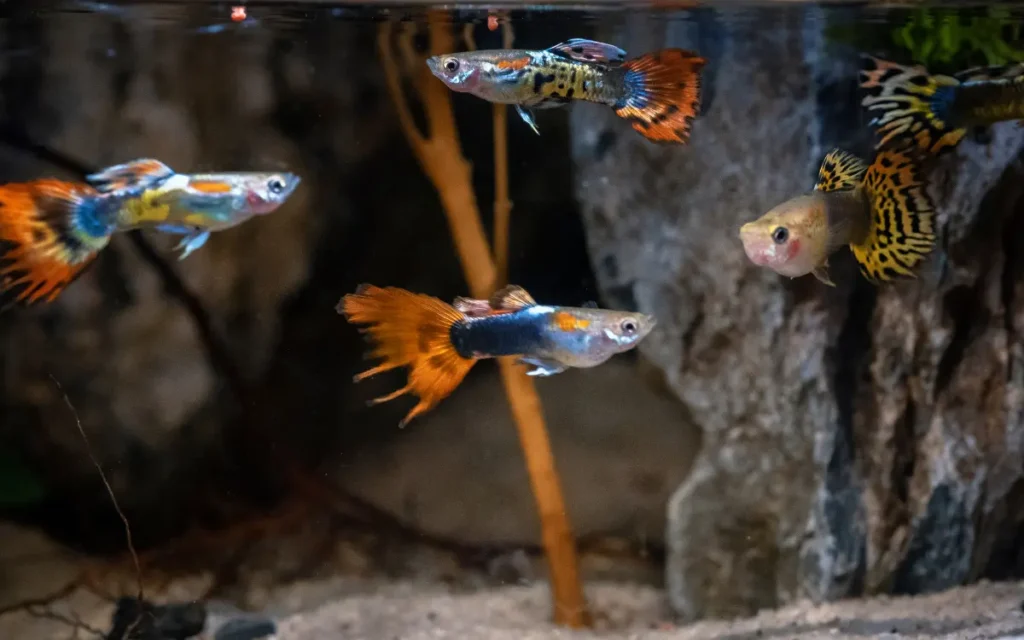
Best Tank Setup for Guppies
A proper setup helps maintain stable conditions and reduces stress.
Key elements:
- gentle filter (sponge or low-flow)
- heater (75–82°F)
- fine gravel or sand substrate
- live plants for hiding and water quality
Live plants are especially important. They improve water conditions and provide shelter.
Best options here: Plants for guppy
Common Tank Size Mistakes
Avoid these common beginner mistakes:
- keeping too many guppies in small tanks
- ignoring breeding population growth
- using tanks without filtration
- skipping regular water changes
These issues often lead to stress and disease.
Does Tank Size Affect Guppy Growth?
Yes, tank size directly affects guppy health.
Small tanks can cause:
- stunted growth
- increased stress
- shorter lifespan
Larger tanks allow guppies to grow properly and stay active.
FAQs
How many guppies in a 5 gallon tank?
You can keep 2–3 guppies, but this is not ideal long-term.
How many guppies in a 10 gallon tank?
5–6 guppies is a safe number with proper filtration and maintenance.
Can guppies live in a bowl?
No, bowls are too small and do not provide stable water conditions.
Do guppies need a big tank?
They do better in larger tanks because water stays stable and fish are less stressed.
 **2. Platy** Platies are hardy and easygoing. They enjoy swimming in groups and come in a variety of bright colors. Great for peaceful community tanks. ➡️ [Platy Fish Guide →](#) **3. Zebra Danio** Known for their energy and toughness, zebra danios are perfect for cycling new tanks. They tolerate a wide range of conditions and like to dart around in groups. ➡️ [Zebra Danio Guide →](#) **4. Corydoras Catfish** Peaceful bottom-dwellers that help keep your tank clean. Keep them in groups of 3 or more and give them soft substrate. ➡️ [Cory Catfish Care →](#) **5. Molly** Adaptable to various water conditions (even brackish), mollies are lively and great for community aquariums. ➡️ [Molly Fish Care Guide →](#) **6. Swordtail** Easy to care for and great in peaceful groups. Males have a signature sword-like tail and love swimming space. ➡️ [Swordtail Fish Guide →](#) **7. Betta Fish** Low-maintenance and visually stunning. Best kept alone or with very peaceful tank mates like snails or Corydoras. ➡️ [Full Betta Fish Care Guide →](#) **8. Neon Tetra** Small and peaceful, neon tetras love to school and light up a planted tank. Keep them in groups of 6 or more. ➡️ [Neon Tetra Care Guide →](https://oceanbitez.com/neon-tetras/) **9. Harlequin Rasbora** A calm and schooling species that fits right into community setups. Easy to feed and care for. ➡️ [Harlequin Rasbora Guide →](#) **10. Dwarf Gourami** A gentle and colorful addition to a beginner’s tank. Likes planted environments and peaceful neighbors. ➡️ [Dwarf Gourami Guide →](#) **11. White Cloud Mountain Minnow** Can live in cooler temperatures and is perfect for unheated tanks. Small, peaceful, and easy to care for. ➡️ [White Cloud Minnow Guide →](#) **12. Cherry Barb** Peaceful and social, cherry barbs do well in planted tanks and enjoy being in small groups. ➡️ [Cherry Barb Care →](#) --- ### Sample Beginner Tank Combos **Combo 1: 10–15 Gallon Easy Starter** * 4–6 Guppies * 3 Corydoras Catfish * 1 Nerite Snail **Combo 2: 20 Gallon Planted Community** * 6 Harlequin Rasboras * 6 Neon Tetras * 1 Dwarf Gourami * 3 Otocinclus (optional if algae control is needed) --- ### Beginner Tips for a Successful Aquarium * Cycle your tank before adding fish (ammonia → nitrite → nitrate) * Start with hardy species before delicate ones * Feed small amounts once or twice daily * Do weekly partial water changes (20–30%) * Don’t mix aggressive or fin-nipping species * Use a heater for tropical fish (75–80°F) --- ### Final Thoughts These beginner fish are ideal for getting started in the hobby without frustration. They're low-maintenance, compatible, and fun to watch. Once you’re comfortable, you can explore more advanced species and community combinations. ➡️ Check out our full guide to [Freshwater Aquarium Fish →](https://oceanbitez.com/freshwater-fish/)](https://oceanbitez.com/wp-content/uploads/2024/06/Best-Freshwater-Fish-for-Your-Aquarium-1024x640.webp)