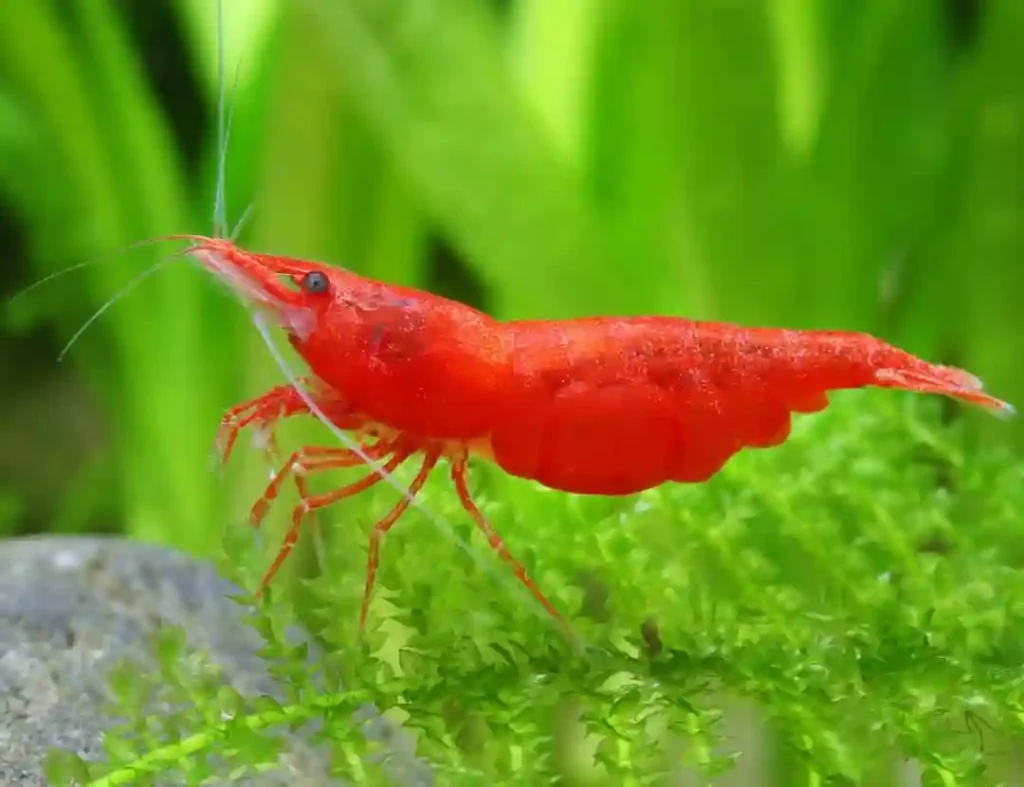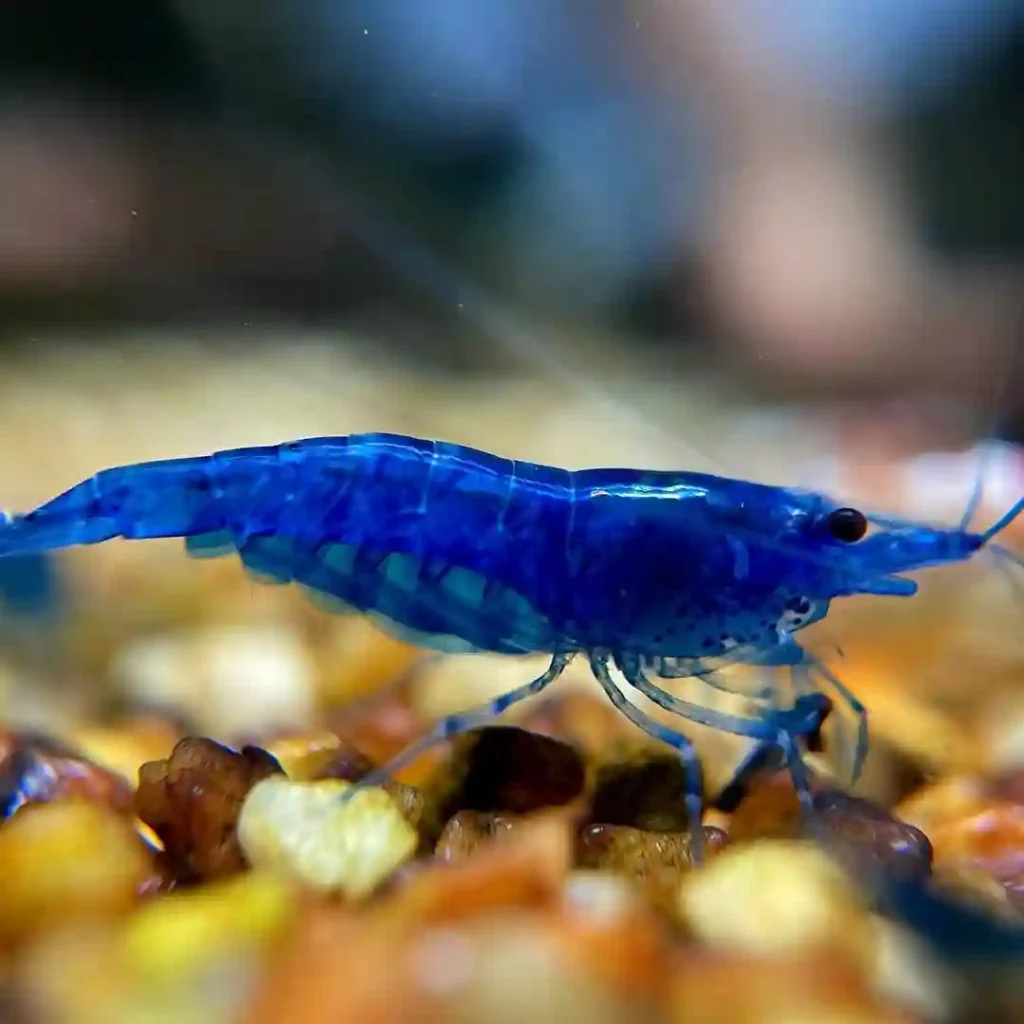
Cherry shrimp are among the easiest freshwater species to breed in a home aquarium. With stable water conditions, a sponge filter, and plenty of plants, they reproduce naturally no special tank or triggers needed. This guide explains the tank setup, ideal temperature, egg cycle, and care tips to grow a healthy colony.
Why People Breed Cherry Shrimp
Neocaridina davidi, better known as cherry shrimp, don’t need much encouragement to breed. With steady water, safe surroundings, and enough food, they’ll do the work themselves. Many aquarists breed them to boost tank activity, add color to planted tanks, or even to sell. Since a healthy female can carry eggs every few weeks, your colony can multiply quickly and naturally—no breeding tricks required.
Setting Up the Breeding Tank
Start with a stable, well-cycled tank. A 10-gallon aquarium is a sweet spot. It’s small enough to manage but large enough to keep water conditions steady. You can use a 5-gallon tank if needed, but smaller tanks react faster to temperature and chemical changes, which isn’t ideal for baby shrimp.
Use sponge filters or hang-on-back filters with a pre-filter sponge. These provide gentle flow and prevent tiny shrimp from getting sucked in. Sponge filters also collect biofilm, a food source for newborn shrimp.
When it comes to substrate, darker is better. It helps cherry shrimp feel more secure and show off their best colors. Sand, fine gravel, or aquarium soil work well.
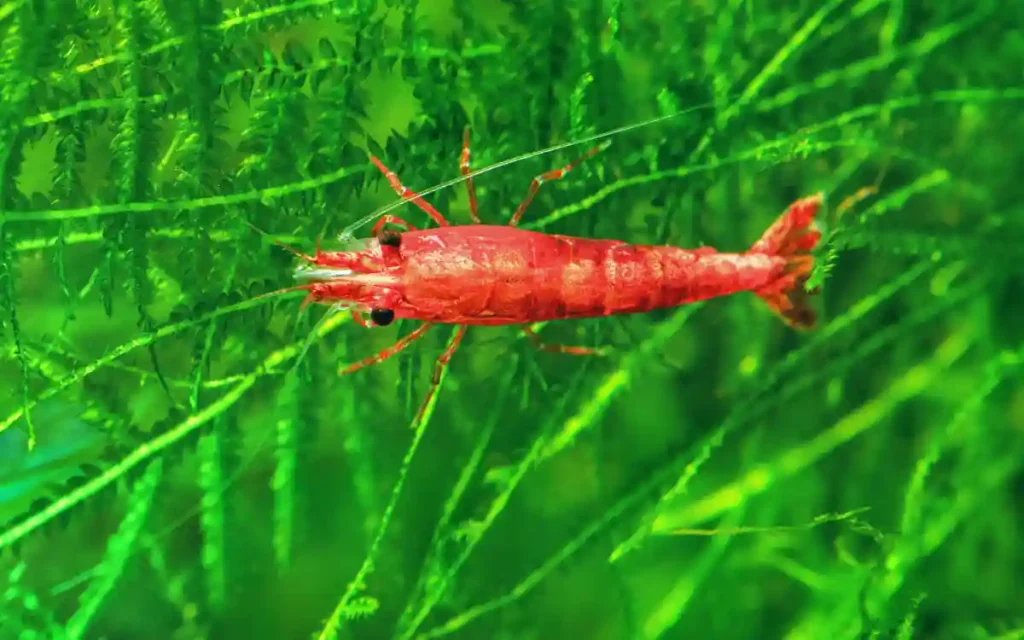
Plants play a big role in shrimp breeding tanks. Live plants like java moss, anubias, and floating options like frogbit provide hiding spaces and natural food surfaces. Shrimp use them as shelter, especially after molting or when they’re very young. Add some driftwood or rock caves for extra cover.
Go with soft LED lighting and keep it on for 6 to 8 hours a day. Too much light can stress your shrimp and boost unwanted algae growth.
Ideal Water Conditions
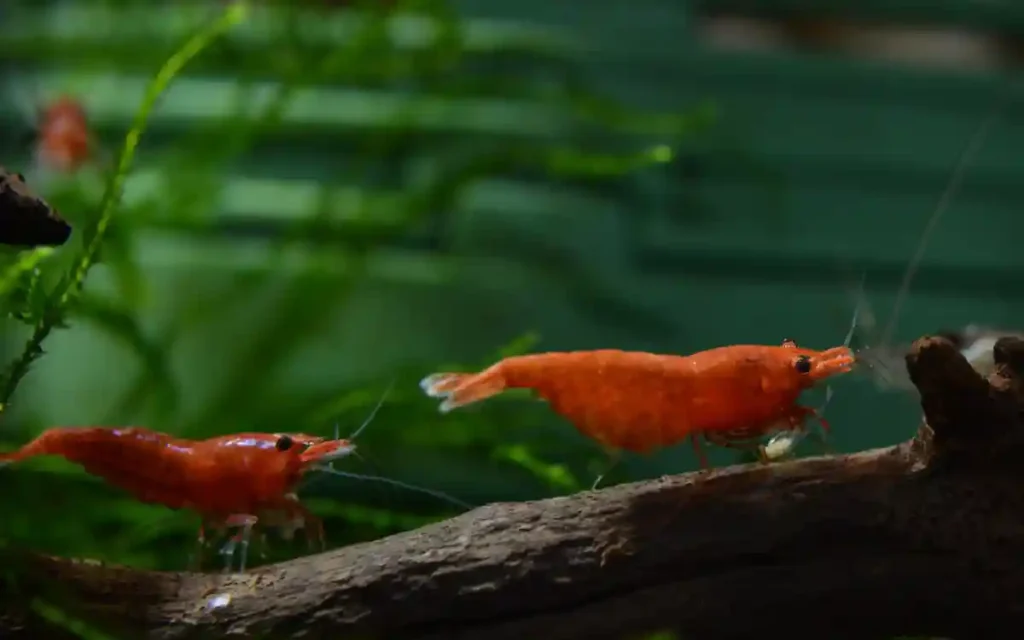
Cherry shrimp thrive in warm, clean water. Aim for a temperature between 72°F and 78°F. If your room gets colder than 68°F, a small heater will help keep things steady.
Stick to these water parameters for the best breeding results:
- pH between 6.8 and 7.6
- General hardness (GH) around 6 to 8 dGH
- Carbonate hardness (KH) between 2 and 4 dKH
- Total dissolved solids (TDS) from 180 to 250 ppm
Using remineralized RO water helps maintain stable parameters. Check your water weekly and do small water changes regularly to keep conditions clean and safe.
What Breeding Looks Like
Once your tank is dialed in, breeding will happen naturally. When a female molts, she releases hormones into the water. This sends the males into a frenzy as they race to find her. If successful, the female will soon develop a saddle—eggs forming inside her—and those eggs will move down to her swimmerets.
Now she’s berried. She’ll fan the eggs constantly for oxygen, and after 2 to 4 weeks, they hatch. The baby shrimp are tiny but fully formed. From day one, they feed themselves on biofilm and particles in the tank. There’s no larval stage—no extra care needed.
Females can get back to breeding just a few days after releasing their young, which means a single female can produce new batches every month if conditions are good.
Cherry Shrimp Breeding Chart
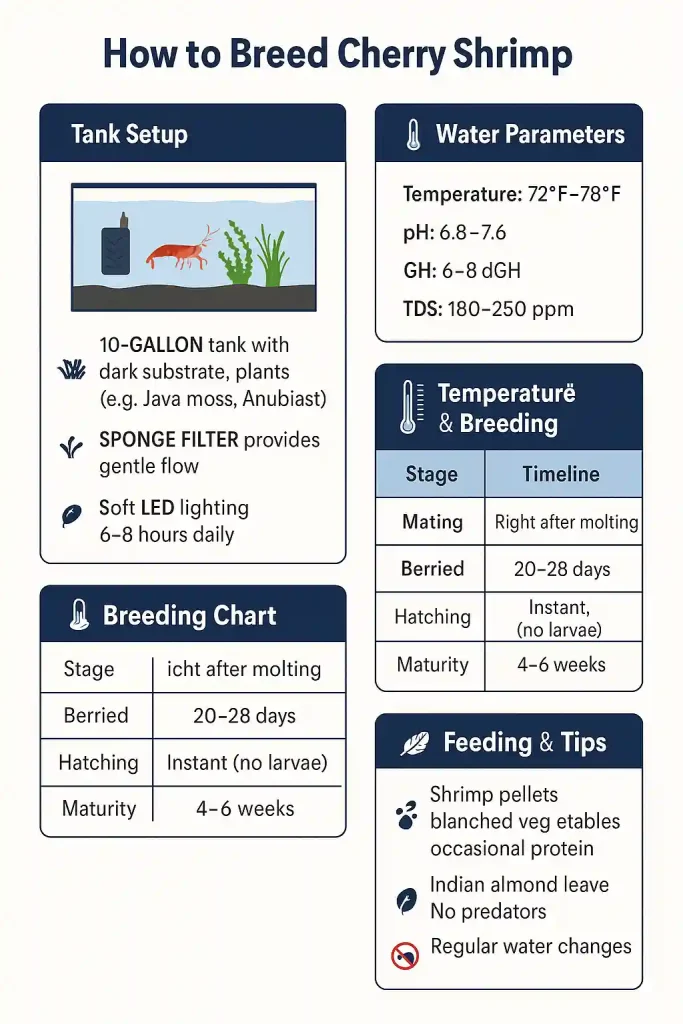
Here’s a quick overview of the cherry shrimp breeding cycle:
| Stage | Timeline |
| Mating | Right after molting |
| Berried | 20–28 days |
| Hatching | Instantly (no larvae) |
| Maturity | 4–6 weeks |
This fast turnaround makes cherry shrimp ideal for anyone wanting a lively, self-sustaining tank.
Temperature and Breeding Speed
Temperature affects breeding rates. At the low end, around 68°F, things move slowly. But at 72°F to 78°F, shrimp breed quickly and safely. Higher temps can speed things up, but they also stress shrimp and shorten their lifespan—so it’s best to avoid going over 80°F.
What to Feed for Healthy Breeding
Feeding your shrimp well is key to regular, healthy reproduction. Shrimp thrive on variety. Offer them specially made shrimp pellets and algae wafers. Blanched vegetables like spinach and zucchini are also great, and occasionally you can give them a small protein treat like baby brine shrimp.
The biggest mistake? Overfeeding. Too much food ruins water quality. Feed tiny amounts once a day and remove leftovers after a few hours.
Tips for Better Breeding Results
Keeping a good male-to-female ratio helps increase your chances of successful mating. Aim for two females for every male if possible. Don’t mix shrimp with fish that might eat them or their babies. Stick to a shrimp-only tank or peaceful nano species like snails.
Adding Indian almond leaves or other botanicals helps too. They release natural compounds that can support molting and egg health. Plus, they grow biofilm on their surface, which babies love to graze on.
Avoid using copper-based medications—they’re toxic to shrimp, even in small doses.
Common Questions
How often do cherry shrimp breed?
Under stable conditions, females can breed every 3 to 6 weeks.
How many eggs do they lay?
A berried female usually carries between 20 and 30 eggs, depending on her age and size.
Do they need a breeding tank?
Not at all. If your main tank is shrimp-only and has hiding places, they’ll breed right in it.
How fast do baby shrimp grow?
They usually reach breeding age in 4 to 6 weeks, especially if water is warm and food is steady.
How can you tell the difference between males and females?
Females are larger, rounder, and more colorful. You’ll also see their eggs or saddle when they’re ready to breed.
Wrapping It Up
Breeding cherry shrimp isn’t just easy—it’s exciting. Watching your colony grow brings a whole new level of joy to keeping an aquarium. Focus on a stable tank, clean water, and consistent care. With that in place, your shrimp will do the rest.