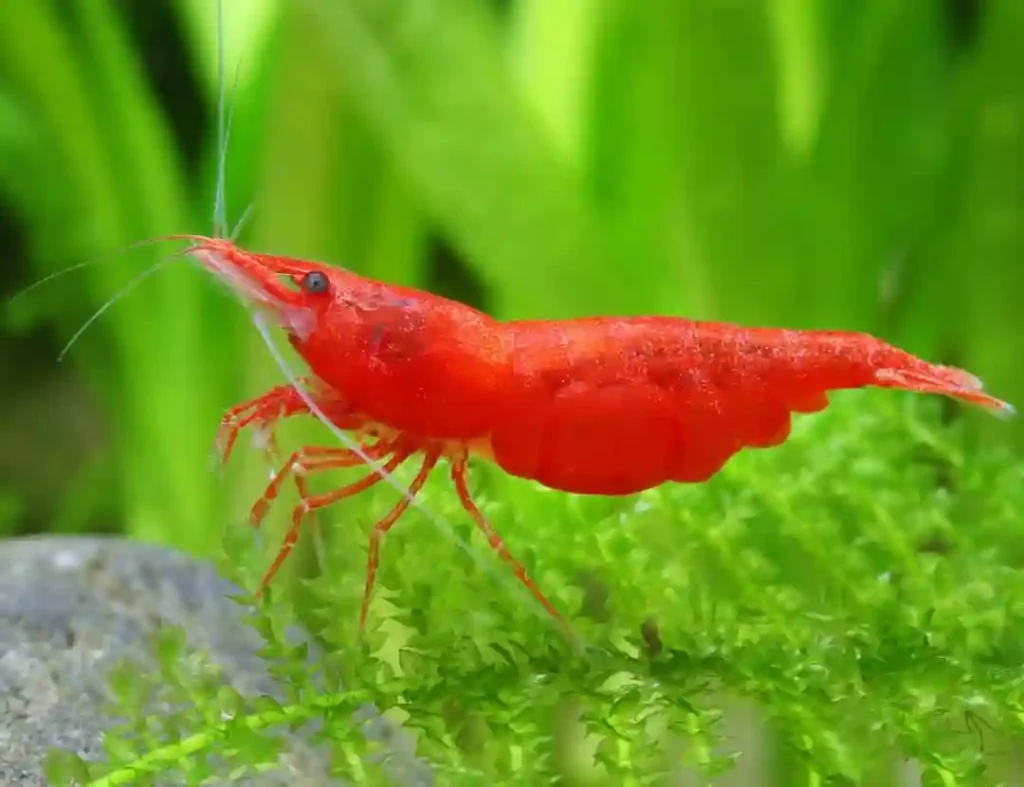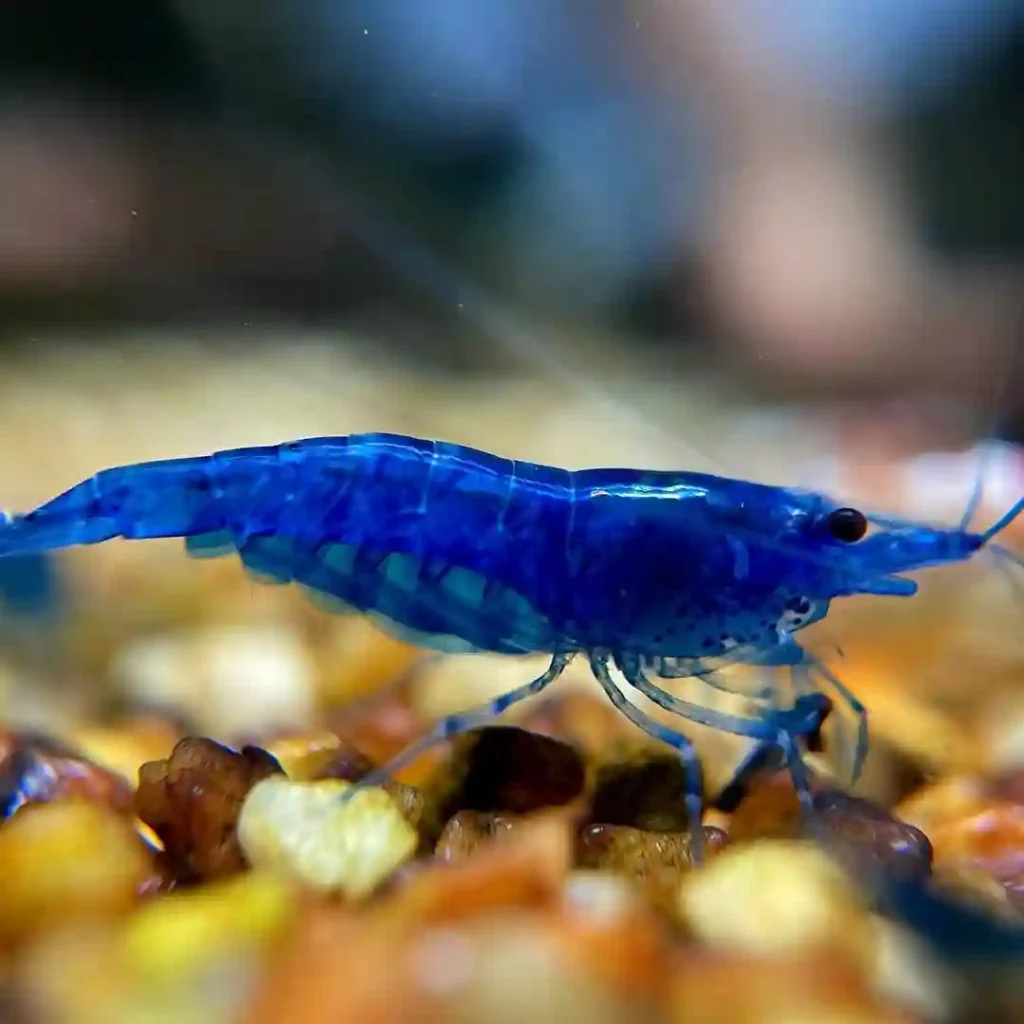
If you’ve just spotted tiny shrimp swimming in your tank, congratulations your shrimp have bred! But now comes the real challenge: keeping those baby shrimp alive and healthy. In this guide, you’ll learn exactly how to raise baby shrimp step by step, from setting up the right tank to feeding them the right foods.
Whether you keep cherry shrimp, ghost shrimp, or Amanos, this guide will help boost survival rates and keep your colony growing strong.
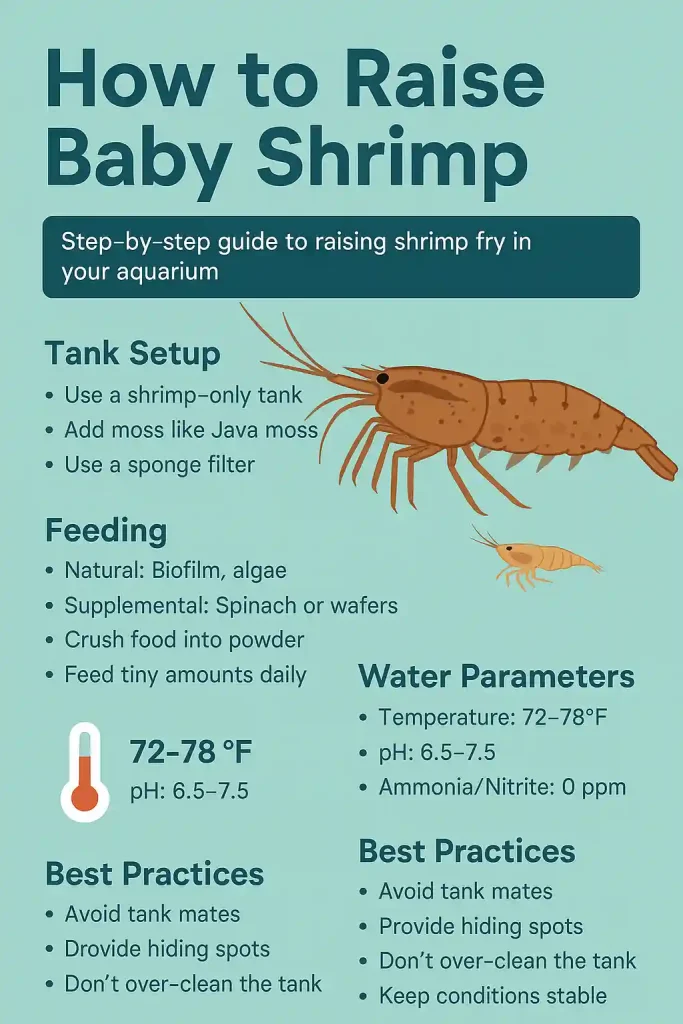
How to Raise Baby Shrimp
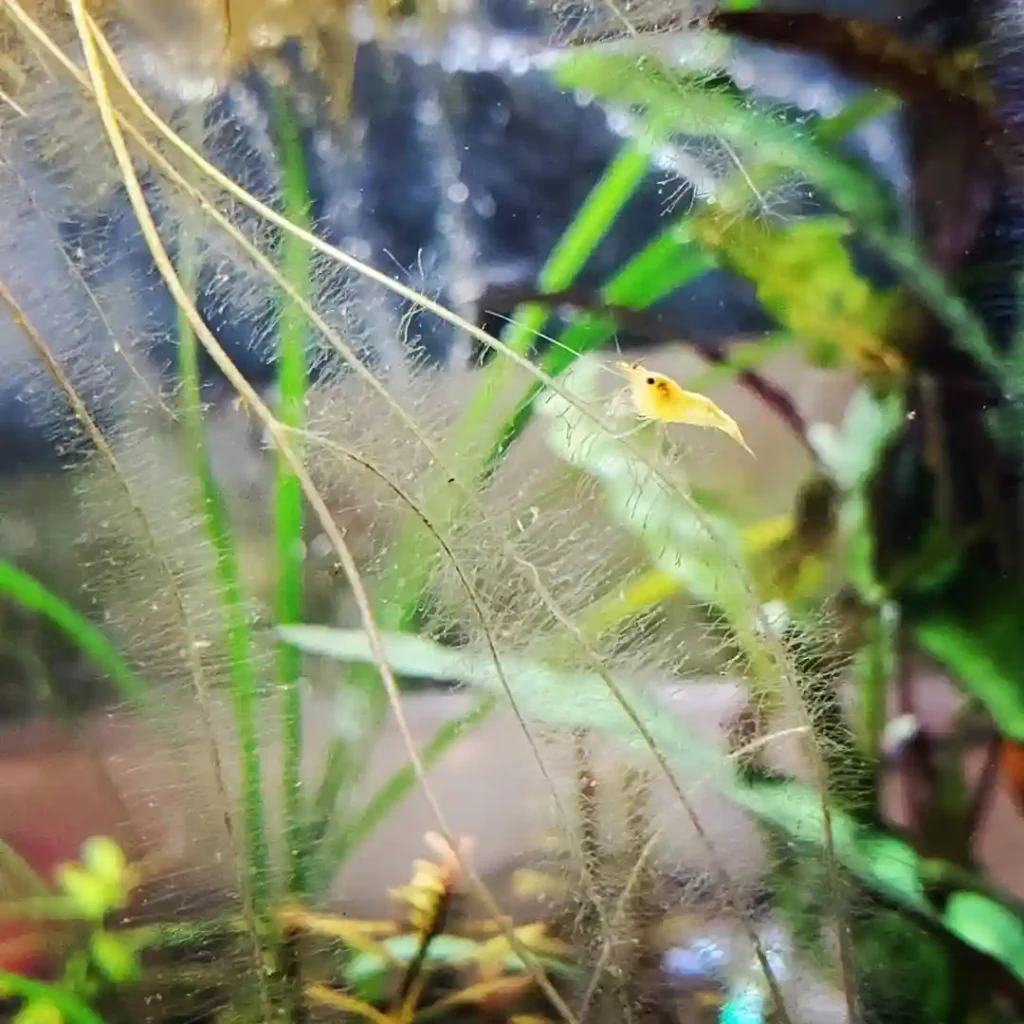
Baby shrimp, also known as fry, are incredibly small almost transparent and can be hard to spot in the early days after hatching. Most freshwater shrimp species like cherry shrimp or ghost shrimp start life as tiny versions of the adults, complete with legs, antennae, and the instinct to hide.
They typically hatch from eggs carried by the mother under her abdomen. Once released, the baby shrimp are independent and begin searching for food immediately. They don’t rely on parental care, which means your setup must be ready in advance to support their needs from the very first day.
Key Stages:
- Egg stage: Attached to the female shrimp for 2–3 weeks
- Post-hatch: Fry emerge ready to feed and molt frequently
- Juvenile: Around 2–4 weeks in, they begin showing color and size
- Adult: Typically reached in 4–8 weeks, depending on conditions
Preparing the Tank for Baby Shrimp
Optimal Tank Setup
A shrimp-only tank is ideal to prevent predators from snacking on your baby shrimp. A 10-gallon tank or larger gives enough space and stability for water parameters.
Use a dark substrate or shrimp-safe soil that helps promote biofilm growth—the main natural food source for baby shrimp. Adding mosses like Java moss, Subwassertang, or floating plants creates hiding spots and encourages micro-life growth.
Water Parameters
Baby shrimp are sensitive to changes in water quality. Consistency is key.
| Parameter | Ideal Range |
| Temperature | 72–78°F (22–25.5°C) |
| pH | 6.5–7.5 |
| Ammonia/Nitrite | 0 ppm |
| Nitrate | Less than 20 ppm |
| GH/KH | Species dependent |
If you’re using RO water, make sure to remineralize it with shrimp-safe mineral products to ensure proper molting and shell development.
Filtration and Safety
Use a sponge filter or place a pre-filter sponge over standard intakes to prevent baby shrimp from getting sucked in. Strong filtration creates too much flow and can trap or stress your fry.
Regular but gentle water changes (about 10–20% weekly) help maintain clean water without shocking the tiny shrimp.
What Do Baby Shrimp Eat?
Natural Food Sources
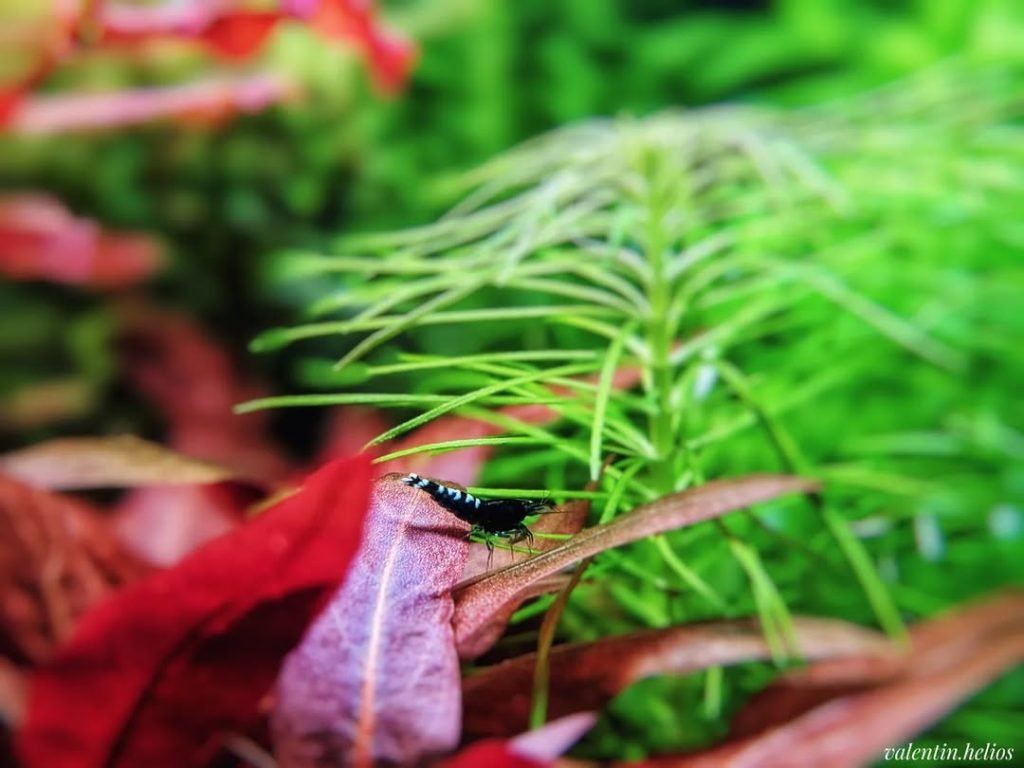
In a well-established tank, baby shrimp will graze constantly on biofilm, algae, and decaying plant matter. These are their primary food sources and are crucial for survival in the first few weeks.
Supplemental Feeding
If your tank is newly set up or lacks enough natural food, you can supplement with:
- Powdered shrimp food
- Blanched spinach or zucchini
- Crushed algae wafers
Feed once daily in small amounts—too much can spike ammonia. You can also use leaf litter like Indian almond leaves to naturally produce biofilm and add antibacterial benefits.
Best Practices for Baby Shrimp Survival
- Avoid tank mates: Even peaceful fish might eat baby shrimp. A species-only tank is safest.
- Add hiding spaces: Moss, leaf litter, and sponge filters give fry plenty of cover.
- Copper-free water: Tap water with copper can be deadly. Always check your water conditioner and avoid copper-based medications.
- Stable environment: Avoid large temperature swings, pH crashes, or sudden changes.
How Fast Do Baby Shrimp Grow?
Under ideal conditions, most shrimp fry will grow into adults within 4–8 weeks. Growth depends heavily on:
- Frequent feeding
- Consistent molting
- Stable water parameters
Molting is a normal part of shrimp growth. If you find a clear shell, don’t panic—it’s likely a sign of healthy development. Just make sure calcium and minerals are present to support future molts.
Read also: Pregnant Cherry Shrimp Stages:Stages, Care, and What to Do
Breeding Tips to Get More Baby Shrimp
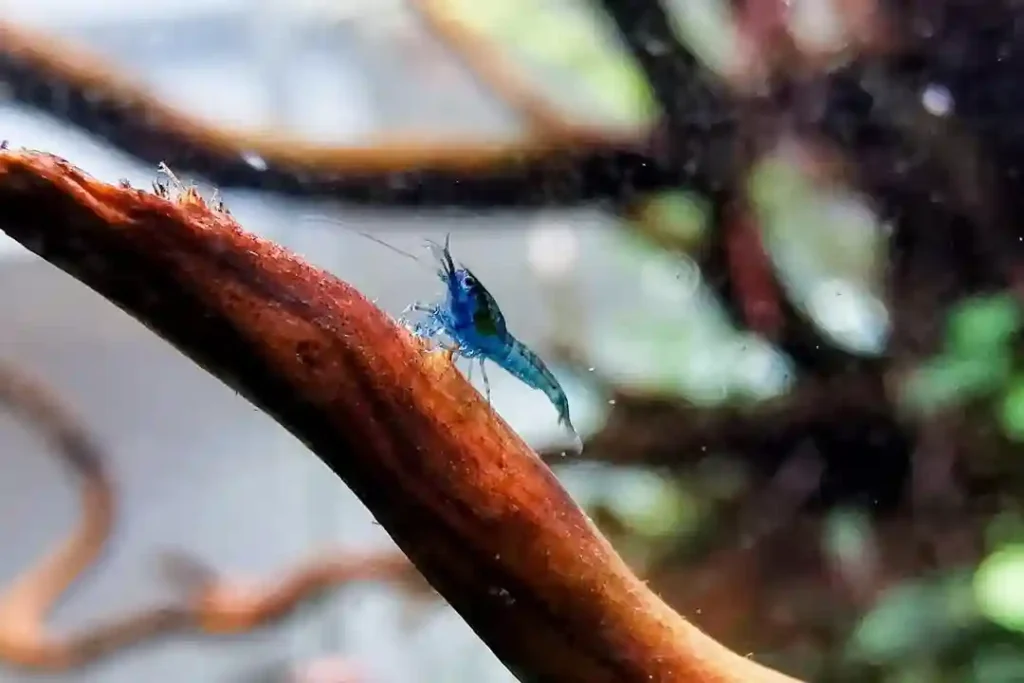
Want a steady stream of baby shrimp in your tank? Keep your shrimp well-fed and stress-free.
Tips for Success:
- Choose active, healthy adults
- Look for berried females (eggs under the tail)
- Avoid overpopulation—give each shrimp room to grow
- Use a breeding chart to track maturity and egg counts
| Species | Time to Maturity | Eggs per Batch |
| Cherry Shrimp | 3–4 months | 20–30 |
| Amano Shrimp | Needs brackish water for larvae survival | |
| Ghost Shrimp | 4–6 weeks | 20–60 |
Cleaning a Tank With Baby Shrimp
Cleaning with fry in the tank can be risky, but a few tweaks make it safe:
- Use airline tubing as a siphon to manually remove debris
- Spot clean rather than deep clean
- Don’t over-vacuum near moss or hiding areas
- Never stir up the substrate too much—they could be hiding there
Common Problems raise baby shrimp
Baby Shrimp Dying Suddenly
Cause: Poor water quality, ammonia/nitrite spike
Fix: Immediate water change, test water regularly
Not Growing
Cause: Lack of minerals or food
Fix: Use shrimp mineral supplements and offer micro foods
Fish Eating Fry
Cause: Incompatible tank mates
Fix: Move baby shrimp to breeder tanks or increase plant cover
FAQs
Can you raise baby shrimp in a community tank?
It’s risky. Most fish will eat them. If you must, provide heavy cover and lots of moss.
Do baby shrimp need a heater?
Yes, if your room temperature drops below 70°F. A heater keeps conditions stable.
How many baby shrimp survive on average?
In a shrimp-only, stable tank—70–90% can survive. In community tanks, it’s often less than 20%.
Can I move baby shrimp to another tank?
Wait until they’re at least 4–5 weeks old. They’re more durable then.
What’s the best food for baby cherry shrimp?
Powdered shrimp food and biofilm are ideal. You can also use crushed algae wafers.
Do baby shrimp need oxygen or bubbles?
They do need good oxygen levels. Use an air stone or sponge filter for circulation.