Planting aquarium plants the right way is one of the most important steps in building a balanced, healthy tank. Whether you’re using gravel, sand, pots, or going soil-free, doing it correctly helps plants root quickly, grow steadily, and avoid issues like algae blooms or floating leaves.
Quick answer: Bury only the roots (not the crown), use the proper substrate or anchoring method, and match your planting technique to the type of plant. With a little care, even beginners can successfully plant aquarium plants — with or without CO₂.
Why Planting Technique Matters
How you plant directly affects a plant’s health and growth. Mistakes like burying the rhizome or planting too deep can cause rot, melting leaves, or floating stems. Correct technique:
- Helps roots anchor faster
- Reduces transplant shock
- Keeps your aquascape looking neat
- Supports better nutrient absorption from day one
Want to build your first layout? Visit our guide: Aquascaping for Beginners
Tools and Materials You’ll Need
Start with a clean tank and have these essentials ready:
Basic Tools
- Aquarium tweezers
- Aquascaping scissors
- Root tabs or liquid fertilizer
Substrates and Accessories
- Gravel, sand, or planted tank soil
- Mesh pots or ceramic planters
- Rocks or driftwood for attaching rhizome plants
Using the right tools makes planting easier and prevents disturbing the substrate too much.
How to Plant Aquarium Plants in Gravel
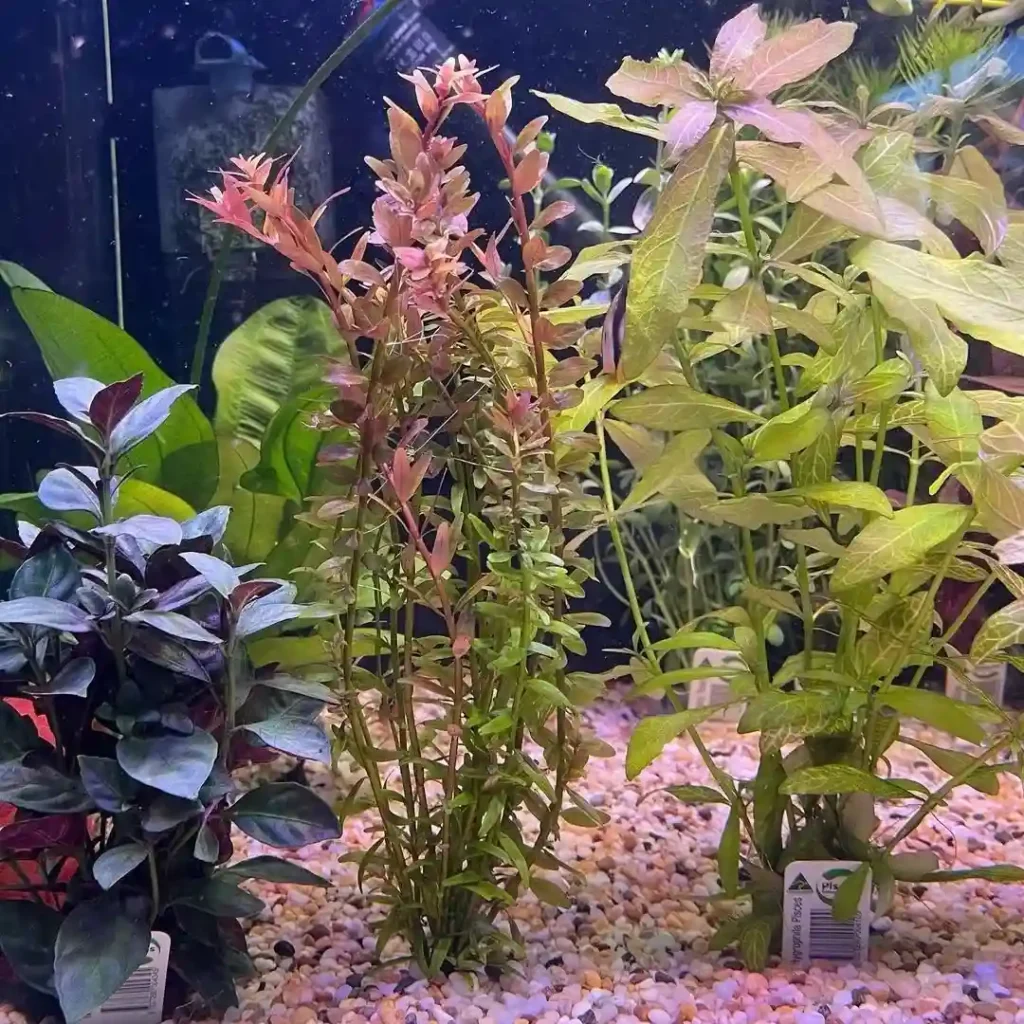
Gravel is easy to use but lacks nutrients. Choose medium-sized gravel for better anchoring.
- Use tweezers to insert plant roots gently into the gravel
- Keep the crown (where roots meet leaves) above the surface
- Add root tabs near root feeders like Amazon Sword or Cryptocoryne
- Press gravel around the base to secure the plant
Looking for ideas? Check out: Foreground Plants for Aquariums
How to Grow Aquarium Plants Without Soil
Soil-free tanks can still support lush growth:
- Use sand or fine gravel as inert media
- Attach rhizome plants like Java Fern, Anubias, or Bucephalandra to rocks or wood
- Use glue, thread, or rubber bands to secure them
- Never bury the rhizome—it will rot
These plants root naturally onto hardscape over time.
More ideas? Visit: Low Light Aquarium Plants
How to Plant Aquarium Plants in Pots
Before you setup you have to learn How to Quarantine Aquarium Plants are great for bare-bottom tanks or shrimp setups.
- Use mesh pots or clay planters
- Fill with aquarium soil or gravel
- Insert roots gently and pack loosely
- Add root tabs if using inert material
- Position the pot in your layout and monitor for root growth
How to Grow Aquarium Plants from Seeds
Growing from seeds takes patience:
- Start emersed (above water) in a moist substrate
- Use a shallow tray and strong light until sprouting
- Gradually fill the container with water to submerge the plants
- Some seed kits sold online aren’t truly aquatic – research before buying
Popular seed-grown species:
- Monte Carlo
- Dwarf Hairgrass
- Glossostigma
Explore more: Aquarium Carpet Plants
Can Aquarium Plants Grow Without CO₂?
Yes! Many plants thrive in low-tech tanks:
Recommended species:
- Java Fern
- Anubias
- Cryptocoryne
- Hornwort
Tips:
- Use moderate lighting (8–10 hours a day)
- Dose liquid fertilizer weekly
- Add root tabs for gravel or sand substrates
See more: Fast Growing Aquarium Plants
Planting Different Types of Aquarium Plants
Stem Plants
- Trim off the bottom few leaves
- Insert 1–2 inches into substrate using tweezers
- Space stems apart for light circulation
Rhizome Plants
- Attach to wood or stone
- Never bury the rhizome
- Use thread or aquarium-safe glue to secure
Rosette Plants
- Bury only the roots
- Keep the crown above the substrate
- Trim melting or damaged leaves before planting
Floating Plants
- Simply place on the water surface
- No anchoring needed
- Thin out as needed to prevent light blocking
Disadvantages of Live Aquarium Plants (And How to Fix Them)
Live plants are rewarding, but not without issues:
- Melting leaves: Especially with Crypts; avoid moving them and maintain stable water.
- Algae growth: Caused by too much light or nutrients; adjust fertilizer and light schedule.
- Floating plants: Replant deeper and remove damaged leaves to help anchor them.
Maintenance After Planting
- Avoid vacuuming near roots
- Begin light fertilization after 5–7 days
- Trim damaged or melted leaves regularly
- Watch for signs of new growth within 1–2 weeks
- Thin crowded stems to allow better flow and light
Read also: Freshwater Aquarium Setup Step-by-Step Beginner Guide
FAQs
Can I plant aquarium plants in regular gravel?
Yes, use medium-sized gravel and add root tabs for nutrients.
Do I need soil for aquarium plants?
Not necessarily. Many plants grow well with gravel and proper fertilizer.
How deep should I plant them?
Bury roots only. Leave the crown and rhizomes above the substrate.
Can I grow aquarium plants from seeds underwater?
Some yes, but starting emersed offers better success.
Can I grow plants without CO₂?
Definitely. Many species do well in low-tech setups with good light and nutrients.
Final Thoughts – Set Plants Up for Success
Planting live aquarium plants the right way sets your tank up for long-term health and beauty. Whether you’re using gravel, pots, or hardscape, correct technique helps your plants thrive. Feed them, trim them, and give them time—you’ll be rewarded with a lush underwater garden.
Want more help? Explore our beginner guides at OceanBitez.com